
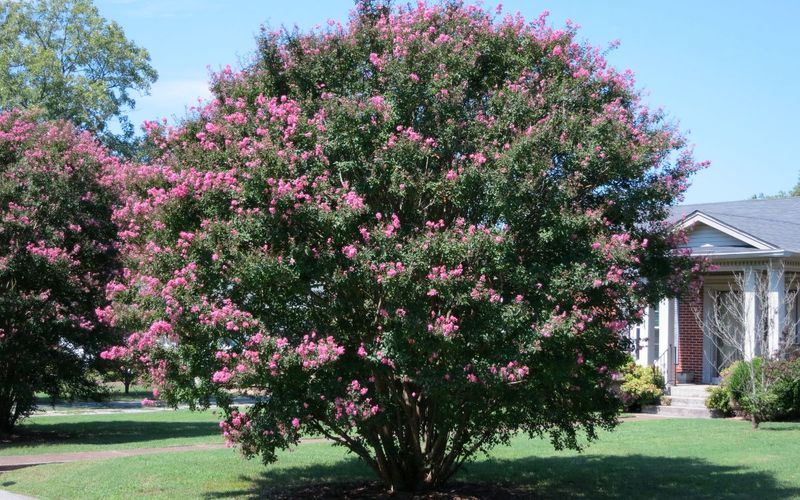
Crape myrtle seed pods are one of those fall details that homeowners either ignore or obsess over, and the internet has plenty of advice pushing both extremes. The truth sits somewhere more practical: pods can lead to volunteer seedlings in some yards, but they do not guarantee a spring full of unwanted plants, and there is no hard deadline that says you must remove them before winter.
What actually helps is knowing when cleanup makes sense for your specific yard, how to do it without harming the tree, and what you might be giving up if you strip every capsule off the branches.
Volunteer seedlings can happen, but no deadline applies
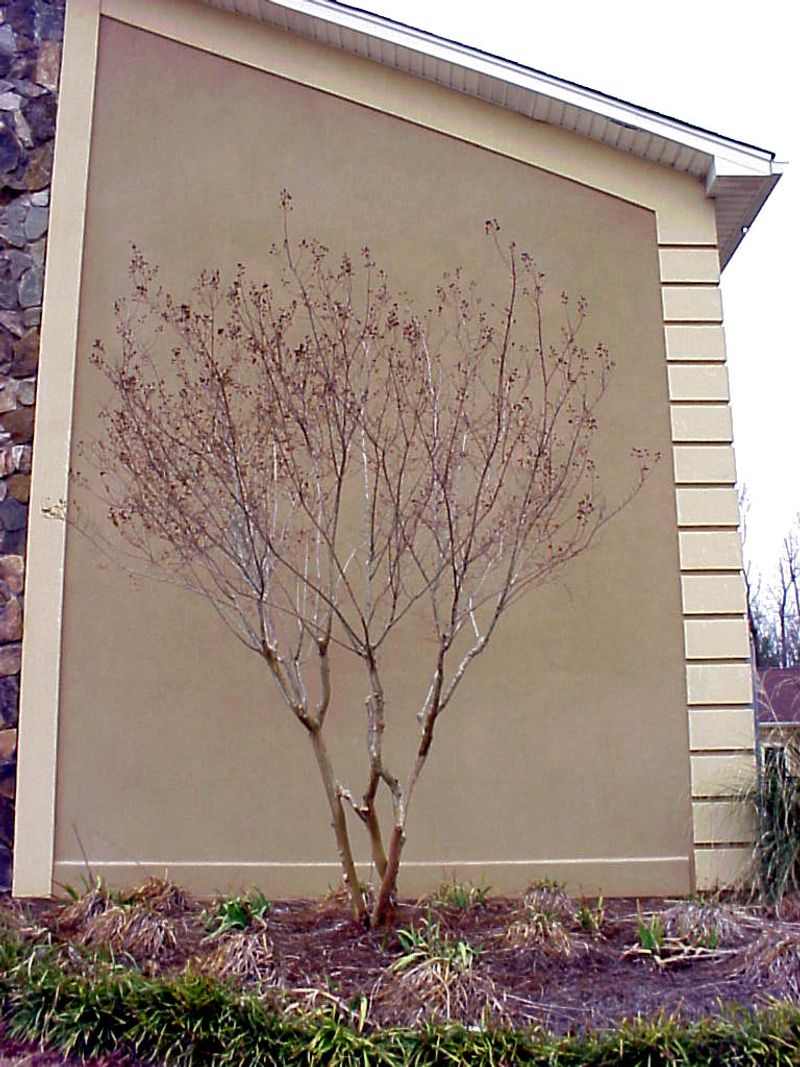
Crape myrtles can reproduce from seed, and NC State Extension’s plant profile for Lagerstroemia indica lists seed propagation as a standard reproductive method for the species. An Extension response also documents a real-world case where crape myrtle seedlings appeared repeatedly in a flower bed near a mature tree, so the concern is not invented.
What is overstated is the certainty: not every pod produces a seedling, not every seed lands where it can germinate, and not every North Carolina yard will develop a spring seedling problem.
Leaving the pods on the tree through fall and into winter does not set off an automatic infestation. Wind, rain, and birds remove capsules on their own, and soil conditions, mulch coverage, and mowing habits all influence whether a fallen seed ever becomes a plant.
UF/IFAS guidance on crapemyrtle pruning describes dormant-season pod removal as an aesthetic choice, not a plant-health requirement, and makes clear that capsules left in place do not reduce flowering the following season.
No authoritative source reviewed for this article establishes a North Carolina requirement to remove pods before winter or before the first freeze. That framing adds urgency that the evidence does not support.
The practical question is simpler: do volunteers keep showing up in beds or paths near your tree? If yes, targeted cleanup during the dormant season is a reasonable step.
If the pods have never caused a recurring seedling problem in your yard, removing them is optional and largely cosmetic.
The capsules contain seeds that may start new plants
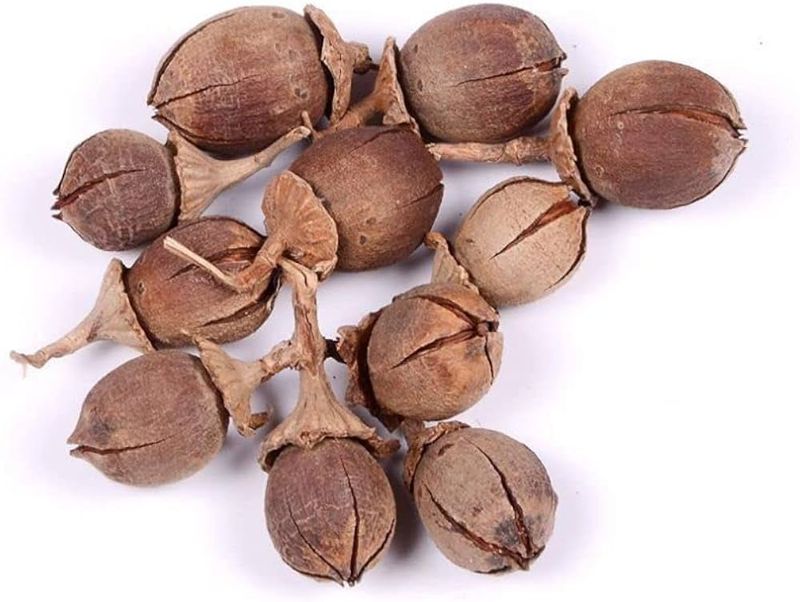
After a crape myrtle finishes blooming, each spent flower cluster develops into a cluster of small, round capsules. University of Maryland Extension notes that these capsules can persist through winter and contain winged seeds capable of dispersing when conditions allow.
The winged structure helps seeds travel short distances from the parent tree, which is why volunteers sometimes appear in nearby beds, cracks in pavement edges, or patches of bare soil.
The path from capsule to established volunteer is not guaranteed. A seed has to land somewhere with adequate moisture and exposed soil, survive the winter, and then germinate and grow past the seedling stage without being mowed, mulched over, or pulled.
UF/IFAS propagation guidance confirms that Lagerstroemia germinates from fresh seed, but germination rates and seedling survival depend heavily on site conditions. A yard with thick mulch, dense turf, or regular mowing is far less likely to host volunteers than one with open, disturbed, or bare soil near the tree.
One more detail matters if you spot a volunteer and consider keeping it: crape myrtles are commonly sold as named cultivars or hybrids, and a seed-grown plant will not reliably reproduce the parent’s flower color, mature size, or form. A volunteer might bloom pink when the parent is red, or grow much larger than the space allows.
Treating a volunteer as a free duplicate of your existing tree is a reasonable hope but not a reliable outcome, so evaluate any seedling you plan to keep on its own terms rather than assuming it will match what you already have.
Decide whether cleanup solves a real yard problem
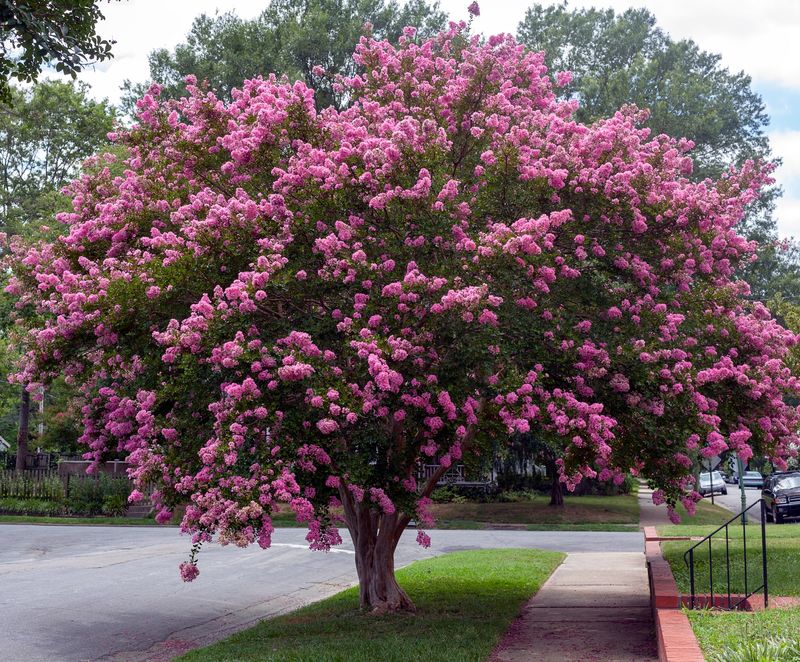
Pod removal makes the most sense when it addresses something concrete in your yard. The clearest case is a tree positioned over exposed soil, an unmulched garden bed, a gravel path, or a lawn patch where seedlings have shown up repeatedly in past springs.
In those spots, reducing the number of seeds available to fall and land gives you fewer potential volunteers to pull later. That is a practical tradeoff worth making if the weeding is already a seasonal chore you dread.
For trees over established turf, heavily mulched beds, or hardscape, the seedling risk is lower because seeds have fewer places to take hold. UF/IFAS confirms that pod removal is not necessary for plant health and does not affect next year’s flowering, so the decision comes down to appearance and seedling management rather than any horticultural requirement.
If the capsule clusters look tidy enough to you through winter, there is no penalty for leaving them.
Nature also handles some of the work without your help. University of Maryland Extension notes that capsules can remain on the plant until spring growth begins, but wind, rain, and bird activity dislodge many of them before then.
A reasonable approach for most homeowners is to target only the pods that hang over the most seedling-prone spots in the yard and leave the rest. Cleanup does not have to be all-or-nothing to be useful.
Remove seedheads with small, limited cuts
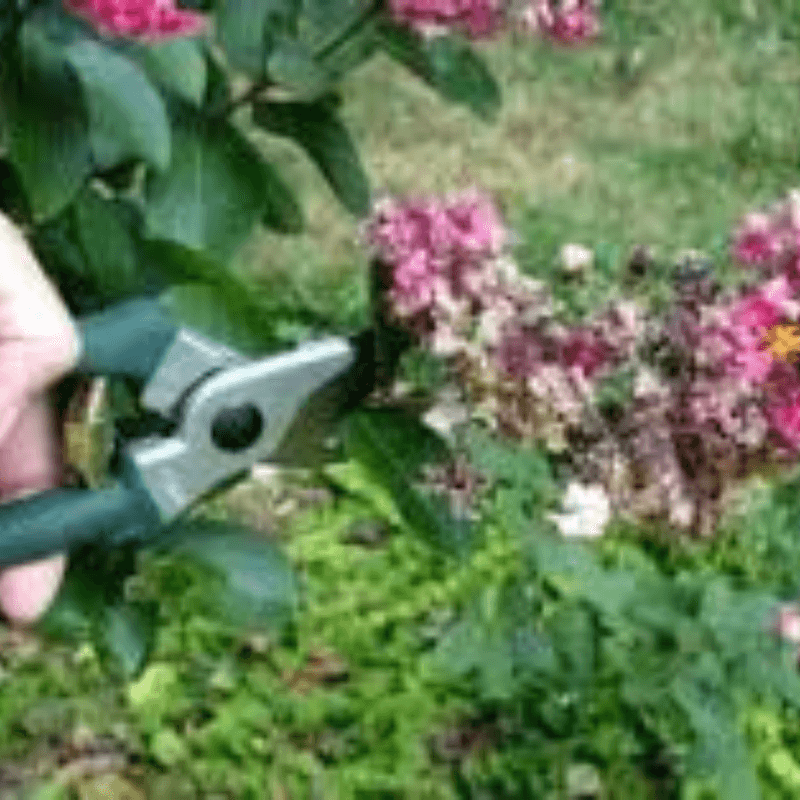
When you decide cleanup is worth doing, the method matters as much as the timing. Pender County Cooperative Extension advises homeowners to remove seed pods and trim branch ends that are smaller than pencil thickness, keeping cuts limited to the slender current-season growth where the capsule clusters form.
That guidance keeps the work focused and prevents the cleanup session from turning into an unplanned structural prune.
Henderson County Cooperative Extension recommends removing old flower heads and seedpods during the dormant season for trees that already have the right size and shape, describing this as the extent of pruning needed for a well-maintained crape myrtle. The key phrase is “already have the right size and shape” – pod removal is a finishing step, not an opportunity to change the tree’s form.
Use bypass pruners rather than loppers or a saw; if the branch you need to cut requires a lopper, you have moved past pod removal and into structural pruning.
Placement of each cut also matters. University of Georgia Extension recommends cutting just above a leaf joint or lateral bud when removing seedheads, which encourages a clean healing response and keeps the branch tip tidy.
On dormant wood where leaves have dropped, look for the slight swelling or node that marks where a leaf was attached during the growing season. A cut made just above that point leaves the branch end in good condition for spring growth without leaving a long stub that can die back and create an entry point for disease.
Use the dormant season instead of chasing the first freeze
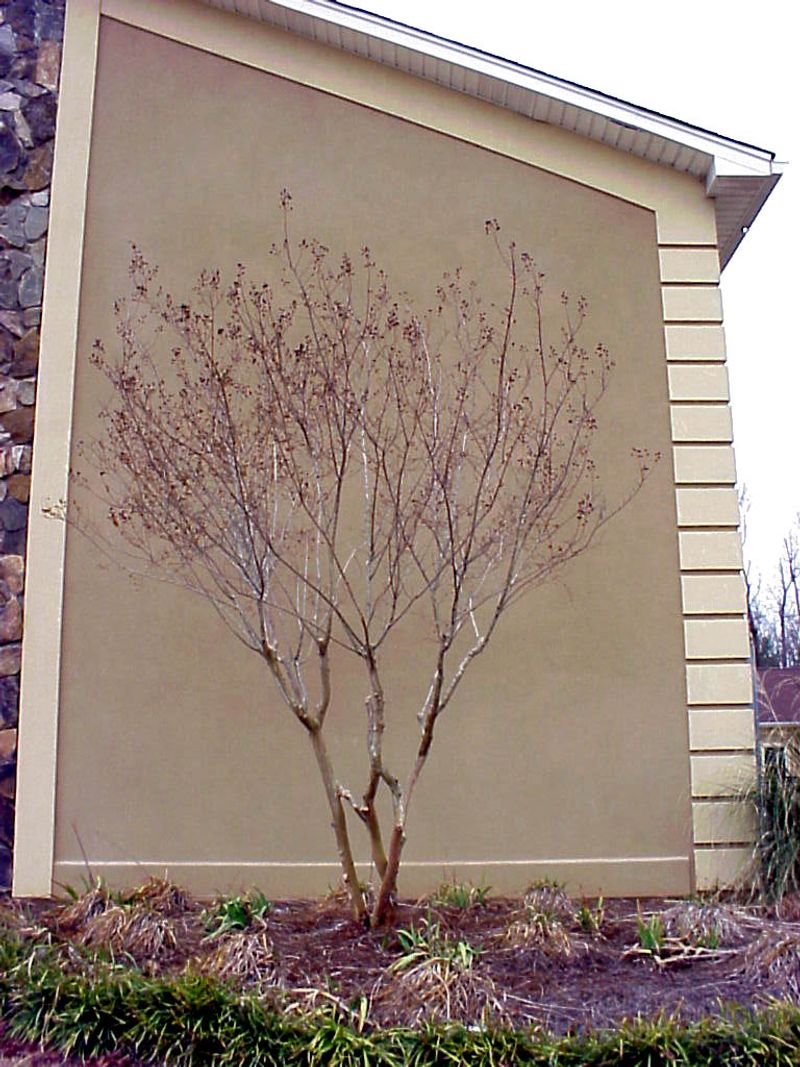
Gardeners who missed the fall window can stop worrying. Pod cleanup fits naturally into the dormant season, which for most of North Carolina runs from late fall through late winter, and there is no documented evidence that waiting until January or February produces worse results than acting in November.
Henderson County Cooperative Extension specifically recommends winter pruning for this limited cleanup task, placing the work squarely in the dormant period rather than before any seasonal deadline.
Timing aligns well with how crape myrtles grow. The NC State Extension Gardener Handbook lists crape myrtle among summer-flowering shrubs to prune in late winter or early spring, before new growth begins.
Because the tree blooms on current-season growth, a careful late-winter cleanup removes the pods and fine tips without interfering with the flower buds that will develop once temperatures rise. The window is forgiving and spans several months rather than a single pre-freeze date.
UF/IFAS confirms that pods left through winter do not harm the tree or reduce flowering. If you left the capsules through October and November, you can still make a targeted dormant-season decision in December, January, or February with the same practical outcome.
The only real constraint is to finish before the tree breaks dormancy and new growth begins, because that is when you risk removing developing shoot tissue along with the spent pods.
Do not top a tree to remove its pods
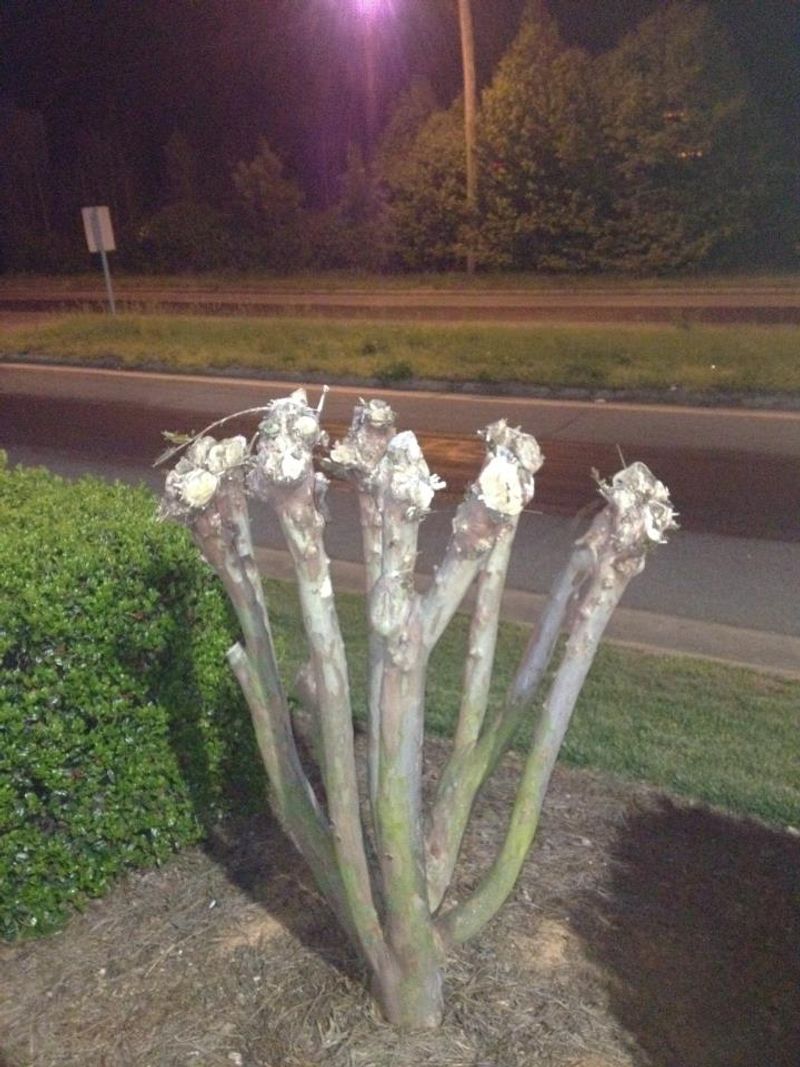
One shortcut that causes lasting damage is cutting back major limbs or topping the tree to eliminate the pods in a single pass. NC State Extension’s general pruning guidance warns that topping damages a tree’s natural structure and can produce weakly attached vigorous shoots that require more maintenance than the original growth they replaced.
Those fast-growing water sprouts also produce more flowering tips the following season, which means more pods the next fall, not fewer. Topping to control pods is a strategy that works against itself.
UF/IFAS notes that severe pruning can also increase basal and root sprouting, adding a new category of unwanted growth at the base of the tree that pod removal alone would never have caused. A crape myrtle that has been topped repeatedly develops the knobby, disfigured branch ends that many North Carolina gardeners recognize as “crape murder,” a term used by horticulturalists to describe the unnecessary and damaging practice of severe annual cutbacks.
When the pods you want to remove are clustered at the very top of a tall tree or on branches that require a ladder and a saw to reach, the right answer is to leave them. The seedling risk from high capsules is modest because seeds that fall from a tall canopy scatter widely and land on a variety of surfaces, many of which are not hospitable to germination.
If the appearance of upper pods genuinely bothers you, consult a certified arborist rather than attempting cuts that require structural removal. Protecting the tree’s form is a better long-term investment than a perfectly bare winter canopy.
Separate seedlings from root and basal suckers
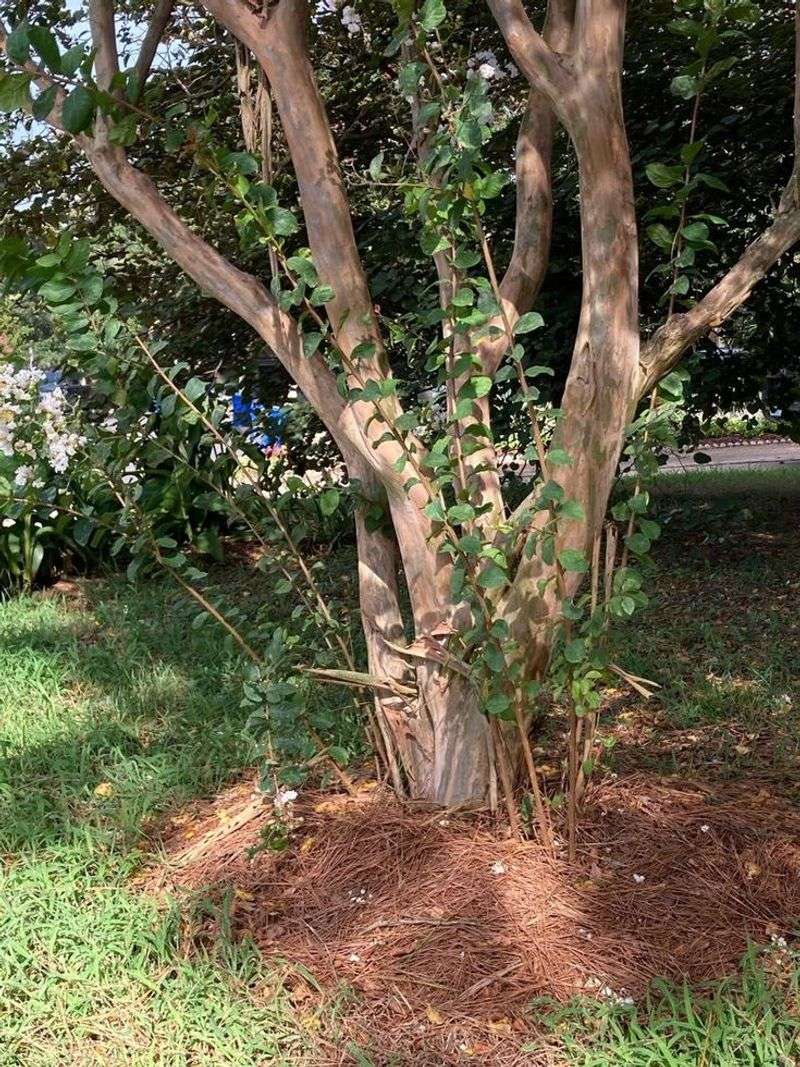
Not every unwanted shoot near a crape myrtle started from a seed. A plant that emerges a foot or two from the trunk, rooted in open soil with no obvious connection to the established tree, is the most likely candidate for a seed-origin volunteer.
A shoot that emerges from the soil directly at the base of the trunk, or from a visible surface root, is almost certainly a basal or root sprout that originates from the tree itself rather than from a fallen seed.
UF/IFAS explains that severe pruning can stimulate basal and root sprouts, which means a tree that has been topped or heavily cut back in past years may be producing most of its unwanted new growth from its own root system rather than from germinating seeds. Removing the pods in that case will not reduce the sprouts, because the two problems have entirely different origins.
Root and basal sprouts are best removed by cutting or pulling them as close to their point of origin as possible, repeatedly if necessary, rather than by adjusting what happens at the branch tips.
Extension documentation of crape myrtle seedlings appearing in a nearby flower bed confirms that seed-origin volunteers do occur, but diagnosing the source of a specific shoot from a description alone is not always possible. When in doubt, trace the shoot carefully to its base before deciding how to handle it.
A seedling can usually be pulled with its root system intact because it is shallow-rooted and not connected to the main tree. A root sprout, by contrast, will be attached to a larger root and will regrow from that root if only the top growth is removed.
Leave some seeds when winter birds use them
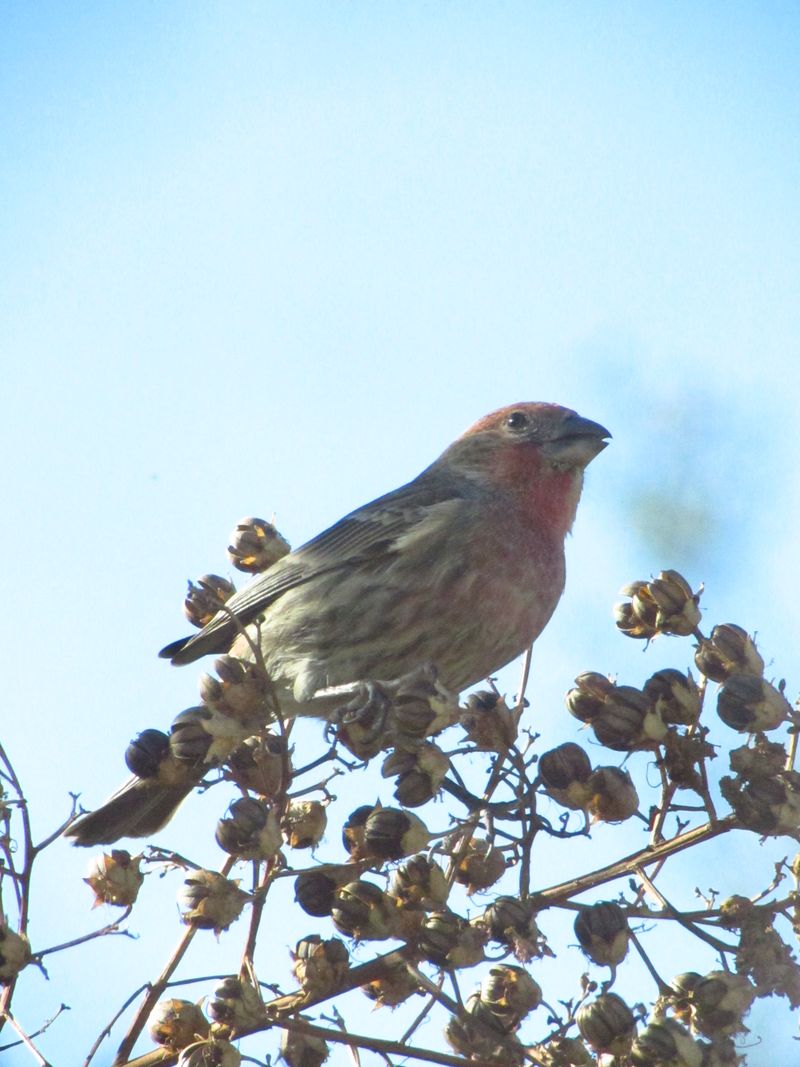
Before clearing every pod off the tree, consider who else might be using them. Research published through the Smithsonian Institution documented cardinals, juncos, finches, and sparrows extracting crape myrtle seeds during winter at a specific study site, with seed availability declining sharply in January and little remaining by late February.
That pattern reflects what happened at one location and should not be applied as a statewide North Carolina rule, but it does confirm that the capsules provide documented food value for common winter birds at some sites.
Whether local birds in your yard actually use the pods depends on what else is available nearby, which bird species visit your property, and how the crape myrtle fits into your overall planting. A yard with diverse native plantings that already provide winter seeds and berries may see birds pay less attention to the crape myrtle pods.
A yard with fewer winter food sources may see heavier use. Observing your own yard through November and December is more informative than any general recommendation about whether to leave pods for birds.
A practical middle ground works for most situations: remove pods over the beds, lawns, or paths where volunteers have been a recurring problem, and leave capsules on branches that overhang areas where birds are already active. Smithsonian reporting on crape myrtle as a winter food resource frames the plant’s value honestly – it is nonnative and should not be treated as a substitute for regionally native species that provide richer, more reliable wildlife support.
But leaving a portion of the pods through midwinter is a reasonable, evidence-informed choice for gardeners who see regular bird activity near the tree.
Choose targeted cleanup over an invented winter chore
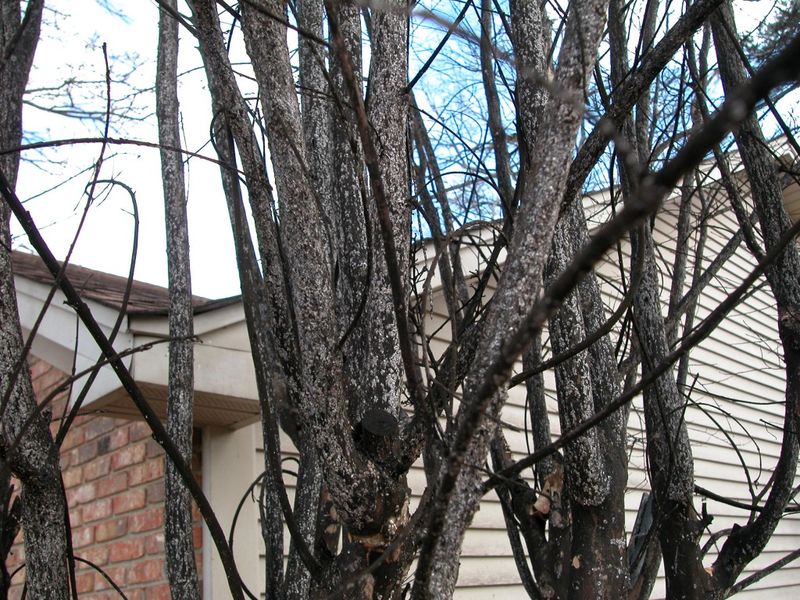
Pod removal works best as a targeted response to a real yard problem, not as an annual ritual triggered by a calendar date. UF/IFAS is clear that a healthy crape myrtle can carry its capsules through winter without any reduction in the following season’s bloom, so the tree itself does not need you to act.
If volunteers have been a recurring nuisance over exposed soil or in a bed you care about, use the small-cut method recommended by Pender County Extension during the dormant season and focus only on the slender tips where the pods actually sit.
Where birds visit the tree regularly through winter, consider leaving some capsules in place until late February, when the documented study found seed availability had largely run out on its own. At that point, any remaining pods can be removed before spring growth begins, or simply left to fall naturally.
The crape myrtle does not require a perfectly bare canopy to thrive, and your yard does not require a strict fall deadline to stay manageable. A selective eye and a pair of bypass pruners during dormancy is all the tool this task ever needed.