
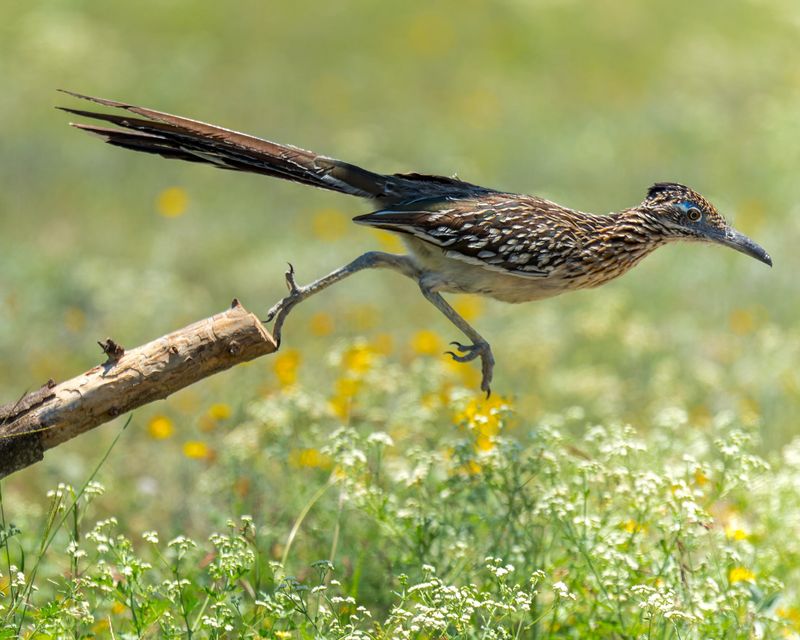
Spotting a Greater Roadrunner darting through your Central Texas yard is one of those moments that makes you stop and stare. These birds are far more than a regional mascot – they are active, wide-ranging predators that consume enormous quantities of insects and other invertebrates as they move through the landscape.
Understanding what roadrunners actually eat, how they use the land, and what realistic habitat support looks like can help any Texas gardener make smarter choices for their outdoor space.
What Greater Roadrunners actually eat
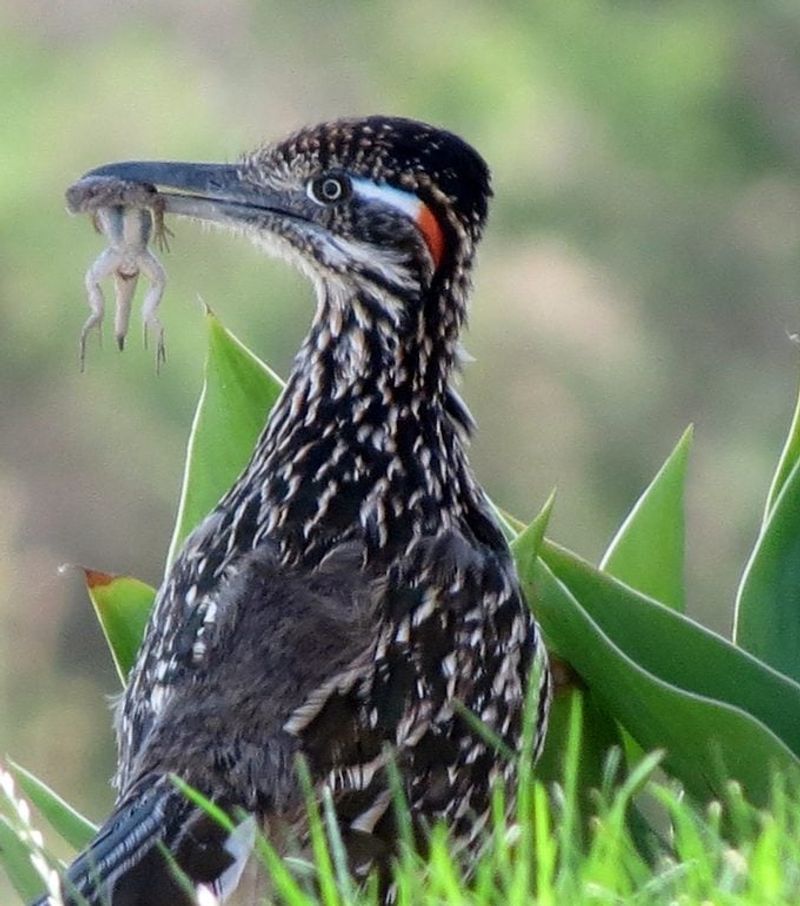
Greater Roadrunners are built for the hunt, and their menu is far broader than most people expect. Cornell Lab of Ornithology’s life history account lists their prey as insects, centipedes, scorpions, small mammals, reptiles, frogs, toads, other birds, eggs, and carrion, with seasonal additions of fruit, seeds, and other plant material.
That range tells you something important right away: a roadrunner moving through your yard is not reading your pest list before it starts foraging.
Insects and other invertebrates make up the bulk of what these birds eat across most of Texas. Texas Parks and Wildlife research on summer diets in South Texas found grasshoppers appearing in essentially every stomach sample collected during the summer study period.
Other commonly detected prey included leaf-footed bugs, darkling beetles, dung beetles, jumping spiders, and terrestrial snails – a mix that overlaps meaningfully with the invertebrates that show up in Central Texas gardens.
Reptiles appeared in roughly one-third of the stomach samples from that study, which lines up with the roadrunner’s reputation as a snake and lizard hunter. Vertebrate consumption, though, appears to track local prey availability and shifts with weather conditions rather than reflecting a fixed preference.
The bird is an opportunist, not a specialist.
Gardeners sometimes assume a roadrunner will zero in on their worst pest species and leave everything else alone. That is not how generalist predators work.
A roadrunner moving through a yard may eat a hornworm, a grasshopper, and a garden spider in the same pass – it is following available prey, not a gardener’s wish list. Recognizing that range honestly is the starting point for using this bird’s presence wisely.
What the Texas diet studies do—and do not—show
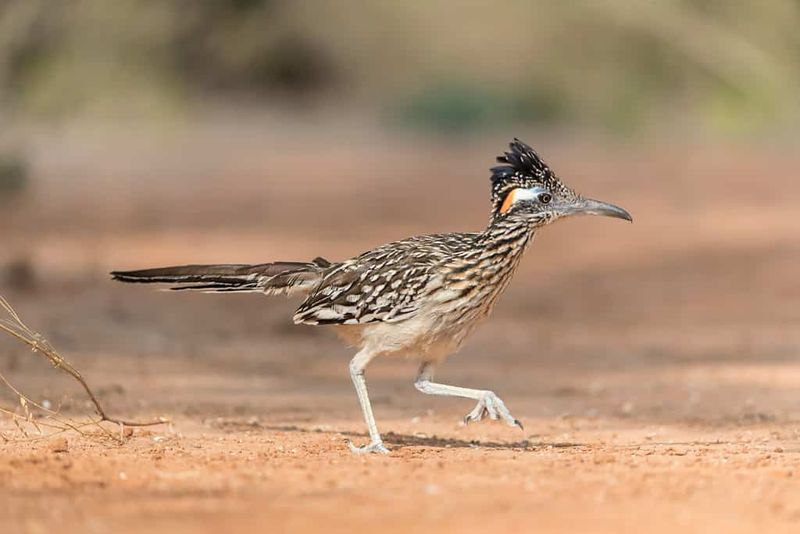
A peer-reviewed study published in the Southwestern Naturalist examined the diets of 144 Greater Roadrunners collected at a South Texas mesquite-thornscrub site. That diet variation study found that 95.9 percent of 6,834 identifiable food items were invertebrates, with grasshoppers and beetles dominating the samples.
The researchers estimated that an average bird at that site consumed at least 34,639 prey items per year.
Those numbers are striking, but they need careful framing before a gardener draws any conclusions. The 34,639 figure is a site-specific minimum estimate from a wildlife-management area in South Texas – not a count of garden pests removed from a residential yard, not a daily tally, and not a figure that transfers automatically to a Central Texas backyard.
The study counted all prey types, and many items were not identified to species. Some prey in the samples would not qualify as pests from any gardener’s perspective.
Grasshoppers and beetles are legitimate garden concerns across Central Texas, and their prominence in the study does suggest that a foraging roadrunner may eat arthropods that also damage plants. That overlap is worth noting.
What the research does not show is that a roadrunner visiting a residential property will remove a predictable number of pests, reduce plant damage to a measurable degree, or return on any consistent schedule.
The South Texas research was conducted at a wildlife-management site, not in home gardens, and the authors described roadrunners as opportunistic foragers whose diets shift with prey availability and seasonal weather. Treating the study’s consumption estimate as a performance guarantee for backyard pest control would stretch the findings well past what the researchers concluded.
The honest takeaway is that roadrunners eat a lot of invertebrates, some of which also occur in Texas gardens – and that is a genuinely useful fact, as long as it stays proportionate.
Why a yard may be only one stop on the route
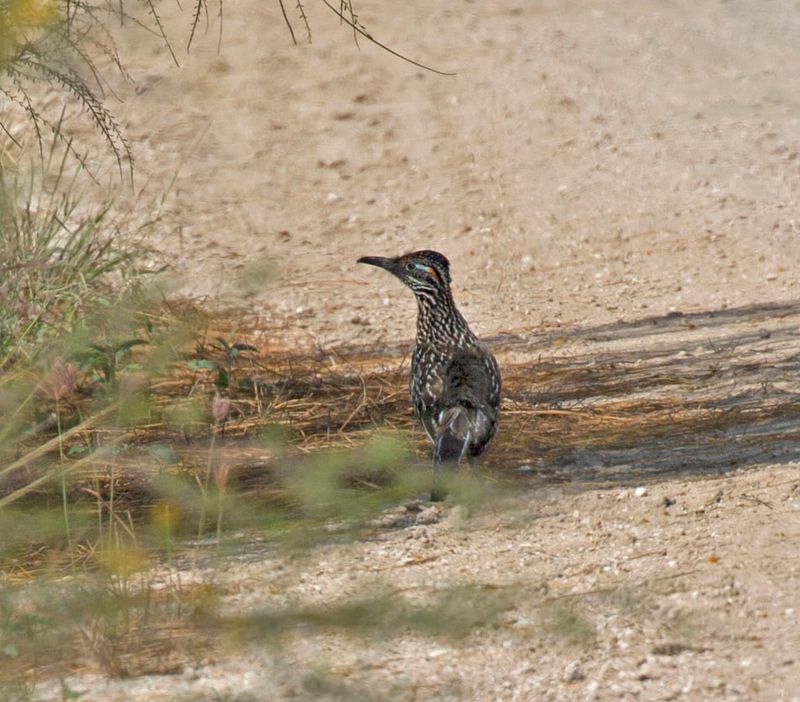
One of the most common misconceptions about roadrunners and pest control is the idea that a bird seen in the yard has claimed it as territory and will return on a reliable schedule. Radio-telemetry research in north-central Texas tells a different story.
The USGS home range study found median home ranges of roughly 198 to 222 acres depending on sex – areas far larger than any residential lot and most neighborhood blocks combined.
Those home ranges were associated with mesquite woodland, mesquite savanna, and riparian woodland. The birds in the study actively avoided grass-forb habitat, which suggests that open lawn-dominated yards offer less appeal than properties with shrubby native structure.
A Central Texas yard that sits within a roadrunner’s broader movement area may receive a visit when the bird’s foraging route brings it through – but the yard itself is just one patch in a much larger landscape the bird is navigating.
Diet composition also changes with the season and with what prey happens to be available. The South Texas research documented that vertebrate consumption went up when invertebrate prey was harder to find, particularly during cold or dry periods when insect activity drops.
That kind of flexibility means a roadrunner’s behavior in any given yard on any given day depends on conditions across its entire home range, not just on what is happening in one garden.
A sighting is genuinely good news – it suggests the landscape offers accessible prey, movement corridors, or cover the bird finds useful. Treating it as a promise of daily visits or reliable pest removal, though, sets expectations the bird cannot meet.
Roadrunners move through large areas on their own schedule, and a gardener’s best response is to make the yard a place worth including in that route rather than expecting the bird to stay.
Create habitat instead of baiting a wild predator
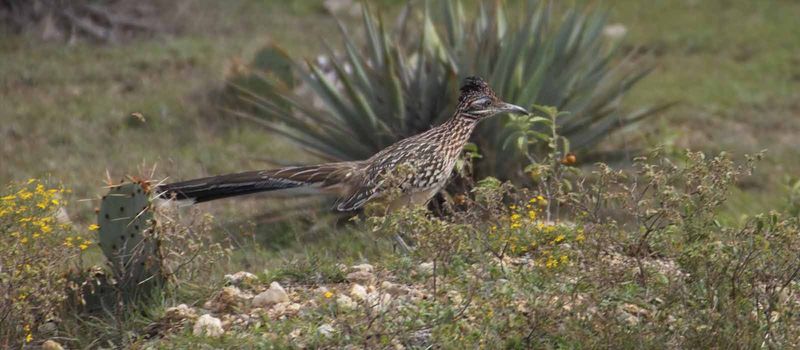
Supporting a roadrunner’s occasional visit starts with making the yard function as genuine wildlife habitat rather than trying to lure a wild predator with food. Texas Parks and Wildlife Wildscapes design guidance recommends native vegetation, layered plantings, shelter, food sources from plants and natural prey webs, and water as the foundation of any wildlife-friendly yard.
Those elements work together to support a functioning habitat rather than a single target species.
For a ground-foraging bird that runs rather than hops, the physical structure of the yard matters as much as the plant list. The north-central Texas telemetry research found roadrunners preferring shrubby mesquite and riparian woodland over open grass-forb areas, which points toward retaining some native shrub cover for roosting, nesting, and movement.
At the same time, a ground hunter needs accessible open space to run and forage, so a mix of shrubby edges and open ground serves better than a yard that is either entirely mowed or entirely dense with vegetation.
Native plants earn their place here because they support the insect communities that roadrunners and other wildlife depend on. Shrubs such as Texas sage, agarita, and native yaupon, combined with groundcovers and bunch grasses, create the layered structure that supports a food web from the ground up.
Additional TPWD wildscapes tips suggest leaving some natural debris and brush rather than cleaning every corner of the yard, which preserves invertebrate habitat that feeds the food chain.
Water is worth adding for general wildlife support, though Cornell’s birdbath guidance frames water features as broad bird-attraction tools rather than proven roadrunner magnets specifically. A shallow ground-level water source benefits many species.
What gardeners should avoid entirely is adding rodents, meat scraps, live prey, or other animal food to attract the bird. Artificial provisioning can draw unwanted wildlife, disrupt natural predator-prey relationships, and ultimately does not serve the roadrunner or the yard.
Use the roadrunner as one part of pest management
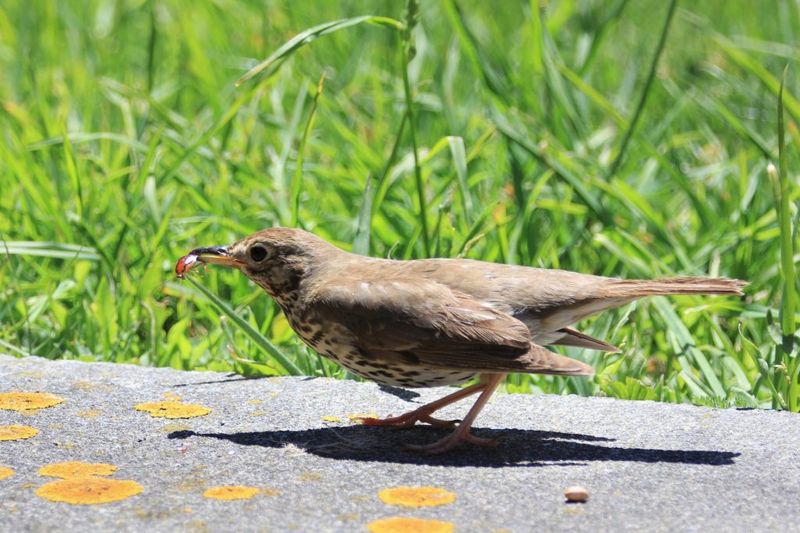
A roadrunner moving through a yard may consume grasshoppers, beetles, and other arthropods that also damage garden plants. That is a real and useful overlap.
Where gardeners can run into trouble is treating that possibility as a substitute for actually managing pests. A U.S.
Forest Service study on crop-specific effectiveness of birds as pest-control agents found that bird access reduced pest pressure on some brassica and cucurbit crops, but the effect varied by crop type and birds sometimes consumed beneficial predatory insects as well. Variable results are the norm, not the exception.
The practical implication is that a visiting roadrunner belongs in the same category as other natural predators: a welcome part of a balanced yard, not the whole strategy. Texas A&M AgriLife Extension’s pest management guidance recommends identifying the pest accurately, recognizing actual plant injury, monitoring conditions over time, and using pesticides only when necessary and strictly according to the label.
That sequence applies whether or not a roadrunner has been seen nearby.
The Texas A&M vegetable gardening guide reinforces cultural controls – crop rotation, row covers, hand-picking, and resistant varieties – as the first line of defense before any chemical treatment. These approaches work alongside natural predator activity rather than replacing it or undermining it.
Pesticide choices deserve extra attention in yards where wildlife is active. Broad-spectrum insecticides applied carelessly can eliminate the prey base a roadrunner depends on, and residues can move up the food chain.
USDA guidance on attracting wildlife for pest control describes native predators as one component of a multifaceted management strategy rather than a standalone solution. Keeping that perspective helps gardeners make better decisions when plant damage continues despite a roadrunner’s occasional presence in the area.
Accept the wildlife trade-offs
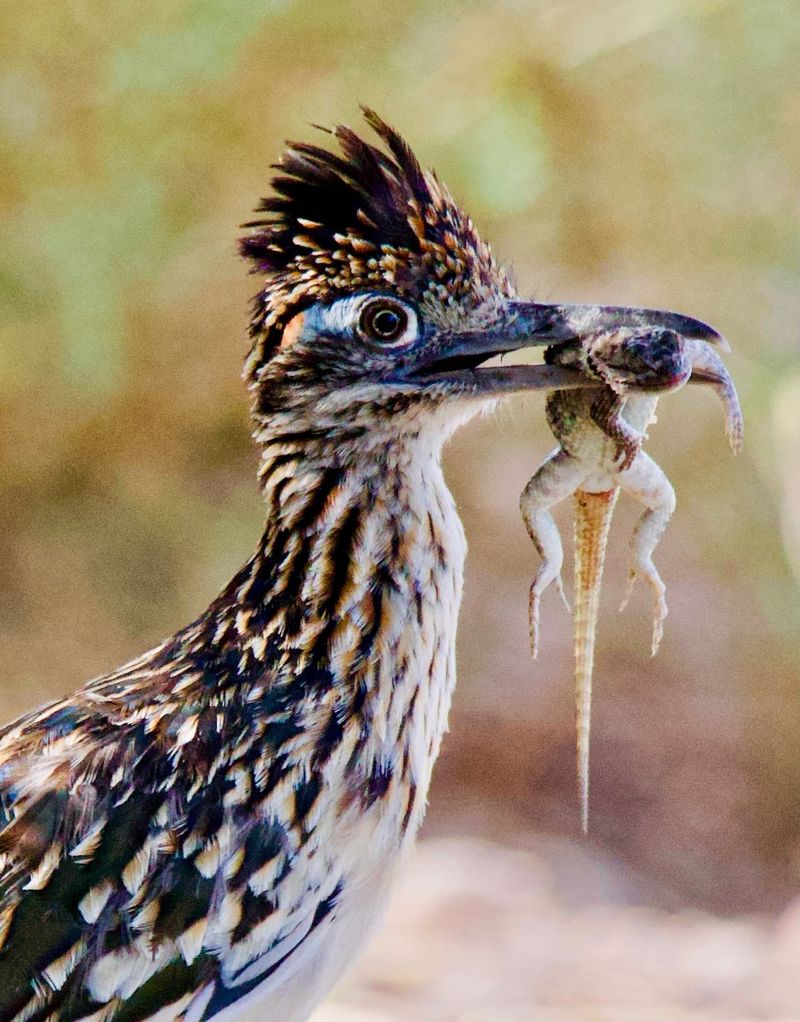
Roadrunners are predators, and predators do not sort their prey by a homeowner’s preference. Cornell’s life history account specifically notes that roadrunners can take birds from feeders or nest boxes – a detail that surprises people who picture the bird only as a snake-chaser.
Lizards, frogs, nestlings, eggs, and feeder birds are all documented prey, which means welcoming a roadrunner means accepting that it will behave like the generalist predator it actually is.
The Texas horned lizard question comes up often in this context, and it deserves careful handling. Texas Parks and Wildlife research identified horned lizards among roadrunner prey and raised concern that predation could matter in areas with high roadrunner density and low to moderate horned-lizard density.
That is a specific, conditional finding, not a blanket indictment of the species.
The picture shifted somewhat in the peer-reviewed analysis. The Southwestern Naturalist diet study found no evidence that roadrunners were negatively affecting threatened-reptile populations at its study site.
These two findings are not necessarily contradictory: whether roadrunner predation matters to local lizard populations depends on prey abundance, habitat quality, and the relative densities of both species in a given area. Neither study delivers a verdict that applies everywhere in Texas.
A wildlife-friendly yard should be built on honest expectations. Some of the animals a roadrunner eats are ones gardeners actively want to protect – native lizards, beneficial spiders, the occasional songbird visiting a feeder.
Accepting those trade-offs is part of supporting a wild predator rather than a managed pest-control service. The bird operates within its own ecological role, and gardeners who understand that role will find more satisfaction in a sighting than those expecting a targeted, selective assistant.
Welcome the visitor without expecting a service
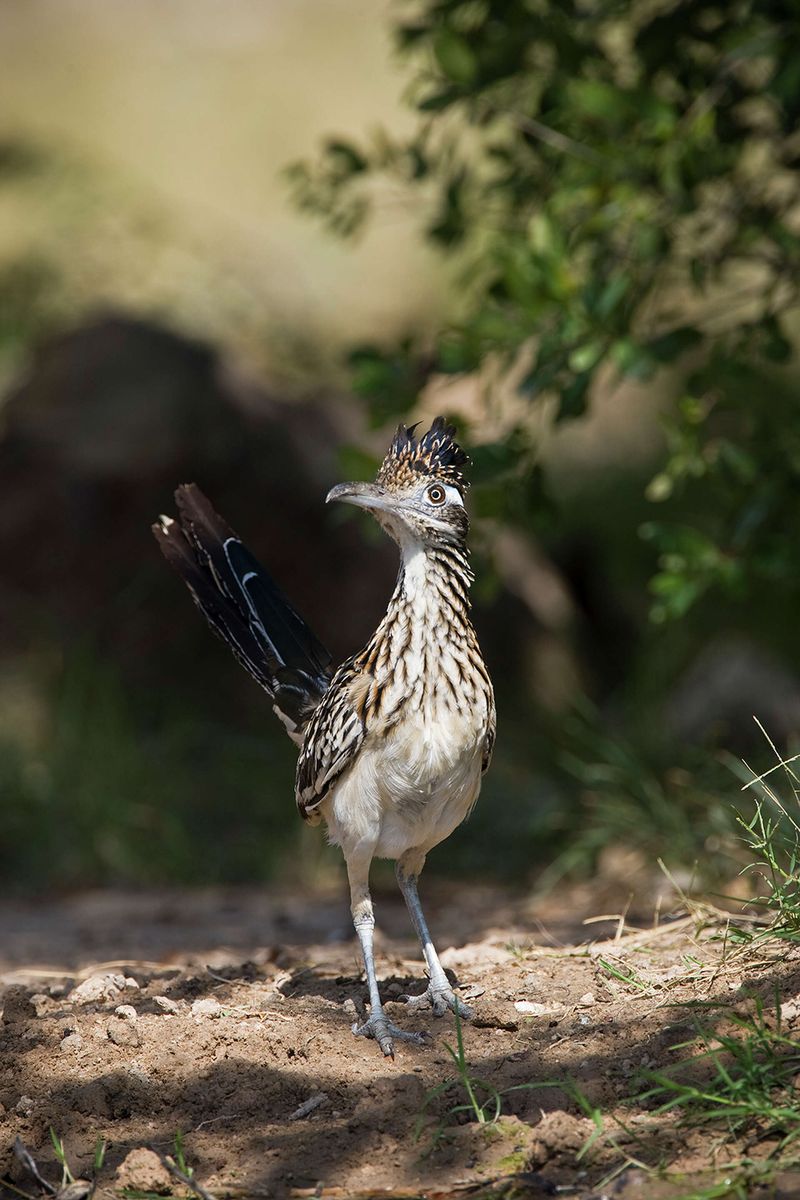
The most practical thing a Central Texas gardener can do after a roadrunner sighting is resist the urge to treat it as a permanent hire. Preserve a mix of native shrub cover and open foraging ground, skip any attempt to feed the bird directly, and keep monitoring your plants for actual damage rather than assuming the predator has the situation handled.
TPWD Wildscapes guidance gives you a solid framework for building habitat that supports a functioning food web, which benefits far more than one species.
When pest pressure continues despite good habitat and occasional wildlife activity, follow through with the monitoring and management steps outlined by Texas A&M AgriLife’s vegetable gardening guidance – identify the problem accurately, assess real plant injury, and choose targeted treatments over broad-spectrum applications when intervention becomes necessary. A roadrunner moving through a larger landscape may well consume many arthropods along the way, including some that would otherwise reach your garden, but no research supports promising that outcome for any specific yard on any predictable schedule.
One more point worth stating plainly: roadrunners are protected under federal law. The Migratory Bird Treaty Act prohibits capturing or transporting protected migratory birds without proper authorization.
Beyond the legal obligation, interfering with or harassing a roadrunner is simply bad wildlife practice. A yard that earns a visit from one of these birds has something genuinely worth protecting – a living landscape that supports real predator-prey relationships, and that is a more durable reward than any single season of pest control.