
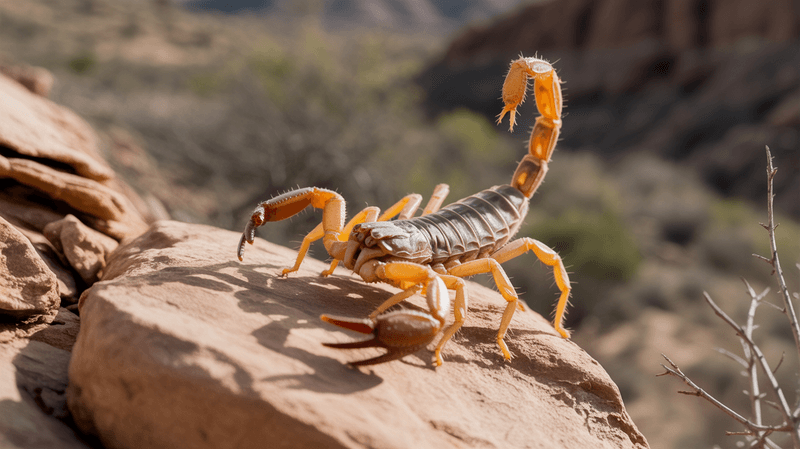
Scorpions turning up near your back door or tucked under a garden stone can catch any homeowner off guard, especially when it seems to happen more often than usual. Before assuming the worst, the good news is that a few targeted changes around your yard can make a real difference in how often you cross paths with one.
Understanding why encounters feel more frequent this summer, and what conditions around your home may be inviting them closer, is the first step toward keeping things calmer outside.
Why scorpions may seem more noticeable this year

A surge in scorpion sightings tends to set off alarm bells, but the available evidence does not confirm a documented, region-wide increase in scorpion abundance across Central Texas in 2026. No government agency or university program has published year-over-year scorpion counts showing that populations have actually grown.
What researchers and extension specialists do confirm is something narrower and more useful: warm nighttime temperatures bring scorpions out more often, and a yard or home with nearby shelter and accessible entry points can produce noticeably more encounters.
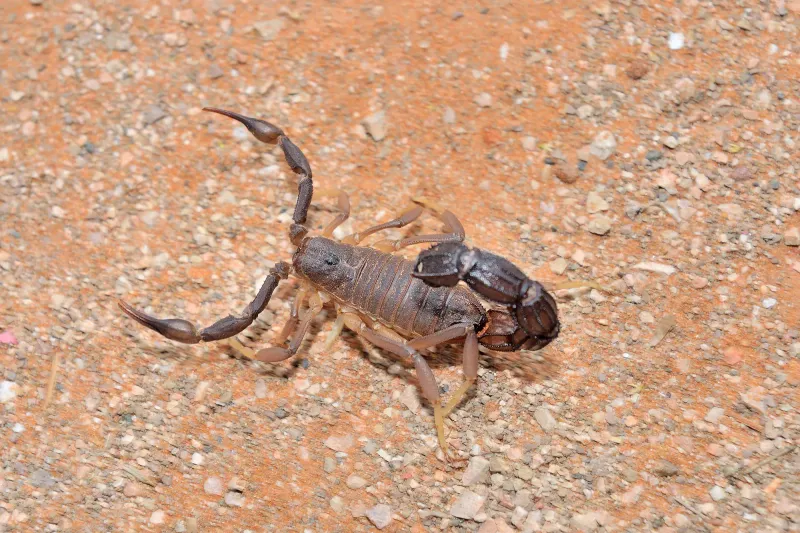
The striped bark scorpion, Centruroides vittatus, is the species most Central Texas homeowners are likely to meet. Texas A&M Extension entomology guidance identifies it as widespread throughout Texas, primarily nocturnal, associated with debris and human dwellings, and capable of moving into living areas during hot weather.
Texas has 18 scorpion species total, but two are the ones most commonly recorded near Austin.
Seasonal activity patterns back this up. A Texas field study published in the Journal of Arachnology found striped bark scorpions active during most months when nighttime temperatures exceeded roughly 68 degrees Fahrenheit, with very little movement in December and January.
Summer nights in Central Texas check that box reliably, and 2026 has not been short on heat. National Weather Service drought information for North and Central Texas reflects persistently above-normal temperatures and dry conditions this season, which can push scorpions to move more at night in search of prey and moisture.
The key distinction worth holding onto is this: more sightings do not automatically mean more scorpions. Increased time outdoors in the evening, a new habit of scanning with a black light, nearby construction, freshly delivered landscape materials, and simply paying closer attention can all raise the observation count without reflecting a population boom.
That reframe matters because it points toward practical solutions rather than panic.
Scorpions find shelter in the yard before they reach the house
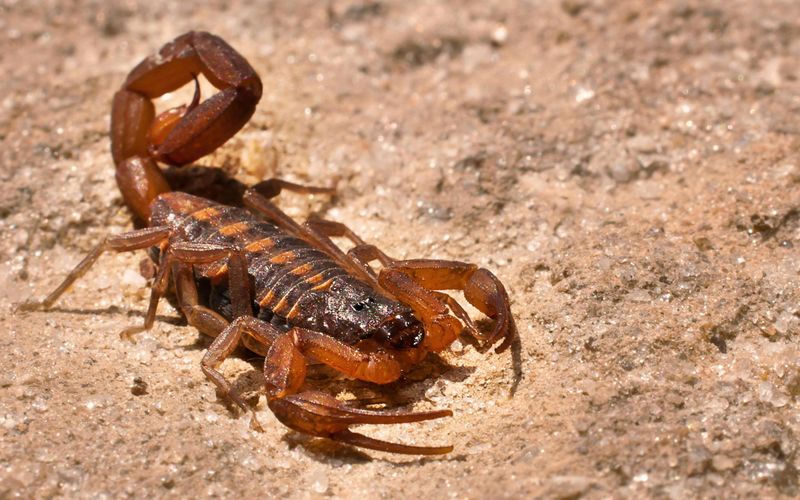
An indoor scorpion sighting almost always starts outside. Before one shows up on a bathroom floor or inside a shoe, it has likely been spending its days within a few feet of your house, tucked into a crevice or under something flat and undisturbed.
Recognizing that connection shifts the focus from the house itself to the yard just beyond the foundation.
Scorpions are shelter-seekers by nature. During daylight hours they hide under boards, fallen logs, rocks, piles of debris, dense vegetation, wall voids, and cracks in the foundation.
Texas A&M School IPM’s action plan for bark scorpions specifically lists these resting spots and notes that scorpions move at night, which is when they cover ground and sometimes find their way indoors. The path from a woodpile stacked against the wall to a gap under the back door is shorter than most homeowners realize.
A useful first step is a slow walk around the perimeter of your home during daylight, looking for anything flat, loose, or crevice-filled sitting close to the foundation. Old boards, forgotten landscaping supplies, stacked bricks, rotting wood, and dense low-growing plants all qualify.
Pay attention to where mulch or ground cover presses directly against the siding or foundation, and note any gaps or cracks in the concrete at ground level.
Objects that move between outdoors and indoors deserve special attention. Firewood carried inside, potted plants brought in from the patio, cardboard boxes stored in the garage, and bags of soil or mulch can all transport scorpions without anyone noticing.
Treating the yard as the first line of defense, rather than the house itself, keeps the response targeted and proportionate.
Manage mulch, beds, and stone borders near the foundation
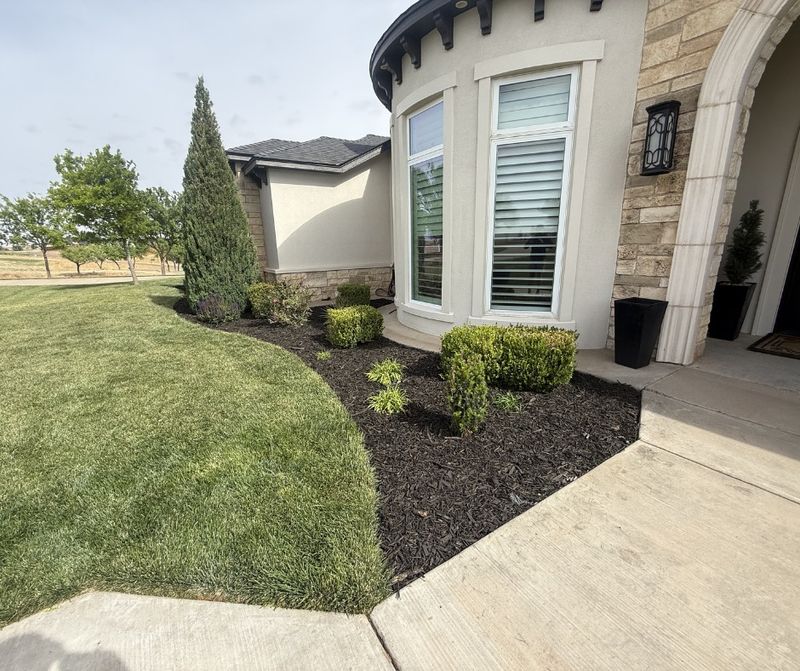
Mulch and decorative stone are not the enemy. Both serve real purposes in a Texas garden, conserving soil moisture during brutal summers, moderating soil temperature, slowing erosion, and reducing the need for frequent watering.
Texas Forest Service guidance on mulching recommends organic mulch specifically for its benefits to tree and plant health in the Texas climate. Pulling every rock or wood chip out of your yard would solve very little while creating new problems for your plants and soil.
The issue is not mulch or rock in general. Texas A&M AgriLife Extension’s scorpion fact sheet points to excessive mulch, loose stone, stacked masonry, and crevice-filled materials stored against or immediately beside the structure as potential harborage.
The concern is a continuous, dense, undisturbed band of cover running right up to the foundation wall, which creates exactly the kind of sheltered corridor a scorpion can travel through during the night.
Practical adjustments make a meaningful difference without gutting your landscape. Pull mulch back from the foundation so there is a visible gap between the bed and the wall.
Reduce the depth of loose mulch immediately beside the house, since a thick, moist layer close to the foundation offers more cover than a thinner application farther out. Rake and turn mulch periodically near the structure to reduce undisturbed resting spots.
Stone borders deserve similar attention when they sit right against the house. Loose, stacked, or irregularly shaped masonry with gaps and crevices near the foundation can provide shelter.
The Texas A&M School IPM action plan lists stones, bricks, loose stones, and deteriorating mortar as potential harborage spots. Decorative rock farther out in the yard, away from the structure, is a much lower concern than a loose rock border pressed against the siding.
Beyond mulch and stone, clear out anything stored against or near the house that has no good reason to be there: loose boards, leftover construction materials, old pots, bags of soil, or piles of debris. Keep grass mowed short close to the foundation, and prune low-growing shrubs so they do not create a dense, ground-level canopy right beside the wall.
The goal is a cleaner, more open transition zone between your garden beds and the building.
Reduce the openings scorpions can use to enter
Habitat work outside is only part of the picture. Even a well-managed yard will occasionally have a scorpion pass through, and a house with small gaps and loose screens gives that scorpion an easy path inside.
Shifting attention to the building itself, specifically the places where the outside world connects to the inside, rounds out a sensible prevention approach.
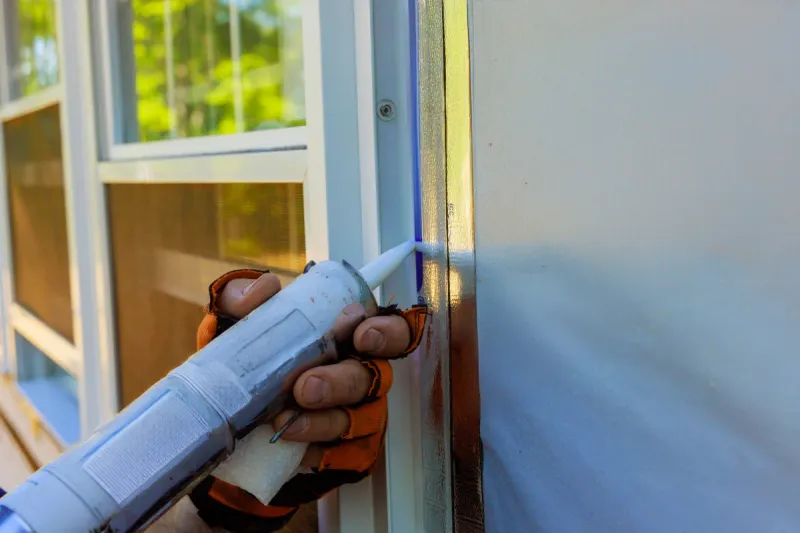
A methodical inspection of the exterior pays off here. Texas A&M AgriLife Extension recommends sealing or repairing gaps around doors, windows, pipes, roof eaves, flashing, and utility penetrations, while also maintaining tight-fitting screens and door sweeps.
Scorpions can squeeze through surprisingly small openings, so gaps that seem minor around plumbing lines or where wiring enters the wall are worth addressing with appropriate caulk or weatherstripping.
Brick-veneer construction, common across Central Texas, includes weep holes near the base of the wall that allow moisture to drain and air to circulate. Those openings can also allow scorpions to enter the wall cavity.
Pest-exclusion screening sized for these holes is available, but any screening must preserve the drainage and ventilation the holes were designed to provide. When in doubt about whether a modification is safe for your specific wall construction, a professional opinion is worth seeking before blocking anything.
Vegetation touching the building creates another route in. Shrubs and tree branches that contact the wall or overhang the roofline give scorpions a bridge from the landscape to the structure.
Pruning plants back so they clear the wall and roofline by a comfortable margin removes that pathway without harming the plants.
Taken together, these steps reduce the opportunities scorpions have to move from the yard into the living space. They do not guarantee a completely scorpion-free interior, but they meaningfully limit the most accessible routes a scorpion might use to get from your garden bed to your hallway.
Use simple precautions during nighttime work and before bed
Habitat management and exclusion handle the bigger picture, but a handful of daily habits protect you during the moments when encounters are actually most likely. Scorpions are most active after dark, which is exactly when many Central Texas homeowners are watering, gardening, or bringing in firewood.
Texas A&M AgriLife field safety guidelines specifically include shaking out clothing and bedding as a recommended precaution. Apply the same habit to shoes left near the back door or in the garage overnight.
A scorpion seeking warmth can settle into a shoe in a matter of hours, so a quick shake before putting it on takes almost no time and avoids an unpleasant surprise.
When moving debris, turning compost, shifting stored items in the garage, or relocating firewood, wear closed-toe shoes and gloves. CDC guidance for outdoor workers recommends these same protections and advises against handling scorpions directly.
Firewood deserves particular attention: inspect each piece before carrying it indoors, and store the woodpile away from the house rather than stacked against the wall.
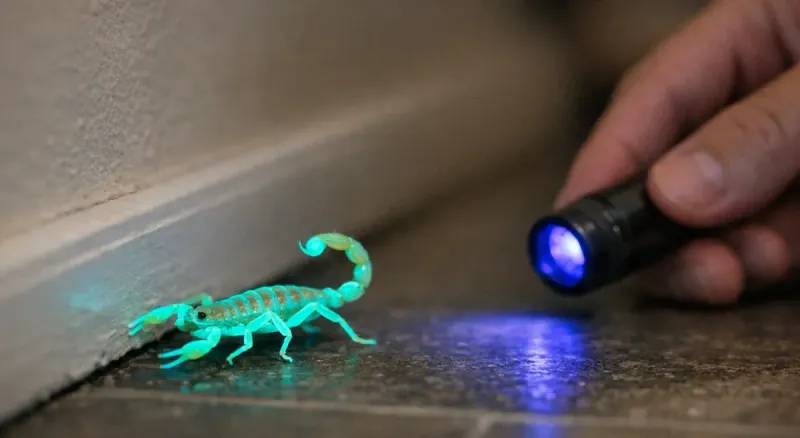
A black light, also called a UV flashlight, is a genuinely useful tool for nighttime yard checks because scorpions fluoresce under ultraviolet light and are easy to spot. Texas A&M School IPM guidance recommends this approach but pairs it with sensible safety: wear closed-toe shoes during any nighttime inspection, keep a safe distance from any scorpion you locate, and use long forceps or another tool rather than your hands if removal is necessary.
Never pick one up bare-handed, even a small one.
Skip the internet remedies involving jars under bed legs, specific powders, or prescribed clearances between beds and walls. None of those approaches appear in Texas university or government sources reviewed for this article, and relying on unverified methods can create a false sense of security.
Use pesticides only as a limited, label-directed step
Reaching for a spray bottle is often the first instinct when scorpions appear, but pesticides alone are a weak foundation for a control strategy. Texas A&M AgriLife Extension states plainly that scorpions can be difficult to control with insecticides alone, and that exclusion and habitat modification should lead the response.
Spraying without addressing the harborage and entry points that allow scorpions to be near the house in the first place tends to produce temporary results at best.
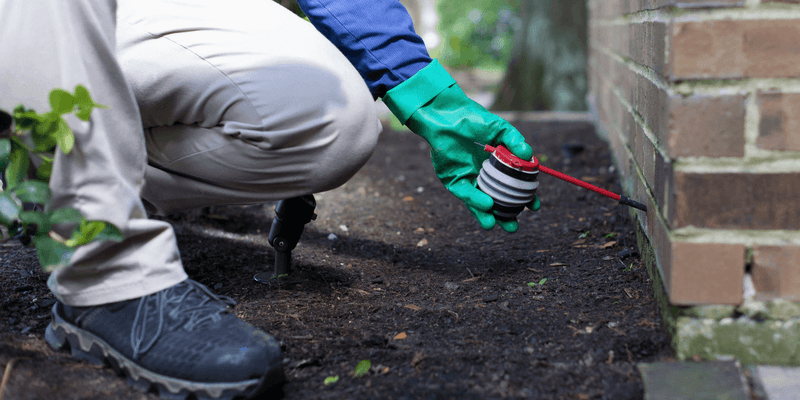
If a homeowner decides to use a pesticide product after completing habitat and exclusion work, a few rules apply without exception. The product must be registered with the EPA and specifically labeled for the intended pest and application site.
EPA pesticide safety guidance is clear that applying more product than directed, using it on an unlabeled site, or ignoring reentry intervals creates avoidable risks for people, pets, and the surrounding environment. The label is a legal document, not a suggestion.
Pay attention to reentry instructions, especially when children, pets, or outdoor toys are involved. Keep kids and animals away from treated areas until the label explicitly permits reentry.
Avoid broad applications across vegetable beds, lawns, or areas where children play regularly, and never apply a product in a way that is inconsistent with its label directions.
Repeated indoor sightings change the calculation. When scorpions are appearing inside on multiple occasions, showing up at several different entry points, or when the household includes young children, pets, or people with health concerns, a licensed pest management professional is worth calling.
Texas A&M School IPM recommends renewed inspection, targeted sealing, and professionally applied outdoor treatment when sightings persist indoors. A professional can also help confirm identification and assess whether the source of the problem is inside the structure or coming from the yard.
Know what to do after a sting

A scorpion sting deserves a calm, informed response rather than either dismissal or panic. Most stings from the striped bark scorpion, the species Central Texas homeowners are most likely to encounter, cause localized pain, burning, and swelling.
Poison Control’s guidance on scorpion stings notes that reactions vary based on the species involved, the amount of venom delivered, and the individual’s age and health.
After a sting, wash the site with soap and water and apply a cool compress for comfort. Call Poison Control at 1-800-222-1222 right away for guidance specific to your situation.
The specialists there can help you assess the severity, advise on next steps, and tell you when to go to an emergency room. Do not wait for symptoms to worsen before making that call.
Seek urgent medical care if any of the following develop: muscle twitching, unusual or uncontrolled eye movements, slurred speech, trouble swallowing, or difficulty breathing. CDC guidance flags these as signs that a sting may require more than basic first aid.
Young children warrant extra caution because their smaller body size means venom can have a more significant effect, and symptoms can progress more quickly than in adults.
Species identification matters, but never try to catch or handle a scorpion to identify it. A clear photograph taken from a safe distance is enough for a professional or Poison Control to work with.
Texas A&M Extension cautions against treating all Texas scorpion stings as identical, and specifically advises against importing Arizona bark scorpion danger claims to Central Texas without confirming which species is involved. Not every sting requires an emergency room visit, but none of them should be brushed off without at least a call to Poison Control.
Start with a cleaner house edge, not a total garden makeover
Getting ahead of scorpion encounters does not require tearing out your garden. The changes with the clearest payoff are all concentrated within a few feet of the house: remove loose boards, logs, debris, and stored materials from against the foundation; pull mulch back from the wall; reduce loose stone and crevice-filled masonry directly beside the structure; and clear out anything that creates a continuous, undisturbed cover zone where the yard meets the building.
From there, Texas A&M AgriLife Extension and Texas A&M School IPM both point toward inspection and sealing: fill gaps around doors, windows, pipes, and penetrations; add door sweeps and tight screens; and inspect items before bringing them inside. Shake out shoes and bedding, wear gloves when moving debris, and call Poison Control at 1-800-222-1222 if a sting occurs.
Bring in a professional if scorpions keep appearing indoors.
More sightings this summer do not prove that Central Texas scorpion populations have grown. Warm nights, seasonal activity, and accessible shelter near the house explain most of what homeowners are noticing.
Your mulch, decorative rock, and garden beds can stay right where they are, as long as they are not piled against the foundation and left undisturbed all season long.