
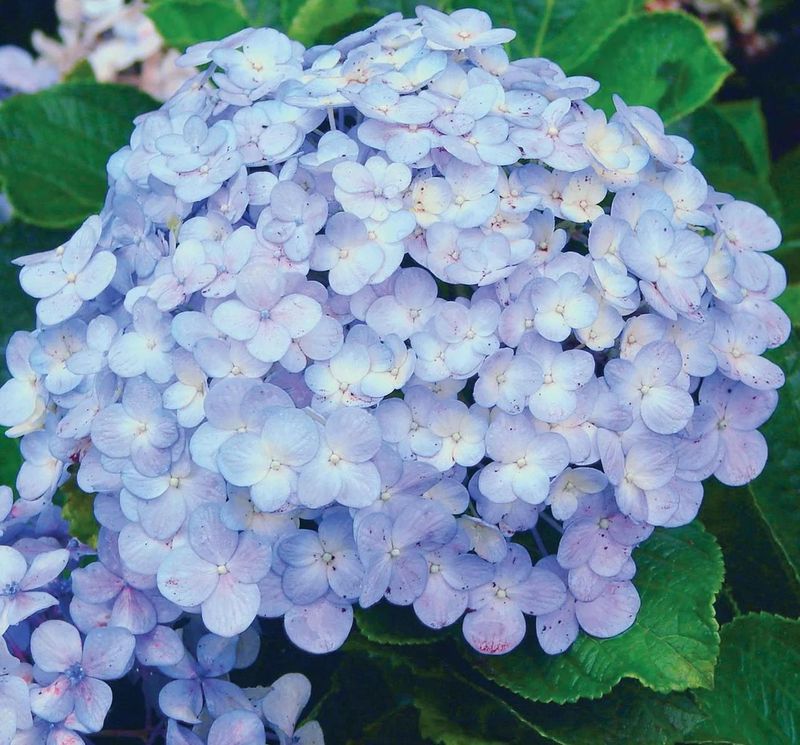
Florida summer can make many hydrangeas look tired by lunchtime. Heat, sandy soil, sudden downpours, and bright sun are a rough mix for plants that like steady moisture.
The right hydrangea, planted in morning sun and afternoon shade, can still give you big leaves, clean blooms, and a yard that looks cared for. Here are seven types that have the best shot at staying handsome when the weather gets sticky.
1. Oakleaf Hydrangea
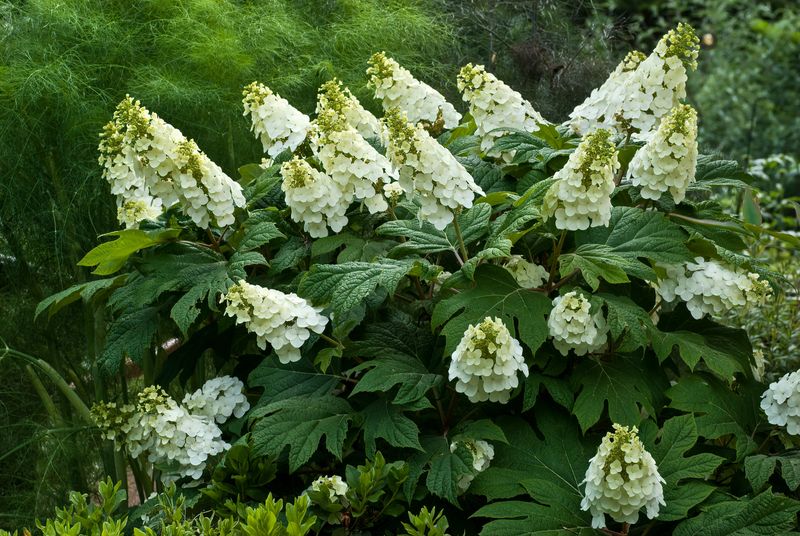
A shady side yard in Florida can feel flat until oakleaf hydrangea shows up with leaves that look almost tropical. Unlike the round mophead types many people picture first, this one brings bold foliage, upright flower clusters, and a looser woodland look that fits older oaks, pine straw beds, and natural borders.
Oakleaf hydrangea, Hydrangea quercifolia, is native to the Southeast, which gives it a real advantage in Florida landscapes. It handles heat better than many classic florist-style hydrangeas, especially when it gets morning light, afternoon shade, and soil that does not stay soggy after summer storms.
The flowers usually open white, then age to cream, tan, or soft pink depending on the cultivar and weather. Even after bloom season, the large leaves keep the plant looking useful instead of bare or fussy.
For best results, plant it where roots can stay cool under mulch. Sandy soil should be improved with compost, but drainage still matters because summer rain can sit in low spots.
Oakleaf hydrangea earns its place because it looks intentional even when the blooms are past their peak.
2. Limelight Panicle Hydrangea
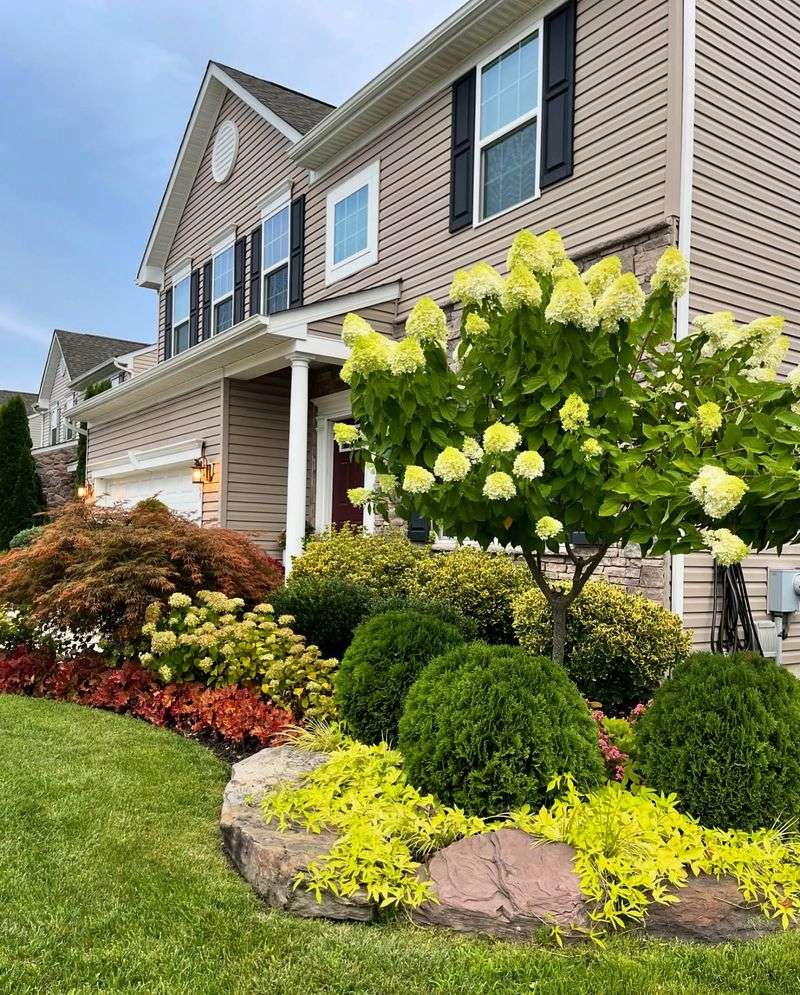
Big lime-green flower cones are hard to ignore, especially when the rest of the garden is starting to look sun-fried. Limelight is a panicle hydrangea, which means it behaves differently from the blue and pink bigleaf hydrangeas that often sulk in Florida heat.
Panicle hydrangeas bloom on new wood, so they are less bothered by mild winter pruning mistakes than old-wood bloomers. In North and parts of Central Florida, Limelight can work well with enough moisture and some relief from harsh late-day sun.
In hotter areas, give it a protected spot rather than an exposed driveway bed.
The reason Limelight belongs on this list is its structure. The blooms are upright, the stems are sturdy when the plant is properly grown, and the color reads fresh instead of faded during the warm season.
Those chartreuse flowers also pair well with purple salvias, coontie, muhly grass, and dark-leaved shrubs.
Water deeply while it establishes, then keep mulch wide and even. Florida sand dries fast, and a panicle hydrangea that gets drought-stressed will show it in the leaves.
With the right siting, Limelight gives a polished front-yard look without needing blue-flower chemistry tricks.
3. Little Lime Hydrangea
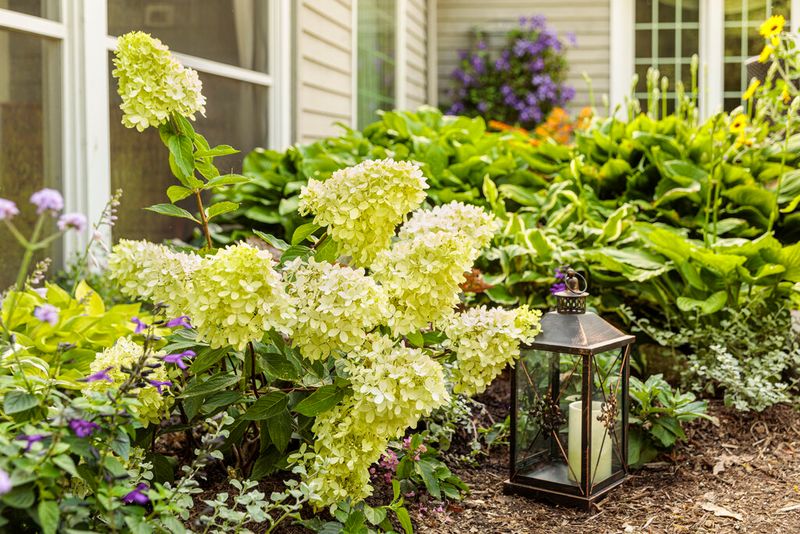
Small yards need plants that know when to stop. Little Lime is the compact cousin of Limelight, and that shorter size makes it easier to use near porches, walkways, patios, and low windows without constant cutting back.
In Florida, scale matters because overgrown shrubs can trap humidity, block airflow, and look messy after heavy rain. Little Lime usually stays more manageable than full-size panicle types, so gardeners can enjoy the hydrangea effect without giving up half the bed.
It still needs room, but it is less likely to swallow a narrow foundation planting.
The flower heads open greenish white and mature through creamy tones, sometimes picking up blush as they age. That soft color is helpful in Southern landscapes because it does not clash with brick, stucco, shell paths, or bright tropical foliage.
Morning sun is usually the safer choice, especially in Central Florida and warm inland spots. Add compost to the planting area, mulch well, and avoid overhead watering late in the day so the leaves dry before night.
Little Lime stands out because it gives the clean, cone-flowered hydrangea look in a size that suits real home gardens. It is a good pick when you want curb appeal, not a shrub that turns into a weekend chore.
4. Annabelle Smooth Hydrangea
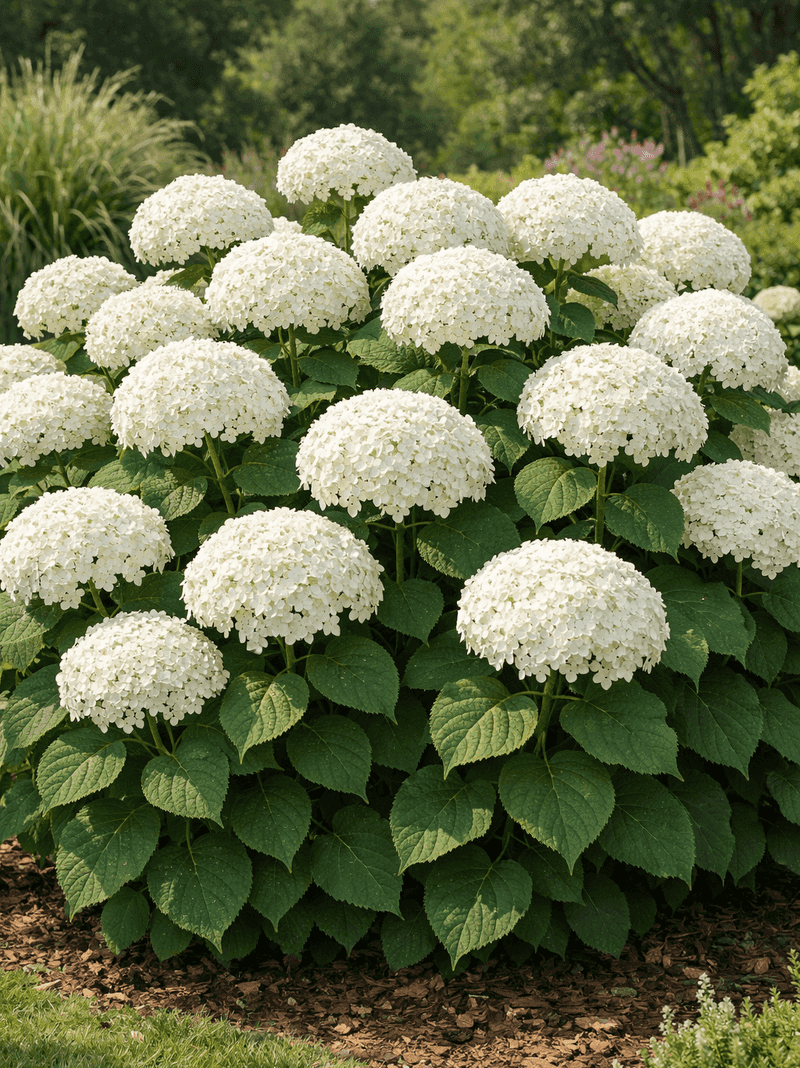
There is something old-fashioned about Annabelle, like a plant you might remember from a grandmother’s garden after an afternoon rain. The round white flower heads are full and soft, but the plant itself is more practical than it looks.
Annabelle is a smooth hydrangea, Hydrangea arborescens, and it blooms on new wood. That habit is useful for gardeners who do not want to memorize complicated pruning rules.
If winter or a cleanup cut takes stems down, the plant can still bloom from fresh growth in the right season.
Florida gardeners should treat Annabelle as a shade-brightening shrub, not a full-sun hero. It looks best with morning light, filtered shade, and regular moisture.
In deep sand, mix organic matter into a wide area instead of just the planting hole, then mulch to slow evaporation.
The one catch is that big flower heads can droop after pounding rain. Planting it where it has a little support from nearby shrubs, a low fence, or a sheltered corner can keep the display neater.
Annabelle makes the list because it brings that classic white hydrangea look without depending on soil pH for color. In a Florida summer garden, simple white can be a relief from all the heat and glare.
5. Incrediball Hydrangea
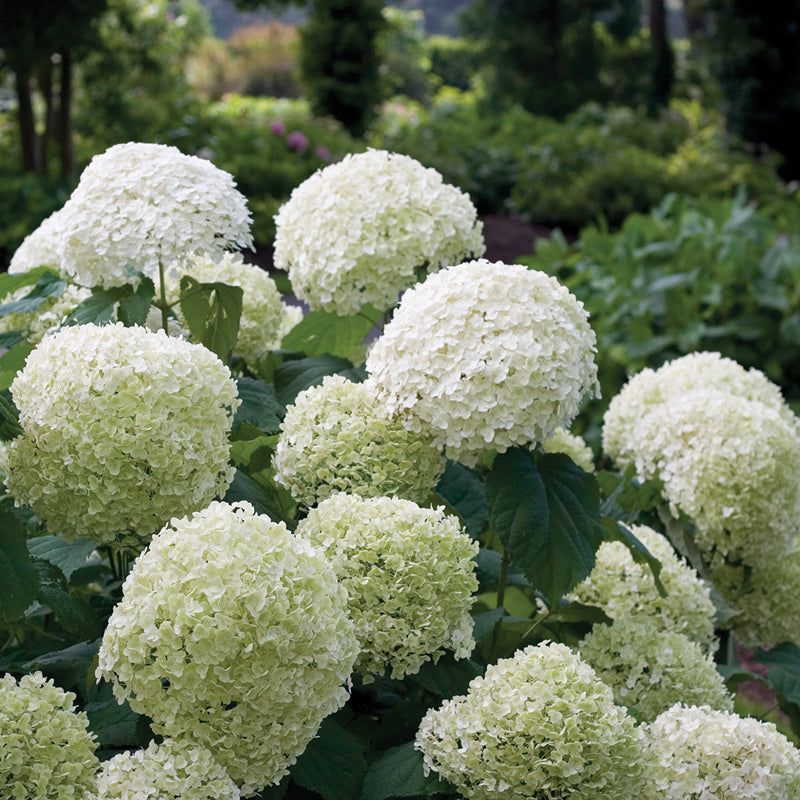
Gardeners who love Annabelle but hate floppy stems often look for a stronger version. Incrediball was bred with sturdier growth, which helps its oversized white blooms stay more presentable after a summer shower.
That stronger habit is the reason it deserves a separate spot from Annabelle. Florida rain can arrive fast and hard, and a hydrangea that collapses every time thunder rolls will not look right for long.
Incrediball is not storm-proof, but it has a better frame for holding its flowers up.
Like other smooth hydrangeas, it blooms on new wood and works best in a site with morning sun or bright filtered shade. Too much direct afternoon sun can scorch leaves, especially in sandy soil that dries quickly between rains.
A wide mulch ring is not decoration here, it is part of the care plan.
The flowers start green, open white, and age to soft green again. That changing color gives the bed movement without needing constant replanting.
Use Incrediball where you want a bolder, cleaner focal point than a loose woodland hydrangea. It looks especially good against evergreen shrubs, dark fences, or a shaded porch where the white blooms can glow in evening light.
6. Endless Summer The Original Hydrangea
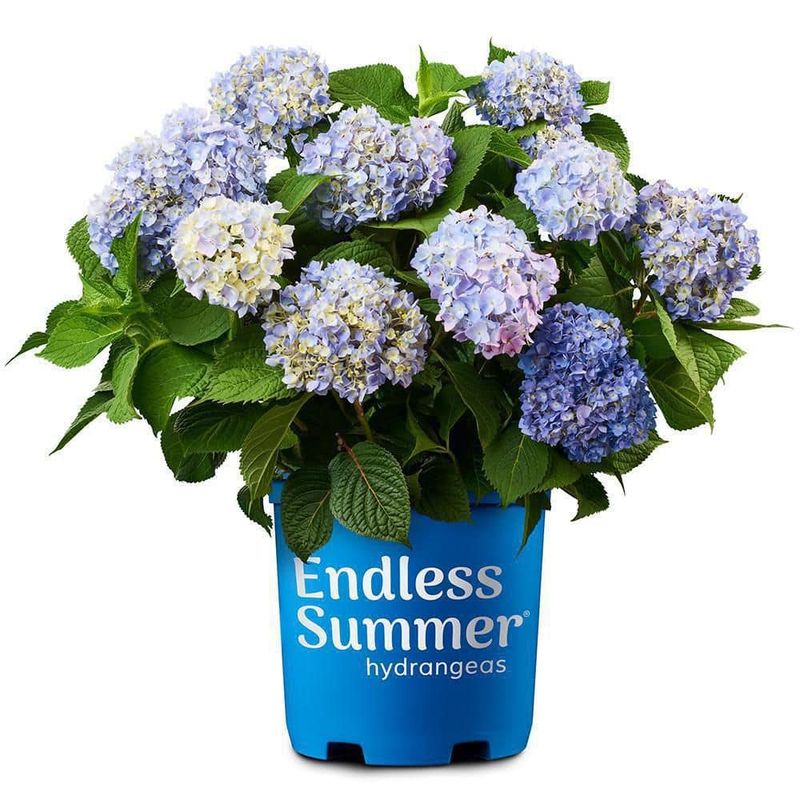
Blue hydrangeas are the ones many Florida gardeners want first, even if they are also the ones that complain the loudest. Endless Summer The Original earns attention because it can bloom on old and new wood, giving it more chances to flower than many traditional bigleaf hydrangeas.
That reblooming habit matters in Florida home gardens where pruning timing, warm winters, and summer stress can all interfere with a perfect show. It still needs careful placement.
Think bright morning sun, shade after lunch, and steady moisture at the roots.
Flower color depends on soil chemistry, so do not expect instant blue just because the tag shows blue. Acidic soil with available aluminum tends to push blooms blue, while less acidic conditions bring pinker flowers.
In much of Florida, containers can make color management easier because the soil mix is more controlled.
The leaves are large and lush when the plant is happy, but they can wilt dramatically in heat. A little afternoon droop does not always mean the plant is dying, but dry soil does need attention.
Endless Summer The Original is the pick for gardeners who want the classic mophead look and are willing to give it the best seat in the garden. It is not the lowest-effort option, but in the right protected spot, it can still look like the hydrangea people dream about.
7. Penny Mac Hydrangea
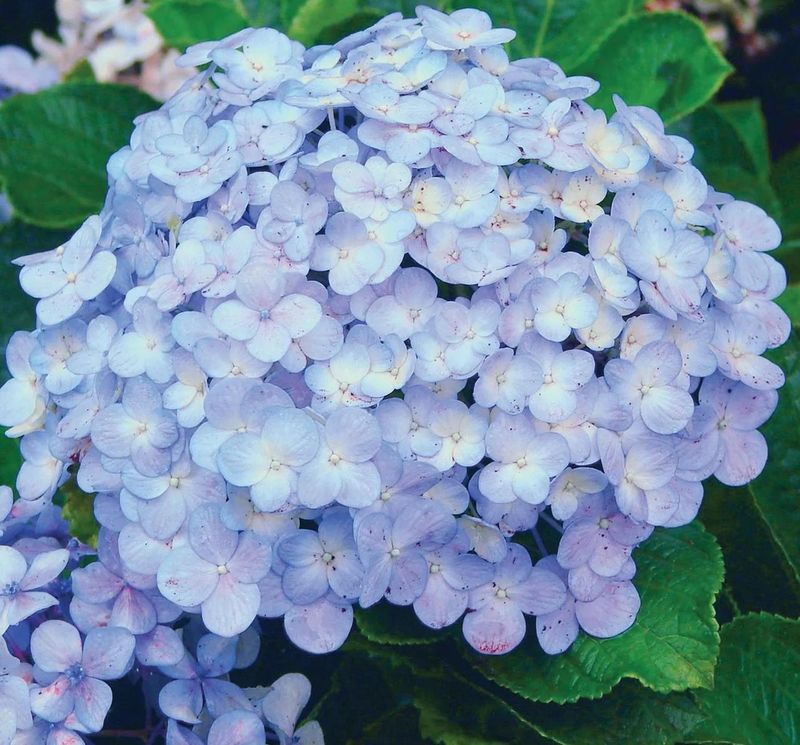
A good pass-along plant has to prove itself in real yards, not just in pretty catalog photos. Penny Mac is a bigleaf hydrangea with Southern garden roots, and many gardeners value it for its ability to rebloom when conditions are kind.
Its main difference from newer branded hydrangeas is its old-school toughness and garden history. Penny Mac is often described as a reliable rebloomer in warm regions, especially when planted with protection from hot afternoon sun.
In Florida, that protection is not optional if you want the leaves and flowers to stay respectable.
Use it near the edge of tree shade, along a north or east-facing wall, or in a sheltered backyard bed where irrigation reaches deeply. Sandy soil should be improved with compost, then covered with mulch to keep roots cooler.
Avoid planting it under thirsty tree roots unless you are ready to water more often.
Bloom color can shift from pink to blue depending on soil pH and aluminum availability, which gives Penny Mac some of that classic Southern hydrangea magic. Still, healthy leaves matter more than chasing a perfect color.
Penny Mac earns its place because it feels at home in older Southern-style gardens. For Florida gardeners who want a mophead hydrangea with more personality than a one-season impulse buy, it is a smart candidate.