
By late August, plenty of North Carolina gardens start to look tired, but some perennials are just getting started. The right plants can carry your beds through the hottest stretch with fresh color, fuller growth, and more visits from butterflies and bees.
If you want a yard that stays lively when summer feels worn out, these are the kinds of plants worth knowing. Each one earns its place by shining when many others begin to fade.
1. Joe-Pye Weed
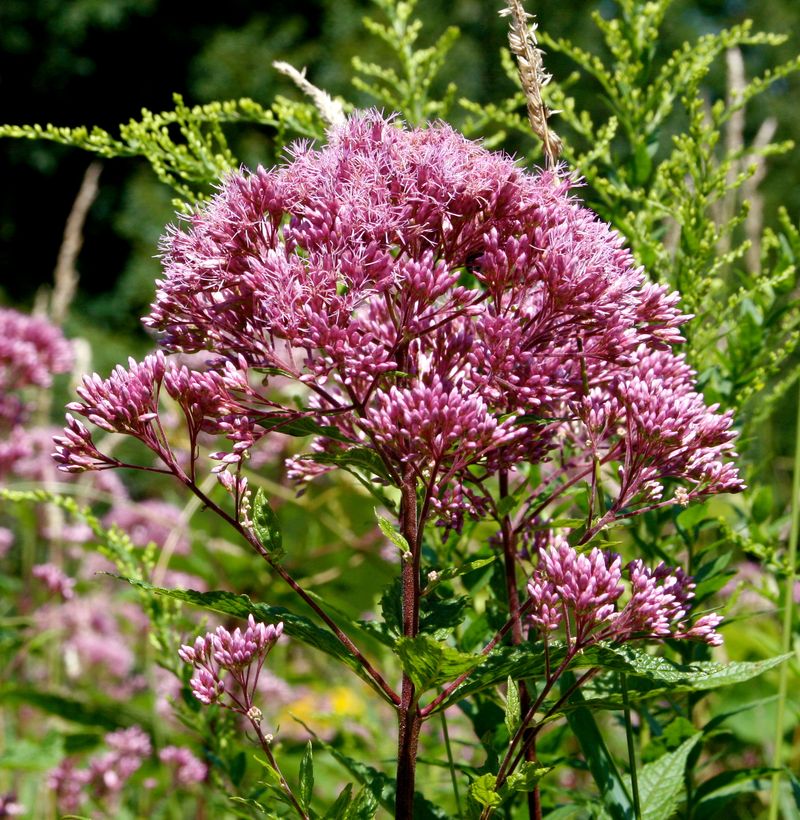
Late summer has a funny way of making short plants disappear, but Joe-Pye weed rises above the slump with real presence. Its dusty pink flower domes show up just when many early bloomers are tired, and the tall stems give the whole border a stronger shape.
North Carolina gardeners often appreciate it most in spots that stay a little moist, though established plants can handle ordinary garden conditions better than many people expect. In the Piedmont and coastal plain, it can become a true pollinator magnet in August, drawing butterflies and native bees when food sources matter.
What makes Joe-Pye weed different from the rest of this list is its height and timing. It does not just add color near ground level.
It builds a layered look in the back of a border, near a fence, or beside a rain garden, which helps tired beds feel fuller rather than patchy.
Give it sun to light shade and enough room to stretch, because crowding steals some of its drama. For homeowners who want a lower-effort yard that still supports wildlife and looks generous in the heat, Joe-Pye weed is one of the easiest ways to make August feel abundant again.
2. Swamp Sunflower
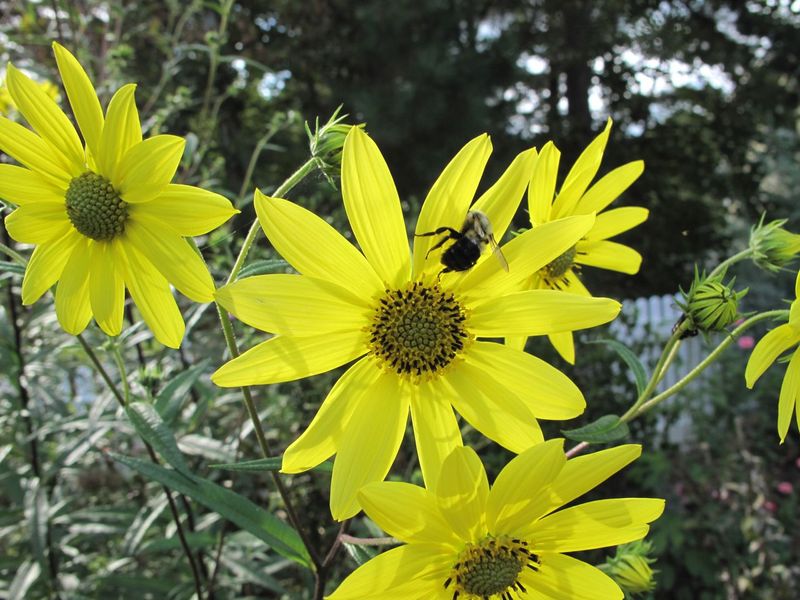
Nothing wakes up a sleepy border quite like a burst of clear yellow, and swamp sunflower knows exactly when to make its entrance. As August moves along, it starts building energy fast, pushing out buds and bright blooms that can carry a bed right into fall.
Despite the name, this plant is not only for boggy ground. In North Carolina, it often does best in moist, sunny spots, but many gardeners have success in average soil if the plant gets established well.
Its upright habit makes it especially useful in the back half of a border where midsummer gaps tend to show.
Swamp sunflower earns its place here because it brings a cheerful, high-impact look without feeling fussy. It can soften fences, fill in open corners, and create that late-season glow people usually wish their yard still had after July passes.
Pollinators notice it too, which adds life to the garden at a time when insect activity still runs strong.
Pinching young stems earlier in the season can help keep it bushier, especially in richer soil. If your North Carolina yard needs a dependable late-summer lift and you have room for a plant with some height, this one can turn August from dull to glowing in a hurry.
3. Blue Mistflower
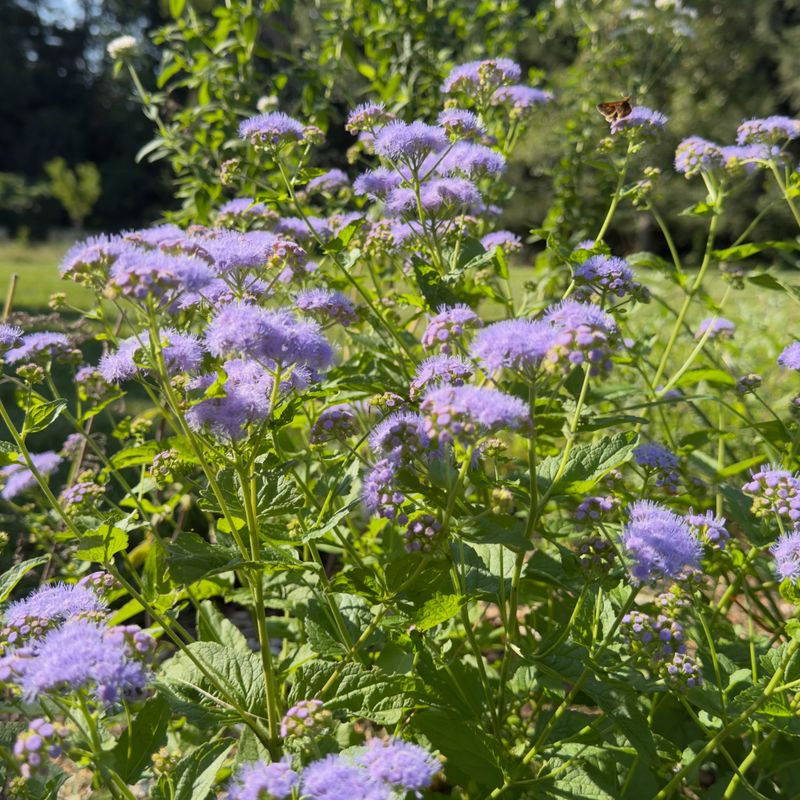
Soft blue is surprisingly hard to find in the August garden, which is part of why blue mistflower feels so special. Its fuzzy lavender-blue blooms arrive when the heat is still heavy, and the color plays beautifully against gold, pink, and deep green foliage nearby.
Gardeners in North Carolina often use it where they want a border to look cooler and more relaxed at the end of summer. Butterflies are famously drawn to it, especially in sunny spots with decent moisture, and that steady activity gives the yard a lively, moving quality even on still days.
Blue mistflower stands apart from the others because it spreads into a fuller patch and creates a cloudlike effect instead of a tall spike or bold daisy form. That makes it useful along paths, in naturalized beds, or at the front to middle of a border where late-season color is often missing.
In wildlife-friendly yards, it may help support pollinators without asking much once established.
A little honesty helps here: it can wander if it is very happy. Still, for homeowners who prefer a looser, more natural look, that tendency can be a strength rather than a problem.
By late August, when sharper summer flowers can look stiff or spent, blue mistflower brings a softer kind of beauty that feels fresh.
4. Obedient Plant
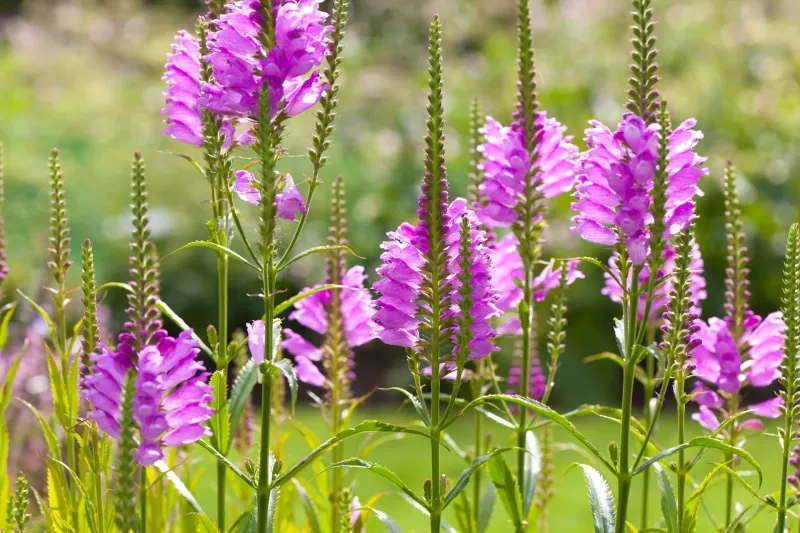
Here is a plant with a bit of personality built right into its name. Obedient plant gets attention for flowers that can be gently moved on the stem, but the real reason to grow it in North Carolina is how strong and upright it looks when August gardens start to lean and flop.
Its pink or lavender flower spikes give a vertical accent that lasts well through late summer. Hummingbirds and bees often stop by, and the tubular blooms fit nicely into wildlife-minded gardens where every plant has to do more than just sit there looking pretty.
What sets obedient plant apart is its clean, architectural shape. While some late-summer perennials read as airy or wild, this one adds order, which can be very helpful in foundation beds, mixed borders, or visible front-yard plantings that need to look intentional.
In the Piedmont and coastal plain, it handles summer heat better than delicate-looking flowers might suggest.
It does best with sun and moderate moisture, and like several natives, it can spread when content. That is not always bad news.
For homeowners trying to cover ground, reduce open weedy pockets, and keep the yard blooming into late summer, obedient plant offers color, structure, and a touch of garden fun all at once.
5. Cardinal Flower
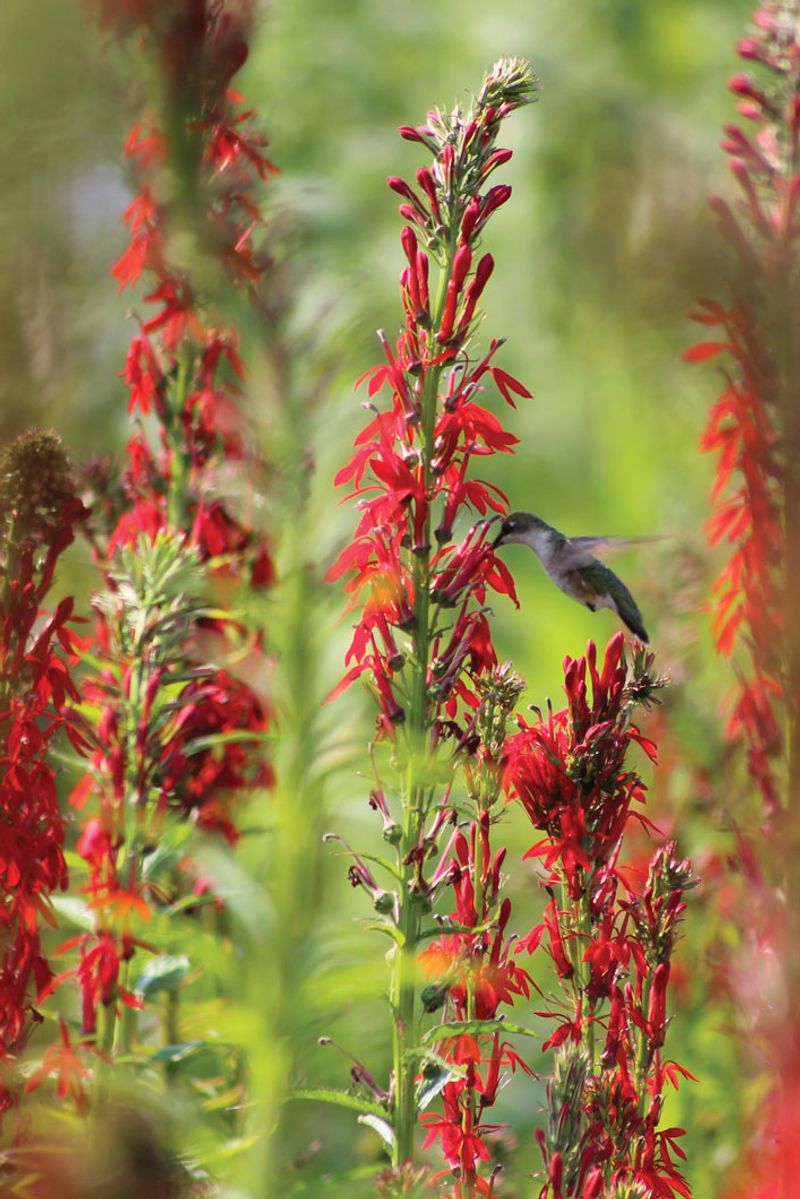
Few flowers stop people in their tracks the way cardinal flower does. That saturated red looks electric in late August, especially when so many gardens have settled into dusty greens and faded summer shades.
In North Carolina, cardinal flower is a smart pick for moist ground, rain garden edges, or spots near downspouts where other plants may struggle. It is native, eye-catching, and especially valuable for hummingbird-friendly planting, since the blooms are shaped in a way that invites repeated visits.
A healthy patch can make an ordinary bed feel suddenly alive.
Among the plants on this list, cardinal flower brings the most dramatic color contrast. It is not soft or background-like.
It acts as a focal point, which is useful in late summer when many yards need one strong feature to pull the eye away from heat stress elsewhere. In mountain gardens and parts of the Piedmont with some afternoon relief, it can be especially striking.
Good moisture is the main secret, so do not tuck it into a dry, neglected strip and expect magic. Put it where the soil stays cooler and more dependable, and it can reward you with one of the most memorable displays of the season.
For August color with real punch, cardinal flower is hard to top.
6. Ironweed
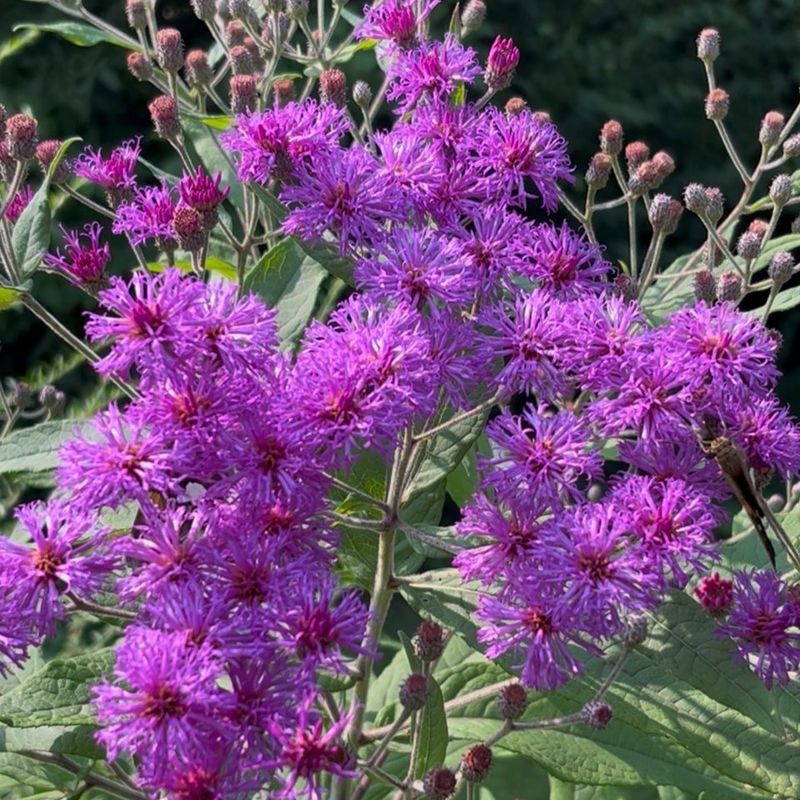
Bold purple has a way of making a hot garden feel richer, and ironweed delivers that effect without apology. Its strong stems and vivid blooms arrive late enough to matter, giving North Carolina borders a second wind when many early summer stars are finished.
Ironweed is a fine choice for gardeners who like native plants with a wilder, meadow-inspired look. It fits beautifully in sunny back borders, larger beds, or edges that blend into natural areas, and it often attracts pollinators in a big way.
In the right spot, it creates a vertical rhythm that keeps the landscape from going flat in August.
Why include it instead of another purple bloomer? Because ironweed has backbone.
The color is saturated, the stems are sturdy, and the overall effect feels strong rather than delicate. That makes it useful for homeowners who want late-season beauty but also need plants that can hold up through storms, heat, and the general wear of a Southern summer.
Give it room, because many forms are tall enough to dominate a small bed. In return, you get a perennial that may support butterflies and native bees while making the yard look fuller and more alive.
For larger North Carolina gardens that need a dependable August performer, ironweed can be a standout.
7. Turtlehead
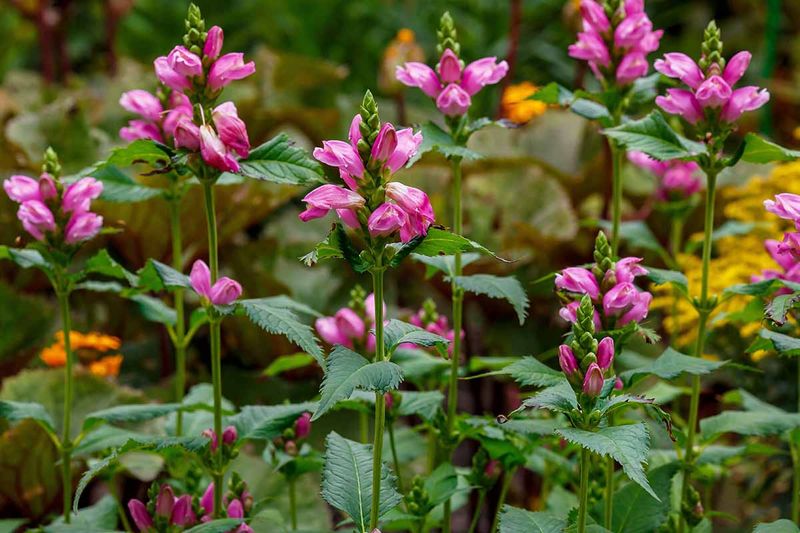
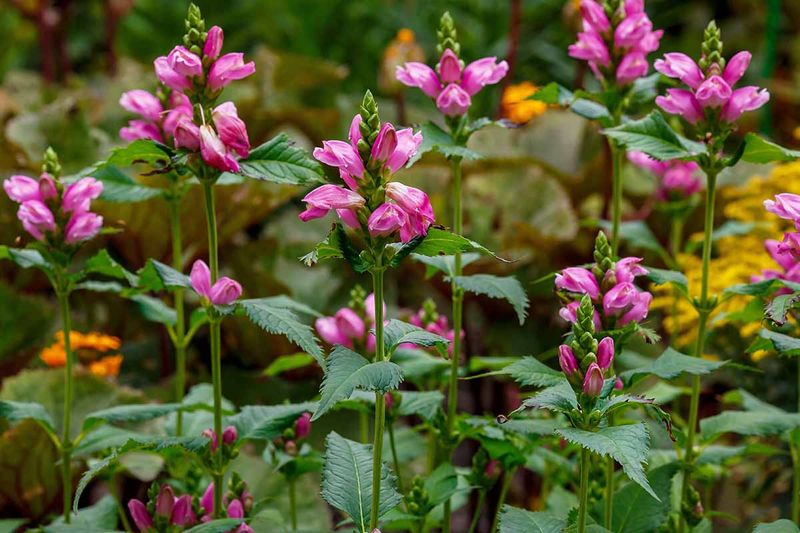
Shady corners do not have to give up on color by August, and turtlehead proves it. Its snapdragon-like flowers open late enough to feel like a pleasant surprise, especially in beds where spring had all the attention and summer started looking tired.
North Carolina gardeners with moist soil and part shade often find turtlehead especially useful along woodland edges, near water features, or in lower spots that stay evenly damp. The plant has a neat, upright habit, so it brings order to shade gardens that can otherwise turn loose and leafy by the end of summer.
Pollinators may also benefit, which adds another reason to make room for it.
Turtlehead earns its own section because it solves a different problem than most late-summer perennials. Many August bloomers demand full sun, but this one shines where the light is gentler.
That makes it valuable for yards with mature trees, north-facing beds, or side-yard spaces that never quite get enough direct sun for typical flower power.
Patience helps, since it is not the kind of plant that screams for attention from across the block. Up close, though, it has charm, texture, and a calm late-season beauty that deepens as the month goes on.
For gardeners who want shade beds to look intentional instead of forgotten, turtlehead is a smart native pick.
8. Aromatic Aster
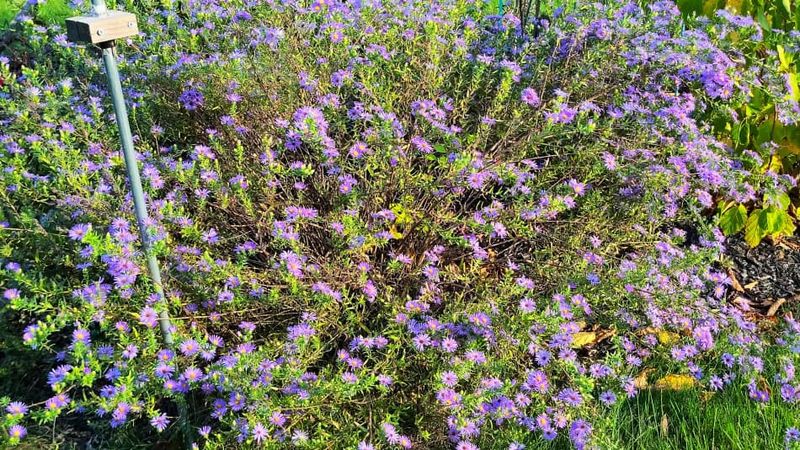
Some plants save their best for the very end of summer, and aromatic aster is one of them. Even before it reaches full fall glory, it starts looking better as August wears on, forming a fuller mound and opening the first wave of purple flowers that hint at the show ahead.
For North Carolina homeowners, one big advantage is toughness. Aromatic aster handles sun, heat, and leaner soil better than many thirsty late bloomers, which makes it useful in front-yard borders, hell strips, and other exposed places that bake through summer.
Its compact, bushier habit also helps beds look tidier when neighboring plants begin to lose steam.
Unlike taller, looser perennials, this one brings a rounded shape that reads as deliberate. That matters if you want a lower-effort yard with curb appeal, not just a pollinator patch that feels a bit unruly.
Bees and butterflies are often interested once flowers open, so the plant can support wildlife while still fitting a cleaner garden style.
Cutting it back earlier in the season may help keep it even denser, though many gardeners simply let it do its thing. By late August, when the promise of fall starts to show, aromatic aster gives North Carolina gardens a fresh pulse of color and a much-needed sense of structure.
9. Goldenrod
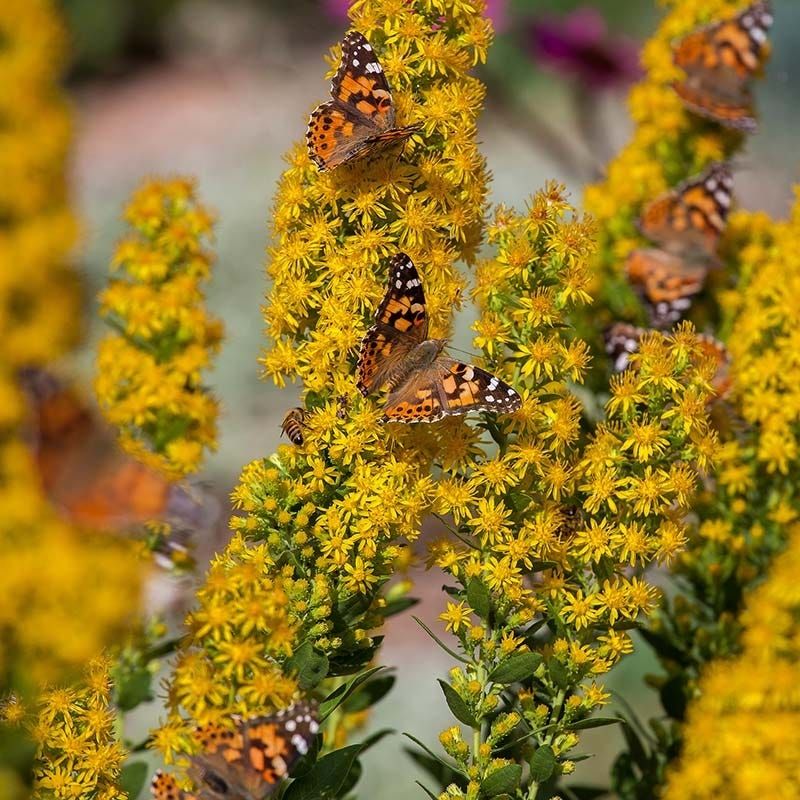
Goldenrod often gets blamed for allergies it did not cause, yet in the garden it is one of the finest signs that late summer still has plenty to offer. As August deepens, those golden plumes begin to light up borders and naturalized areas with a color that feels warm, bright, and unmistakably seasonal.
North Carolina has several native goldenrods, so gardeners can choose forms that fit their space instead of settling for a one-size-fits-all plant. Some stay relatively tidy, while others are better for bigger areas or meadow-style edges.
In each case, the value is similar: strong late-season color, pollinator support, and a way to keep the yard looking active instead of worn down.
Goldenrod deserves its own place on this list because it brings both beauty and ecological value in a very visible way. Butterflies, bees, and other beneficial insects often work the flowers hard, and that busy motion can make a family yard feel healthier and more connected to the local landscape.
It may also help fill seasonal gaps that weeds would otherwise exploit.
Use it where its size and personality make sense, and do not be shy about pairing it with asters for a classic late-summer North Carolina combination. When August starts tipping toward fall, few perennials make that transition look as confident and cheerful as goldenrod.