
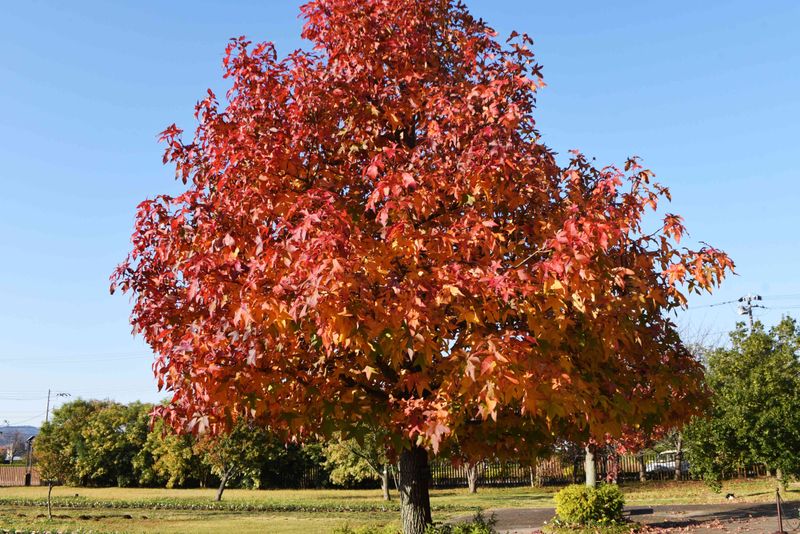
Fall color in Florida is not a lost cause. You just need trees that understand sandy soil, warm autumns, and the strange rhythm of Southern seasons.
The right tree can bring red, gold, orange, or copper tones without turning your yard into a high-maintenance project. Start with these seven choices if you want color that feels natural, useful, and realistic for a Florida landscape.
1. Red Maple
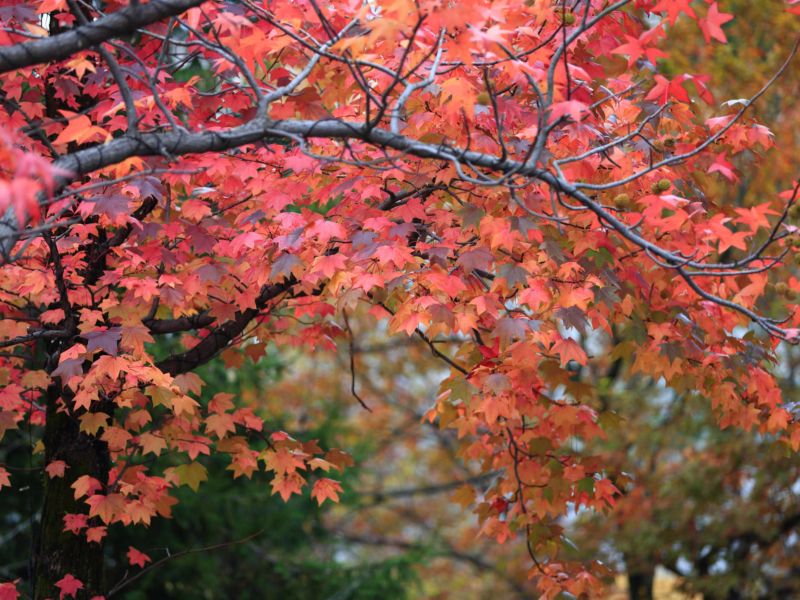
A flash of red in a Florida yard can feel almost like a magic trick, and red maple is one of the best trees for pulling it off. Native red maples grow across much of the state, and they are especially useful in yards that have moist spots, low areas, or soil that stays damp after heavy rain.
Fall color can range from yellow to orange to strong red, depending on the tree and the weather. If you want the boldest show, look for Florida-appropriate selections and buy from a nursery that knows your region, because trees grown for colder climates may not perform as well in warm winters.
Red maple is not the best pick for dry, open sand unless you are ready to water it while it gets established. Give it room away from pavement, since surface roots can become a problem near driveways and sidewalks.
In the right spot, though, it earns its place fast. It gives shade, supports wildlife, handles wet weather better than many ornamental trees, and brings one of the clearest fall signals Florida gardeners can plant.
2. Sweetgum
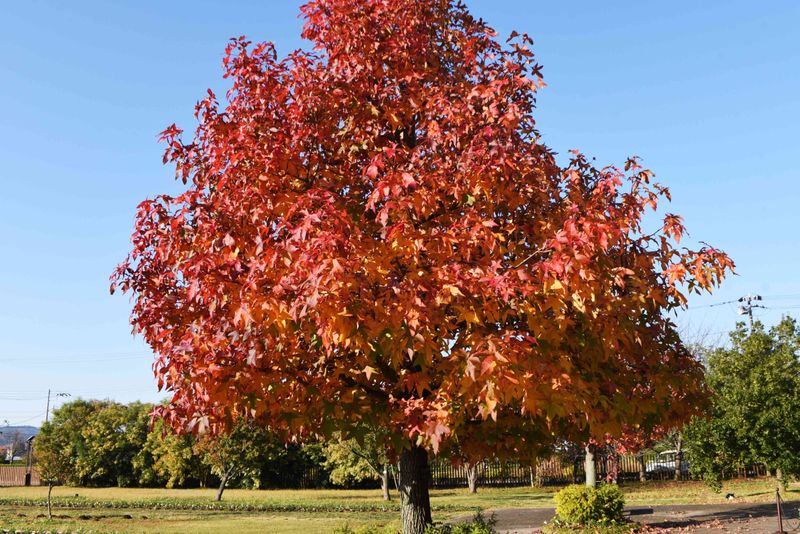
Those star-shaped leaves do not whisper when fall arrives, they put on a whole little fireworks show. Sweetgum can color up in shades of purple, burgundy, gold, and orange, often on the same tree, which makes it one of the more dramatic choices for a larger Florida yard.
Native sweetgum grows well in many parts of the Southeast and can handle Florida conditions better than many imported shade trees. It likes sun, has good wildlife value, and can become a tall, handsome anchor for a property line or back corner.
The catch is the famous spiky seed balls. Some gardeners hate stepping on them, and they are not ideal near patios, play areas, or walkways.
If you have space where the fruit can fall into a natural bed or mulched area, the problem becomes much easier to live with.
Think of sweetgum as a tree for people who want real autumn drama and have room to let a tree be a tree. It is not the neatest choice on the list, but few trees match its color range when the weather cooperates.
3. Bald Cypress
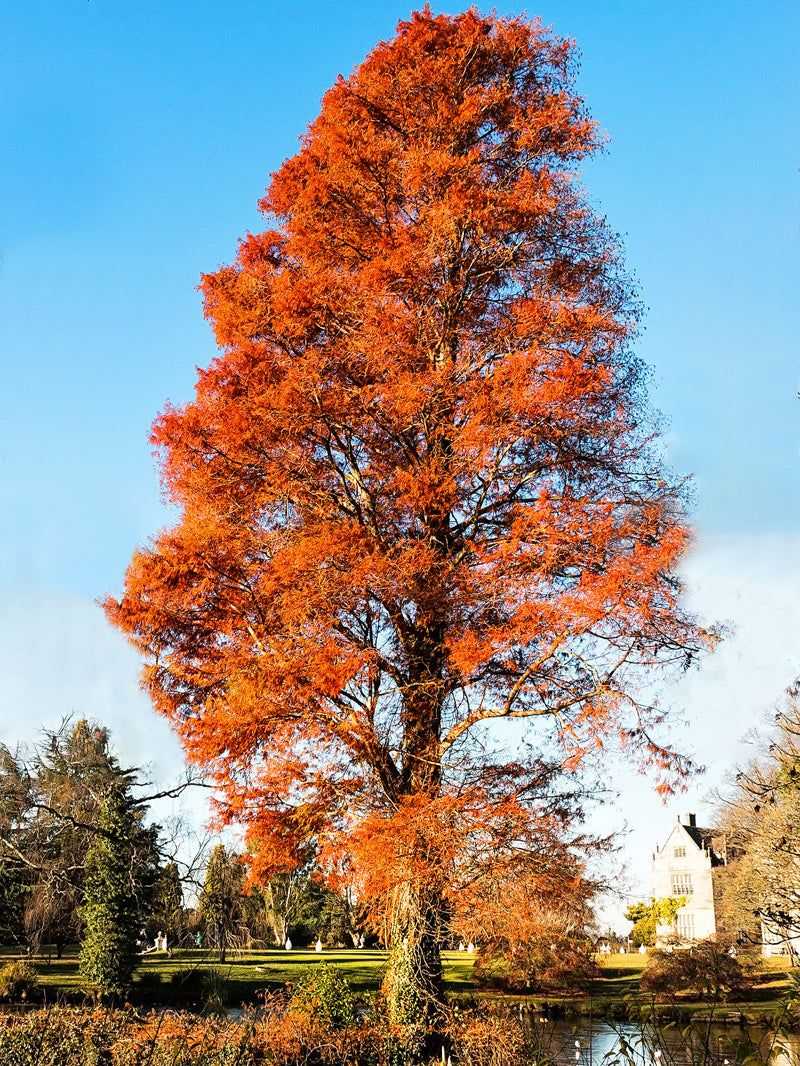
Coppery fall color feels extra special when it comes from a tree that also laughs at wet feet. Bald cypress is a Florida native that fits beautifully near ponds, drainage swales, rain gardens, and low areas that make other trees struggle.
Its soft, feathery foliage turns rusty orange, bronze, or cinnamon before dropping for winter. That seasonal change surprises people who expect every Florida tree to stay green all year, and it adds a calm, natural look rather than a loud burst of color.
Bald cypress can grow large, so placement matters. Keep it away from small foundation beds and give it the room it deserves, especially if your yard has a broad, damp area that needs a strong focal point.
One helpful bonus is storm sense. No tree is hurricane-proof, but bald cypress has a reputation for good durability when planted in the right place and allowed to develop a healthy root system.
For gardeners dealing with flooding, sandy soil, and changing water levels, it brings beauty and function in the same package.
4. Black Gum
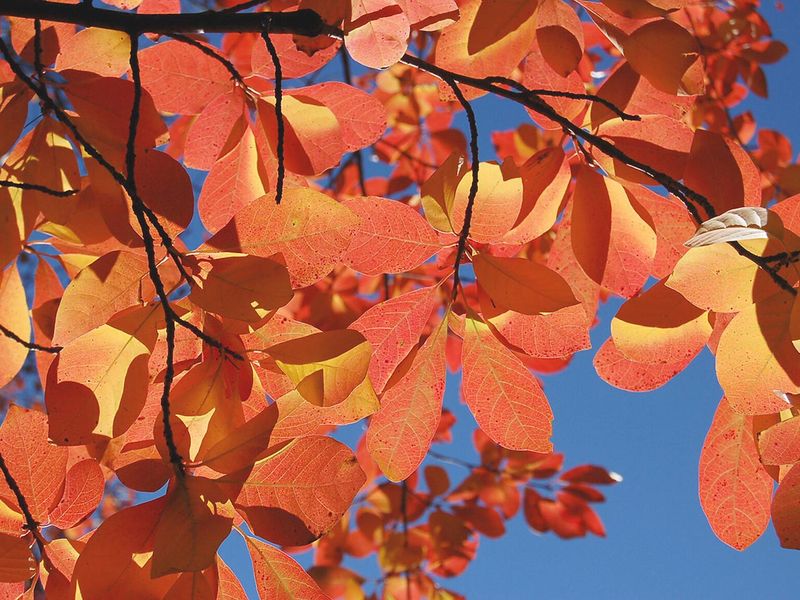
If red maple is the familiar crowd-pleaser, black gum is the quiet collector’s pick. Also called tupelo, this native tree can deliver some of the richest scarlet fall color in the Southeast, especially in North Florida and cooler parts of the state.
The leaves are glossy through the growing season, then shift into red, orange, purple, or wine tones as fall settles in. Birds also appreciate the small fruits, so the tree adds more than looks to a wildlife-aware yard.
Black gum is not always the fastest tree at the nursery, and that is part of its charm. It grows at a moderate pace, develops a graceful shape, and usually looks more refined than many quick-growing shade trees once mature.
Plant it where the soil is acidic and not bone-dry. Florida’s sandy ground may need organic mulch and steady water during establishment, but avoid burying the trunk or keeping the root zone soggy if the site does not naturally drain well.
For homeowners who want fall color without choosing the same tree as everyone else on the block, black gum is a smart and handsome option.
5. Flowering Dogwood
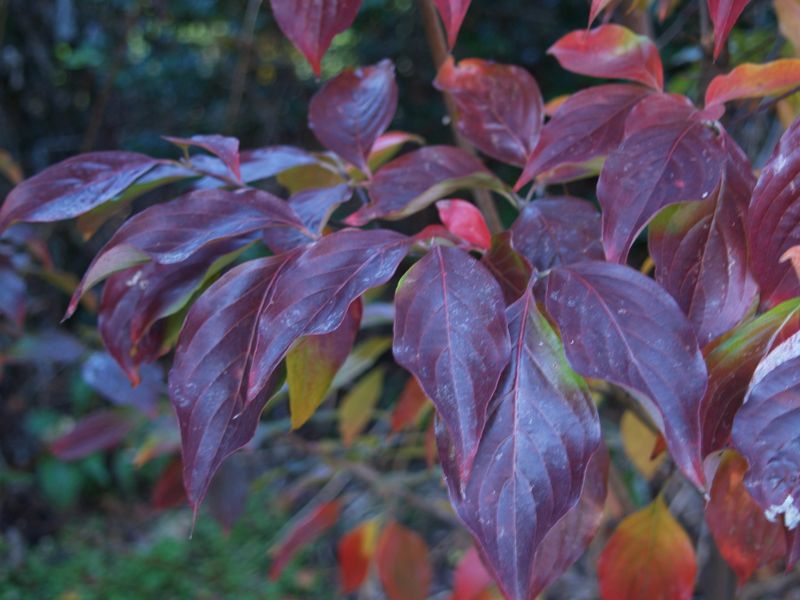
In the northern part of Florida, a dogwood can make a yard feel like it borrowed a little woodland charm. Spring flowers get most of the attention, but the red fall foliage and bright berries are just as useful for adding seasonal interest.
Flowering dogwood is best treated as a tree for North Florida and cooler, partly shaded sites. It does not love harsh reflected heat, compacted soil, or dry exposed corners, so it is not the right answer for every Florida yard.
Place it where it receives morning sun and afternoon shade, especially under the high canopy of pines or larger hardwoods. A layer of pine straw or leaf mulch helps keep the root zone cooler and more natural, which is often better than planting it in a hot lawn island.
Wildlife value is another reason to make room for it. Birds feed on the red fruits, and the layered branches give the garden a softer, more lived-in look than a row of stiff ornamentals.
Choose dogwood when you want a small tree with four-season appeal, not just a burst of fall color. In the right Florida setting, it feels graceful without demanding constant attention.
6. Shumard Oak
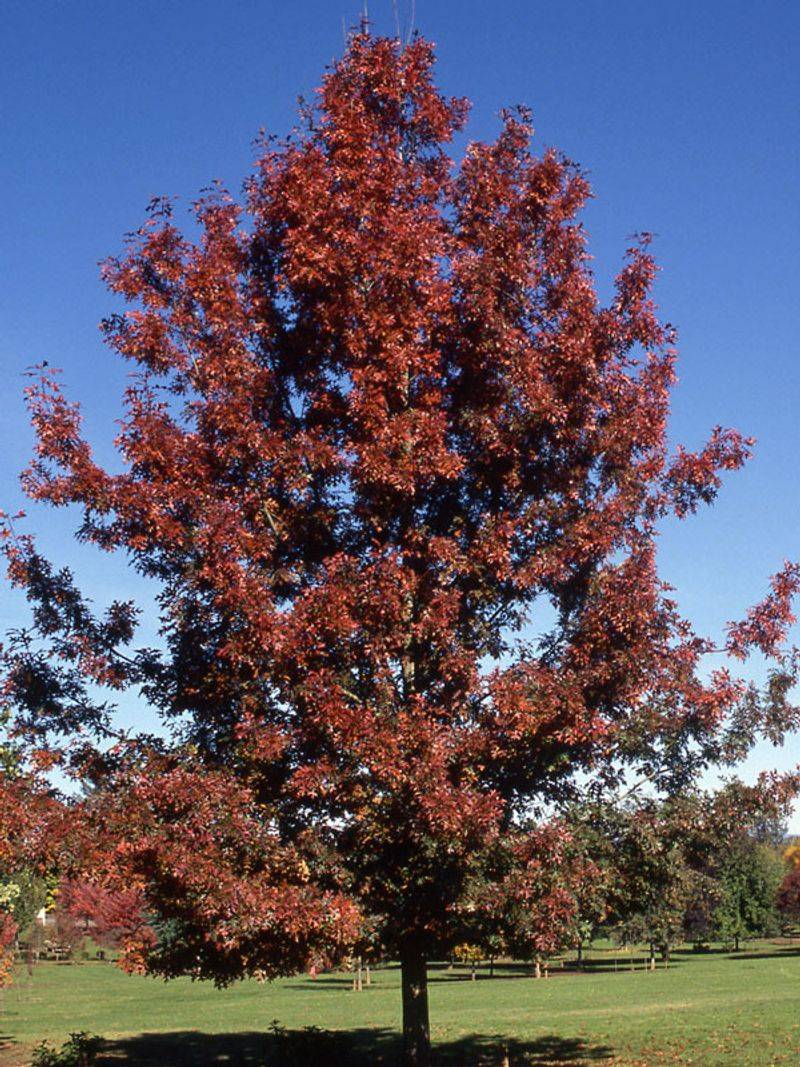
Big yards need trees with presence, and Shumard oak brings the kind of shade that changes how an outdoor space feels. In fall, its leaves can turn red, russet, orange-brown, or deep brick tones, giving Florida homeowners a more classic autumn look where the climate allows.
This oak is a strong candidate for North and parts of Central Florida, especially on roomy lots where it can spread without crowding roofs, power lines, or driveways. It is not a patio tree or a tiny front-bed accent, so plan for its mature size from the start.
Compared with many delicate ornamentals, Shumard oak has a sturdy, long-lived character. It can support wildlife, create meaningful shade, and help cool a yard that otherwise bakes through long warm seasons.
Young trees need regular watering while they establish, particularly in fast-draining sandy soil. Mulch widely, keep turf from hugging the trunk, and avoid over-pruning the lower branches too early because good structure starts when the tree is young.
Pick Shumard oak if your goal is not just a pretty fall moment, but a better yard for decades. The color is the seasonal reward, while the shade is the everyday payoff.
7. Crape Myrtle
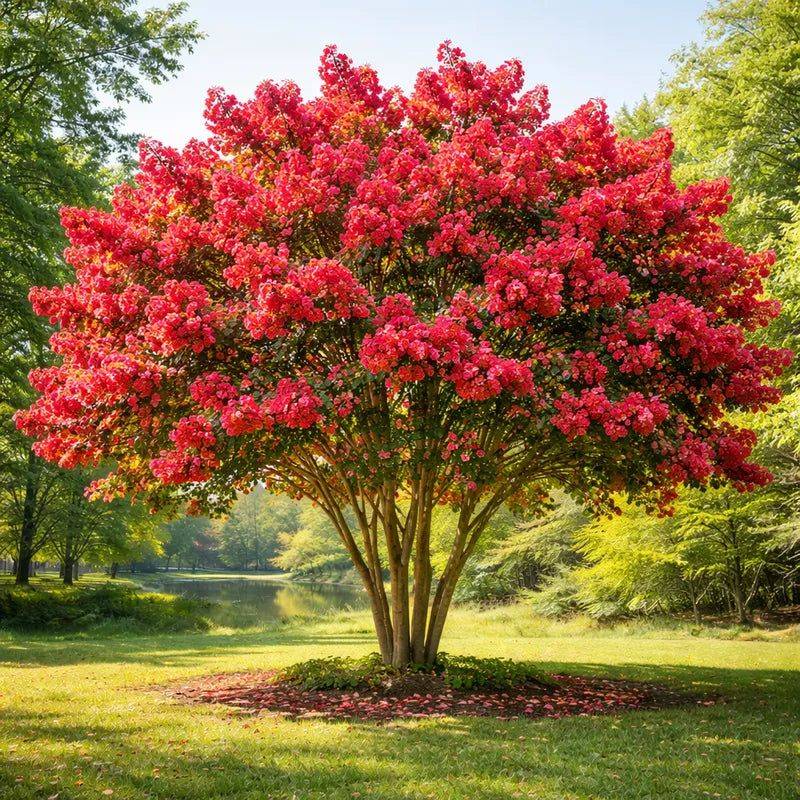
Not every fall-color tree has to be native to earn a spot in a Florida yard, and crape myrtle proves why. It is already loved for summer blooms, but its orange, red, and bronze fall leaves give it another season of curb appeal after the flowers fade.
Crape myrtle works well in sunny front yards, along driveways, and near entries where a smaller ornamental tree makes more sense than a giant shade tree. It handles heat well once established and can tolerate the kind of bright, open conditions that would stress more woodland-style trees.
The best results start with choosing the right mature size. A compact cultivar belongs near a house or walkway, while larger forms need more space so they do not require harsh yearly cutting.
Avoid the common mistake known as crape murder, where trunks are chopped back hard each winter. That treatment weakens the natural shape and can lead to awkward growth.
Light, thoughtful pruning is usually enough.
For gardeners who want a tree that earns its keep across multiple seasons, crape myrtle is a practical choice. Flowers, peeling bark, seed heads, and fall color all show up without asking for a complicated care routine.