
Fig trees are one of the most rewarding plants a North Carolina homeowner can grow, but they have a real weakness when hard freezes roll in. A single cold night near or below 20 degrees Fahrenheit can freeze back exposed wood and set your harvest back by a full season.
For vulnerable in-ground figs, one practical step taken before that cold arrives can mean the difference between a plant that bounces back and one that struggles all summer to recover.
Cold can damage the top while the base still survives
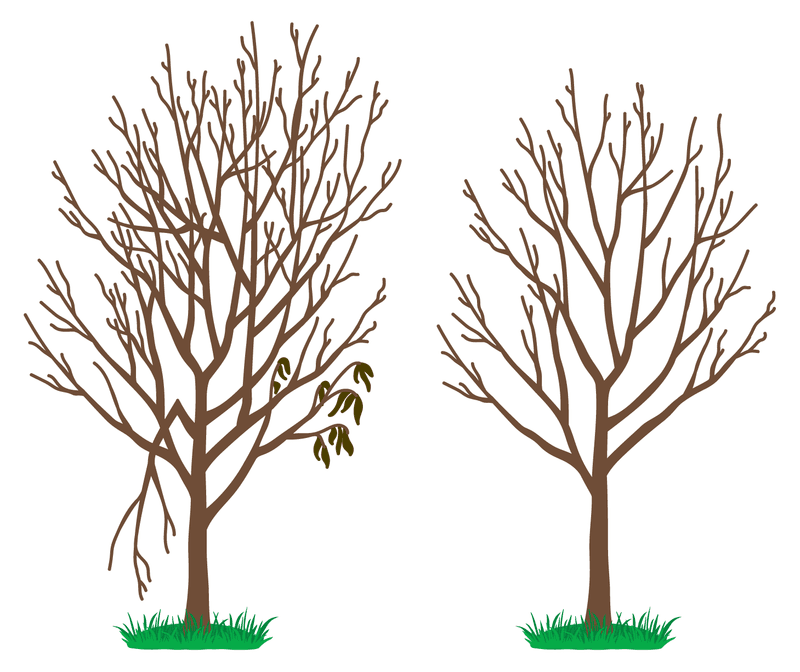
Fig trees growing in North Carolina face a genuine winter risk that catches many growers off guard. Temperatures near 20 degrees Fahrenheit or lower can cause exposed wood to freeze back, sometimes all the way to the ground, but the outcome is rarely the same for every plant or every site.
Age, exposure, cultivar, plant form, and location across the state all shape how severe the damage turns out to be.
When the top of a fig freezes back, it does not mean the whole plant is gone. NC State Extension guidance on fig culture notes that figs can recover from above-ground injury, with regrowth emerging from protected lower wood once warmer weather arrives.
The key phrase is “protected lower wood.” If the trunk base and crown survive the freeze, the plant has living tissue to work from, even when every visible branch looks dead.
The crop picture gets more complicated depending on the cultivar. Most fig varieties produce their main harvest on new wood that grows each season, so a tree that freezes back can still fruit later in the year once fresh shoots develop.
Some cultivars also produce an earlier crop, called a breba crop, on older wood from the previous season. Penn State Extension’s winterizing guide explains that losing older branches to cold can eliminate that earlier crop even when the plant itself survives.
Mounding loose soil or mulch around the base of a vulnerable in-ground fig is a recommended step for protecting that lower trunk and crown before severe cold arrives. It is not a universal requirement for every North Carolina fig, and it does not protect exposed upper branches on its own.
Young trees, newly planted bushes, and figs growing in exposed spots stand to benefit most from this kind of targeted base protection before a hard freeze hits.
Mound loose soil or mulch around the base
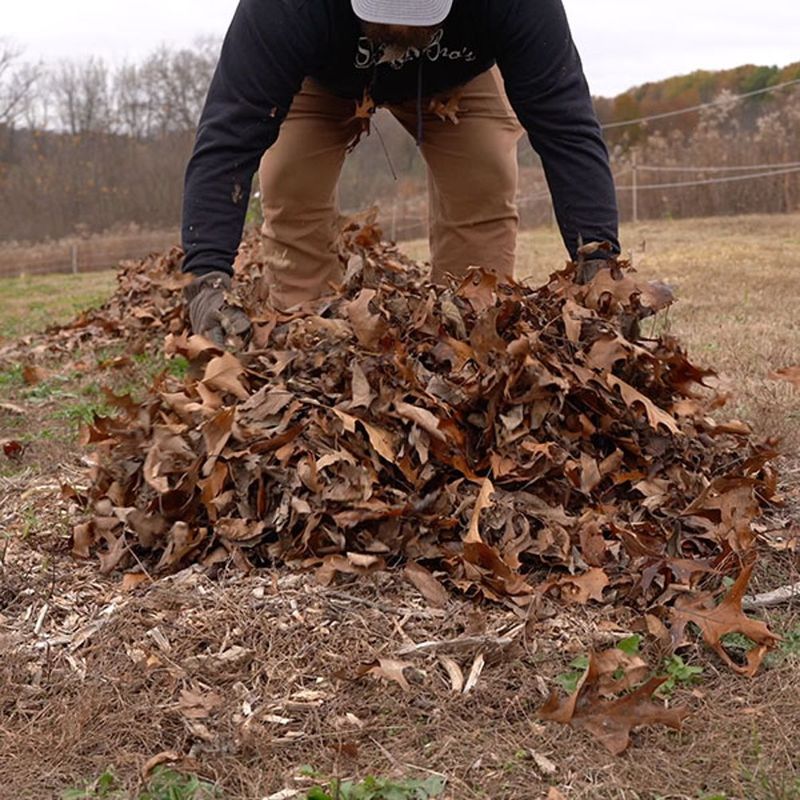
Before severe cold arrives, the most clearly supported action for a vulnerable in-ground fig is straightforward: build a mound of loose soil or mulch around the lower trunk and crown. NC State Extension recommends this step specifically to protect young fig trunks and trees from winter injury, with the mound built approximately 1 to 2 feet high for young trees or bushes before hard cold settles in.
The material you use matters less than keeping it loose and breathable. Garden soil pulled from another part of the yard, wood chip mulch, straw, or a combination of these all work.
Avoid packing the material tightly against the bark, which can trap moisture and invite rot. The goal is to insulate the base, not to seal it off from air entirely.
Timing is also important. Build the mound in late fall, before a hard freeze is forecast, not after the ground has already frozen solid or after the cold has already arrived.
Once the mound is in place, it stays there through the winter. In spring, after the danger of additional frosts has clearly passed and you begin to see new growth emerging, remove the mound gradually so the base can breathe again as temperatures climb.
One limit worth understanding upfront: the mound targets the trunk base, crown, and lower wood. Branches that extend above the mound remain exposed to cold air and may still suffer damage during a severe freeze.
This is exactly why the mound is described as protection for the base rather than a whole-plant solution. For young bushes with most of their growth close to the ground, the mound covers a larger proportion of the plant.
For taller single-trunk trees, exposed upper limbs will likely need a separate cover when the forecast turns severe.
This guidance applies specifically to figs planted in the ground. Container figs present a different set of challenges that mounding alone cannot address, covered separately later in this article.
Match the protection to the site and the plant
Not every fig in North Carolina faces the same level of winter risk, and adjusting your approach based on your actual situation leads to better decisions than treating all figs alike. Young trees and young bushes are especially susceptible to winter injury, and NC State Extension specifically recommends planting figs in locations sheltered from cold winds and winter sun to reduce that risk from the start.
Where you are in the state matters considerably. NC State’s fig disease and culture resources both note that cold injury is a greater limitation in the Piedmont and mountain regions than in much of eastern North Carolina.
A fig growing in a sheltered spot along the Coastal Plain may come through most winters with minimal intervention, while the same cultivar planted in an exposed Piedmont yard or at higher elevation in the mountains faces meaningfully higher freeze risk every season. That said, a severe forecast can shift the calculation anywhere in the state, so even Coastal Plain growers should watch the temperature outlook.
Cultivar choice and plant form both affect how much work protection requires. NC State identifies Celeste and Brown Turkey as relatively hardy options that tend to perform well in North Carolina conditions.
Brunswick is described as potentially more cold hardy but less vigorous overall. No cultivar is immune to damage during an unusually harsh winter, but starting with a more cold-tolerant variety gives you a margin to work with.
Plant form is equally practical to consider. A fig grown as a low, multi-stemmed bush keeps most of its wood closer to the ground, which means a mound and a cover can protect a larger share of the plant.
A single-trunk tree form pushes more wood up into exposed air, making full protection harder to achieve. Growers who train their figs as bushes generally find winter protection simpler to execute, especially in the Piedmont and cooler parts of the state where severe cold is a recurring concern.
Add a cover when severe cold threatens the branches
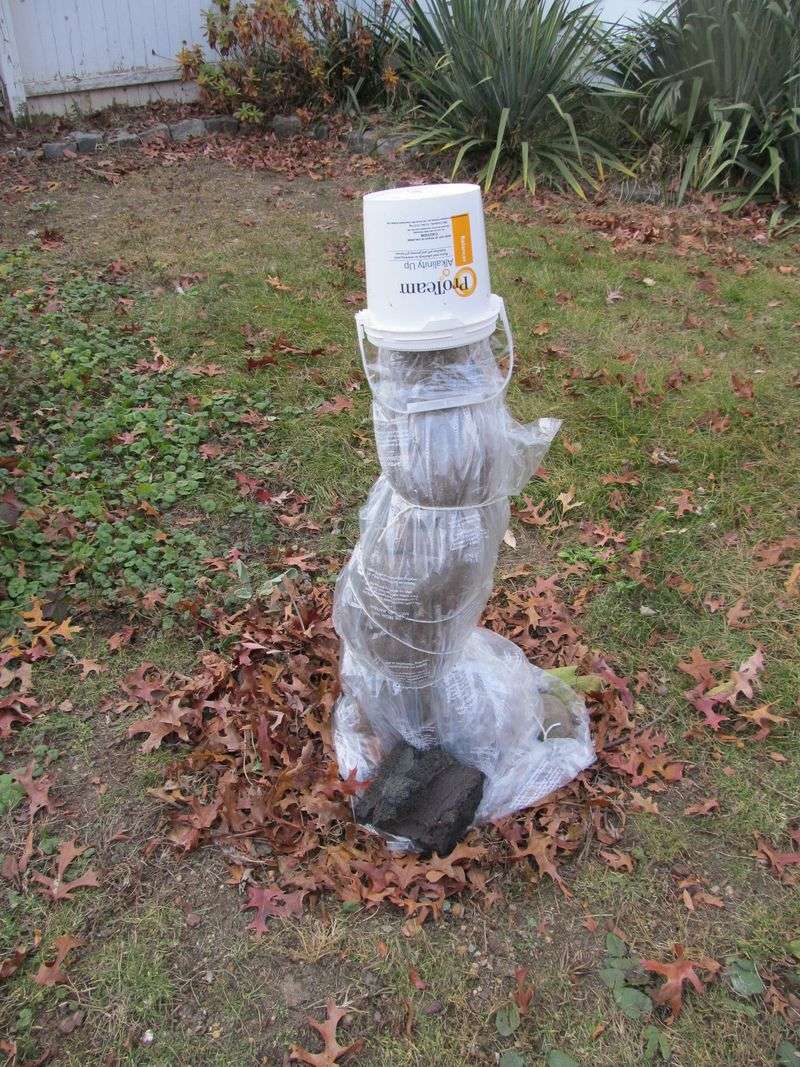
A soil or mulch mound does its job at the base of the plant. When a forecast calls for temperatures near or below 20 degrees Fahrenheit, exposed branches above the mound need their own protection.
Covering the above-ground structure with an appropriate material is the step that addresses what the mound cannot reach.
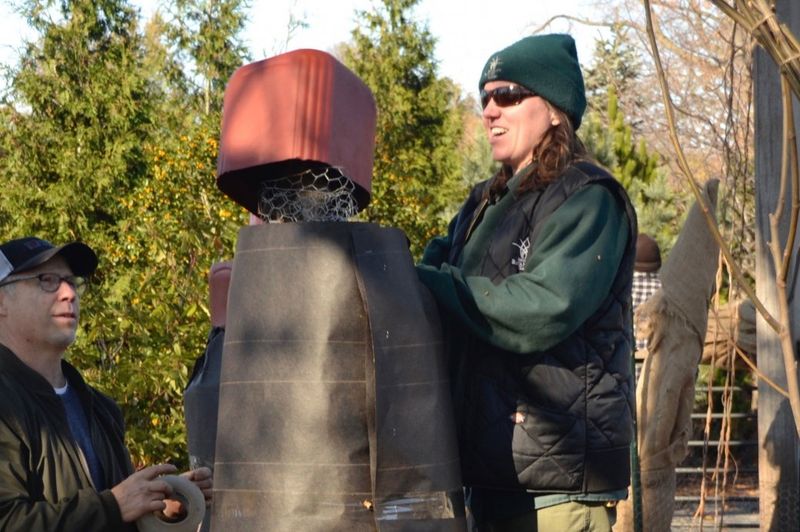
NC State Extension recommends covering figs with straw, a tarpaulin, cornstalks, or another suitable material when severe cold is predicted. These materials work by trapping a layer of warmer air around the branches and slowing the rate at which plant tissue loses heat overnight.
The key is getting the cover in place before temperatures drop, not scrambling to add it once a freeze is already underway.
How you support the cover matters as much as what you use. A covering that rests directly on branches can crush or abrade them, and wet fabric or plastic pressed against bark for extended periods can cause its own damage.
Use stakes, a simple frame, or a tomato cage to hold the material away from the branches so it functions like a tent rather than a wrap. The cover traps air; the air does the insulating.
Plastic deserves a specific caution. UGA Extension guidance on protecting plants from winter freezes warns against wrapping plastic tightly around plants.
Plastic can trap moisture against bark, create heat buildup in sunlight, and cause tissue damage even when temperatures are mild. If you use plastic sheeting as part of a cover, keep it supported away from the branches and remove it or vent it as soon as daytime temperatures rise above freezing.
Leaving a sealed plastic cover in place on a sunny winter day can overheat the plant even when nights are still cold.
Burlap, old bedsheets, frost cloth, or heavy canvas are generally safer choices than plastic because they breathe more freely. Whatever material you choose, plan to remove or open the cover during warmer daytime hours to prevent heat and moisture buildup, then replace it before the following night if another freeze is expected.
Avoid late growth and premature pruning
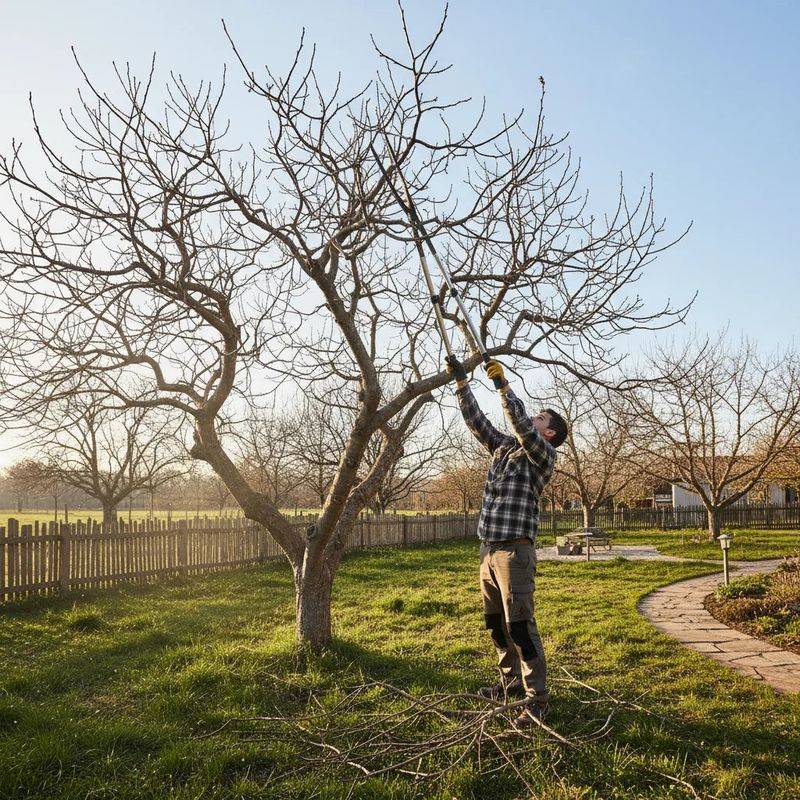
Two common mistakes book-end the freeze season for fig growers: one happens in fall before the cold arrives, and the other happens in late winter or early spring when growers get impatient. Both can make the situation worse than the freeze itself.
Late-season nitrogen fertilization is the fall mistake worth understanding clearly. Nitrogen pushes new vegetative growth, and growth that emerges close to the first hard freeze is tender and poorly hardened against cold.
UGA Extension’s home garden fig publication and UF/IFAS guidance on figs both caution against excessive vigor or late growth heading into winter. If your fig is pushing soft new shoots in October or November, those shoots are among the first tissues to suffer when temperatures drop hard.
Hold off on fertilizing once summer ends and let the plant slow down naturally as days shorten.
Watering deserves a more nuanced answer. Moist soil can hold and release more heat than very dry soil, and a plant under genuine drought stress going into winter is at a disadvantage.
Correcting drought stress before cold weather arrives makes sense. However, UGA Extension’s tree care guidance notes that heavy late-season irrigation can encourage tender growth in some plants, so routine deep watering immediately before a freeze should not be treated as a reliable protection method.
Water to keep the soil from being bone dry, not to flood the root zone in the days before a hard freeze.
After the cold passes, patience becomes the most important tool. Freeze damage in figs is not always immediately visible.
Wood that looks dead may still be alive inside, and wood that looks fine can fail days later as cellular damage becomes apparent. UGA Extension guidance on winter protection of ornamental plants recommends waiting until the danger of additional freezes has passed and new growth begins before removing apparently dead wood.
Pruning too early can cut away tissue that would have recovered, and it can expose fresh cuts to another freeze before the plant has any defense.
Treat container figs as a separate winter case
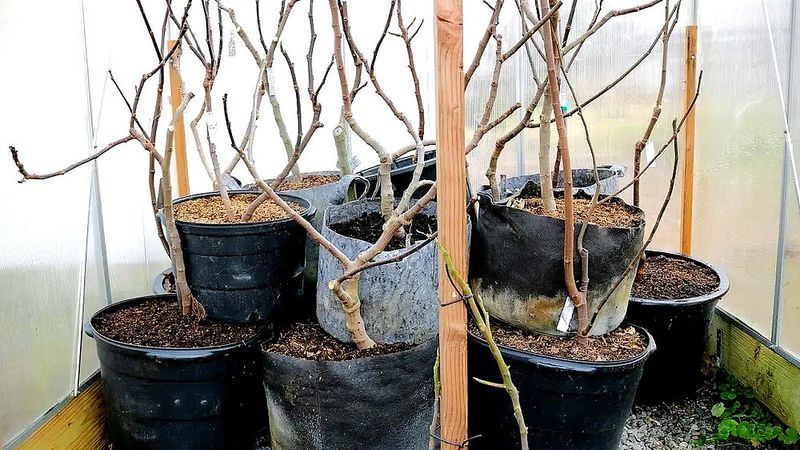
Mounding soil or mulch around a trunk base is a technique built for figs planted in the ground. Container figs face a fundamentally different problem in winter, and applying the same logic to them misses the actual risk.
When a fig grows in a container, its roots sit above ground level, surrounded by a relatively thin wall of pot material instead of the insulating mass of soil that in-ground roots enjoy. During a hard freeze, container roots can reach damaging temperatures much faster than in-ground roots at the same air temperature.
The mound that protects an in-ground trunk base does nothing for a container sitting on a patio or deck with its roots fully exposed to cold air on all sides.
NC State Extension’s guidance on preparing nursery plants for winter and Penn State Extension’s winterizing guide both point to moving container plants to a protected, cool location as the practical solution when severe cold approaches. An unheated garage, a shed, or an enclosed porch that stays above hard-freeze temperatures gives container roots the buffer they need without requiring the plant to experience full outdoor cold.
If moving the container indoors is not practical because of size or weight, insulating the container as a unit is the next option. Wrapping the pot itself in burlap, bubble wrap, or old blankets reduces how quickly the root zone loses heat.
Grouping containers together and pushing them against a sheltered wall also helps. The goal in every case is protecting the roots, which is a different task from protecting an in-ground trunk base.
Knowing which situation you are dealing with before a freeze arrives lets you choose the right approach instead of discovering the mismatch after the damage is done.
Protect the base now, then assess recovery in spring
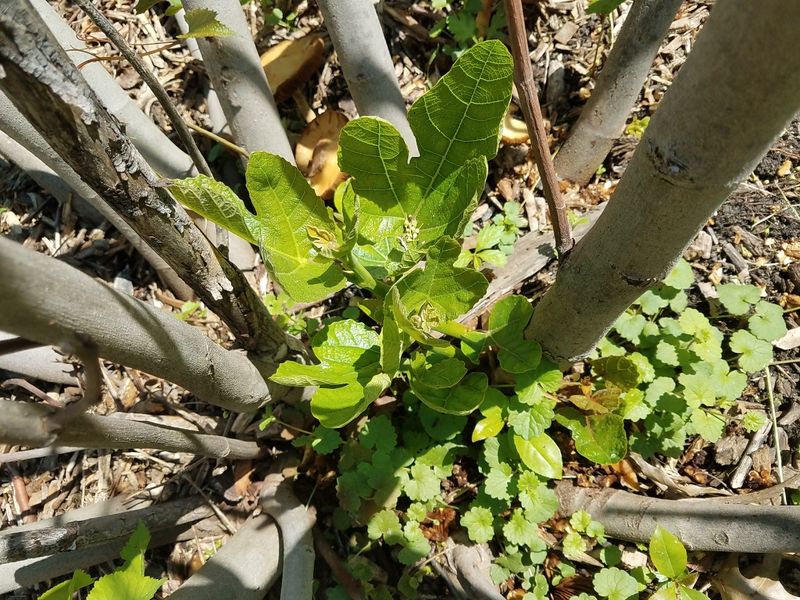
The sequence for protecting a vulnerable in-ground fig before hard cold is fairly direct. Mound loose soil or mulch 1 to 2 feet high around the lower trunk and crown before severe cold arrives.
When the forecast calls for temperatures near or below 20 degrees Fahrenheit, add a supported cover over the above-ground structure using straw, burlap, or a tarpaulin held away from the branches. Remove or vent that cover as daytime temperatures rise, and take down the mound in spring after frost danger has clearly passed and new growth is visible.
After a hard freeze, hold off on pruning until you can see where recovery is actually happening. UGA Extension guidance on ornamental plant winter protection advises waiting until additional freeze danger has passed and new buds or shoots appear before removing apparently dead wood.
Protected lower wood may preserve living tissue that supports regrowth, though NC State’s fig culture guidance notes that fruiting can be delayed and breba crops on older wood may be lost even when the plant itself recovers.
Penn State Extension reinforces that a frozen top does not mean the fig is finished. A fig that comes back from the base is still a productive plant, just one working on a different schedule than the season you had planned.
The most useful thing you can do right now is protect what you have at the base, then let the plant tell you in spring how much it kept.