

A claim making the rounds says one common Florida porch plant can make rats and roaches stop visiting the area. Mint, especially peppermint or spearmint, is the most likely plant behind that idea, and there is real science connecting mint oils to cockroach behavior.
The catch is that the science is more complicated than the headline, and the rat part of the claim does not hold up at all. Here is what the evidence actually shows, and what Florida gardeners can do that genuinely helps.
Mint is a plausible answer, not a confirmed identification
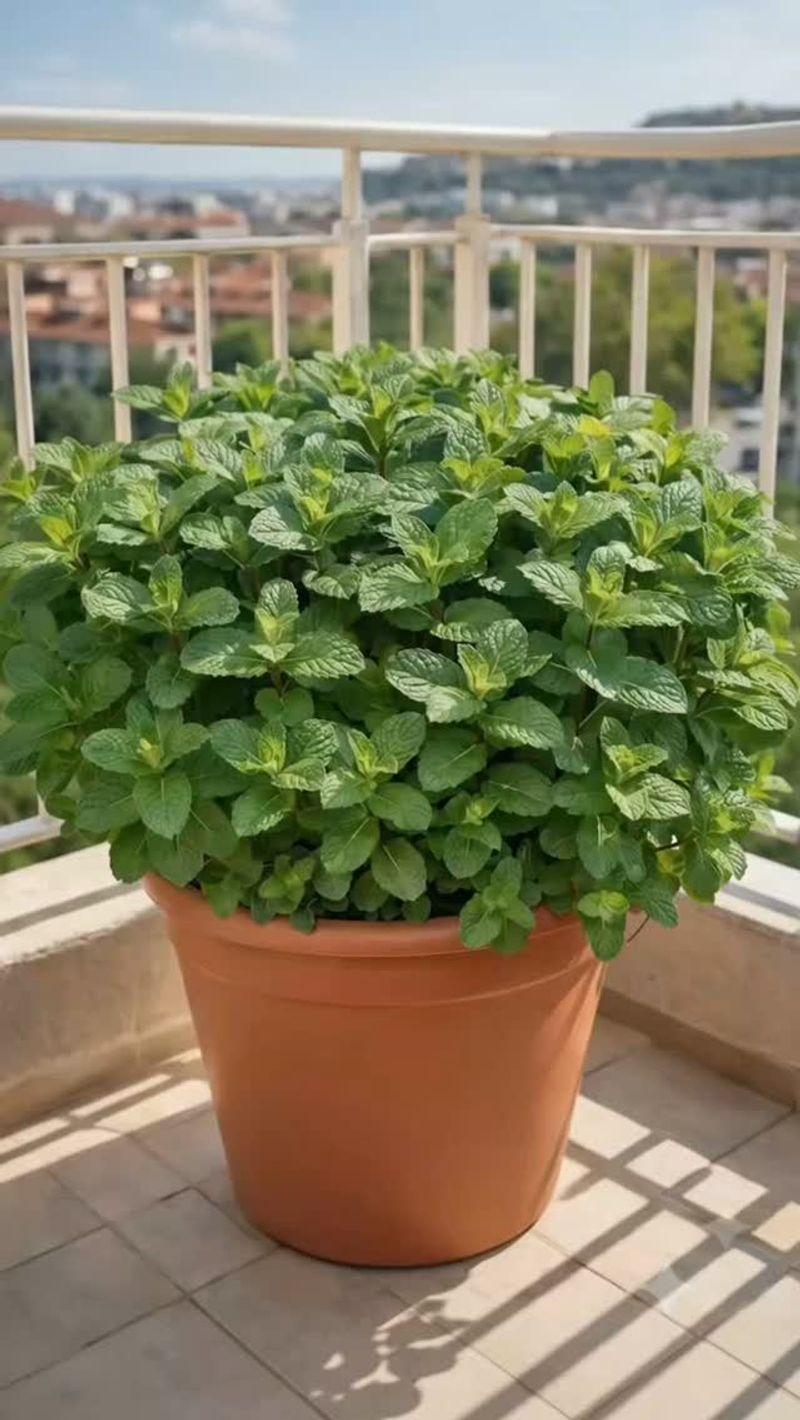
Nobody has publicly identified the exact plant behind the original porch-pest claim, and the available sources do not settle the question. Mint, particularly peppermint (Mentha x piperita) or spearmint (Mentha spicata), is a reasonable guess because it checks two boxes at once: it grows well in Florida, and researchers have studied what mint oils do to certain insects.
UF/IFAS guidance on growing mint in Florida describes the herb as an easy container choice that handles the state’s heat and humidity better than many herbs, which helps explain why it shows up on porches across the state. Separate laboratory work has tested concentrated mint essential oils against specific cockroach species, and those studies found repellent or lethal effects under controlled conditions.
That combination, a Florida-friendly herb with some pest-research attention, makes mint a plausible interpretation of the original claim. Plausible is not the same as confirmed, though.
The studies examined concentrated oils and treated surfaces, not a potted plant sitting outdoors, and no published field research has shown that a live mint plant on a porch causes rats or roaches to abandon the spot.
The corrected premise is narrower and more honest: mint can be a useful, fragrant container herb for a Florida porch, and its scent may have some localized effect on certain cockroaches under the right conditions. Treating it as a reliable pest-control device, or as anything with proven power over rats, goes further than the evidence supports.
What concentrated mint oils do to some cockroaches
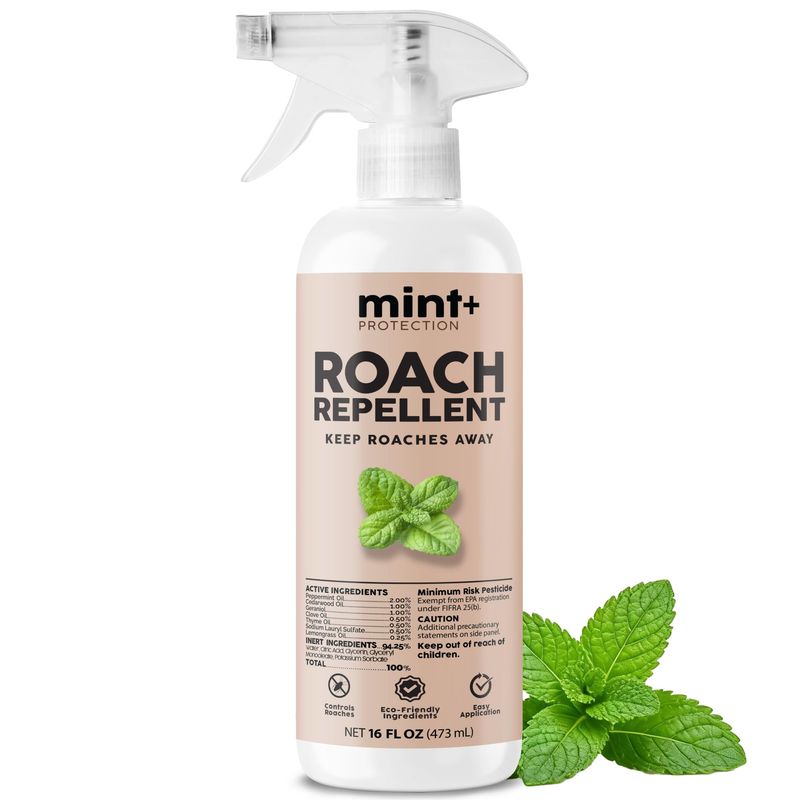
Laboratory research has found that mint essential oil can repel and in some cases kill cockroaches, but the details of how those studies were conducted matter a great deal before drawing conclusions about a garden plant.
An Auburn University study on mint oil against American and German cockroaches applied mint-oil deposits to surfaces and measured how long the treated areas remained repellent. American and German cockroaches both avoided the treated zones for the full 14-day duration of the test.
That is a meaningful result, but the method involved direct oil deposits on surfaces inside a controlled laboratory setting, not ambient scent drifting from a plant pot on a breezy Florida porch.
Other research has examined additional species. A study on brown-banded cockroaches and essential oils reported repellent activity from mint-family plant oils, again using concentrated preparations rather than live plants.
A third line of research, examining Lamiaceae family oils including mint against German cockroaches, found insecticidal effects at tested concentrations.
Taken together, these studies show that mint-derived compounds can interfere with cockroach behavior and survival under laboratory conditions. The tested species include American, German, and brown-banded cockroaches.
Those results do not automatically extend to every Florida cockroach or every outdoor roach species, including the large peridomestic roaches Floridians commonly call palmetto bugs.
The research also does not address porch conditions: airflow, temperature swings, rainfall, plant size, or the difference between a freshly crushed leaf and a plant growing undisturbed in a container. Those gaps are exactly why the science makes a mint scent seem worth considering without proving that a live plant protects a porch.
Researchers have not shown that a live mint plant works the same way
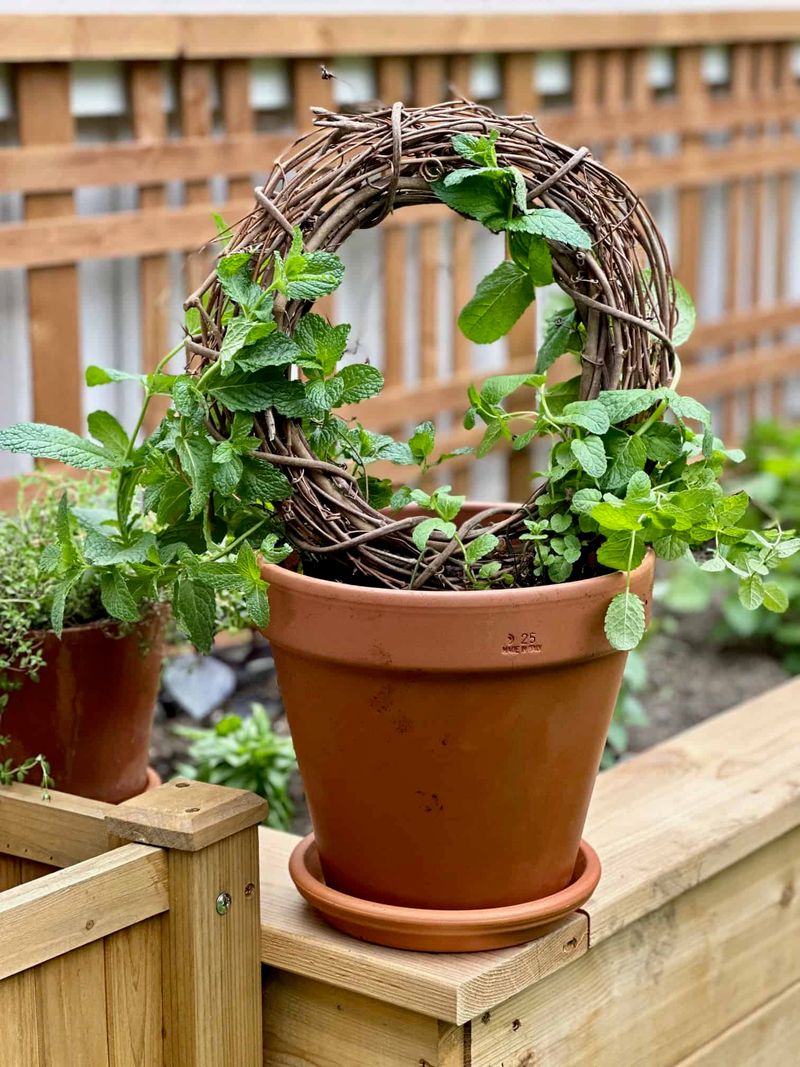
Every study cited in this article tested concentrated mint oil, oil-treated surfaces, fumigation chambers, or direct chemical exposure. None of them measured what happens when an ordinary live mint plant sits in a container on a porch and releases scent naturally into open air.
That distinction matters because the conditions are genuinely different. The Auburn surface-deposit study and the brown-banded cockroach research both relied on precise, measured oil quantities applied directly to test surfaces.
A live plant emits volatile compounds continuously but at variable and unmeasured rates that depend on temperature, humidity, airflow, plant age, and whether leaves have been bruised or disturbed. No published study has compared those two scenarios side by side, so assuming the porch plant performs like an oil-treated laboratory surface is a leap the evidence does not support.
WSU Extension’s companion-planting guide notes broadly that claims about aromatic plants repelling pests in gardens often outpace the supporting evidence. That caution applies here: even if a live mint plant produced a scent-based deterrent effect against one cockroach species in one outdoor setting, that would still mean avoidance rather than elimination.
Avoidance means a cockroach may take a different route to the same food source, the same moisture drip, or the same gap in your wall. It does not remove the food, the water, the eggs already present, the harborage sites, or the entry points that make a porch attractive in the first place.
UF/IFAS guidance on natural pest products places aromatic and botanical options within an integrated pest management framework, not as standalone solutions. A live mint plant may add a pleasant scent to your porch, but readers should not expect it to replicate the performance measured in a controlled oil-deposit study.
Mint does not provide proven rat control
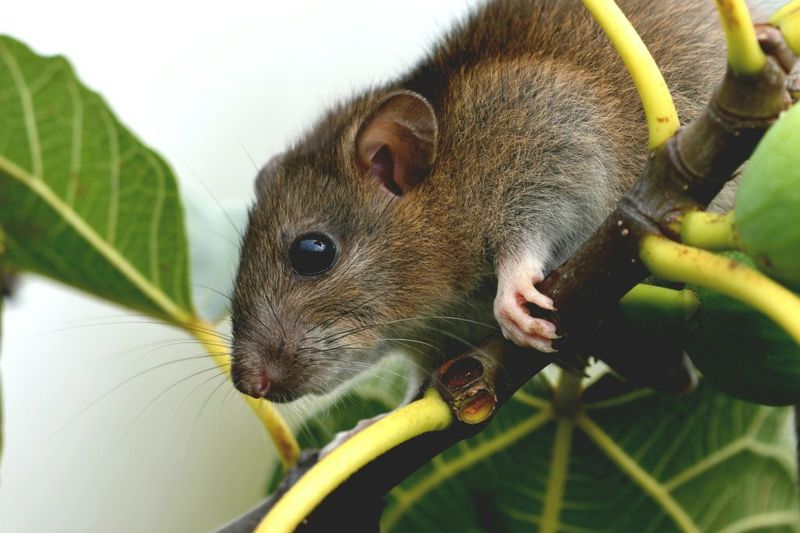
Rats are a separate problem from cockroaches, and the evidence for any plant deterring them is far weaker. Some laboratory work has explored how rats respond to peppermint odors.
A published study on odor preferences in rats found that rats showed aversion to certain odors under controlled conditions, which sounds promising until you consider how rats actually behave in real environments.
Hunger, thirst, and the pressure to find shelter override odor aversion quickly. UC Agriculture and Natural Resources’ rat management guidance states plainly that no plant has been proven to reliably deter rats from homes or gardens, and that commercial odor repellents are generally unreliable in field conditions.
UC IPM’s Pest Notes on rats reinforces that conclusion, noting that repellents have not provided consistent control in studies or in practice.
Florida’s roof rats are particularly resourceful. UF/IFAS guidance on rat and mouse control describes roof rats as climbers that use tree branches, utility lines, and ornamental palms to reach attics, eaves, and porches.
A potted herb at porch level is not going to redirect a rat that has found a food source or a gap in your soffit.
Effective rat management on a Florida porch focuses on removing what attracts them. That means securing garbage cans with tight-fitting lids, bringing in pet food bowls after feeding, cleaning up spilled birdseed, fixing leaky outdoor faucets or drainage problems, and cutting back any tree branches that hang over or touch the roofline.
Dense shrubs, stacked firewood, and clutter stored under porches all serve as harborage. Sealing gaps around pipes, vents, and the foundation with hardware cloth or appropriate caulk cuts off entry points.
When rats are already active, properly selected snap traps or a licensed pest management professional provide control that a mint plant simply cannot.
Grow mint in a contained Florida porch setup
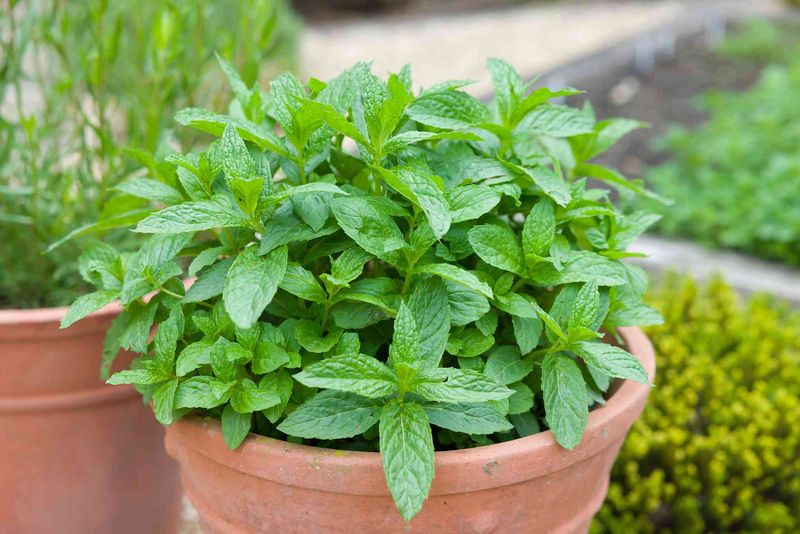
If you want mint on your Florida porch for its herb value, its scent, or the slim possibility of a localized deterrent effect on some cockroaches, growing it well requires a few Florida-specific adjustments. The most important one is containment.
UF/IFAS recommends growing mint in containers because the plant spreads aggressively through underground runners. Left in an open bed, it can take over surrounding plants and become difficult to manage.
A container with solid walls stops runners from escaping, and raising the pot slightly off the porch floor, on a plant stand or pot feet, adds a second line of defense by preventing runners from reaching soil through drainage holes.
Mint performs best in moisture-retentive potting mix, which is worth specifying because Florida’s sandy native soil drains too fast for most mint varieties. A standard container mix with some added compost or moisture-retaining material works better than native soil scooped from the yard.
Pick a container large enough to hold a meaningful root system, since small pots dry out faster, especially on a south- or west-facing porch that catches full afternoon sun.
UF/IFAS Sarasota County’s container gardening guidance notes that containers in Florida may need watering more frequently than in-ground plantings, particularly during dry stretches or on exposed surfaces that heat up in the afternoon. Mint prefers light or partial shade in Florida rather than full blazing sun all day.
A porch with a roof overhang or afternoon shade from a wall or nearby tree is usually a better placement than a fully exposed spot.
Peppermint and spearmint are the most commonly available varieties and the ones with the most pest-research attention. Apple, orange, and chocolate mint are also listed as Florida-growing options and work the same way in containers.
Pinch off flower heads as they appear to keep plants producing fresh leaves and to slow the plant’s tendency to go woody. These are plant-care steps, not pest-control strategies, and keeping that distinction clear helps set realistic expectations for what a potted mint can and cannot do on your porch.
Use exclusion and sanitation for actual pest management
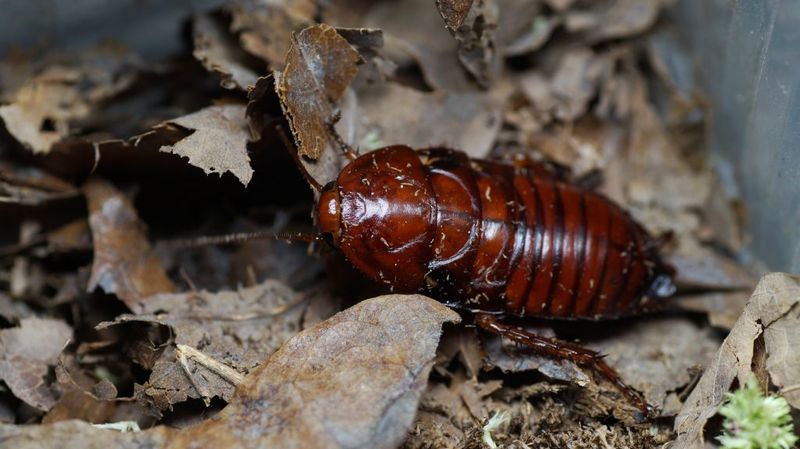
A mint plant, even a healthy and well-placed one, does not address the conditions that make a porch attractive to pests. Exclusion and sanitation do, and both can be done without special equipment or professional help in most cases.
For cockroaches, sanitation comes first. Remove food debris, grease, and moisture from the porch surface.
Fix dripping outdoor faucets, clear standing water from pot saucers, and do not leave pet food outside overnight. After sanitation, seal the routes roaches use to enter.
UF/IFAS guidance on cockroach management recommends caulking cracks and crevices around door frames, utility penetrations, and the junction between the porch floor and wall. Monitoring with sticky traps shows where cockroaches are active before you treat, which prevents wasted effort.
When treatment is needed, gel baits placed in cracks, corners, and harborage areas are the preferred option because they target roaches directly. One practical note: do not spray liquid insecticides in the same areas where bait has been placed, because the spray can repel roaches away from the bait and make it ineffective.
Rat management on a Florida porch follows a similar sequence. UF/IFAS rat and mouse control guidance identifies food removal, harborage reduction, and entry-point sealing as the core steps.
Trim tree branches that overhang or touch the porch roof, since roof rats use those as access routes. Store birdseed in sealed metal containers, secure garbage, and remove any dense ground cover or stacked materials that provide nesting spots.
Seal gaps around pipes, vents, and the foundation with hardware cloth or copper mesh rather than foam alone, since rats can chew through soft materials.
When active infestations are present, snap traps placed along walls and in travel paths are a reliable mechanical option. EPA guidance on rats and mice supports rodenticide use as part of a managed program when trapping alone is not sufficient.
For persistent or large infestations, UF/IFAS guidance on selecting a pest control service explains what to look for in a licensed professional and what questions to ask before signing a contract. These steps, not a porch plant, are where dependable pest management actually begins.
Do not turn mint into a homemade essential-oil treatment
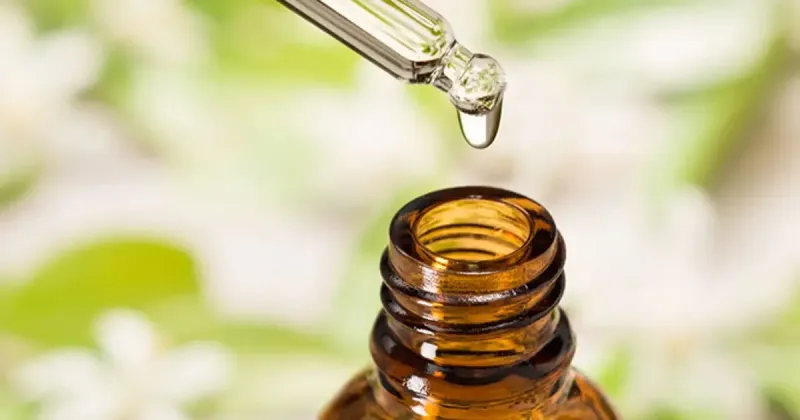
Some readers who hear about mint and cockroaches take the next step of making a homemade peppermint oil spray and applying it around doors, baseboards, or outdoor surfaces. That step moves beyond what the evidence supports and introduces safety concerns that a container herb does not.
Concentrated essential oils are chemically different from the scent a live plant releases. The ASPCA lists mint as toxic to dogs, cats, and horses when ingested in large amounts, with vomiting and diarrhea as possible effects.
That warning applies to the plant itself at significant ingested quantities, and the risk increases considerably with concentrated oil. ASPCA guidance on essential oils around pets specifically warns against applying concentrated essential oils directly to animals and cautions about exposure in enclosed or poorly ventilated spaces.
A potted mint plant growing in a container outdoors is a different exposure scenario from spraying undiluted or lightly diluted oil on surfaces where a dog walks, a cat rubs against the door frame, or a child plays on the floor. Keep those two things separate when making decisions about your porch.
UF/IFAS guidance on natural pest products notes that efficacy and long-term safety data are not established for many homemade botanical formulations and recommends using any natural product within an integrated pest management program rather than as a routine standalone spray. Homemade peppermint oil mixtures lack standardized concentration, residue data, or evidence of field effectiveness against Florida pests.
Growing mint in a container for its herb and scent value is a reasonable choice; mixing up oil sprays and applying them around pets, children, or food-prep areas is a different matter that the available evidence does not support as a default pest-control practice.
Treat mint as a useful herb, not a pest guarantee
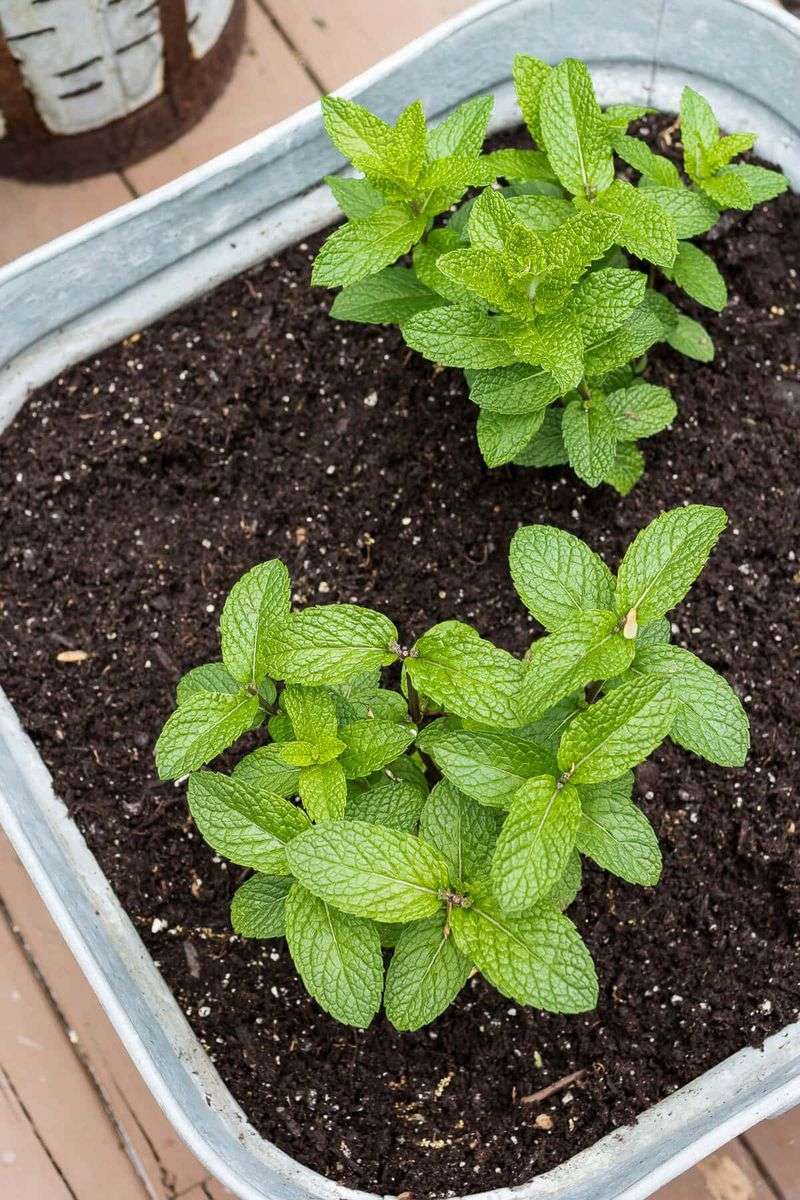
Potted mint earns its place on a Florida porch through its cooking uses, its pleasant scent, and its genuine adaptability to container life in a warm, humid climate. UF/IFAS confirms mint as a practical Florida container herb, and that is a legitimate reason to grow it.
What a live mint plant cannot do is guarantee that rats leave or that cockroaches stop coming around. The rat claim has no meaningful support from field research, and university extension guidance is clear that no plant reliably deters rats in homes or gardens.
The cockroach picture is more nuanced: laboratory evidence involving concentrated oils shows real effects on certain species, but those studies did not test live plants in outdoor conditions, and UF/IFAS places exclusion, sanitation, monitoring, and targeted baiting at the center of cockroach management rather than aromatic plants.
A mint container can complement a pest-management plan without carrying the whole load. Pair it with sealed gaps, dry surfaces, secured food, and monitoring traps, and the porch becomes genuinely less hospitable to pests.
The mint contributes scent and fresh herbs for the kitchen; the structural and sanitation steps do the actual pest work.
Expect the herb to need regular watering, occasional pinching, and containment attention. That is the honest maintenance picture for a Florida porch mint, and it is a fair trade for a plant that earns its keep through flavor and fragrance rather than through promises it cannot keep.