
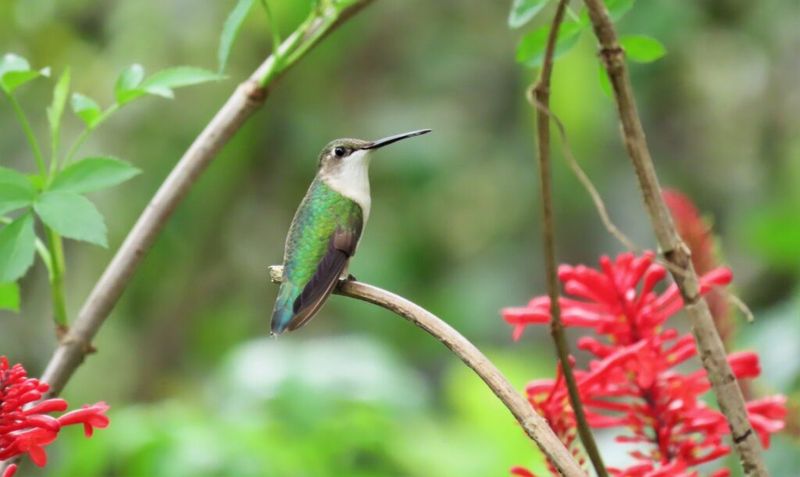
Fall migration is a hungry season for hummingbirds moving through Florida. Tiny birds burn energy fast, so a useful yard can feel like a roadside diner, rest stop, and safe shelter all at once.
The best part is that small changes in your garden can make a real difference. Offer the right mix of food, water, and cover, and your yard may get far more wingbeats this season.
1. Fresh nectar feeders kept clean
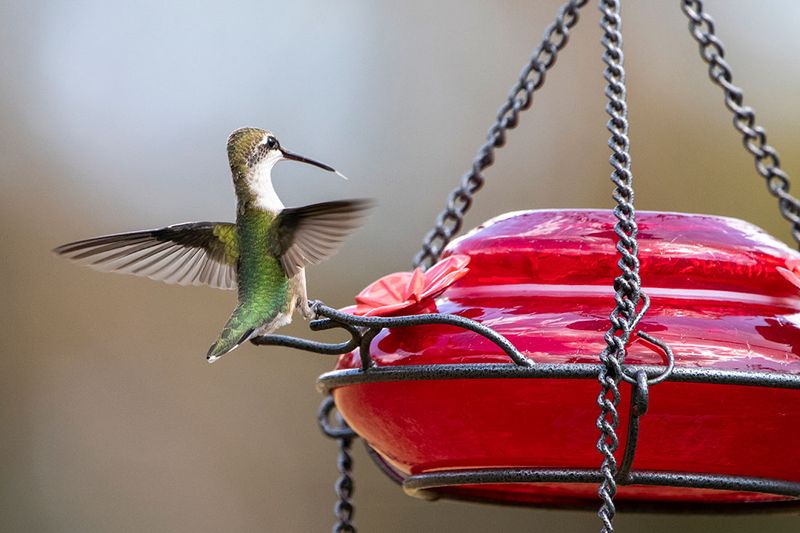
A sticky feeder in September can either be a lifesaver or a problem, depending on how it is cared for. Florida heat can spoil sugar water quickly, even when the calendar says fall, so fresh nectar is the first thing migrating hummingbirds need from a yard.
Use the simple mix of 1 part plain white sugar to 4 parts water, with no red dye, honey, brown sugar, or artificial sweetener. Dye is not needed, and extra ingredients can be risky for birds.
A red feeder base or a red ribbon nearby is enough to catch attention.
In warm Florida weather, change nectar every 1 to 2 days if it looks cloudy or if temperatures are high. Wash feeders well with hot water, and scrub ports where mold can hide.
If you see black specks, sour smell, ants, or cloudy liquid, dump it right away.
Placement matters, too. Hang feeders where you can reach them easily, ideally with light afternoon shade and a clear view from a window.
A clean, reliable feeder can become the yard feature hummingbirds check again and again as they move south or settle briefly along the way.
2. Red tubular flowers that bloom into fall
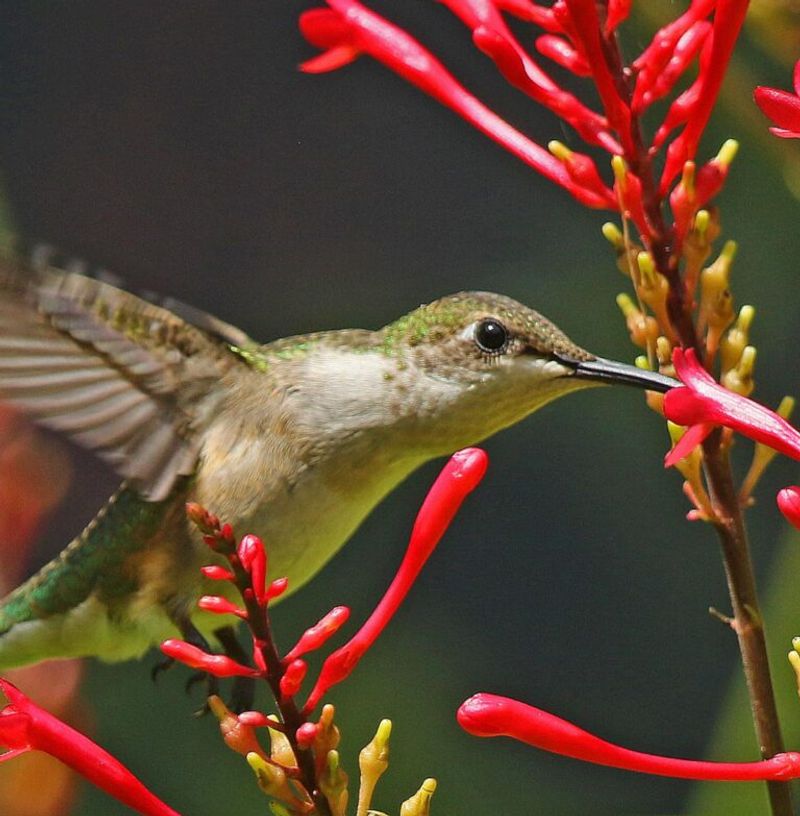
Bright red flowers are like little flags waving over a buffet. Hummingbirds notice red and orange blooms fast, especially when the flowers are tubular and shaped for their long bills.
For Florida yards, fall bloom time is the big secret. A beautiful spring plant does not help much if it is finished by migration season.
Firebush, coral honeysuckle, tropical sage, scarlet salvia, and red firespike can give hummingbirds natural nectar when many summer flowers are fading or looking tired.
Native and Florida-friendly choices also tend to handle local pressure better, including sandy soil, heat, and bursts of heavy rain. Firebush is a standout in many parts of the state because it brings color, handles warm conditions, and feeds more than hummingbirds.
Butterflies and other pollinators often visit it, too.
Plant in groups instead of scattering one flower here and one flower there. A cluster is easier for a fast-moving bird to spot from above.
Near a porch, fence, or back border, a patch of red tubular flowers can turn a plain corner into a migration stop with color that still looks good for people.
3. Layered shelter from shrubs and small trees
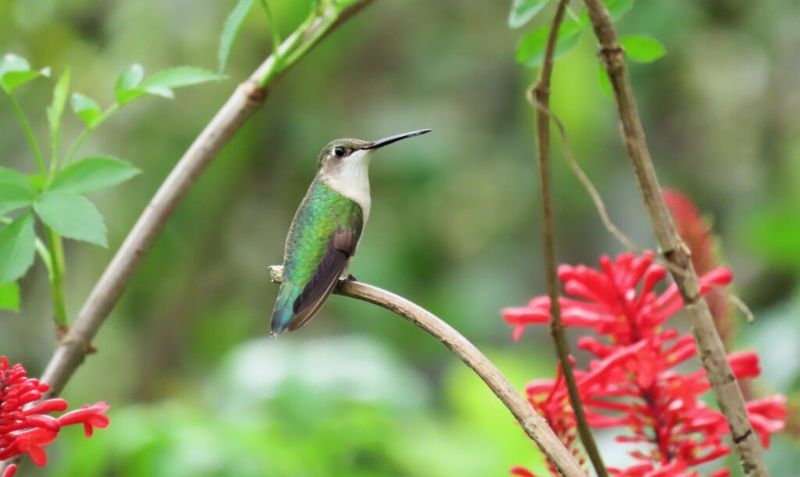
After a long flight over neighborhoods, roads, and open water, a hummingbird does not want to eat in the middle of nowhere. It wants a quick escape route.
Shrubs and small trees give that tiny bird a place to perch, hide, and watch before it burns more energy.
A layered yard works better than a flat, open lawn. Think of it as building rooms outdoors: low flowers for feeding, medium shrubs for cover, and small trees for resting.
In Florida, native or Florida-friendly plants such as Simpson stopper, beautyberry, wax myrtle, buttonbush in wetter spots, and yaupon holly can add structure without needing constant fuss.
Shelter also helps during rough fall weather. Migration season overlaps with storms, gusty afternoons, and sudden downpours.
Dense plantings let small birds tuck away from wind and predators while still staying close to nectar sources.
Leave a little breathing room around feeders so hummingbirds can fly in and out, but keep cover within a short dash. A feeder hanging near a shrub border often feels safer than one stranded in the center of a bare patio.
The goal is not a jungle, just a yard with edges, perches, and leafy places to pause.
4. Tiny insects supported by pesticide-light gardening
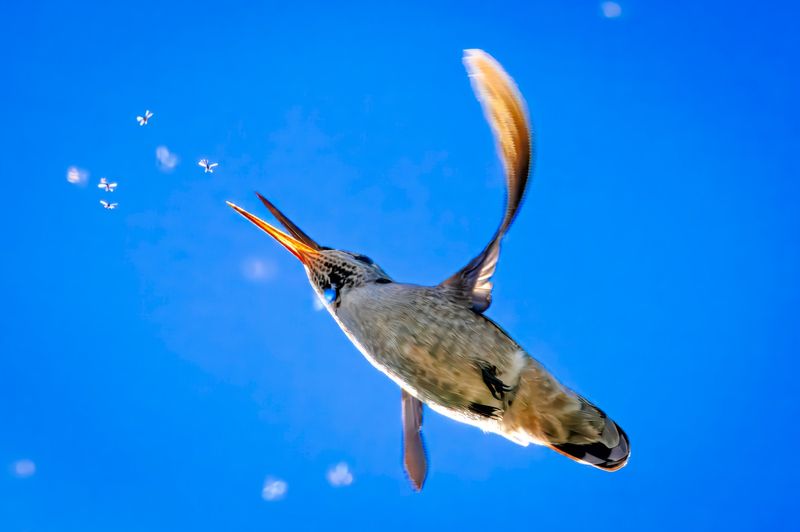
Nectar gets the attention, but insects are the protein. Hummingbirds eat tiny flies, gnats, spiders, aphids, and other small arthropods, especially when they need strength for migration.
A yard with flowers but no insects is missing part of the menu.
Heavy pesticide use can make a garden look tidy while quietly removing the food hummingbirds need. Broad-spectrum sprays may also affect pollinators and beneficial insects that help keep pests in balance.
In Florida, where pests can feel nonstop, the better plan is targeted control instead of blanket spraying.
Start with simple steps. Hose aphids off tender growth, prune badly infested tips, and identify the pest before treating.
If a product is needed, follow the label exactly and avoid spraying open blooms where hummingbirds and pollinators feed. Evening applications, spot treatments, and less toxic options can reduce unwanted harm when used carefully.
Spiders deserve a little mercy, too. Hummingbirds may steal silk for nests in breeding season, and small spiders can become food.
A slightly wilder corner with leaf litter, native plants, and no routine spraying can turn into a living pantry. It may not look perfect, but it helps your yard function like habitat.
5. Shallow moving water for quick bathing
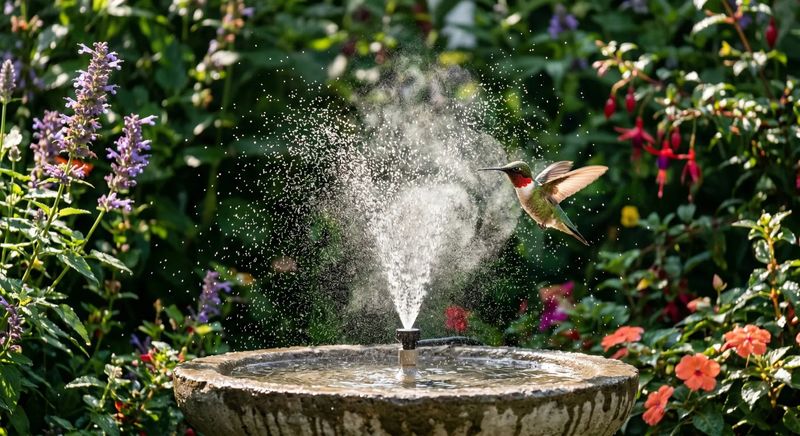
A deep birdbath is built for robins, not hummingbirds. These tiny birds usually prefer fine mist, dripping water, wet leaves, or a shallow bubbler where they can zip through spray and preen safely.
Water can be especially useful during Florida fall, when hot days often linger and migration takes plenty of energy. A small solar bubbler, a dripper over stones, or a mister aimed at leafy branches can make your garden more inviting.
Keep the water shallow, clean, and easy to escape from.
Mosquitoes are the obvious Florida concern, so moving water is your friend. Empty and scrub still basins often, refresh saucers, and avoid leaving hidden containers where mosquitoes can breed.
If you use a fountain, make sure the pump keeps water moving and the basin is cleaned before algae takes over.
Place water near plants, not in a wide-open hot spot. Hummingbirds like cover close by, and people enjoy the sound of a little bubbling water near a porch or seating area.
As a bonus, moving water may attract other birds, dragonflies, and beneficial wildlife, giving the yard a livelier fall feel without adding much maintenance.
6. Multiple feeding spots to reduce chasing
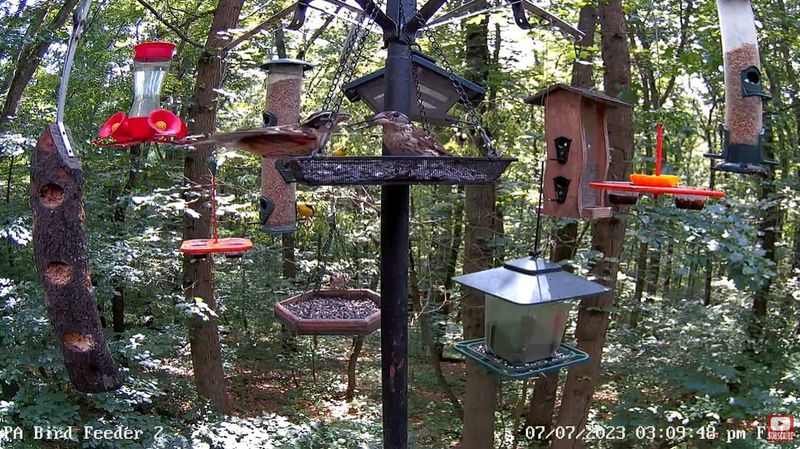
One bossy hummingbird can turn a feeder into a tiny airport with a control tower. During migration, a single bird may guard a nectar source and chase every visitor away, even when there is plenty of food.
The fix is not always a bigger feeder. Several smaller feeding spots often work better because one bird cannot defend them all at once.
Put feeders out of sight from each other if possible, such as one near the porch and another around the side yard, or one by a shrub border and one near a patio tree.
Flower patches can be used the same way. A row of firebush in one area and a clump of salvia in another gives tired migrants more choices.
This matters in small Florida yards, where open space is limited and birds can easily dominate one central spot.
Keep every feeder clean, even the backup feeder that sees less action. A dirty second station is not helpful.
If ants are a problem, use an ant moat and avoid letting nectar drip onto the outside. By spreading resources around, you make the yard less like a single crowded gas pump and more like a friendly rest area with several open lanes.
7. A bloom schedule that bridges late summer and fall
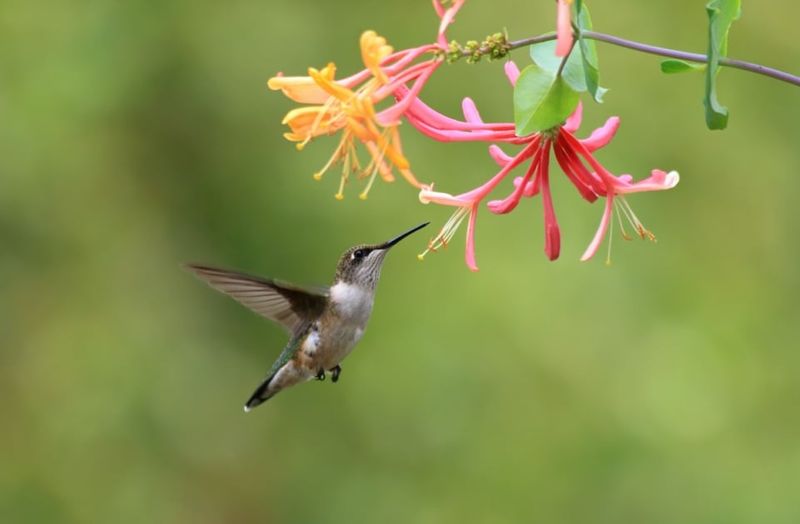
The yards that win migration season are not always the fanciest. They are the ones with something blooming when hungry birds actually arrive.
In much of Florida, fall movement can overlap with late summer heat, tropical weather, and tired-looking garden beds.
Plan for a bridge season, not a neat northern-style fall. Keep reliable warm-season bloomers going, then add plants that carry color into autumn.
Firebush, salvia, porterweed, coral honeysuckle, firespike, and crossvine can help fill gaps, depending on your part of Florida and your site conditions.
Sandy soil makes planning even more important. Add compost to planting areas where appropriate, mulch to hold moisture, and choose plants suited to your yard rather than forcing thirsty plants into fast-draining ground.
In flood-prone spots, pick species that tolerate wetter feet instead of planting the same thing everywhere.
A simple calendar can help. Note what blooms in August, September, October, and November, then look for empty weeks.
Fill those gaps with nectar plants before migration peaks, not after the birds have already passed through. When feeders, flowers, shelter, insects, water, and timing all line up, your yard becomes more than pretty.
It becomes a useful Florida stopover when tiny travelers need it most.