

Mosquitoes can turn a Florida evening into a race back indoors. Bats will not erase every mosquito, but they are nighttime insect hunters that can make your yard part of a healthier pest-control system.
The trick is giving them a safe place to feed, drink, and rest without making your yard harder to maintain. Here are seven practical features that bat-friendly Florida yards often have in common.
1. A properly placed bat house
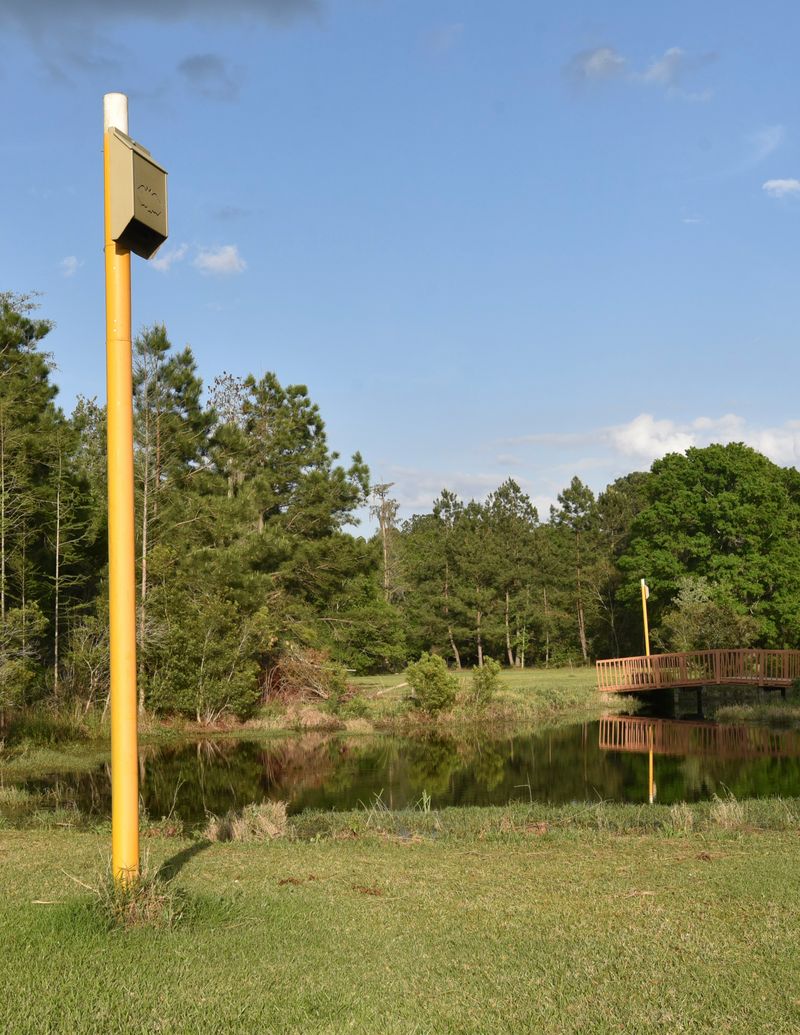
A bat house works best when it feels less like decoration and more like real shelter. In Florida, that means height, warmth, and a clear flight path matter more than cute placement on a shady fence.
Mounting a bat house about 12 to 20 feet high on a pole or building gives bats room to drop and fly. A spot with morning sun is often useful, especially in North and Central Florida, while parts of South Florida may need some protection from the harshest afternoon heat.
Skip placing it deep in dense tree branches. Predators can reach it more easily there, and bats may not like squeezing through leaves every time they come and go.
Look for designs with rough interior surfaces, narrow chambers, good ventilation, and weather-resistant wood. UF-IFAS and bat conservation groups often recommend thoughtful placement over simply buying the biggest box you can find.
Give it time, too. Bats may take months, or longer, to move in.
A well-placed house is not an instant mosquito switch, but it can become one of the strongest signals that your yard is a safe nighttime stop.
2. Open flying space near feeding areas
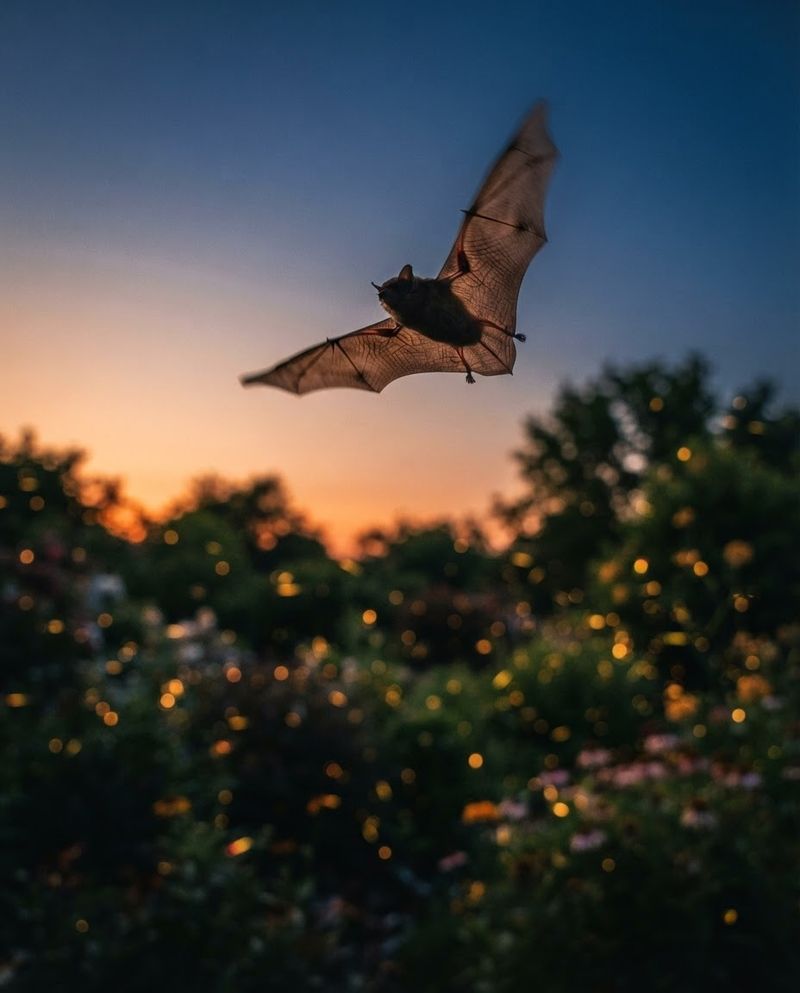
Picture a tiny fighter jet trying to hunt in a crowded closet. That is what a cluttered yard can feel like to a bat searching for insects at night.
Bats need space to swoop, turn, and chase flying insects. A yard with a small open corridor beside plant beds, a pond edge, or a lawn path can be much easier for them to use than a yard packed wall-to-wall with dense growth.
This does not mean stripping the landscape bare. In Florida, a mix of layered planting and open air often works better than either extreme.
Keep shrubs and small trees grouped along borders, then leave some clear routes through the middle or along the side yard.
Open space also helps bats patrol areas where mosquitoes gather, such as near damp mulch, shaded patios, and thick vegetation. If your yard backs up to a canal, preserve, retention pond, or greenway, keeping a clear flight lane on your side can make the space more useful after sunset.
For homeowners, this feature has a nice bonus. Cleaner edges, wider paths, and less overcrowding usually make the yard look neater and improve airflow, which can also make mosquito resting spots less comfortable.
3. Native night-blooming and evening-scented plants
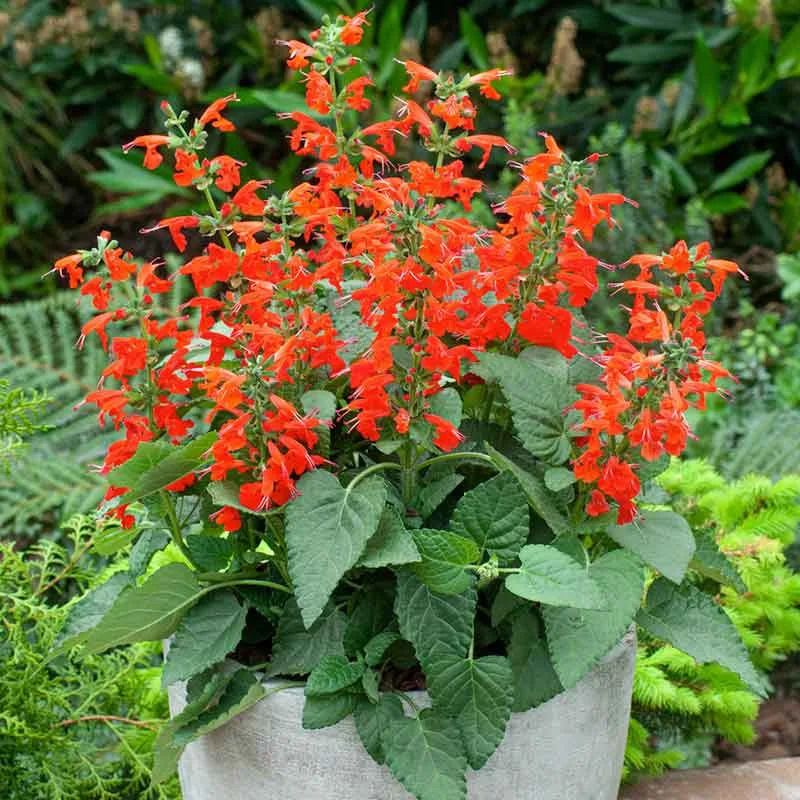
Some of the best bat support starts with flowers, not with bats. Night-blooming and evening-scented plants attract moths, beetles, and other flying insects, which can help create a steady buffet for local bats.
For Florida yards, stay grounded in plants suited to heat, humidity, sandy soil, and your region of the state. Native and Florida-Friendly options are usually the safer starting point because they fit local wildlife better and often need less pampering once established.
Coral honeysuckle, firebush, dotted horsemint, beautyberry, and native grasses can all support insect life in different ways, even if they are not all night bloomers. The larger idea is to build a yard that produces insects naturally instead of relying on bare turf and frequent spraying.
Avoid turning the whole bed into a mosquito nursery. Choose plants for nectar, structure, and seasonal bloom, then keep water from sitting in saucers, clogged gutters, or folded tarps.
In warm Florida seasons, blooms can stretch across much of the year. That long growing window is a gift for bats because it can keep insect activity going long after northern gardens have gone quiet.
4. A clean water source that does not breed mosquitoes
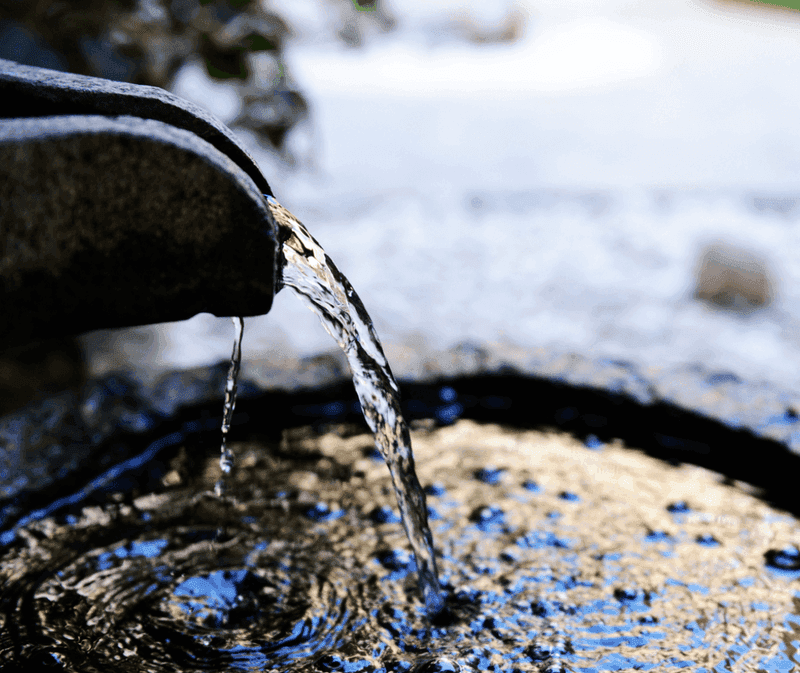
Water is where many Florida mosquito problems begin, but a smart water source can still help wildlife without making the problem worse. The difference is movement, maintenance, and design.
Bats drink while flying, often by skimming the surface of open water. A long, clear stretch is better than a tiny bowl tucked under shrubs.
Most small suburban yards will not offer perfect drinking conditions, but a clean pond, pool, canal edge, or wide water feature may still add value if bats already use the area.
The mosquito risk comes from stagnant water. Birdbaths, plant saucers, buckets, clogged drains, and low spots can produce mosquitoes quickly in Florida heat.
Empty or refresh small containers often, and use a pump, bubbler, or mosquito dunks labeled for the setting when appropriate.
If you have a pond, add movement and avoid overgrown edges where mosquitoes can hide. Native wetland plants can look beautiful, but they should not create a thick, still mat across the whole surface.
Handled well, water supports bats, birds, dragonflies, and other mosquito predators. Handled poorly, it becomes the yard feature mosquitoes thank you for.
5. Less broad-spectrum pesticide use
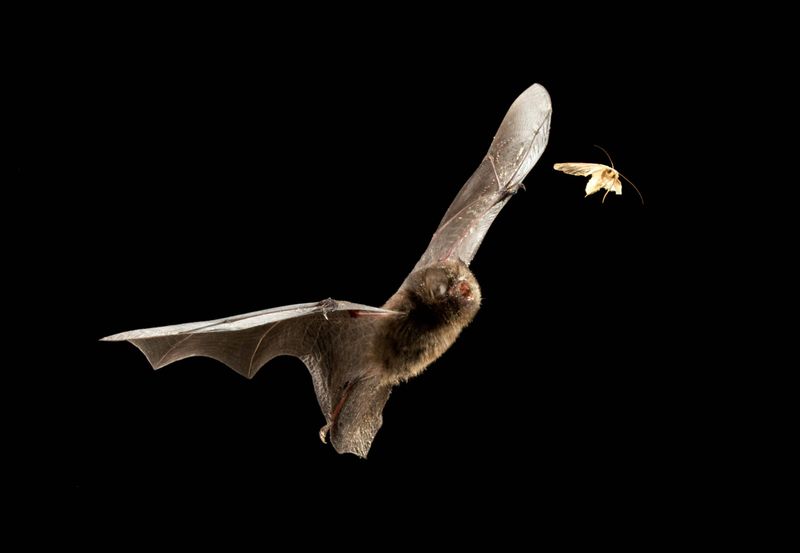
A yard sprayed on autopilot can look tidy for a while, but it may also remove the very insects bats depend on. Broad-spectrum pesticide routines do not only hit mosquitoes, and that is the problem.
Bats eat many kinds of night-flying insects. If the landscape is treated heavily and often, there may be less food moving through the yard after dark.
Some chemicals can also affect insects up the food chain, which is one reason wildlife-aware pest control matters.
Florida homeowners do not have to ignore pests to be bat-friendly. A better approach is integrated pest management, often called IPM.
That means identifying the pest, fixing the cause, using the least risky method first, and saving stronger treatments for targeted situations.
For mosquitoes, remove standing water before reaching for sprays. Keep gutters clear, dump plant saucers, rinse bromeliad cups if needed, and check tarps, toys, and wheelbarrows after rain.
When treatment is necessary, spot-treat problem areas and follow the label exactly. A yard that avoids constant blanket spraying is more likely to support bats, pollinators, dragonflies, and the other quiet helpers that make outdoor living easier.
6. Dark, calm corners after sunset

Bright outdoor lighting can make a backyard feel safe to people, but too much glare can change how wildlife uses the space. Bats often do better when at least part of the yard stays dark and quiet after sunset.
That does not mean you need to stumble across the patio. Use shielded, downward-facing lights where people walk, then leave garden edges, tree lines, and bat house areas out of the spotlight.
Warm-colored bulbs are usually less harsh than cool white or bluish lights.
Florida yards often have outdoor living areas that stay active well into the evening. Pool cages, lanais, porch lights, and security lights can all add up.
If every corner is lit like a parking lot, some bats may avoid feeding close to the house.
Motion sensors can help because lights turn on only when needed. Timers are useful too, especially for landscape lighting that accidentally burns all night.
A darker edge also makes the yard feel more natural. Pair it with tidy paths and smart fixture placement, and you get a space that is safer for people while still giving nocturnal wildlife room to work.
7. Nearby trees, snags, and layered shelter
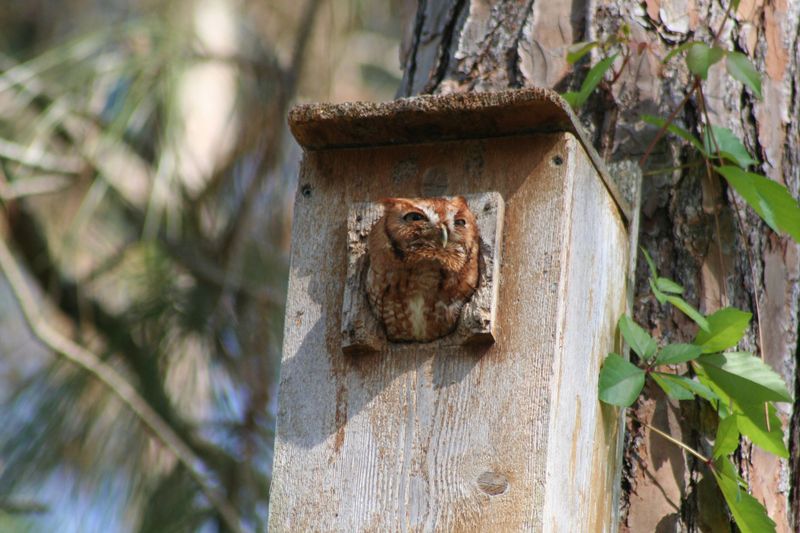
An older tree at the back fence can be more than shade. For bats, mature trees, palm skirts where allowed, loose bark, cavities, and nearby wooded edges can offer resting spots, travel routes, and protection.
Not every Florida neighborhood can keep dead trees standing, especially with hurricanes, insurance concerns, and falling-limb risks. Safety comes first.
Still, a snag in the right place, shortened by an arborist and away from buildings, can be valuable wildlife habitat if local rules allow it.
Layered shelter is the easier option for many homes. A border with native trees, shrubs, grasses, and leaf litter supports more insects than a thin strip of turf.
It also gives bats a richer hunting zone near the edge of the yard.
Live oak, slash pine, cabbage palm, Simpson stopper, wax myrtle, and beautyberry can fit different Florida sites, but the best choice depends on your soil, salt exposure, space, and flood pattern. UF-IFAS plant resources are helpful for matching the plant to the place.
Storm readiness matters here. Prune correctly, avoid topping trees, and remove hazardous limbs before peak storm threats.
A bat-friendly yard should still be a safe yard for the people living under it.