
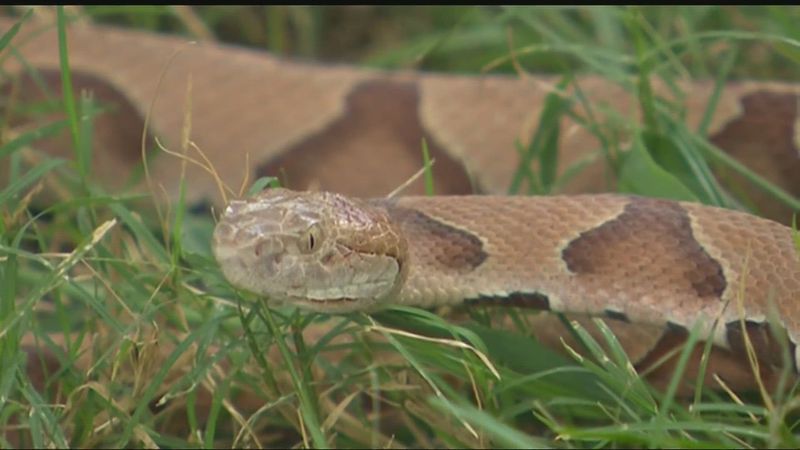
You lift a pile of wet leaves by the porch and spot a banded snake the color of the leaves themselves. It is easy to assume the neighborhood is suddenly crawling with copperheads.
But one snake does not prove a trend, and the real story is more useful than the rumor. Here is what is known about copperheads in Central Texas, and how to keep your family and pets safe during fall cleanup.
A porch encounter does not establish a local trend
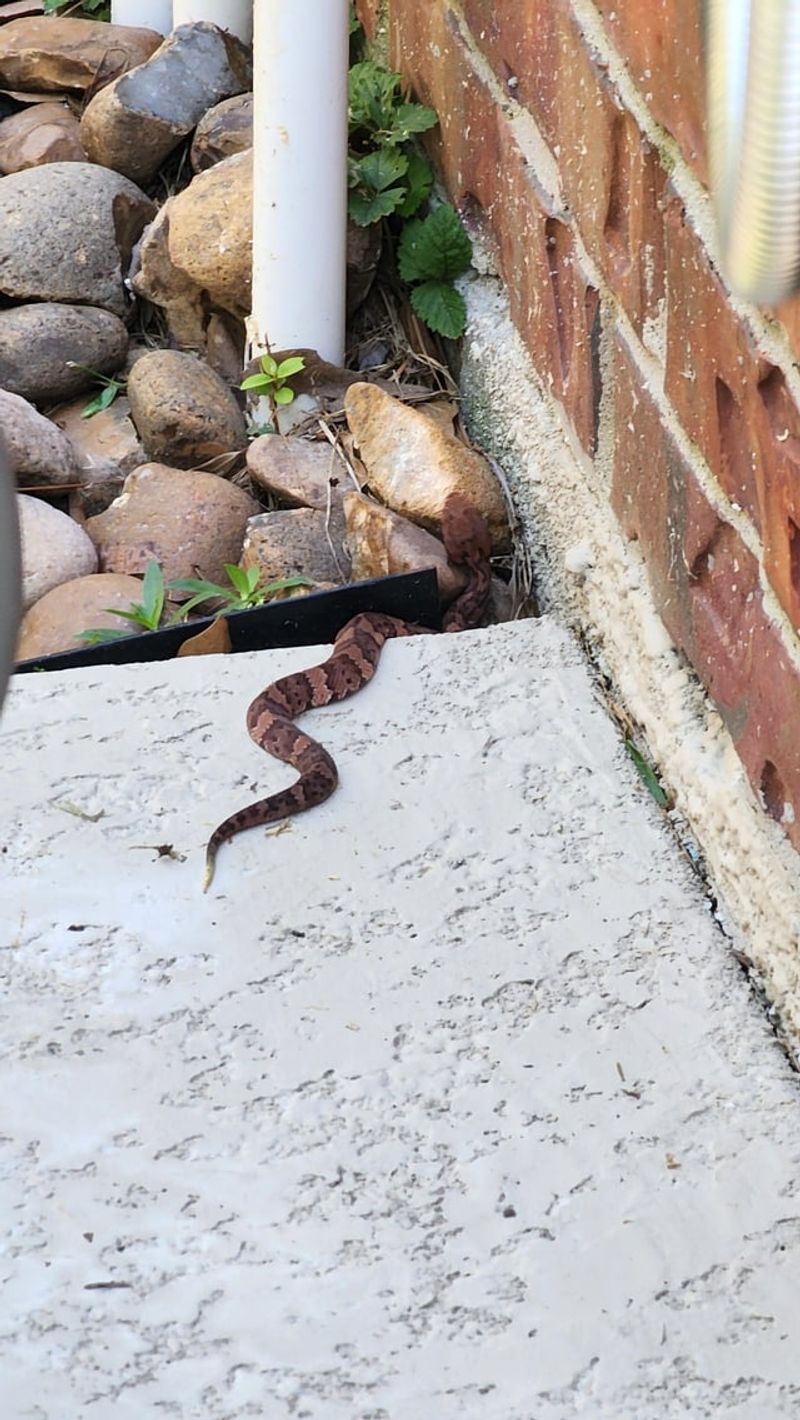
Seeing a copperhead near your porch is startling, and it is natural to wonder if there are more of them this year. The honest answer is that no reliable public data shows more copperheads in Central Texas yards this fall, or more porch sightings.
One snake in your yard, or a few on your street, tells you about your yard and your street. It does not tell you about the whole region.
A sighting and a population increase are two different things. To say there are more snakes, someone would need to compare reports or surveys across years, and that kind of local count has not been found.
So the claim that Central Texas is overrun this fall is a rumor, not a reported fact.
What is well documented is that copperheads live in Texas and that they hide well. Texas Parks and Wildlife safety guidance lists copperheads among the state’s venomous snakes.
TPWD’s southern copperhead profile notes that the snakes can blend into leaf litter and hide in woody debris.
Fall is also when many of us finally rake, bag, and haul away the mess. That work puts hands, feet, and rakes close to spots where a snake may already have been resting out of sight.
The snake may not have moved in at all. You may simply have found it.
Copperhead range and fall behavior vary across Central Texas
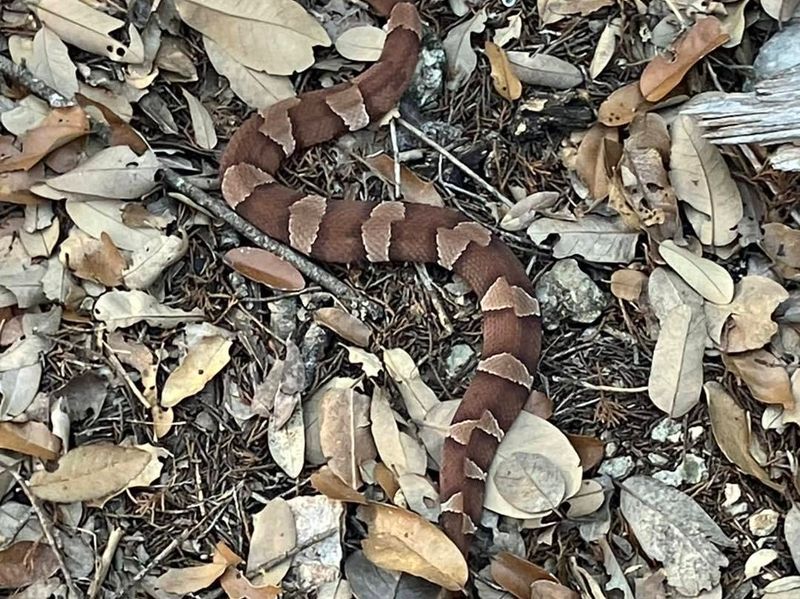
Central Texas is not one uniform copperhead neighborhood. Habitat changes as you move from Hill Country limestone to blackland prairie to the wooded creeks and neighborhoods near the eastern edge of the region.
The snakes you might meet change with it.
According to TPWD venomous snake safety information, broad-banded copperheads are found in central and western Texas, where they are widely scattered. Southern copperheads are listed for roughly the eastern third of the state.
Which one lives near you depends on where you are.
That matters because much of the detailed life history comes from the southern copperhead. TPWD lists fall mating from August through October for that species.
It makes autumn activity plausible for southern copperheads, but it does not show that broad-banded copperheads in your part of Central Texas behave the same way.
It also does not prove that sightings are rising, and it cannot explain why one snake showed up by your steps. A single encounter can come from many ordinary things: the weather that day, the cover nearby, or simple chance.
The practical takeaway is to treat any copperhead season as local and variable. If you live near a creek, greenbelt, or wooded lot, stay alert in warm weather, and do not rely on a calendar to tell you when a yard is safe.
Cleanup can expose a snake that was already concealed
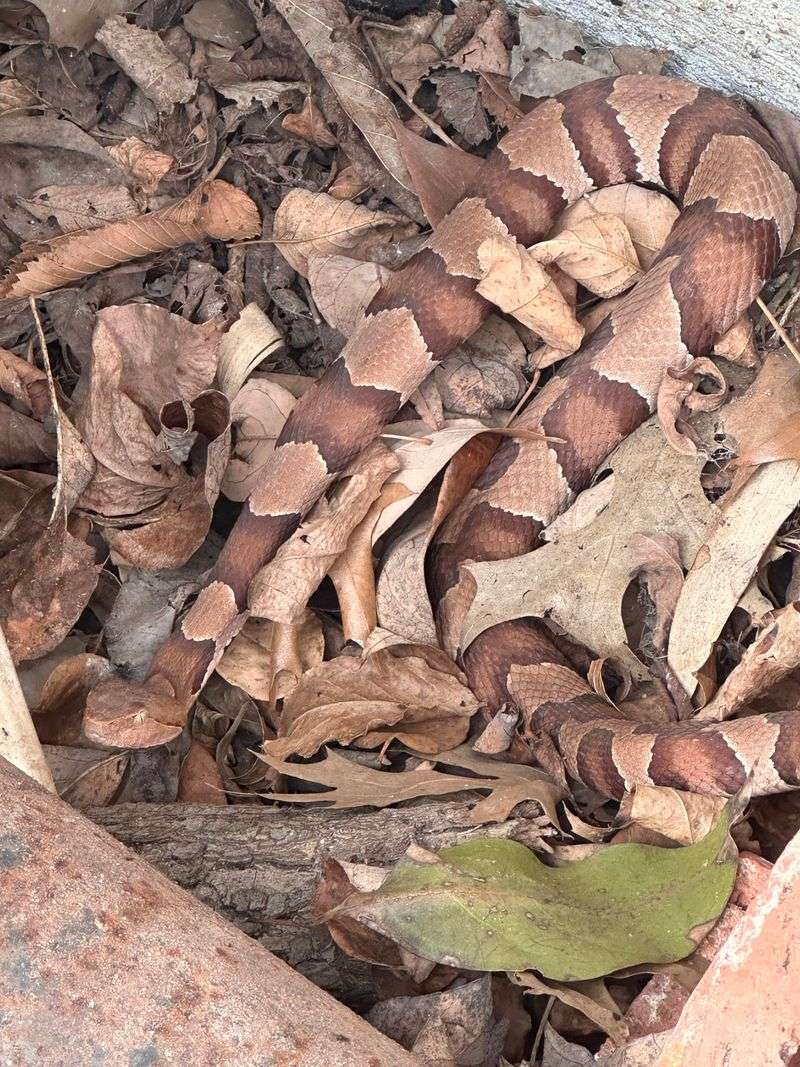
Copperheads are built to disappear. Their tan and copper bands look a lot like a scatter of dead leaves and shadows.
TPWD describes southern copperheads as using leaf litter, logs, and branches for hiding, and notes they can turn up in wooded suburbs.
That is why fall cleanup deserves respect. When you drag a rake through a leaf drift or flip a fallen limb, you are working in the same kind of cover a snake might use.
You may be within arm’s reach of an animal you cannot see.
Picture a shady corner under a live oak where leaves have piled up against a stack of firewood. Nothing looks out of place, yet the pile offers shade, hiding spots, and cover.
Moving it can reveal whatever was already there.
It is worth being clear about what this does not mean. Raking does not draw snakes toward your house.
Porch beds are not proven to attract them, and mulch has not been shown to be a copperhead attractant. The point is simply that leaf litter and woody debris can hide a snake, and cleanup is when people are most likely to bump into one.
Knowing that, you can plan your work around what you can and cannot see, which is where the next steps come in.
Make cleanup a see-before-you-reach job
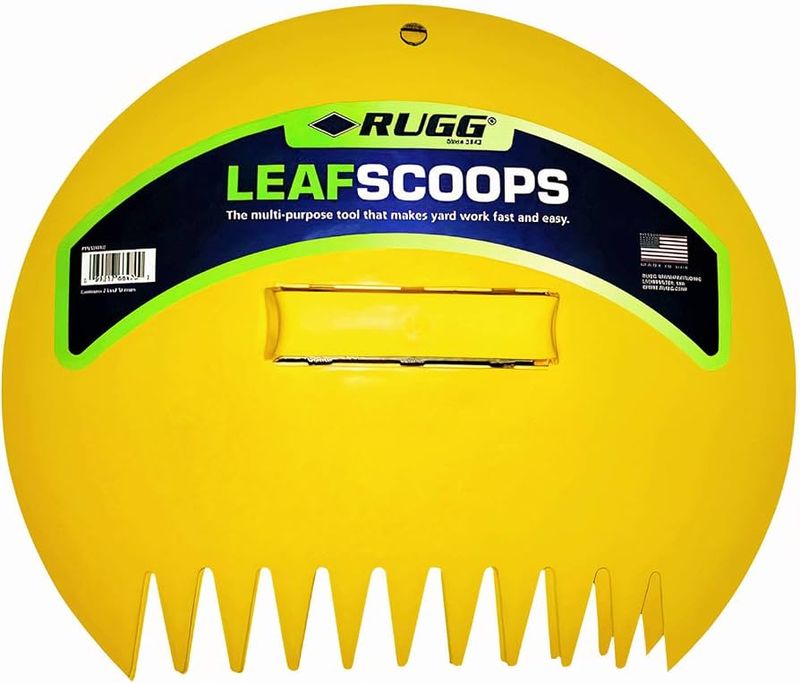
A few habits lower your risk a great deal, even though none of them guarantees you will spot every snake. Think of them as a routine you follow each time you work with leaves, brush, or wood.
Start with what you wear. Boots, long pants, and gloves give you a layer of protection, and both Texas A&M AgriLife guidance and CDC and NIOSH advice for outdoor workers point to sturdy clothing and careful work habits.
Sandals and bare hands do not belong in a leaf pile.
Next, keep your hands and feet out of any spot you cannot see. That means no reaching into a woodpile, under a board, or into the middle of a heap of leaves to grab a handful.
Use a long-handled tool such as a rake, hoe, or shovel to move or turn debris first. Pull the pile apart from a distance, give it a moment, and look before you bend down.
Work in good light, and skip the job at dusk when a snake is harder to see.
Because copperheads blend into dead leaves, slow down near the places they can hide: fence lines, the base of trees, and the edges of woodpiles. Step where you can see the ground, and never step over a log without looking to the other side.
These steps reduce risk. They do not remove it, so keep pets and children out of the work area until you finish.
Give a spotted snake space
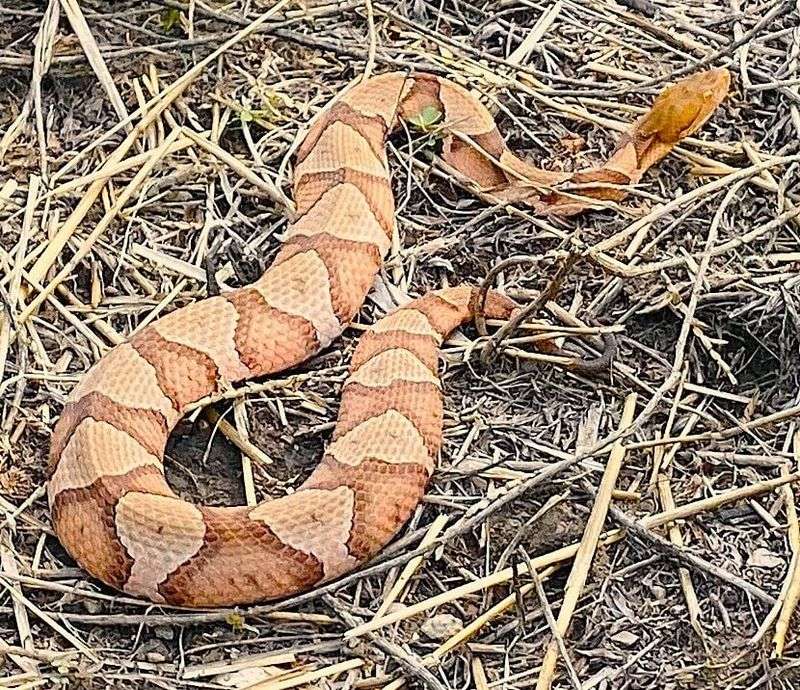
If you see a snake that might be a copperhead, freeze, then step back slowly. Nothing else needs to happen right away.
Most snakes would rather leave than fight.
Call children and pets away from the area, and clip a leash on the dog if you can do it calmly. A curious pup or toddler moves fast, so get them indoors or well back first.
Then give the snake room to retreat. Texas A&M AgriLife notes that most bites happen when people try to handle or kill a snake.
Trying to do either turns a harmless standoff into a real danger.
Do not walk closer to identify it, snap a close-up photo, scoop it into a bucket, or carry it to the creek. A photo from a safe distance is fine if you can take one without moving toward the snake.
Skip any plan to trap or relocate it yourself.
The CDC’s wildlife guidance for pet owners also stresses keeping distance from wild animals. Keep an eye on where the snake goes from a safe spot, and wait until it has left before you return to work.
If it stays put near a door or play area, keep everyone away and consider calling a local wildlife or animal control service for advice.
Reduce nearby cover without expecting a snake-free yard
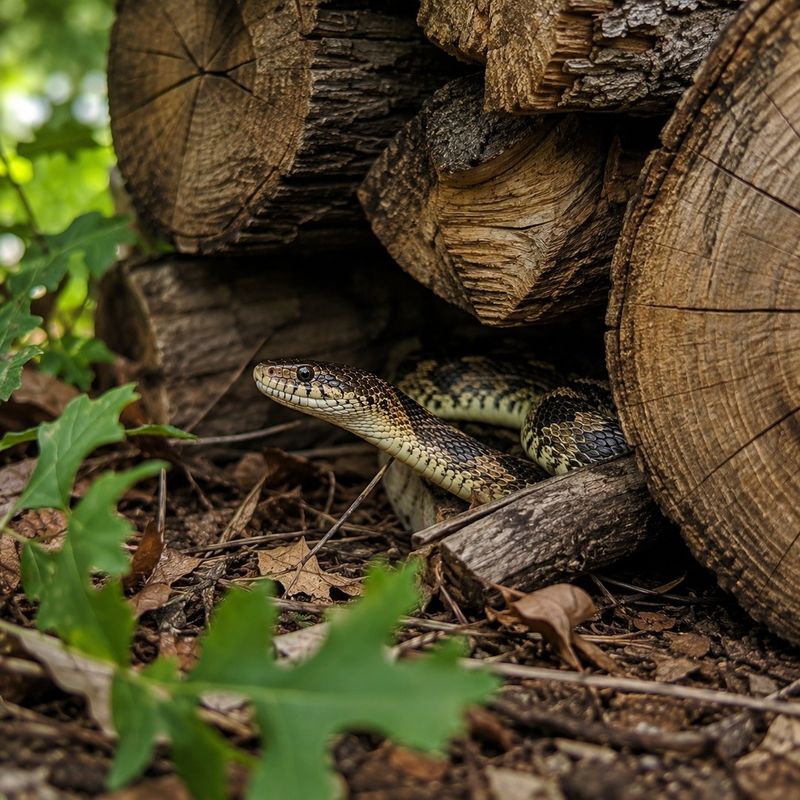
Sensible yard upkeep can take away some of the places a snake might rest near your home. Clear brush piles, trim shrubs and grass back from the foundation, and keep leaf drifts thin close to the porch and steps.
Store firewood and lumber away from the house, off the ground when possible.
Guidance from Ask Extension on snake control supports cutting back the debris and clutter that give snakes cover. Reducing cover near the house helps, but it cannot promise a snake-free yard.
Snakes pass through neighborhoods, especially near creeks, fields, and wooded lots.
Repellents deserve a cautious look. Texas A&M AgriLife’s publication on snakes does not show that repellents work consistently, so a product that promises to keep snakes out is not something to count on.
Skip mothballs in particular. Extension guidance on snakes in the yard says repellents have not been shown to repel snakes reliably, and the EPA explains that using a pesticide in a way its label does not allow is generally unlawful.
Mothballs scattered around a yard also put kids, pets, and wildlife at risk.
Put your effort into a neat, open yard and steady habits. Cleanup is a tool for lowering risk, and it works best alongside careful footwork.
Seek prompt care after a bite
If someone is bitten, or you think they might have been, get medical care promptly. Call 911 or head to an emergency room, and do not wait to see how it develops.
Even a bite you are not sure about deserves a professional check.
Skip the folk remedies. CDC and NIOSH guidance advises against cutting the wound, sucking out venom, applying a tourniquet, or putting ice on the bite.
These steps can cause harm and waste time.
Keep the person calm and as still as you can while help is on the way. Remove rings or tight items near the bite in case of swelling.
Do not go back to catch the snake or get a close look at it. A second bite is a real risk, and doctors can treat a patient without knowing exactly which snake was involved.
If you can safely note its color and pattern from a distance, that is enough.
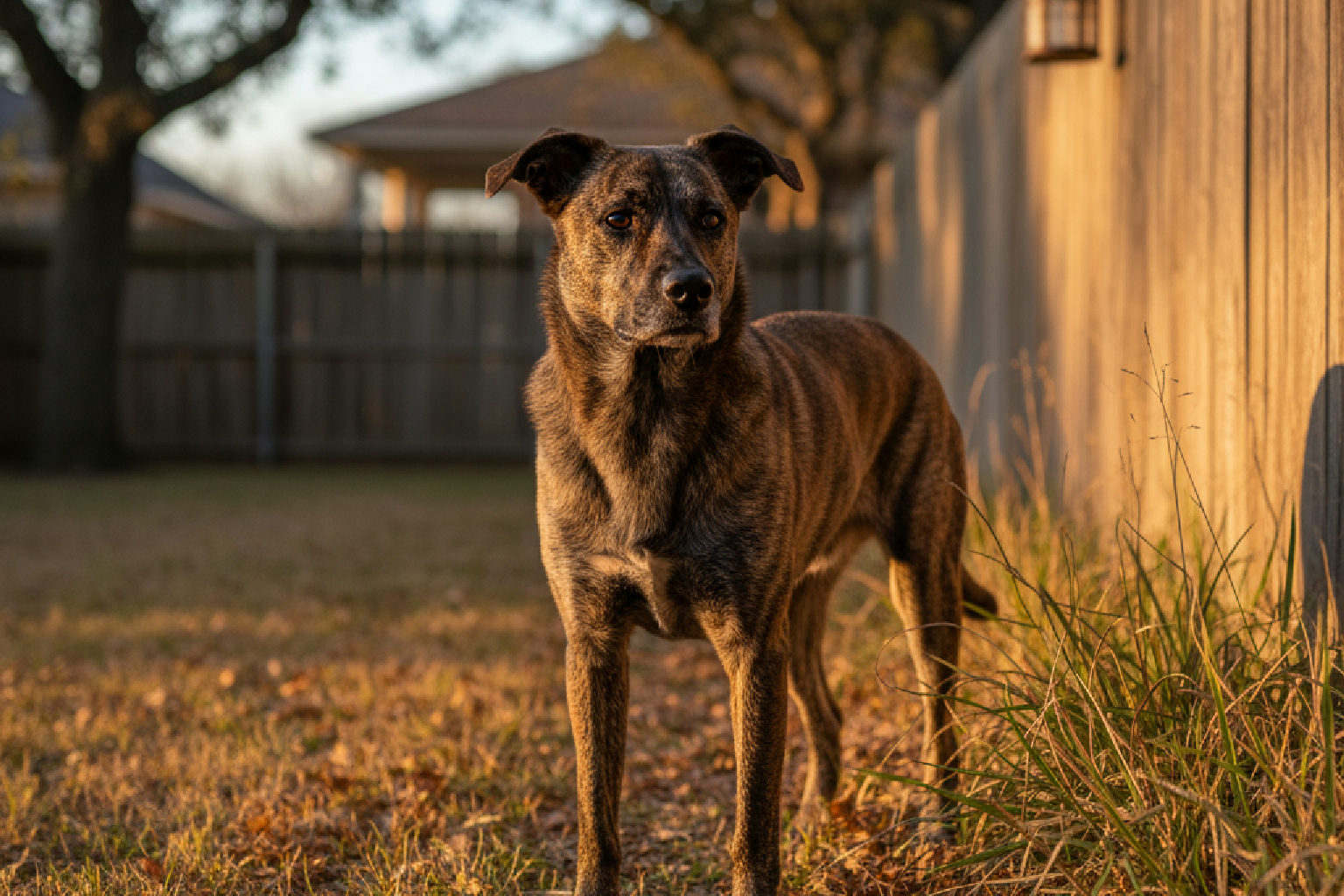
Pets need the same urgency. According to CDC wildlife guidance for pet owners, call a veterinarian immediately if your pet is bitten.
Keep the animal quiet and head to the clinic or an emergency vet right away.
Save your vet’s after-hours number in your phone before cleanup season starts. A calm yard and a ready plan make a bad moment much easier to handle.