
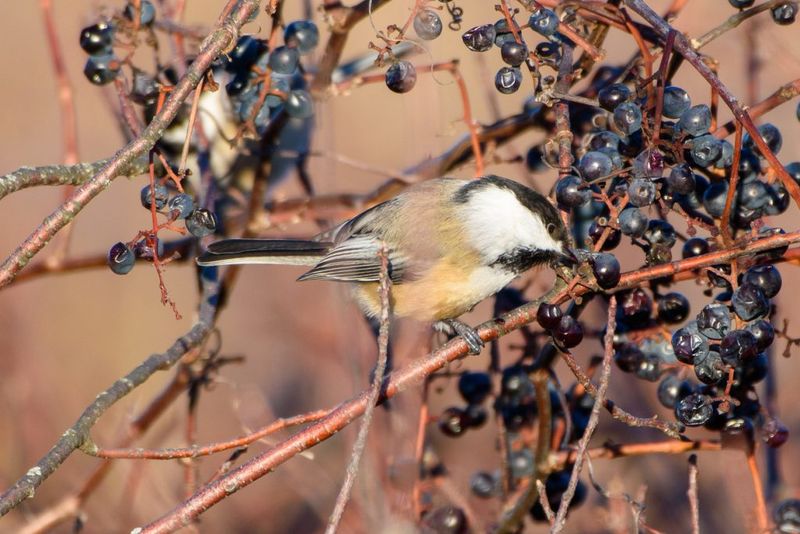
Carolina Chickadees are small, curious birds that stay in North Carolina all year. When cold weather arrives, finding food gets harder for them.
A simple fall choice, leaving a patch of seed-bearing plants standing, can make your yard more useful to them. It will not promise that any one bird sticks around, but it is an easy, low-cost step worth knowing about.
Carolina Chickadees live here year-round, but a yard is not guaranteed company
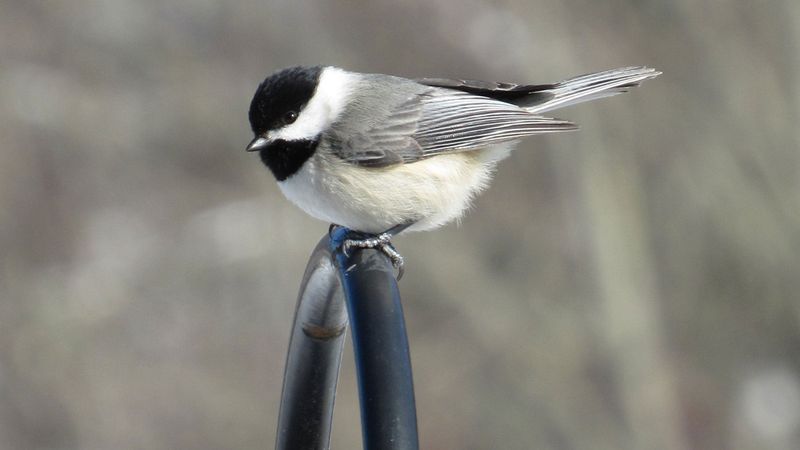
Carolina Chickadees do not fly south when the weather turns. According to the Birds of North Carolina species account, they occur broadly across the state and stay put as nonmigratory residents.
From the mountain foothills to the coastal plain, they are a familiar winter sight.
Being a year-round resident of the state, though, is not the same as being a year-round visitor to your particular yard. Individual chickadees move around to find food, join mixed flocks, and shift between neighborhoods.
A bird you see in October may be working a different stretch of woods by January.
That is why the promise of keeping chickadees in your yard all winter with one trick does not hold up. No single feature can guarantee that.
What you can do is make your property more useful to birds that are already living nearby.
NC State Extension, in its guide to managing backyards and other urban habitats for birds, lists chickadees among the winter residents of the state and stresses providing food and cover through the cold months. Think of your yard as one stop on a bird’s daily route.
The goal is to make that stop worth visiting, without expecting any promise in return.
The rest of this article covers two separate habitat actions. One is leaving a patch of seed-bearing plants.
The other is keeping a dead tree, but only when it is safe. Each does a different job, and only one of them is a good fit for most yards.
Winter food comes from more than flower seedheads
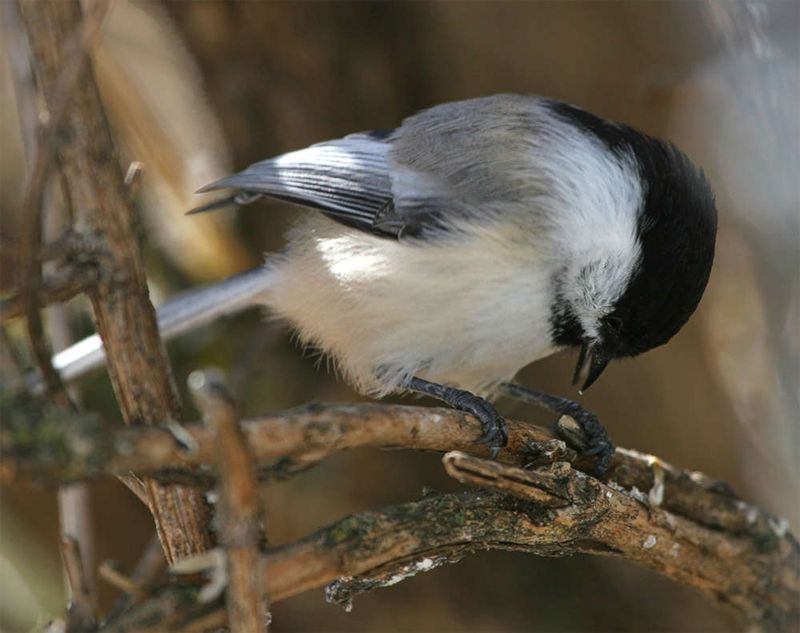
Picture a chickadee in January. It may be hanging upside down from a twig, picking at bark, then zipping over to a seedhead.
That mix of behaviors matches its diet.
According to the Cornell Lab’s Carolina Chickadee life history page, the winter diet is about half plant foods and half animal foods. Seeds are part of the menu, and so are insects and other small creatures gleaned from foliage and tree bark.
This matters for how you think about your yard. Seedheads are one useful piece, but they are not the whole meal.
Nobody can say that a particular plant in your garden is a must-have for chickadees, or that they will choose it over other foods.
Food habitat is broader than a flower bed. Rough bark on mature trees, leafy shrubs, and a bit of leaf litter all help support the insects and spiders that make up the other half of the diet.
A yard with layers, from ground plants up to tall trees, gives birds more places to search.
So a seed-bearing patch is best seen as one contribution to winter food availability. It adds to what a bird can find, and it works alongside the trees and shrubs you already have.
Keep expectations realistic, and the benefit is easier to appreciate.
A standing patch can preserve winter food
Here is the practical step: pick one section of your yard or garden and let it stay a little wild. NC State Extension’s bird habitat guidance recommends leaving part of a yard unmowed or unmanicured so fruit- and seed-producing plants stay available in late summer, fall, and winter.
It also lists chickadees among the winter residents that primarily eat persistent fruits and seeds.
You do not need to give up the whole lawn. A corner along a fence, a strip at the back of a border, or the edge of a wooded lot works well.
Skip the fall cutback in that spot and leave the stalks up.
For plant ideas, NC Cooperative Extension’s Managing Your Landscape for Birds article names goldenrod, tickseed, and native bluestem grasses as examples of late-summer or fall seed producers. It also advises choosing native plants, which suits a Piedmont or coastal plain yard and avoids adding invasive species.
Treat these as examples, not a guaranteed chickadee menu. Other birds, from sparrows to finches, may also visit a patch like this.
The appeal is how little work it takes. You skip a chore, you save time, and the standing stems keep some food on the plants instead of in a yard waste bin.
For a homeowner who wants a low-effort yard that supports local wildlife, that is a fair trade.
What does a dead snag add?
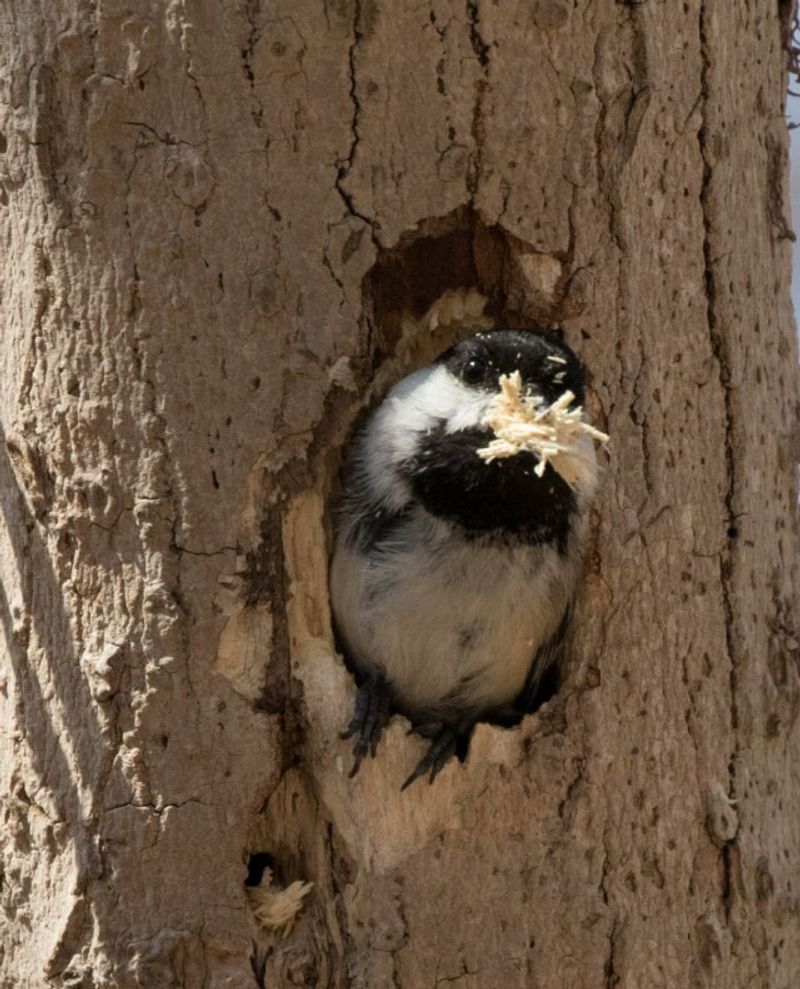
A snag is a standing dead tree, and it offers something a patch of perennials cannot. NC State’s wildlife and forest stewardship guidance notes that dead trees can hold cavities used by chickadees and other wildlife for nesting or roosting.
The woody trunk and branches can also serve as perches.
That value is about shelter, not food. Seedheads on herbaceous plants supply seeds, but ordinary perennial stems are too thin and soft to form roosting cavities.
Cavities belong to wood.
There is a catch. Not every snag has a usable hole.
Per the Cornell Lab’s life history overview, chickadees excavate cavities or use existing ones, including those made by woodpeckers, and Carolina Chickadees usually sleep in cavities. They also sometimes roost in sheltered branches, so cavities are not their only option.
A quick look can tell you a lot. Small round holes, soft rotting wood, or peeling bark may suggest possible cavity habitat.
A smooth, solid trunk with no openings may offer little beyond a perch.
In short, a snag and a seed patch do different work. One may offer a place to shelter, and the other offers a place to feed.
Treat them as separate decisions instead of a single fix.
Keep a snag only when its location and condition make it safe
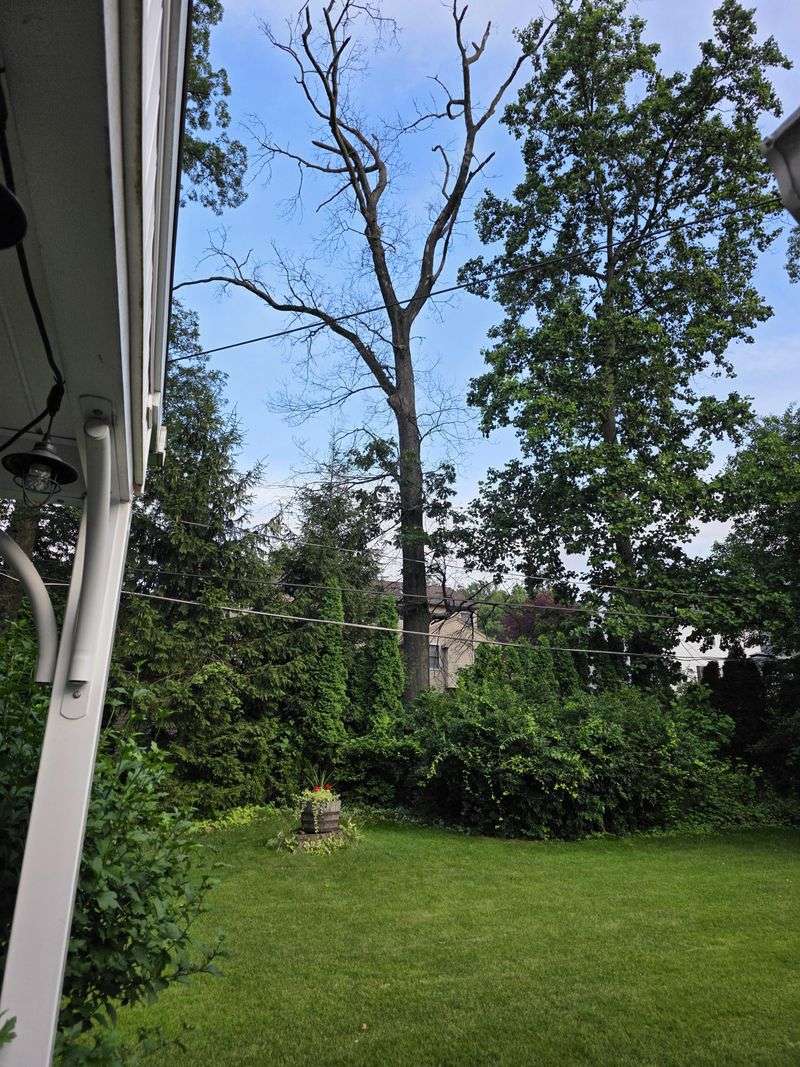
A dead tree can fall, and what it lands on matters. The same NC State stewardship guidance supports keeping snags for wildlife only where they do not pose an unacceptable risk.
Start by asking what is within reach if the tree or a large limb came down: a house, a driveway, a play area, a shed, a power line, or a favorite seating spot.
If people or property are nearby, be cautious. Warning signs include large dead limbs, cracks in the trunk, leaning, fungus at the base, and loose bark or hollow sections.
The International Society of Arboriculture’s Recognizing Tree Risk describes how to spot these clues and why targets matter.
When you see warning signs, or a tree stands where a failure could hurt someone, call an ISA Certified Arborist. They can assess the specific tree and site and tell you whether to keep it, reduce it, or remove it.
Fire safety is a separate question. NC State’s fire-resistant landscaping guidance says to remove standing dead trees within defensible space, keeping wildlife snags only at the outer edge, 80 to 100 feet from the home.
That is wildfire guidance for those settings, not a setback rule for every yard.
If a snag cannot be kept safely, do not feel guilty. The seed patch is the easier habitat action anyway.
A tidy compromise can still leave winter habitat
Some gardeners love the wildlife idea but not the shaggy look. A middle path exists.
Leave seedheads up long enough to feed birds, then trim stems in winter when you are ready to tidy.
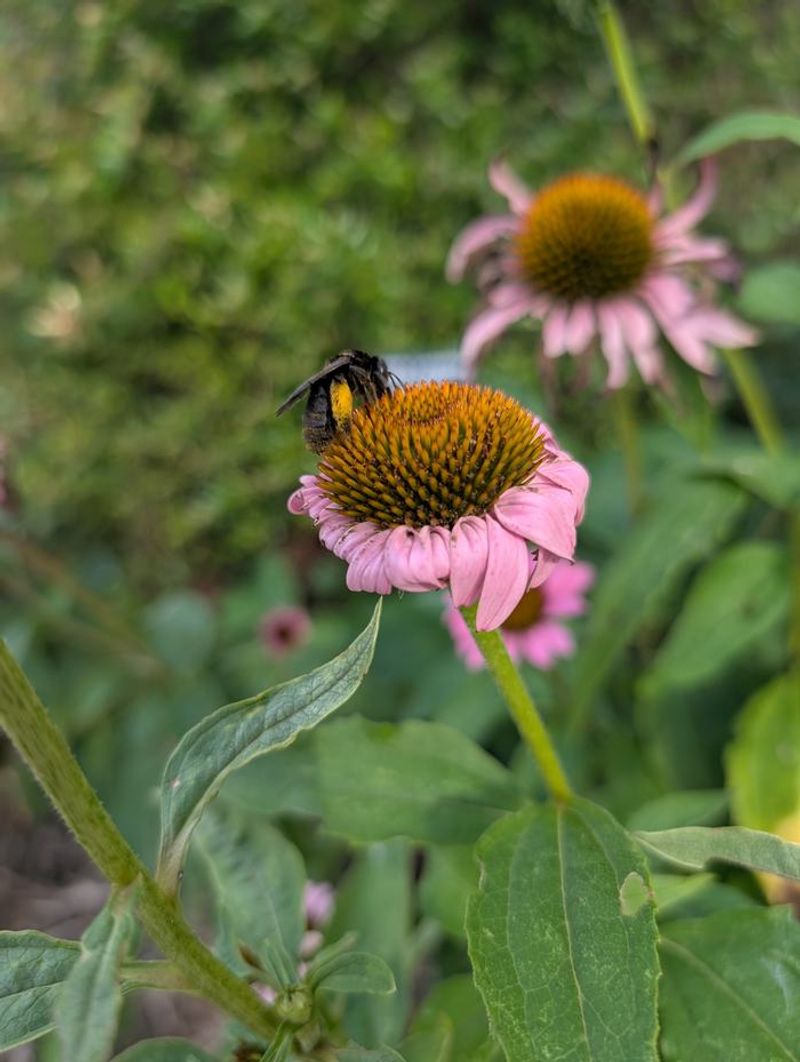
Pollinators come into play here. NC State’s garden cleanup for pollinators study found that stems were not occupied by stem-nesting bees in their first winter.
That gives you some flexibility about when to cut.
The study also carries a warning. Do not recut stems that were cut or damaged earlier, because bees may have moved into them.
Leave those alone and cut only stems that have not been cut before.
A few habits help. Trim the most visible beds first, such as those near the front walk, and leave a back patch for the birds.
Keep some cut stems in a small pile at the edge of the property instead of hauling everything away.
Keep this cleanup advice separate from the snag question. Cut perennial stems are not roosting cavities, and trimming them will not change what a dead tree offers.
Each part of the yard has its own job.
Leave food standing, and make snag decisions separately
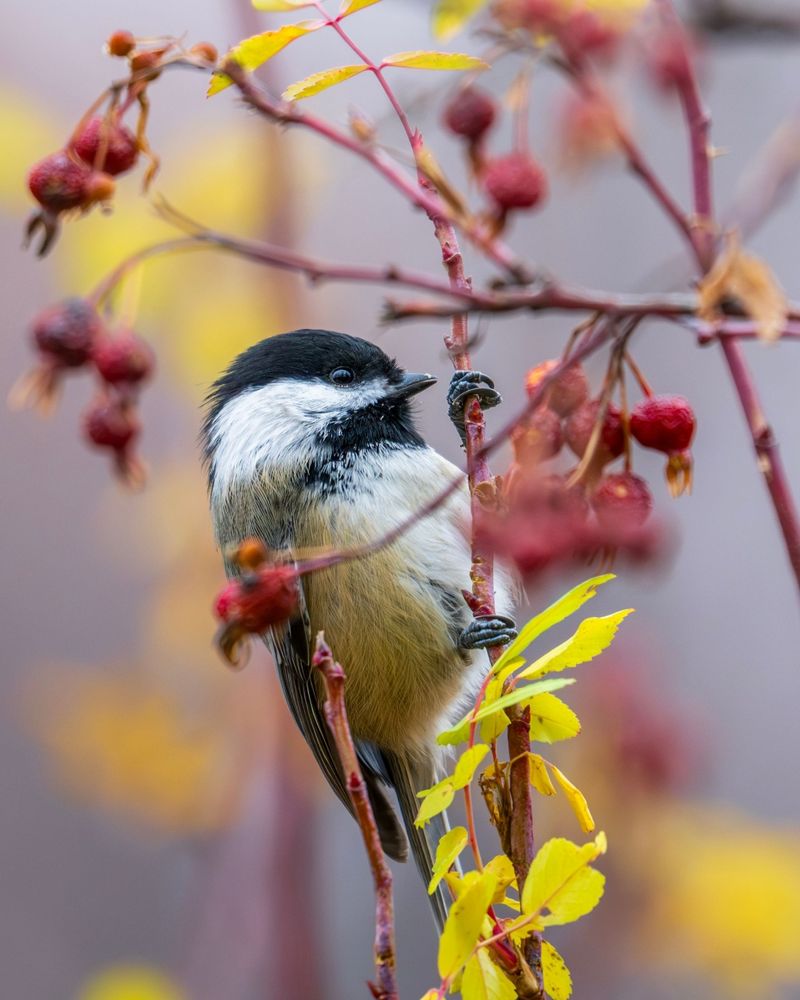
Start with the easy win: leave a patch of seed-bearing plants standing through winter, as NC State Extension’s bird habitat advice suggests. Then judge any dead tree on its own, keeping it only if its condition and location are safe, as the wildlife stewardship guidance indicates.
Both choices can support habitat, but neither can guarantee that chickadees stay in your yard.
Sometimes the best wildlife help is simply putting the clippers down for a few months.