
A popular claim says one tough plant by the back door can keep rats and roaches away. Texas homeowners hear this kind of tip often, and it sounds like an easy fix for a real problem.
The truth is more useful than the headline, because the steps that actually cut pest activity are things you can start this weekend. Here is what the research says, what it does not say, and where rosemary really fits in a Texas yard.
The plant claim is unverified—and the pest promise is unsupported
Start with the big correction: nobody has shown that a plant set by a back door keeps rats or cockroaches out. The original claim also never clearly names its plant, so the identity is unconfirmed.
Rosemary is a possible candidate, and that is all it is here.
The closest research is a peer-reviewed study of plant essential oils tested on one cockroach species in a lab. That is a long way from a potted herb on a porch.
For rats, the evidence for a living rosemary plant is weaker still.
So this article does not repeat the headline’s guarantee. Instead, it checks what the science covers and then lays out practical steps.
Texas A&M guidance on rats and mice centers on removing food, water, and shelter and sealing entry points. Those steps lower the odds of trouble, though no method promises that pests will never get in.
What the cockroach study actually tested
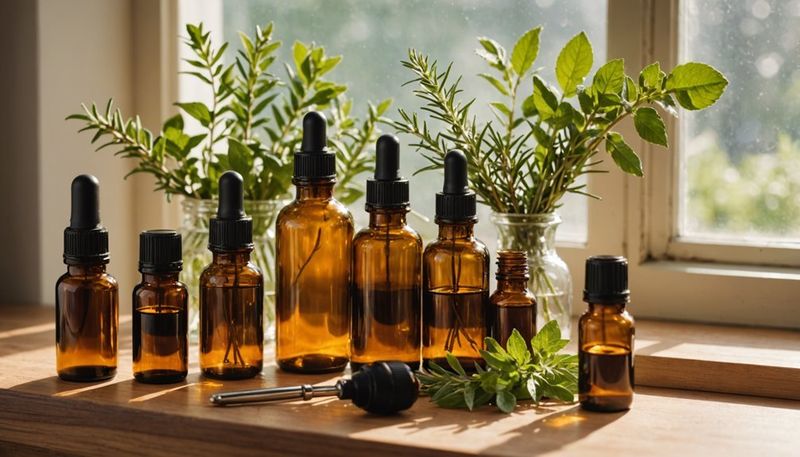
Researchers in that study tested extracted essential oils from several plants in controlled experiments. Their target was the brown-banded cockroach, a single species.
Rosemary oil did show repellent effects in those tests.
Oil in a dish or on a treated surface is concentrated and measured. A living rosemary plant in a pot gives off a faint scent that drifts away in Texas wind and heat.
Those are not the same thing, and the study did not test a potted herb at an entryway.
Species matter too. Texas A&M separates small German cockroaches, which live indoors, from several larger, mostly outdoor species that wander into homes.
A result for one species cannot be stretched to all of them.
A diagnostic clue helps here. Tiny roaches in kitchens and bathrooms point to an indoor population.
Big roaches near drains, mulch, or the back door usually come from outdoors. Knowing which you have shapes every step that follows, and no herb can manage either group for you.
Plant-based rodent repellents are not a dependable guarantee
Scientists are studying plant compounds as rodent repellents, which makes the idea sound promising. But a systematic review of plant-based rodent repellents found results that were inconsistent.
Some laboratory tests showed an effect, while enclosure and field studies often did not match.
That pattern matters for a homeowner. A hungry rat looking for food, water, or a warm spot will not always be turned away by a smell.
Findings about other plants or compounds also cannot be turned into a promise about a rosemary plant at your door.
Think of a repellent plant as a maybe, not a barrier. If you see droppings, gnaw marks, or greasy rub marks along walls, treat that as a sign to inspect and seal.
A scented plant will not solve an active rodent problem.
Reduce cockroach access and activity at the door
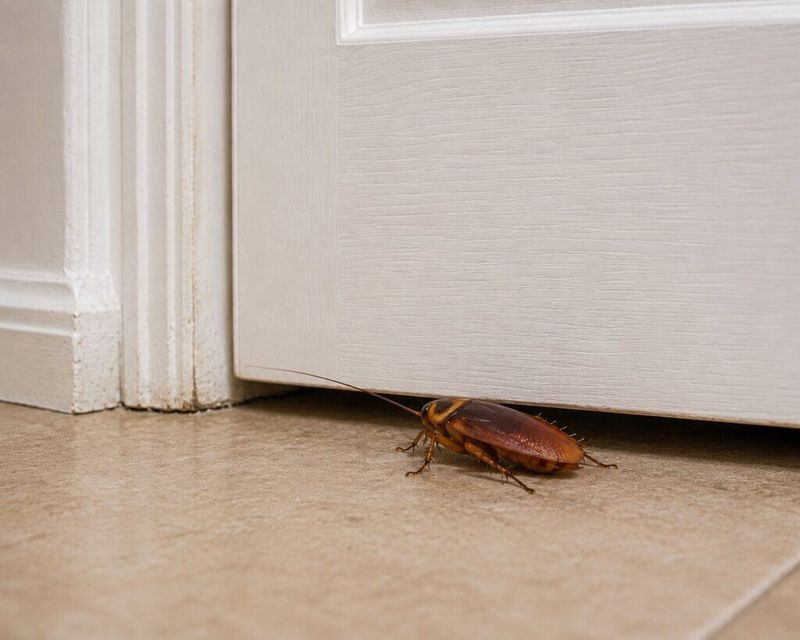
Good roach control begins with identification. Figure out which species you see and where it travels, then build a plan around that.
Texas A&M’s management guide supports this approach, along with monitoring traps and appropriate labeled products when needed.
Next, check the door itself. Shine a flashlight along the threshold from outside at night, and if you see light leaking under the door, insects can get through.
Fit a door sweep, replace worn weatherstripping, and caulk cracks in the frame and nearby siding.
Then cut back what draws roaches. Wipe up crumbs, store pet food in sealed containers, fix drips, and clear cardboard and clutter.
Texas A&M’s prevention page lists these same habits.
Sticky monitoring traps placed along walls show where roaches travel and whether your changes work. If activity keeps climbing, a licensed pest professional can help.
A plant cannot resolve an existing infestation.
Use exclusion and sanitation to manage rodents
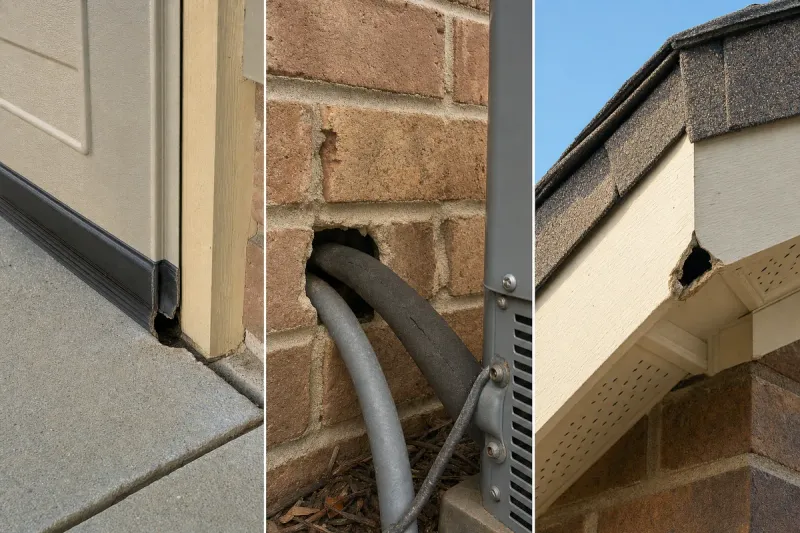
Rodents call for their own plan. Texas A&M recommends an integrated approach: remove food, water, and shelter, seal entry points, and use traps or other controls as appropriate.
Walk the outside of your house and look for gaps. Mice can squeeze through holes about the size of a dime, and rats need only a little more.
Close openings around pipes, vents, and door frames with rodent-resistant materials such as metal flashing, hardware cloth, or cement, since they chew through foam and soft plastic.
Shelter and food come next. Move woodpiles and stacked items away from the wall, trim branches that touch the roof, and keep grills and pet bowls clean.
Use trash cans with tight lids and fix leaking hose bibs.
Snap traps set along walls can help catch rodents already inside. If you choose rodenticides, keep them out of reach of children and pets, and follow the product label exactly.
Sealing and cleanup lower your risk, but they are not a guarantee.
Grow rosemary for the garden, not as pest protection
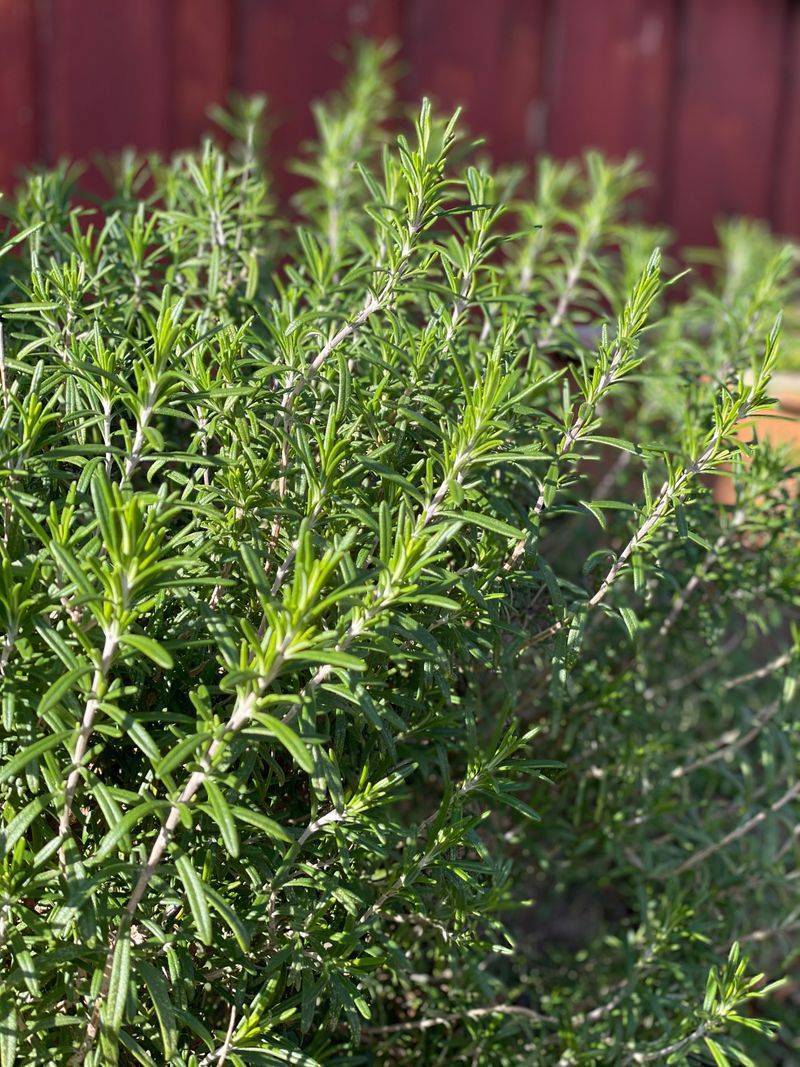
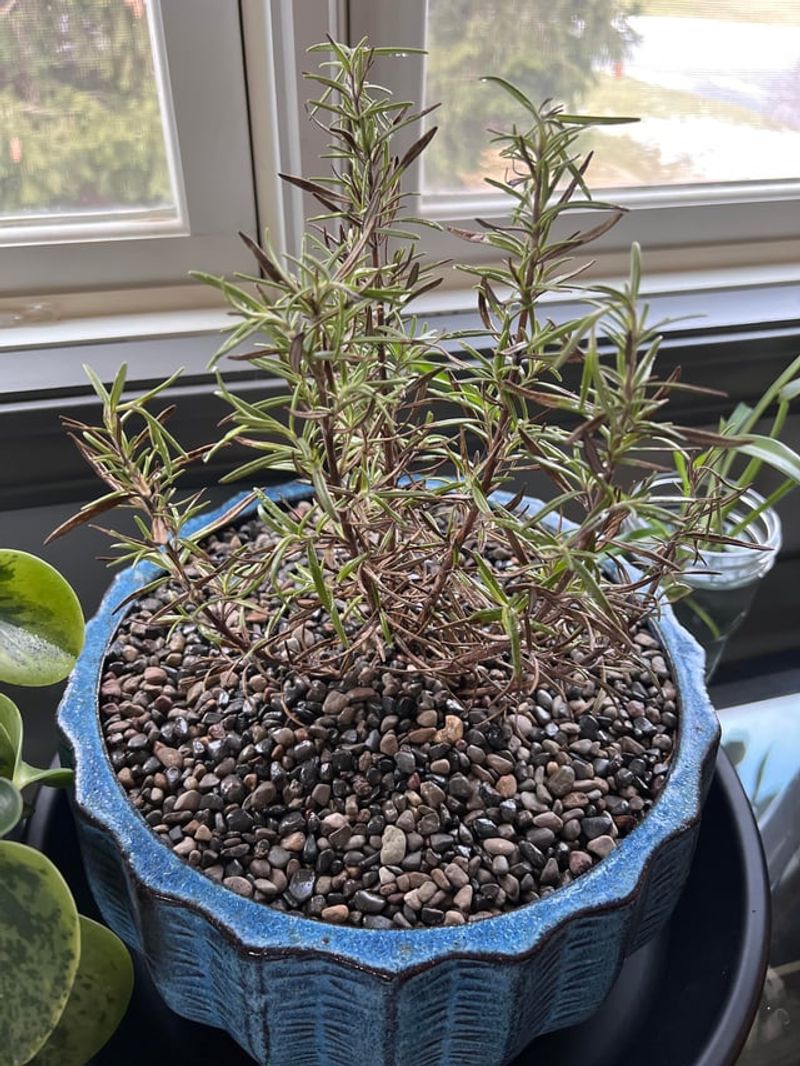
Rosemary earns its spot in a Texas yard for other reasons. The leaves flavor roasted potatoes, chicken, and breads, and the evergreen shrub adds fragrance and texture to beds and containers.
Nothing here confirms it is the plant named in the original claim.
Texas A&M AgriLife’s rosemary guide points to full sun and well-drained soil. Persistently wet soil and overwatering can cause problems, so skip heavy clay pockets and saucers that hold water.
A raised bed, a slope, or a pot with drainage holes works well. AgriLife’s herb guide covers other herbs that suit Texas landscapes.
Let the top of the soil dry between waterings, especially once plants are established. Pinch tips for cooking, which also keeps the shrub bushy.
At the back door, put your effort into the gaps and the grime. Seal the threshold as Texas A&M’s cockroach guidance describes, and follow the rodent steps for food, water, and shelter.
Plant rosemary by the door for dinner, and let caulk guard the entry.