
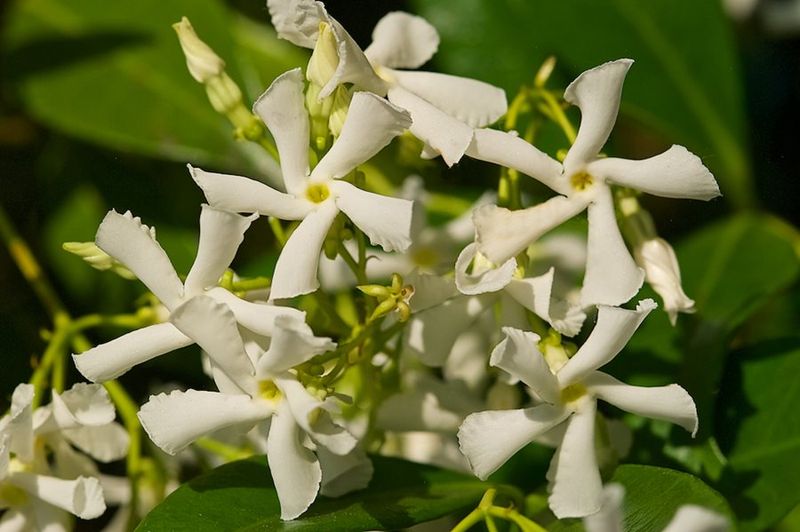
A fruit tree can make a Florida yard feel like a little paradise, but fallen fruit can also become dinner for rats. Thick groundcover gives them a safe place to hide on the way to your house.
You do not have to give up a beautiful yard to make it less welcoming. These seven swaps offer color and texture without the same piles of fruit or dense cover.
1. Citrus Trees
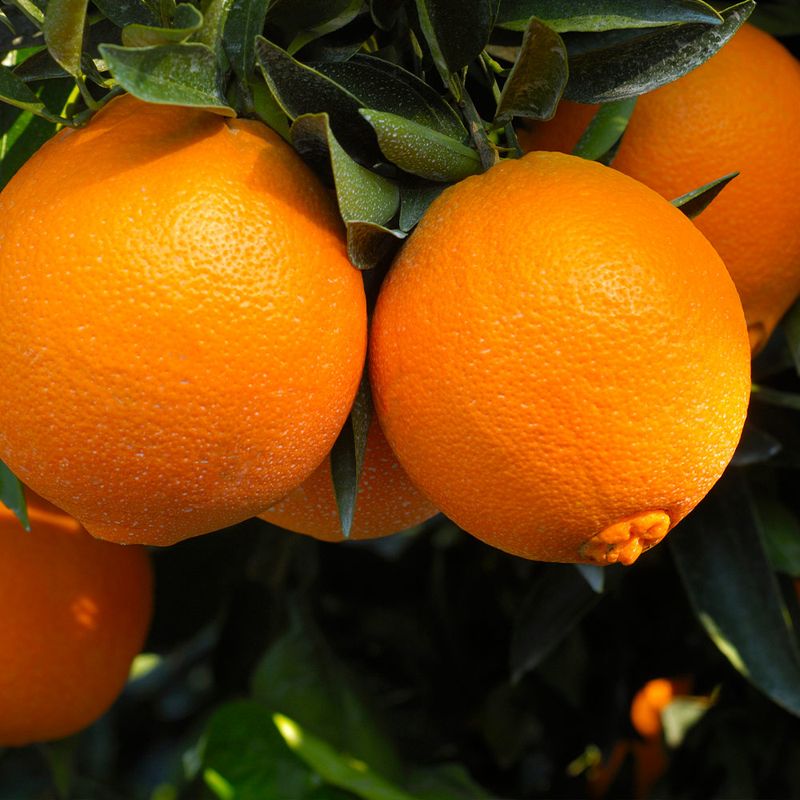
A few oranges on the ground may not look like a problem. Leave them there overnight, though, and they become an easy meal for rats.
Florida roof rats can feed on citrus, especially when ripe or damaged fruit is within reach. A tree beside the garage also puts that food close to a possible way indoors.
If you love your citrus tree, keep it. Pick ripe fruit promptly, collect drops every day, and remove damaged fruit rather than leaving it under the canopy.
Trim branches away from the roof, and ask a qualified professional about safe pruning around overhead lines.
For a sunny spot where you do not need another fruit tree, try native sunshine mimosa. Its low, spreading leaves and pink powder-puff flowers make an appealing groundcover in many Florida yards.
It handles sandy soil once established and does not drop large, sweet fruit that needs daily cleanup. Keep its edges trimmed so you can still see the soil near walls and walkways.
The swap removes a common food source, not every reason a rat might visit. Secure trash, pet food, and birdseed too, and seal openings around the house.
2. Mango Trees
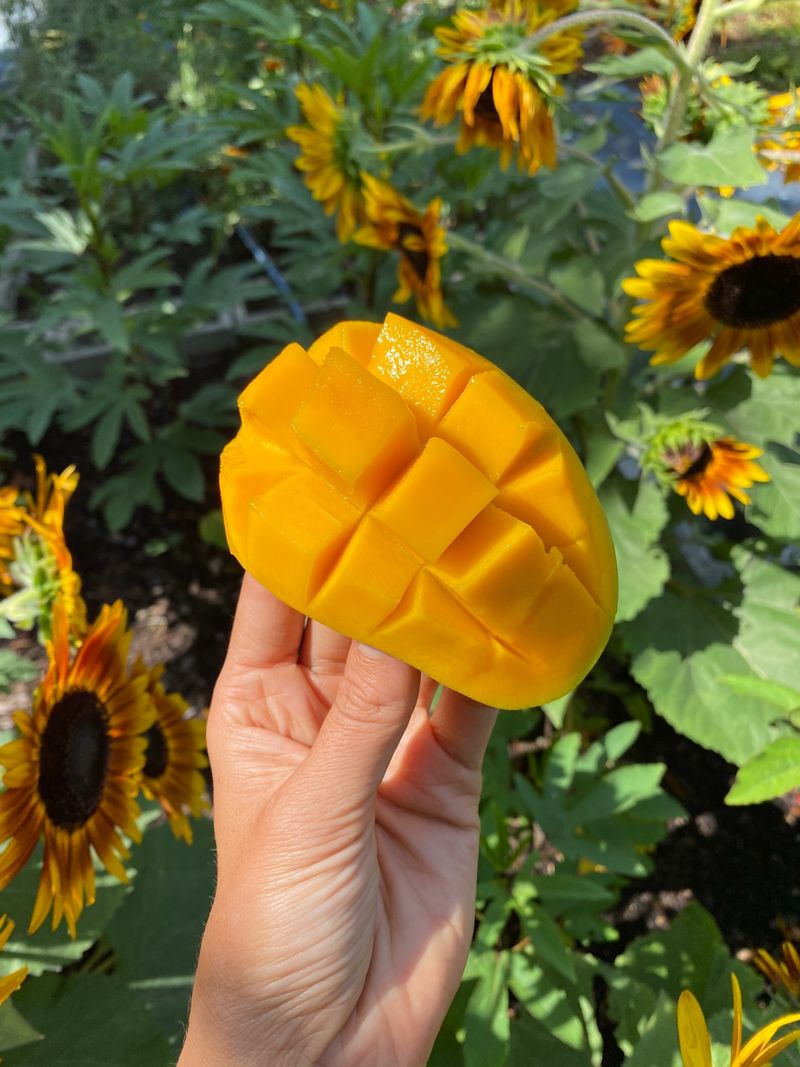
Mango season can turn a backyard into a race against the clock. Ripe fruit falls, softens quickly in Florida’s warmth, and becomes an attractive food source for rats and other wildlife.
A heavy crop is wonderful when you can use it, but less wonderful when fruit collects behind a shed or along a fence.
Start with the easy fix: harvest often and check the ground each morning during peak drop. Remove split or fallen mangoes, including the ones hidden in mulch.
If the canopy reaches toward your roof, have it pruned appropriately without stripping the tree or cutting it back severely.
Replacing an unwanted mango? Native beach sunflower offers a very different kind of payoff.
Give it full sun and well-drained soil, especially in a coastal or sandy garden. Its bright yellow flowers bring color to a border without a seasonal shower of heavy, sugary fruit.
Check its native range and growth habit before planting, since it can spread where conditions suit it.
Beach sunflower will not repel rats. It simply takes one tempting food source out of the yard while leaving you with a lively, lower-cleanup planting.
3. Avocado Trees
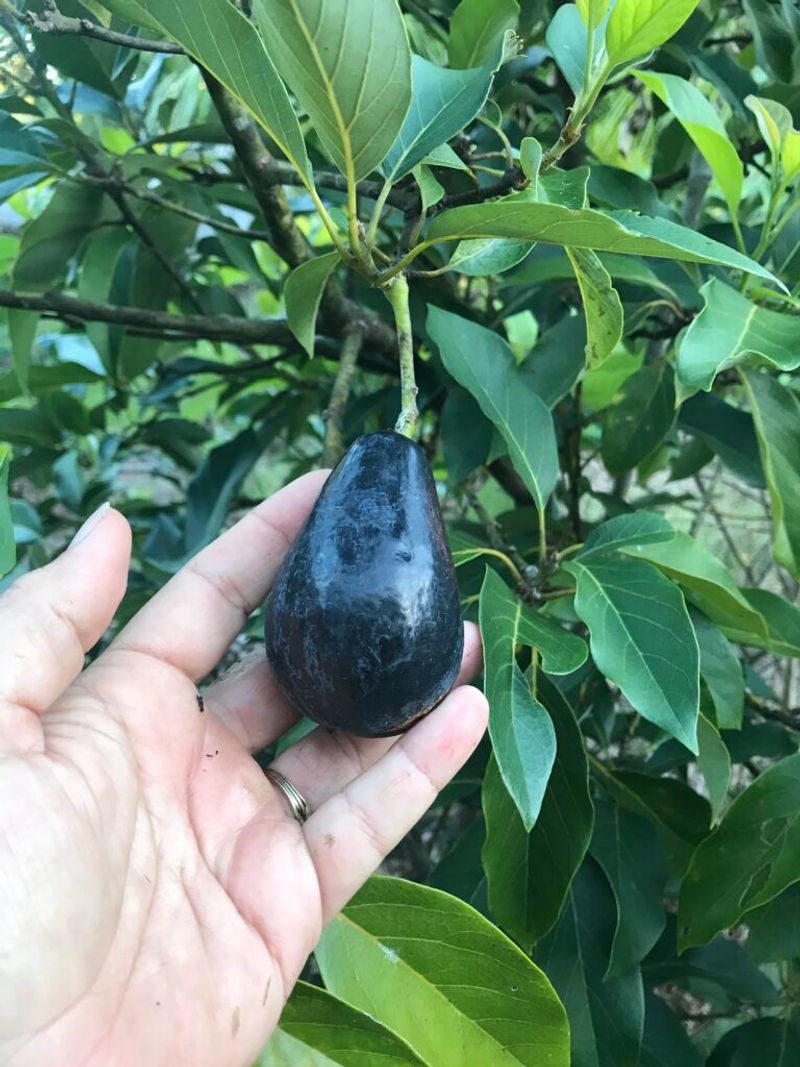
Unlike a tiny berry, a fallen avocado is a substantial meal. Rats may feed on damaged fruit, especially when avocados sit beneath a tree for days.
A productive tree near a fence or roof can also give climbing rodents an easier route toward the house.
There is no need to cut down a healthy avocado just because wildlife finds fruit. Harvest when your variety is ready, gather drops, and check the shady side of the trunk where fruit can disappear from view.
Keep branches off the building, clear clutter below the canopy, and inspect vents and gaps that could let rodents inside.
If you are choosing a new plant for a sunny bed instead, consider native Florida tickseed, or Coreopsis. Its cheerful flowers suit a more open planting, so it is easier to spot dropped food from other sources and signs of digging.
Pick a Coreopsis species suited to your part of Florida and your soil moisture; the plants sold under this name do not all want identical conditions.
Tickseed gives you flowers and pollinator activity rather than a large-fruit harvest to manage. It is a good choice when you want the yard to look welcoming to people without adding another feeding station for rats.
4. Banana Plants
Bananas bring a tropical look fast, but an untended clump can become a messy corner. Overripe fruit offers food, while crowded stems and dead leaves create cover near the ground.
The concern is strongest when that clump sits right against a wall, shed, or outdoor storage area.
Keep a banana planting manageable by harvesting bunches before fruit drops, removing spent stalks, and clearing fallen leaves. Thin crowded growth so you can see the base of the plants.
Avoid stacking cut stalks nearby: a damp pile can give pests another sheltered spot.
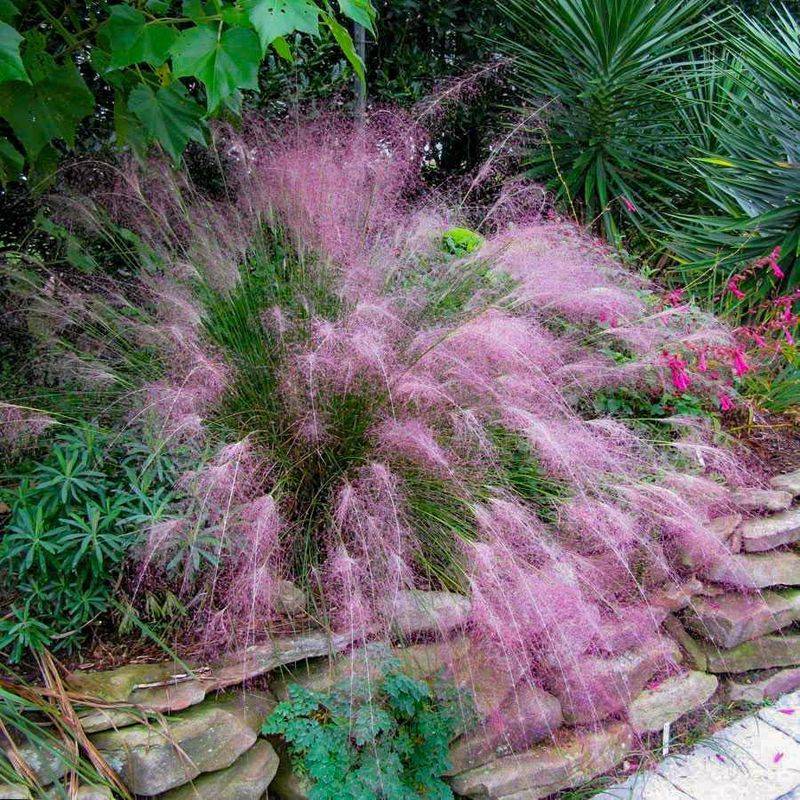
For movement and a softer look without a fruit bunch, plant native pink muhly grass in full sun and well-drained soil. Its airy pink fall blooms suit Florida’s long outdoor season, and its tidy clumps look especially good along a driveway or in an open border.
Allow enough room for each clump to reach its mature size, and keep plants back from the foundation rather than packing them against it.
Muhly grass still needs occasional trimming and cleanup. The practical difference is that it does not leave sweet, overripe bananas hidden in a thicket beside your house.
5. Fig Trees
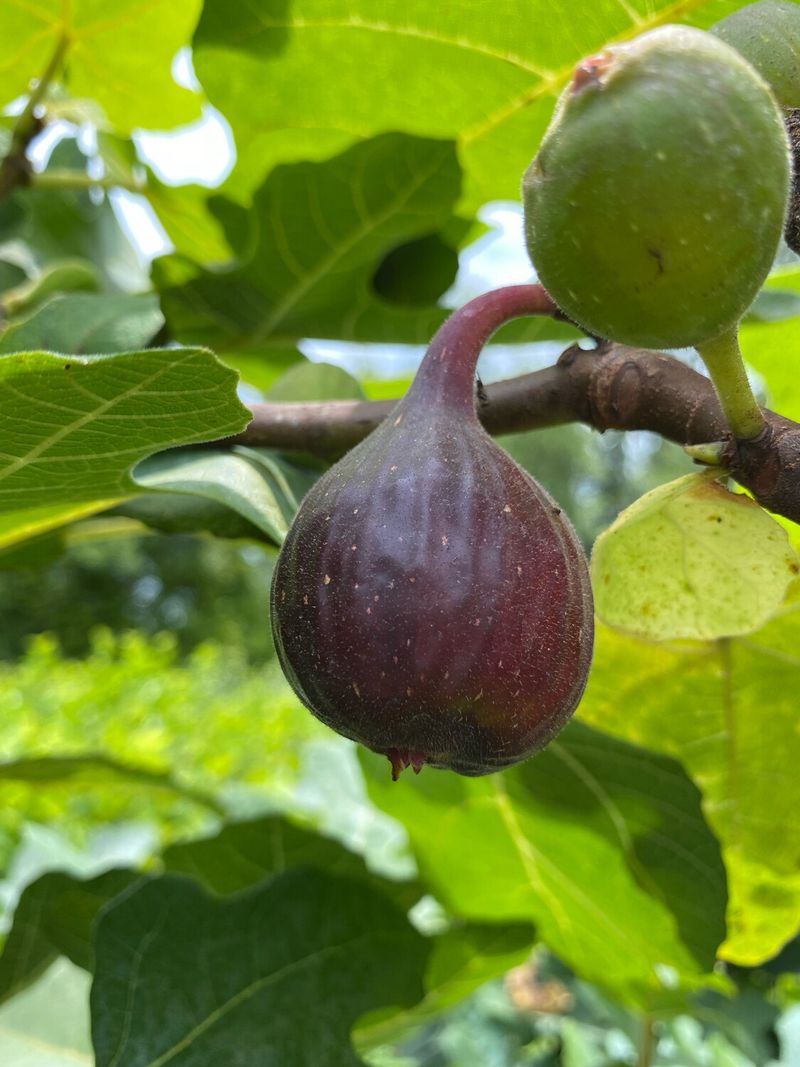
Anyone who grows figs knows the best fruit can vanish quickly. Birds get some, and fallen or split figs can give rats another reason to visit after dark.
Fruit left in tall grass is especially easy to miss, even in a small yard.
A fig tree is worth keeping if you enjoy the harvest and can stay ahead of it. Pick ripe figs often, collect fallen ones, and keep the ground beneath the tree clear enough to inspect.
Do not leave a bucket of unwanted fruit outdoors overnight. If branches touch the house, arrange careful pruning rather than giving climbing animals a convenient bridge.
Want color instead of another fruiting plant in that sunny space? Native blue porterweed, Stachytarpheta jamaicensis, offers small blue-purple flowers that attract butterflies.
Buy from a nursery that identifies the botanical name, since plants sold as porterweed can include nonnative types. Give it sun and well-drained soil, and check its mature size for your region before placing it near a path.
A flowering replacement will not make a yard rat-proof. What it can do is reduce the supply of soft fruit, while giving a visible garden bed a fresh purpose.
6. Loquat Trees
Loquats can surprise you with how much fruit one tree makes. The small yellow-orange fruits ripen in clusters, then drop where they can roll beneath shrubs or collect beside a walkway.
Rats may take advantage of fruit that homeowners never intended to harvest.
If a loquat earns its place in your yard, pick fruit as it ripens and sweep up drops before they build up. Look beyond the trunk: fruit can land in adjacent beds and behind edging.
Keep the tree separated from the roof, and avoid planting dense shrubs beneath it that make cleanup difficult.
For a damp spot where you want a native feature instead of a fruit tree, try blue flag iris, Iris hexagona. Its upright leaves and striking spring flowers work well near a rain garden or other consistently moist area.
It is not a substitute for a loquat in dry, fast-draining sand unless you can provide the moisture it needs. Give the planting room so its base stays visible.
The benefit is a cleaner, easier-to-check corner of the yard, not a promise that rodents will disappear. Combine the change with covered bins and a close look at possible entry points around your home.
7. Asiatic Jasmine
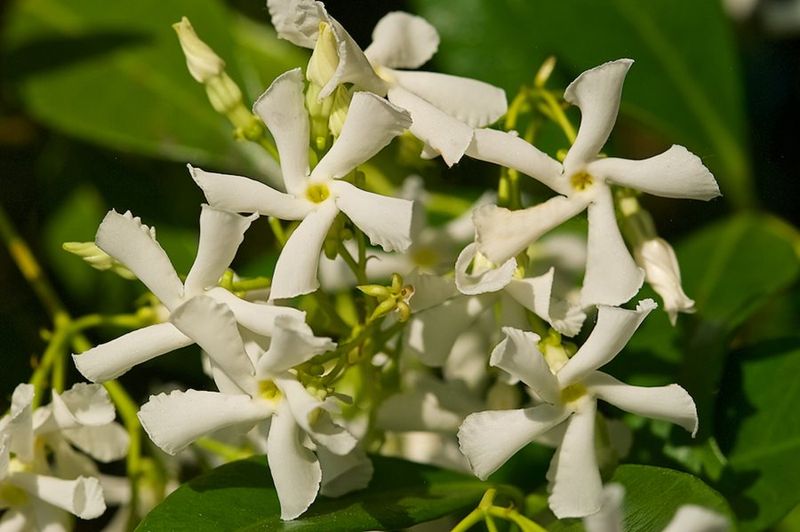
A green carpet can hide more than bare soil. When Asiatic jasmine grows into a thick mat beside a Florida home, it can provide sheltered travel space for rats and make droppings or burrow openings harder to notice.
Unlike the fruit plants on this list, its main problem is cover, not food.
You do not have to remove every patch. Cut it back from the foundation, keep it out of vents and utility areas, and thin or replace sections that have become too dense to inspect.
Remove leaf litter trapped beneath the vines, and check whether nearby sprinklers are keeping the area damp.
Where the soil stays moist and the spot gets plenty of sun, native swamp milkweed offers an open, upright alternative with flowers for monarchs and other insects. Leave space between plants so you can see the ground.
Florida has several native milkweeds, so ask a local native-plant nursery which species suits your conditions rather than assuming swamp milkweed will thrive in dry sand.
In a dry foundation bed, choose a different site-appropriate native instead of forcing a moisture-loving plant to struggle. Whatever you plant, maintaining a clear inspection strip by the house matters more than any one species.