
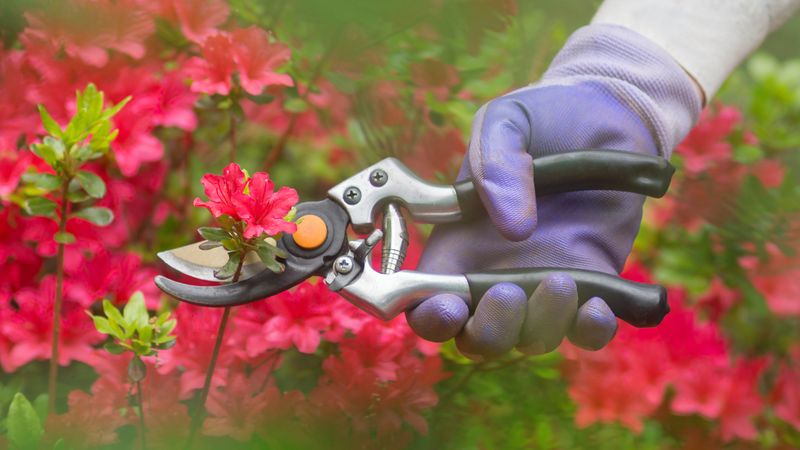
Every spring, North Carolina yards burst into pink, white, and red azalea color. But many homeowners get a sad surprise when their shrubs leaf out green with barely a flower in sight.
The cause is usually one simple timing mistake made months earlier. Get this one step right, and next spring’s show stays safe.
1. Finish All Pruning by Early July
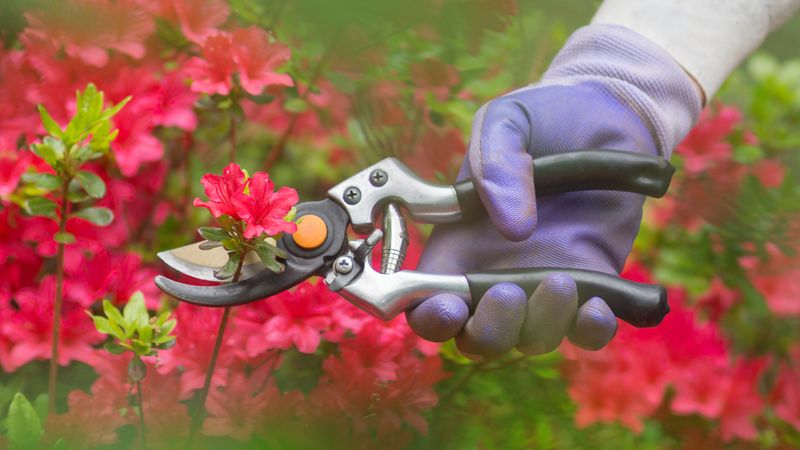
Picture a neighbor proudly shaping azaleas into tidy globes in September. Come April, those same shrubs sit there green and bloomless while every other yard on the street glows.
Nothing was wrong with the plants, the flowers were simply cut off before they ever had a chance.
Here is the secret. Most azaleas set next year’s flower buds in mid to late summer, not in spring.
Once those buds form, any trimming in fall or winter removes them, so the golden rule for NC gardeners is to prune within about three to four weeks after the blooms fade, and wrap up by early July.
In the Piedmont and coastal plain, that usually means late April through June. Mountain gardeners can often push a little later, since blooms open later at higher elevations.
Reblooming types like Encore azaleas are more forgiving, but a light trim right after the spring flush is still the safest bet.
Keep cuts light and simple. Snip back leggy branches just above a leaf cluster, and skip heavy shearing, which can leave shrubs thin and stressed during hot NC summers.
A 2 to 3 inch layer of pine straw afterward may help hold moisture in the roots.
There is a wildlife bonus too. Leaving azaleas unpruned through late summer and fall keeps dense shelter for nesting birds, anoles, and native bees that rely on early spring nectar.
Native choices like the Piedmont azalea or flame azalea can support even more local pollinators, so a little patience with the pruners pays off for your yard and the creatures that share it.