
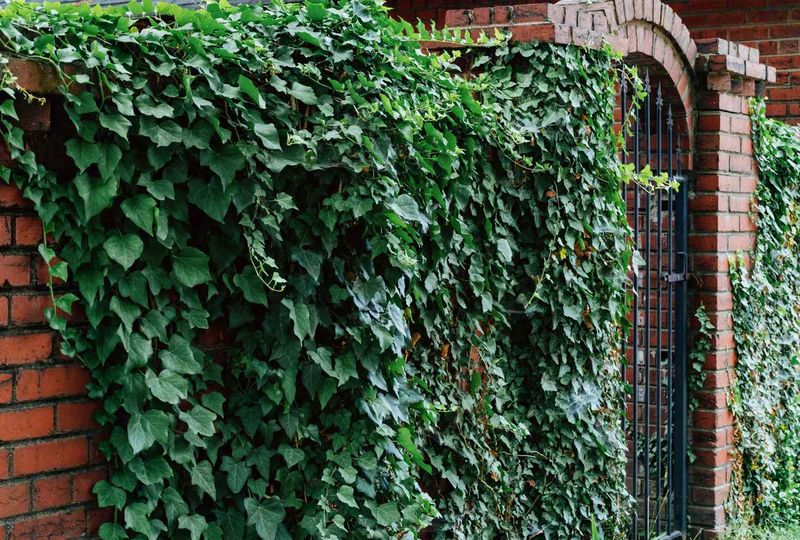
A lush bed beside your house can hide more than bare soil. In Florida, damp leaves and crowded stems give outdoor roaches cool places to shelter close to your walls.
The plant itself is rarely the problem; where it grows and how it is cared for matter more. Here are seven common foundation choices to rethink, plus better ways to keep the curb appeal.
1. Asiatic Jasmine
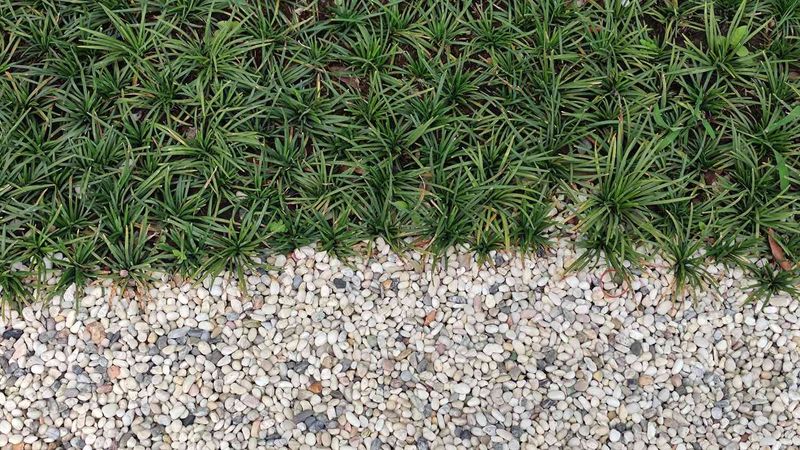
From the sidewalk, Asiatic jasmine looks like a tidy green rug. Up close, its tangled stems can hold fallen leaves and keep the soil beneath them shaded.
When that rug runs right to the house, it offers outdoor roaches, especially Florida’s large palmetto bugs, a sheltered route along the foundation.
Try sunshine mimosa in a sunny, well-drained front bed instead. This low-growing Florida native spreads across open ground and produces small pink flowers.
It still needs room to grow, but its foliage is easier to check and trim than a thick mat of jasmine. Give it space away from the wall rather than expecting any groundcover to act as a pest barrier.
For an existing jasmine bed, start by pulling out trapped leaves and cutting back growth that touches the siding or covers vents. Leave a visible strip beside the foundation so you can spot moisture, pest activity, and cracks.
Keep irrigation aimed at the plants, not the wall. Changing that damp hiding place does more than simply swapping one green plant for another.
2. Boston Fern
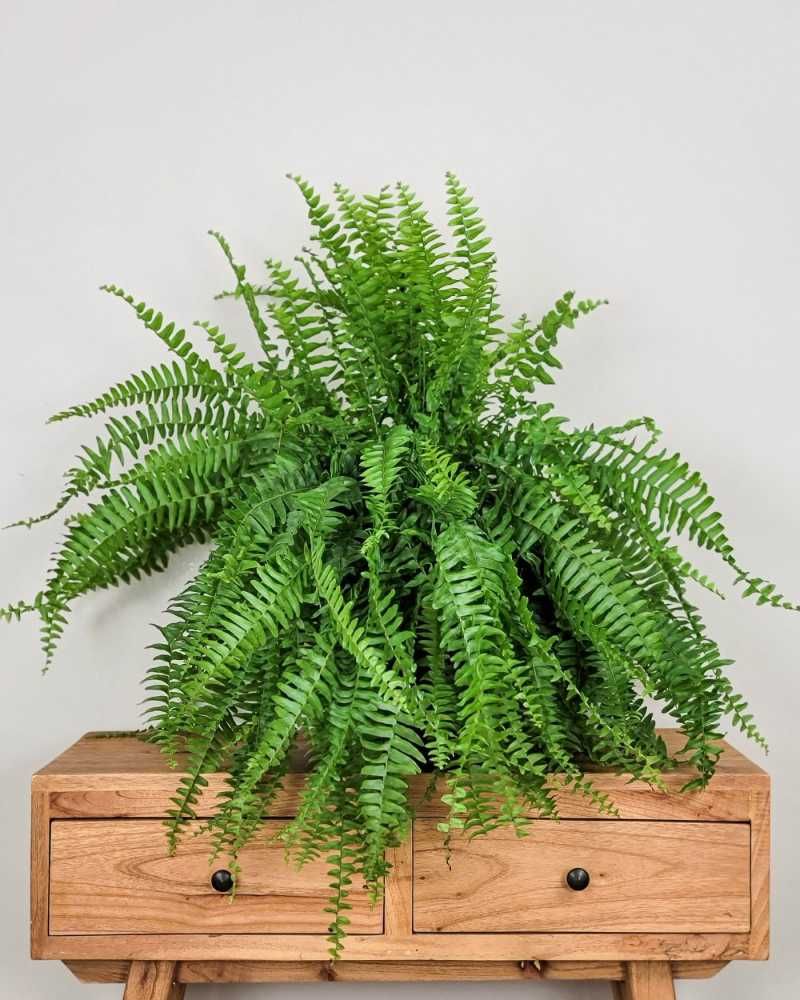
A fern-filled porch has an old-Florida charm, but big Boston ferns can make the space behind them hard to see. Their arching fronds drop bits of foliage, and frequent watering can leave the bed beneath them damp.
Set against a shaded wall, that combination creates cover outdoor roaches may use.
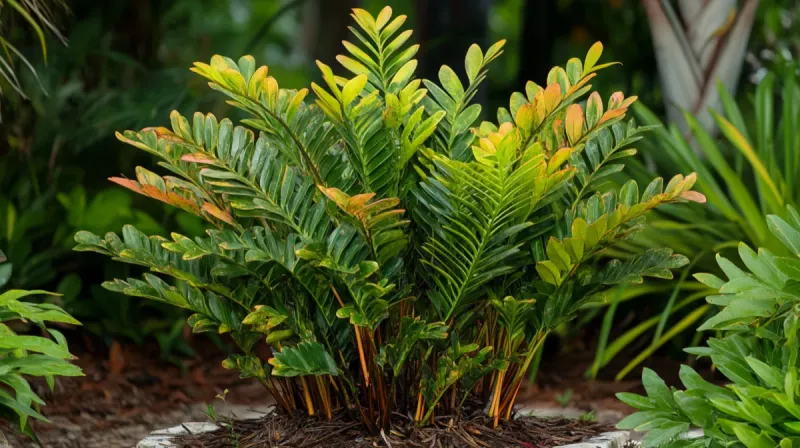
Coontie is a sturdy Florida native to consider for a shady or partly shaded foundation bed. Its firm fronds give the entry a full, tropical look without the same need for frequent watering once established.
Coontie also serves as a host plant for the atala butterfly where that butterfly occurs. Check the mature width on the plant label and place each coontie far enough from the house that its leaves will not press against the siding.
There is no need to banish every fern from the yard. A hanging basket or a planter set away from the wall can keep the soft look you enjoy.
Empty saucers, remove dead fronds, and check that sprinklers are not soaking the foundation. The goal is to make the wall easier to see and the nearby bed less persistently wet.
3. Bromeliads
Look into the center of a tank-forming bromeliad after a Florida rain. Many hold water in their leaf cups, while fallen leaves can collect between plants below.
The water is more directly a mosquito concern than a roach lure, but a crowded bromeliad bed can also give roaches damp, protected spaces near the house.
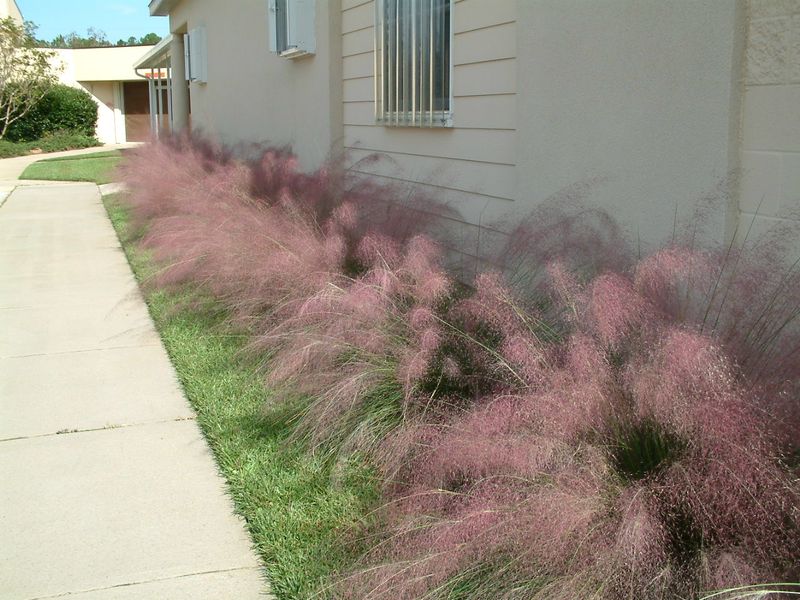
For a sunny, fast-draining spot, try Florida native muhly grass instead. Its fine leaves and airy pink fall plumes bring color and movement without water-holding cups.
Plant it where it has room to reach its mature width, leaving a clear gap at the foundation. Muhly grass is not a substitute for bromeliads in deep shade, so check how much sun the bed actually receives before buying.
If you love bromeliads, move them to a display bed or containers away from doors and exterior walls. Thin crowded clumps and clear out fallen leaves during routine yard checks.
After heavy rain, inspect any water-holding plants as part of your mosquito-control routine. A less crowded layout lets you enjoy their bold color without turning a narrow foundation bed into a hidden, wet pocket.
4. Elephant Ears
Those huge leaves make elephant ears hard to ignore. They also cast deep shade over the ground, and many types look their best with regular moisture.
Beside a Florida house, especially in a low spot that stays wet after storms, the planting can become a cool refuge for outdoor roaches.
Use coontie for a bold-leaf look in a better-drained bed near the house. This native has a strong shape, handles Florida conditions once established, and suits partial shade as well as sunnier sites.
It will not match the giant scale of elephant ears, but that smaller size is useful when you need to inspect a wall or reach a hose bib. Leave enough room for its mature spread.
Elephant ears fit better in a spacious garden area away from the foundation, where their dramatic leaves can stand out without blocking access. If the old bed is soggy, fix the drainage issue before replanting; no plant swap will repair a downspout that empties against the house.
Also identify the elephant ear you own before moving or sharing it, since some commonly grown types spread aggressively in Florida.
5. Creeping Fig
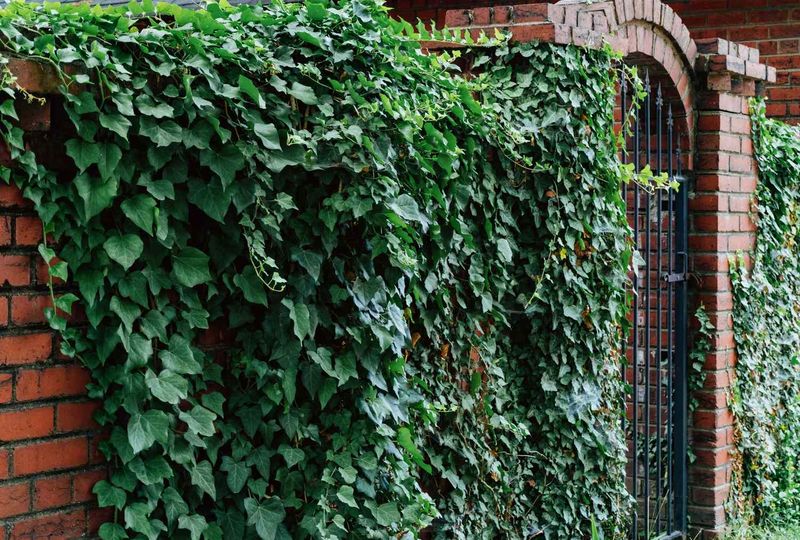
At first, creeping fig can look like a neat green pattern on a bare wall. Given time, it may cover gaps, vents, and trim that a homeowner needs to inspect.
The vine does not feed roaches, but thick growth against the house can hide insect activity and make it harder to spot places where pests get inside.
If you want greenery that climbs, grow native coral honeysuckle on a freestanding trellis set away from the wall. Its tubular flowers bring color and can draw hummingbirds.
The support keeps the vine’s growth in a place you can prune and check from both sides. Choose a spot with suitable sun and leave enough walking room between the trellis and the house for maintenance.
Removing established creeping fig takes patience. Cut it back carefully, check whether roots or stems have reached openings, and avoid yanking attached growth from painted or damaged surfaces.
Repair gaps around pipes, doors, and screens after the wall is clear. A plant cannot seal the house for you, but moving climbing greenery off the wall makes those repairs much easier to find and keep up.
6. Areca Palm
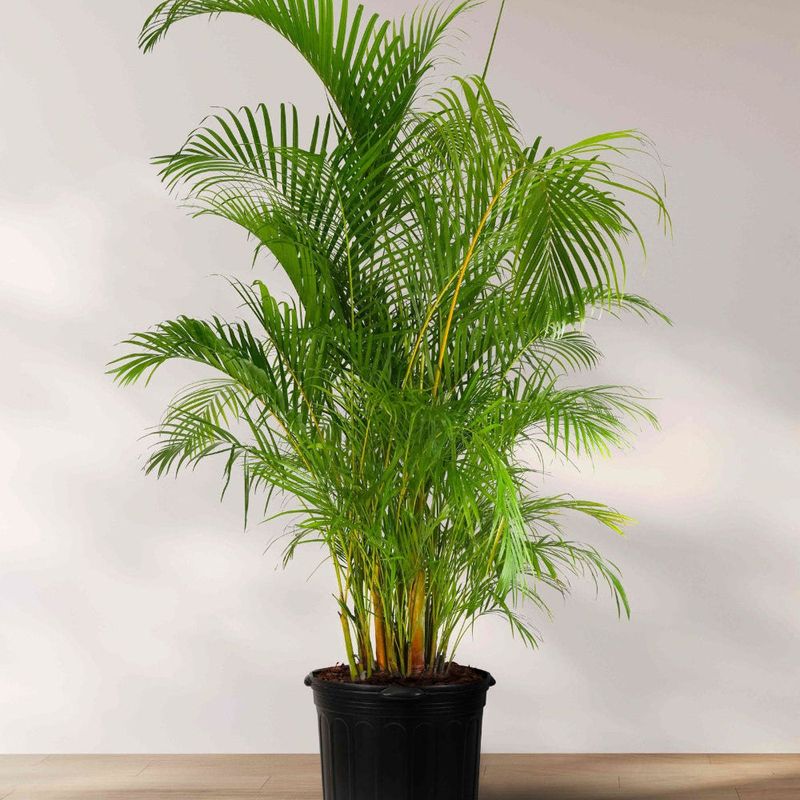
A row of areca palms can make a front window feel like a private resort. The trouble starts when the clumps are planted too close to the house.
Numerous stems, fallen leaf bases, and old fronds can build a sheltered pocket at ground level, while mature foliage may block access to the wall.
For a smaller native screen, consider Simpson’s stopper where your part of Florida and the planting site suit it. Its neat leaves, small flowers, and colorful fruit offer more than a plain green backdrop.
It still needs proper spacing: check its expected mature size, then set it far enough out that you can walk behind it and prune it without scraping the house. In northern Florida, ask a local nursery or extension office about cold suitability before planting.
If the palms are staying, thin out dead material at the base and remove fallen fronds rather than piling them behind the clump. Keep mulch shallow and pulled back from the foundation.
After a storm, take another look for debris trapped among the stems. That quick cleanup protects the tidy appearance you wanted and takes away cover beside the wall.
7. Clusia Hedges
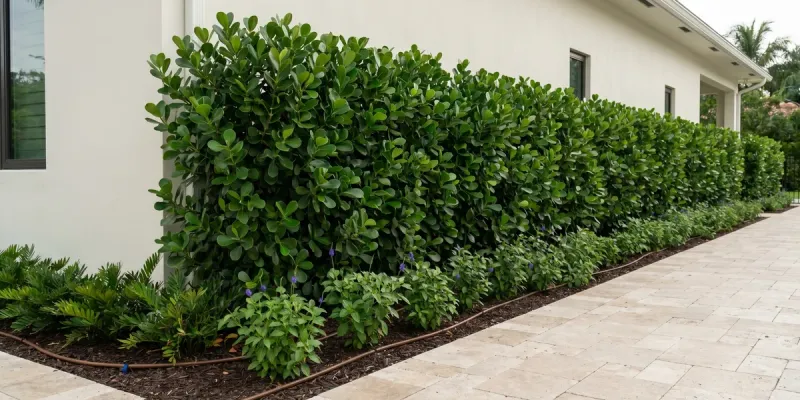
Few plants make a fast-looking privacy wall quite like clusia. Its thick leaves and dense branching can also turn a narrow foundation bed into a place nobody checks.
Add sprinklers, deep mulch, and leaf litter beneath the hedge, and outdoor roaches have more sheltered ground close to the house.
Where it fits the local climate, native Simpson’s stopper can make an attractive hedge with flowers and fruit. The key improvement is not its name alone.
Plant it with enough space from the wall for its mature width, and trim it so air and light can reach the ground below. It can provide screening without becoming an unbroken cover over vents, hose connections, or the edge of the foundation.
Already have a healthy clusia hedge? You may not need to remove it.
Prune a service gap behind it, rake out trapped debris, and adjust irrigation so the wall is not sprayed. Avoid stacking fresh mulch over old layers, and keep mulch away from the house.
Check the cleared strip now and then, particularly after Florida’s heavy rains. An open, dry, inspectable edge matters more for roach prevention than any promise that one shrub repels them.