
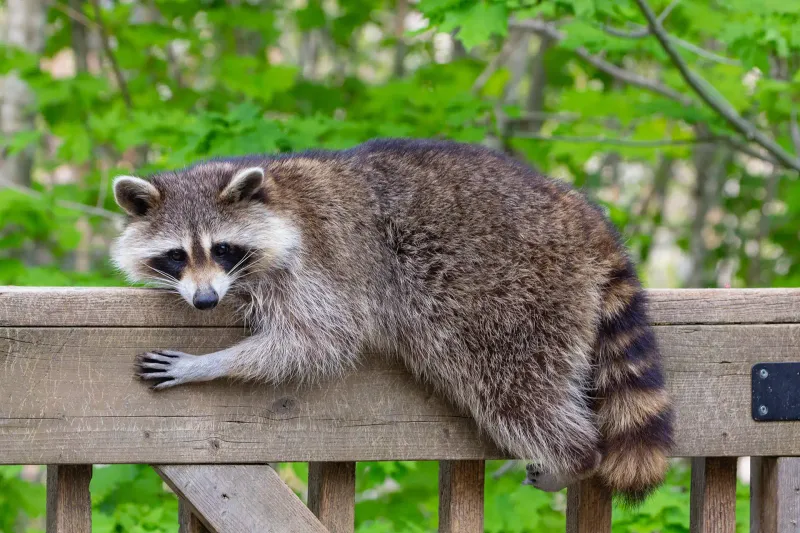
A masked visitor on your patio, a toppled trash can, or glowing eyes by the pecan tree can make any homeowner wonder what is going on. Raccoons are clever and curious, and a yard that offers easy meals can look like a good stop.
Checking your yard for food, water, and hiding spots is a smart first move. This guide walks you through each one so you can make changes that fit a Central Texas fall.
A repeat visit points to a possible resource, not a proven route
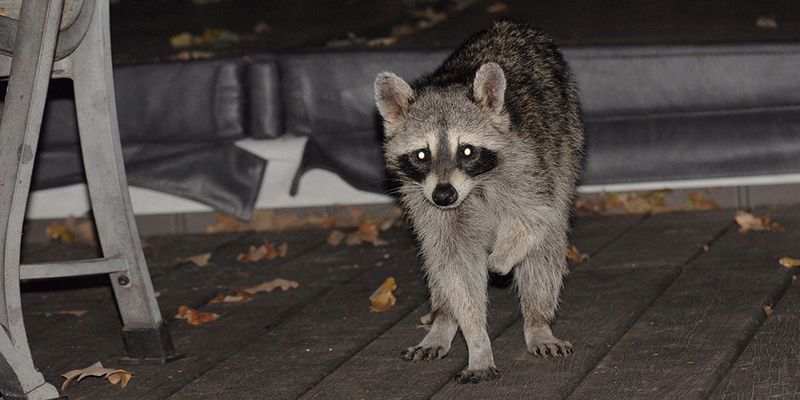
Seeing the same raccoon more than once feels personal, but it does not tell you much by itself. Texas Parks and Wildlife describes raccoons as almost exclusively nocturnal, and notes they can live near developed areas where food, water, and cover are available.
A Central Texas yard with a shady oak, a tidy fence line, and a few snacks left around can fit that description nicely.
What the sightings cannot tell you is why the animal is there. You cannot say it follows a set route, keeps a schedule, or returns for one single reason.
All you can say is that something about the property may be easy to use, and that is worth investigating.
Think of yourself as a detective with a flashlight and a notepad. Walk the yard in daylight and look at it the way a hungry animal might.
Ask what is edible, what is reachable, and what is sheltered.
Food is the most practical place to begin. University of California IPM lists pet food left outside, garbage, compost, birdseed, and garden fruits and nuts among common urban food sources.
Those are things you can change quickly, which makes them better first checks than guessing about habits you cannot see.
The next sections go through each possible resource, one at a time. No single fix is guaranteed to end the visits, but each one removes a reason for a raccoon to linger.
Pet food and unsecured trash are practical first checks
A bowl of kibble on the porch is a simple meal for a raccoon. UC IPM identifies outdoor pet food as a valuable food resource for these animals.
Bringing bowls indoors after your pet finishes, and not leaving food out overnight, is an easy change to try first.
Watch for clues. Scattered kibble, a bowl moved across the patio, or a pet door with crumbs nearby can suggest that something has been helping itself.
These signs are hints, not proof, since opossums, stray cats, and other animals also like free meals.
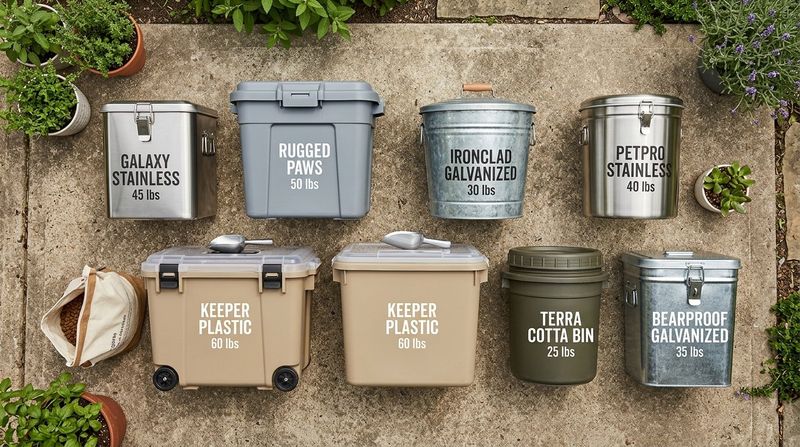
Garbage is the other common stop. Wildlife damage specialists with the Internet Center for Wildlife Damage Management recommend tightly secured trash lids.
A lid that sits loosely, a bag left beside the can, or a bin tipped on its side all make access easier.
Try latching the lid, using a bungee cord, or storing the can in a garage or shed until pickup morning. Rinsing greasy containers before they go in can also cut down on smells.
Treat these as useful first changes rather than a diagnosis. If the yard is clean of pet food and trash and the visits continue, something else may be drawing the animal, and the next checks can help you find it.
Compost and birdseed can keep food within reach
Many gardeners in Central Texas keep a compost pile, and most of what goes into it is harmless to the neighborhood wildlife. The trouble comes with certain scraps.
Meat, eggs, fats, and oils can attract raccoons and other scavengers, according to the Internet Center for Wildlife Damage Management.
Sticking with plant and vegetable matter, such as leaves, coffee grounds, and vegetable trimmings, keeps your pile more boring to animals. Burying fresh kitchen scraps under a layer of dry leaves or finished compost helps too.
A closed bin with a snug lid adds another barrier.
Not every compost pile draws a raccoon, so there is no need to give up a good gardening habit. Just take a look at what is going in and how easy it is to reach.
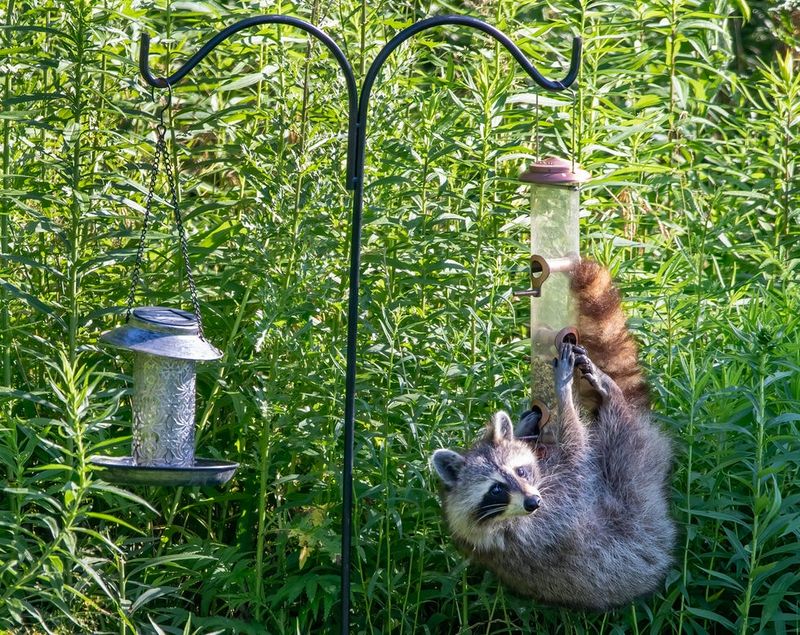
Birdseed is a similar story. Seed that spills from a feeder and piles up below can become a snack bar on the ground.
Sweeping up hulls, choosing a tray or catch pan under the feeder, and using only as much seed as the birds finish in a day can reduce the mess.
The same source suggests making feeders harder for raccoons to reach. Hanging them from a slim pole or wire away from fences, branches, and rooflines is a good start.
If your feeder is empty by morning, that is a clue worth noting, though other animals may be responsible as well.
Fallen pecans become more relevant as the season advances
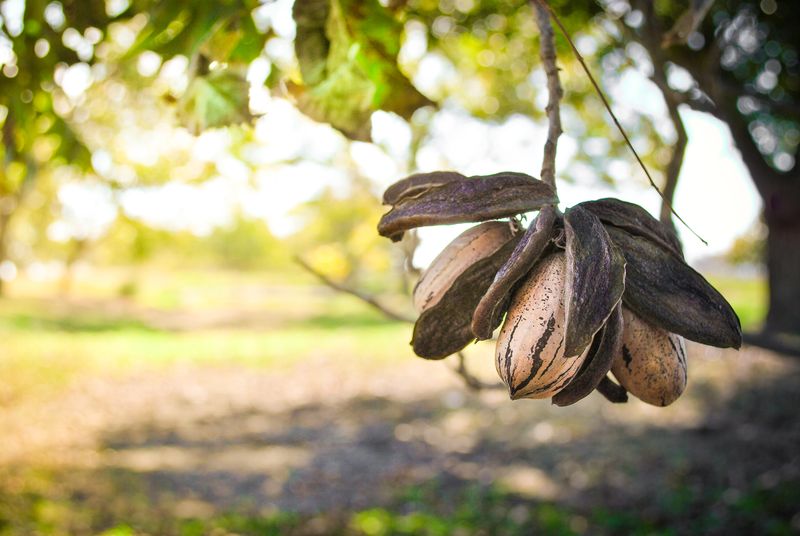
Anyone with a pecan tree knows the yard gets busy once the nuts start dropping. Squirrels, birds, and possibly a raccoon may all take an interest.
Fallen nuts are a plausible seasonal food source, but they do not prove why any one raccoon is visiting.
Timing matters, and it varies. Texas A&M AgriLife says a few native pecans may fall in October, while most drop in November and December.
Your own trees and local conditions may run earlier or later, so check the ground rather than the calendar.
If a raccoon is showing up in early fall before many nuts are down, pecans may not be the explanation yet. That is a good reason to keep checking pet food, trash, compost, and birdseed as well.
When nuts are falling, a regular cleanup helps. UC IPM advises picking up fallen fruit and nuts regularly.
Raking under the tree every few days, or gathering them in a bucket, takes less time than waiting for a big pile to build up.
The same goes for figs, persimmons, or other fruit that has dropped from trees in your yard. Pick them up and either use them or move them to a closed bin.
You may not stop every visit, but you will have one less snack on the ground.
Water is a possibility, not a diagnosis
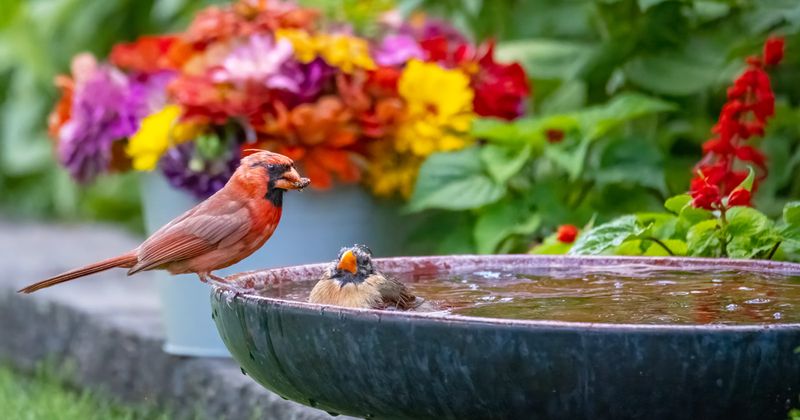
Water is part of what makes a place suitable for a raccoon. Texas Parks and Wildlife includes water among the habitat resources these animals use near developed areas.
In a Texas fall that can still be hot and dry, a dependable drink could matter to wildlife.
Even so, nobody can say that your birdbath or dog bowl is the reason a raccoon came by. The evidence for water is not as direct as it is for food.
Think of it as a secondary possibility, and keep food as your priority.
The CDC lists eliminating water sources among steps that may discourage raccoons around a home. Practical versions include emptying buckets and saucers, fixing dripping hose bibs, and bringing in pet water bowls with the food at the end of the day.
Birdbaths are worth a thought. Many gardeners want to keep them for birds, and that is reasonable.
You could dump and refill them in the morning, or choose a spot away from fences and trees where a visitor has less cover.
Try one change at a time, and watch what happens. If the visits keep happening after you remove easy food and spare water, you have learned something useful about where to look next.
Remove access before reaching for a trap
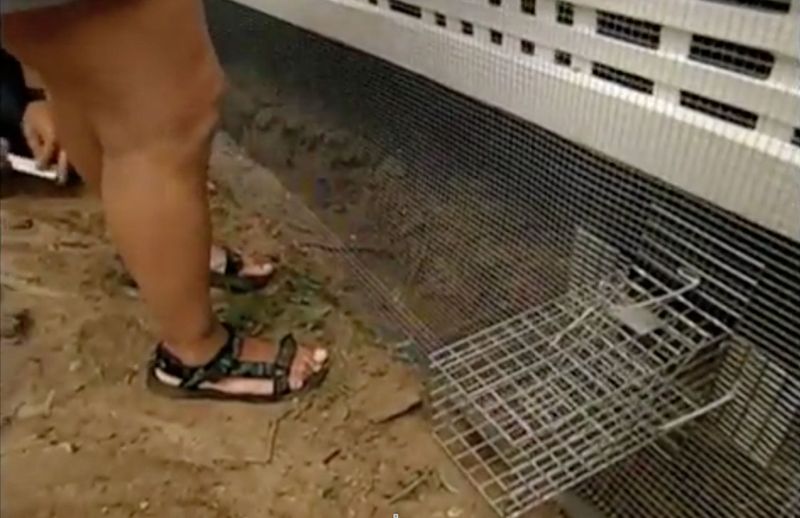
Once you have checked the food sources, the next step is to cut down on access. Take away easy meals, then look at places a raccoon could shelter, such as gaps under decks, sheds, or porches.
Sturdy exclusion materials like heavy-gauge mesh can close those spaces, though you should check first that nothing is living inside.
Trapping can seem like the quick answer, but local officials say otherwise. San Antonio Animal Care Services says live trapping is not a lasting way to control yard wildlife, because other animals can move into the vacancy.
It recommends addressing what attracts them and using exclusion.
That fits with the practical advice from the wildlife damage specialists, who focus on changing the site so it is less rewarding. Latched trash, closed compost, and fewer spills all belong on that list.
A word about home remedies. Mothballs are not a safe choice.
The National Pesticide Information Center says they are not meant for animal repellency and can expose people and animals to pesticide vapors when used in the open.
No single step is certain to end the visits. Make a change, wait a week or two, and see what remains.
Whatever is still available is your next clue.
Keep people and pets clear while you address the yard
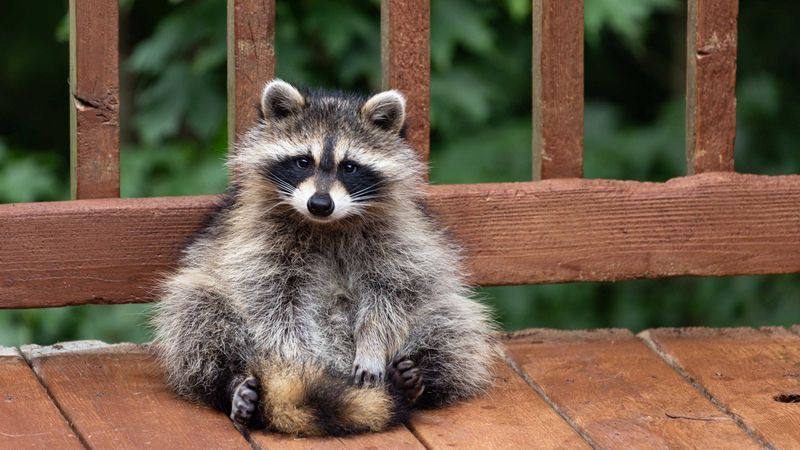
While you tidy the yard, keep your distance from the animal. Keep children and pets away from raccoons and from raccoon feces.
The CDC advises avoiding contact, keeping trash closed, and covering sandboxes, and it warns that raccoon roundworm eggs cannot be seen with the naked eye.
If you find droppings, do not sweep them up casually. Follow the CDC cleanup instructions before you touch anything, and keep pets from sniffing around the area in the meantime.
Raccoons are usually active at night, but a daytime sighting alone does not mean an animal is sick. A University of Florida IFAS fact sheet cautions that daytime activity is not a diagnosis by itself.
A raccoon hunting for food in the morning may simply be hungry.
Behavior is the better clue. The Texas Department of State Health Services points to behavior changes as possible warning signs.
If an animal looks sick, injured, unusually tame, disoriented, or has trouble moving, stay away and call local animal control.
Then go back to the plan: reduce access to likely resources and watch whether the visits change. A quiet yard is often the result of small habits, repeated.