
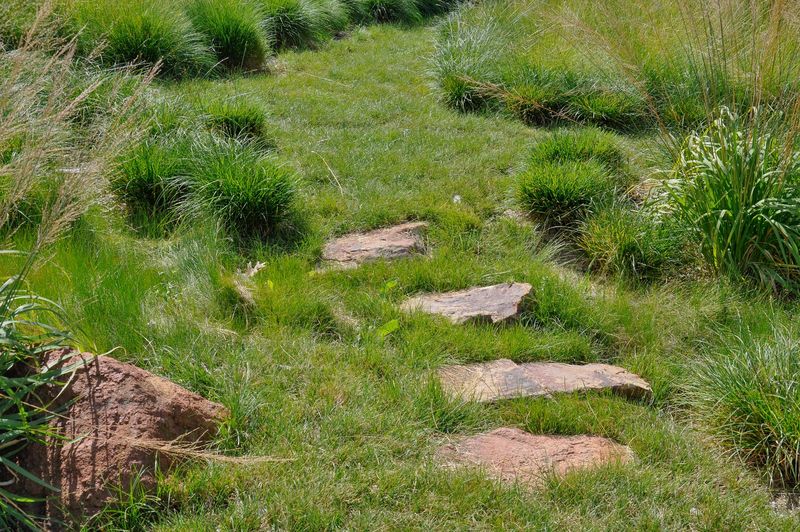
Bare dirt between stepping stones turns to mud in winter and dust in summer, and weeds move in fast. The right low plant can fill those gaps, take a beating from shoes and paws, and still look green when the hose stays coiled.
In California, that means choosing plants that handle wet winters, long dry summers, and water rules without fuss. Here are eight tough groundcovers that work hard in the spaces most people forget.
1. Creeping Thyme
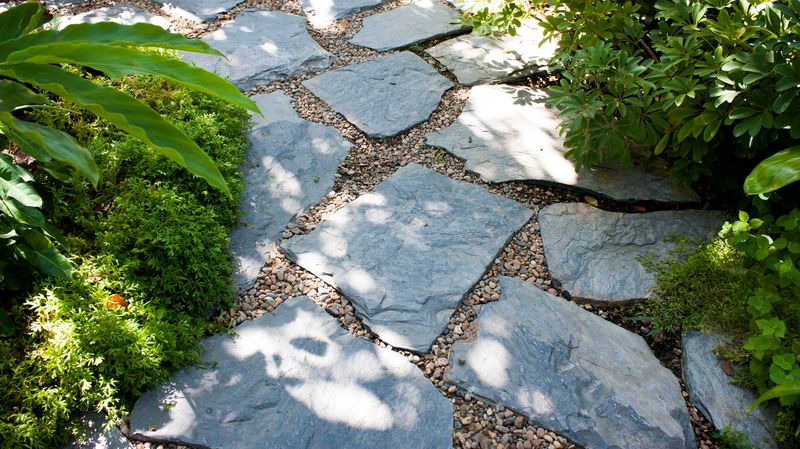
Step on it and the whole path smells like a kitchen herb garden. That fragrance is a big reason creeping thyme sits near the top of almost every stepping stone list in the state.
Thymus serpyllum and its cousins stay just an inch or two tall and spread into tight mats. Once established, they can get by on deep watering every week or two in inland summer heat, and less near the coast.
Late spring brings a haze of pink or purple flowers that native bees and honeybees visit constantly. If kids run barefoot on the path, consider trimming off the flowers during peak bloom, or pick a spot with lighter use.
Plant in full sun with sharp drainage, since soggy clay in winter is what usually kills it.
2. Dymondia
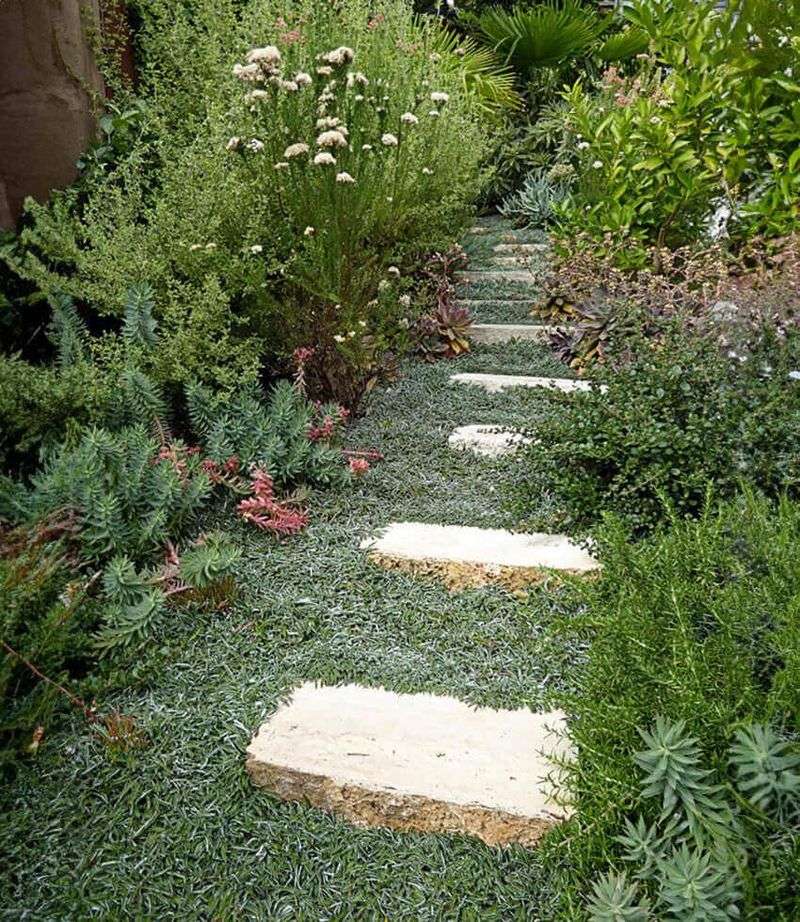
Ask a few California landscape designers what they use between pavers, and dymondia comes up again and again. Dymondia margaretae, often sold as silver carpet, hugs the ground so tightly it almost looks painted on.
The leaves are green on top and silvery underneath, with a curled edge that gives the mat a soft, textured look. Small yellow daisies pop up in summer, though the foliage is the real show.
It handles regular foot traffic well and stays well under two inches tall.
Water needs are low once roots settle in, which matters if your city limits watering days. It grows slowly at first, so plant plugs about six inches apart and be patient through the first season.
Coastal and inland valley gardens both suit it, though very hot inland spots may need a little afternoon shade.
3. Creeping Red Fescue and Native Sedge Mix
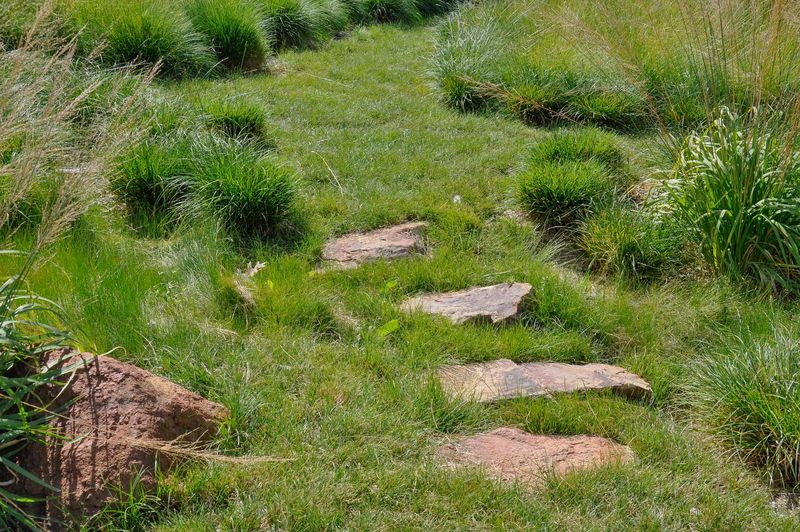
Picture a tiny meadow running between your stones instead of a single flat mat. Native sedges such as Carex pansa (California meadow sedge) and Carex praegracilis give that soft, grassy feel without a thirsty lawn.
These sedges come from California’s own coastal dunes and meadows, so local insects and ground-nesting birds already know what to do with them. They tolerate moderate foot traffic and can be mowed high a couple of times a year or left shaggy.
They work best in wider gaps, roughly six inches or more. Summer water every week or two keeps them green inland, while coastal gardens may need even less.
If your yard used to be turf, this is a gentle step toward a lawn alternative that still feels familiar underfoot.
4. Blue Star Creeper
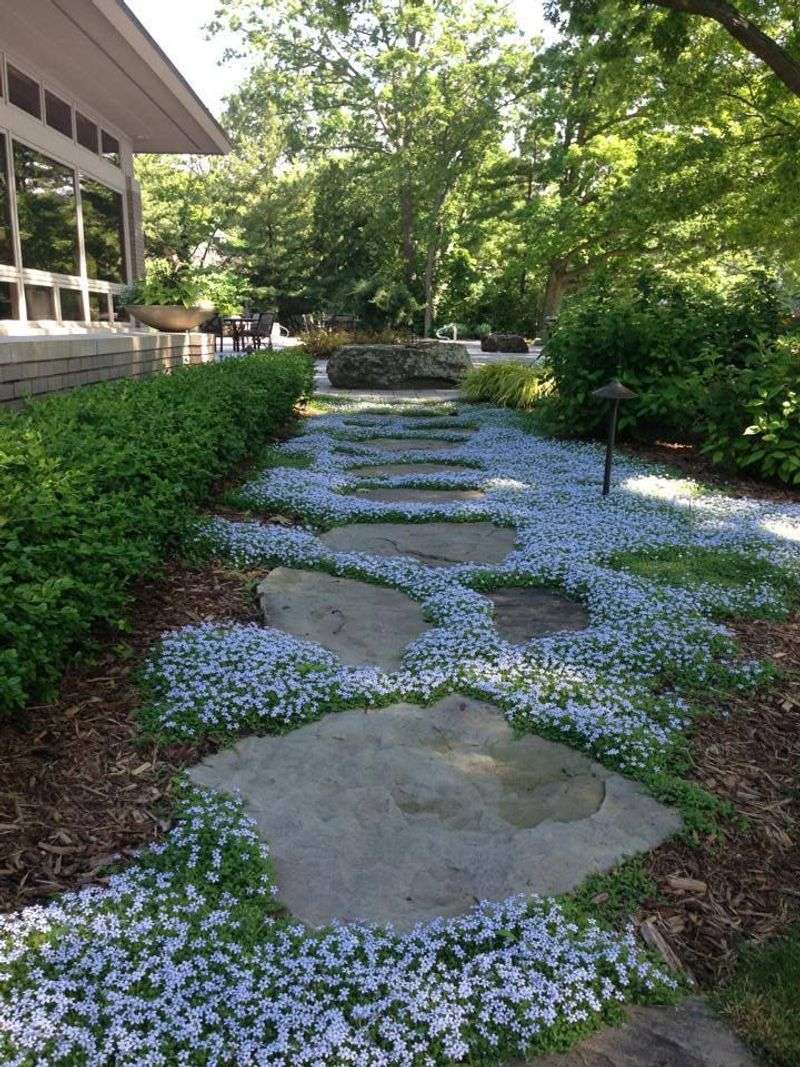
Tiny pale blue stars scattered across bright green leaves make blue star creeper one of the prettiest choices on this list. Its botanical name is Isotoma fluviatilis, and it shines in spots where thyme would sulk.
Partial shade and a bit more moisture suit it best. That makes it a good match for north-facing side yards, spaces under high tree canopy, or coastal gardens with foggy mornings.
It takes light to moderate foot traffic and bounces back quickly. Be honest about water, though: in hot inland valleys it can need more irrigation than other picks here.
Keep it out of dry, blazing spots, and give it a home where drip lines already run.
5. Yarrow Lawn
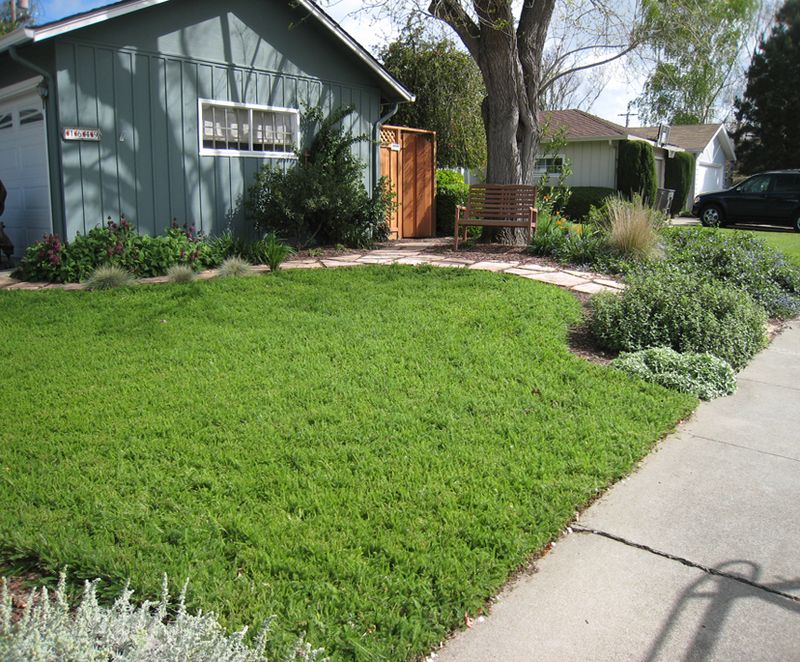
Few plants can be both a wildflower and a mowable path filler. Common yarrow, Achillea millefolium, is native across California and pulls off both jobs.
Left alone, it sends up flat white flower clusters loved by hoverflies, small native bees, and ladybugs. Mow or string-trim it low and the ferny leaves knit into a soft, walkable carpet that handles daily trips to the garden shed.
Yarrow tolerates poor soil, heat, and drought once established. It can spread a bit beyond where you planted it, so edge your beds if you want neat lines.
For gardeners who want a path that quietly supports beneficial insects, it is hard to beat.
6. Woolly Thyme
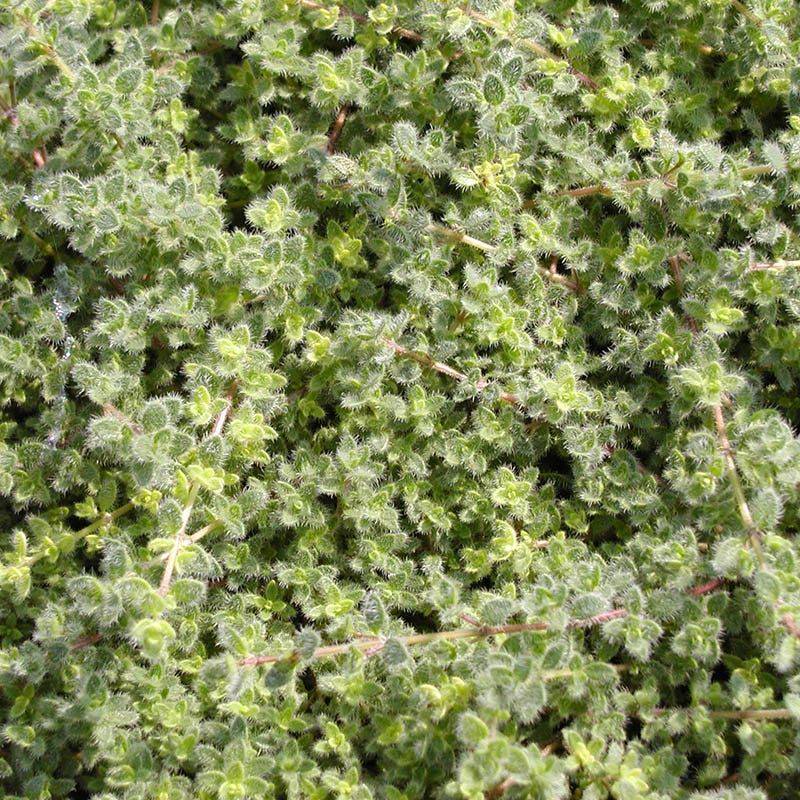
Kids tend to crouch down and pet it. Woolly thyme, Thymus pseudolanuginosus, wears a coat of fine gray hairs that feels like velvet and helps it shrug off hot, dry weather.
Unlike its creeping cousin, it rarely flowers much, which means fewer bees underfoot on busy paths. That makes it a smart pick near patios, play areas, or front walks.
Drainage is everything. Plant it in gritty soil or decomposed granite, avoid overhead sprinklers, and let the soil dry between waterings.
On sunny hillsides it can look great all year with surprisingly little care.
7. Corsican Mint
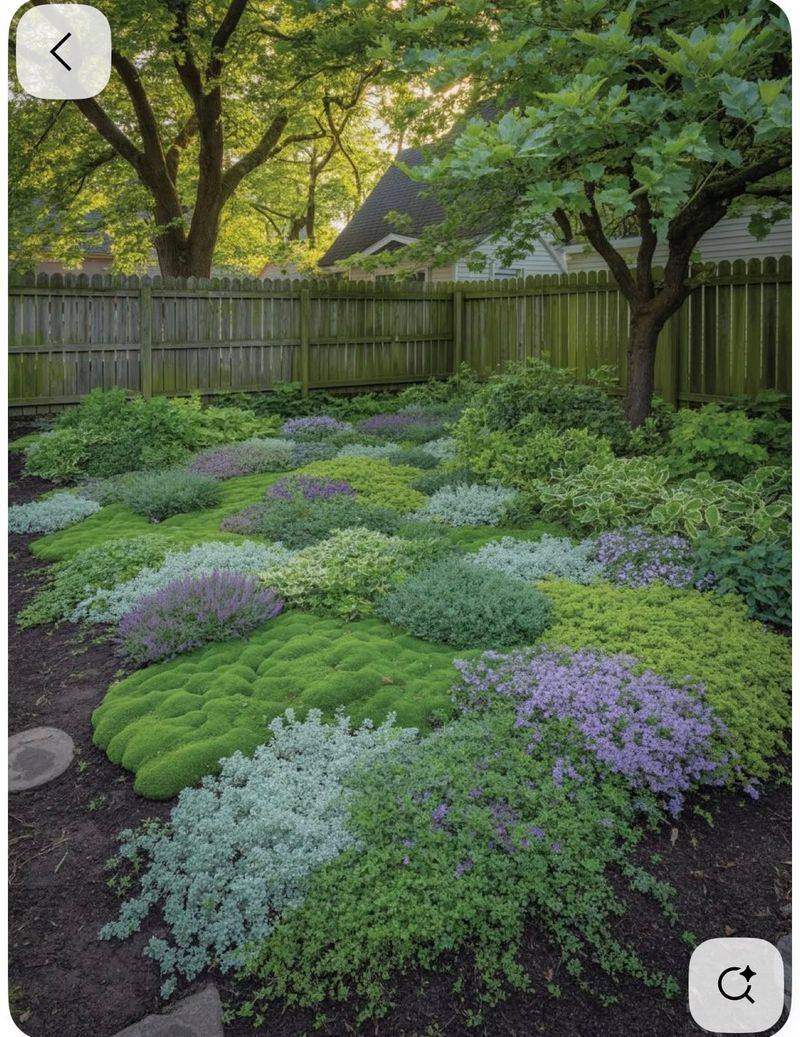
Brush past this one and a sharp burst of peppermint fills the air. Corsican mint, Mentha requienii, has leaves so small it looks almost like moss.
It belongs in shady, damp corners, like a courtyard, a spot near a fountain, or the path beside a downspout. In sunny, dry areas it will fade quickly, so it is not a water-wise choice for every yard.
Light foot traffic is fine, and it often reseeds into nearby cracks. Think of it as a special-occasion plant for the one cool, moist nook in your landscape, not a full path solution.
8. Silver Carpet Native: Frogfruit
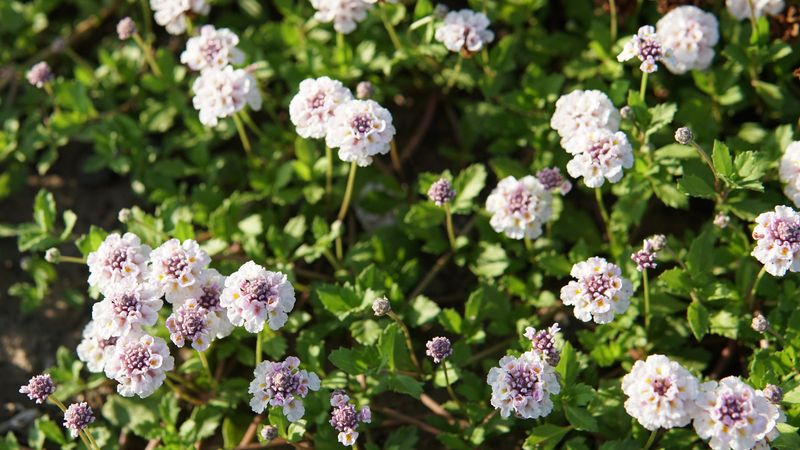
Back when drought rules first tightened, plenty of Central Valley homeowners swapped thirsty turf for frogfruit. Phyla nodiflora, also called lippia or turkey tangle, is native to California and much of the South, and it spreads fast.
Little button flowers in white and lavender appear from spring into fall and pull in butterflies, including small blues and checkerspots. It handles heat that would scorch most groundcovers and takes steady foot traffic.
It goes partly dormant in cool winters in some areas, so expect a browner look for a few months. Bees love the blooms, so wear shoes during flowering season.
If you want a fast, tough filler for sunny gaps, it may be the most forgiving option here.