
Every fall, hummingbirds zip south through Texas and Florida looking for one thing: fuel. If your porch pots are full of mums and ornamental cabbage, those tiny travelers may fly right past without stopping.
The good news is that a few smart container swaps can turn your patio into a busy refueling station. Here are nine potted bloomers that keep nectar flowing when late hummingbirds need it most.
1. Mexican Bush Sage (Salvia leucantha)
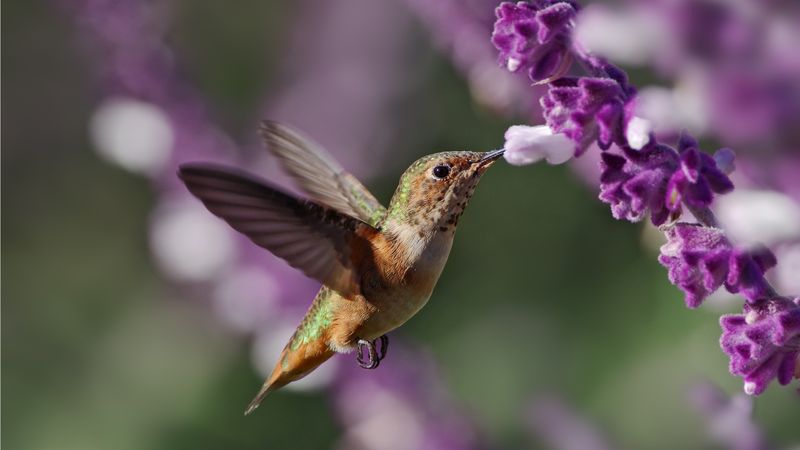
Fuzzy purple spikes that look like velvet ropes make Mexican bush sage one of the showiest fall plants in the South. It waits all summer, then explodes with color right as migrating hummingbirds pass through in September and October.
Many gardeners plant it in the ground, but it does surprisingly well in a large container. Choose a pot at least 16 to 20 inches wide, because the plant can reach three or four feet tall.
A sturdy terracotta or glazed pot keeps it from tipping over in gusty fall storms.
Give it full sun and well-drained potting mix. Once established, it handles dry spells better than most bloomers, which helps on busy weeks when watering slips.
In Central and South Texas, blooms often continue until the first light frost.
Hummingbirds may visit the tubular flowers repeatedly, especially in the early morning. Bees and butterflies tend to join the party too, so expect some buzzing traffic around your porch.
Pinch the stems back once in early summer to keep the plant bushy. Skip pruning after mid-July, or you could cut off the fall flower buds that hummingbirds count on.
2. Firebush (Hamelia patens)
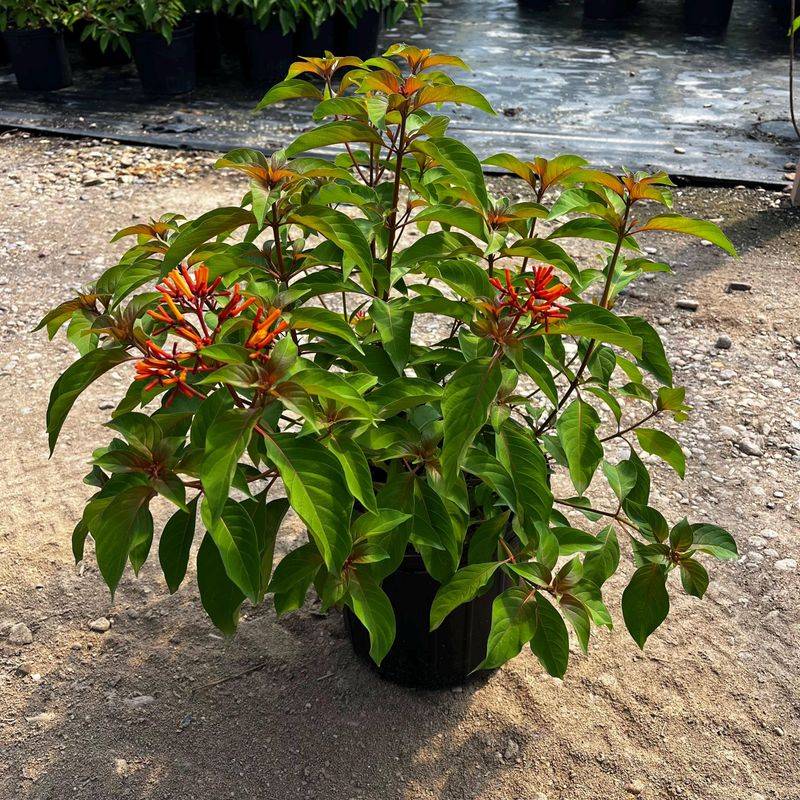
Ask a Florida gardener which plant hummingbirds never ignore, and firebush usually comes up first. Its clusters of orange-red tubes are practically built for a hummingbird beak.
Native to Florida and South Texas, firebush blooms from late spring well into fall in warm areas. That long season means your container is already loaded with flowers when late migrants and wintering hummingbirds arrive.
In pots, firebush stays more compact than it would in the ground, often reaching three to four feet. Use a 15-gallon container if you can, and set it where it gets at least six hours of sun.
More sun usually means more flowers.
Water deeply when the top inch of soil dries. Container roots heat up fast in Southern sun, so a light layer of mulch on top can help hold moisture.
Cooler weather often turns the leaves a pretty reddish bronze, giving you bonus fall color. North of Zone 9, roll the pot into a garage or sunroom before a hard freeze.
Firebush may drop leaves indoors, but it typically bounces back in spring and gets right back to feeding hummingbirds.
3. Pineapple Sage (Salvia elegans)
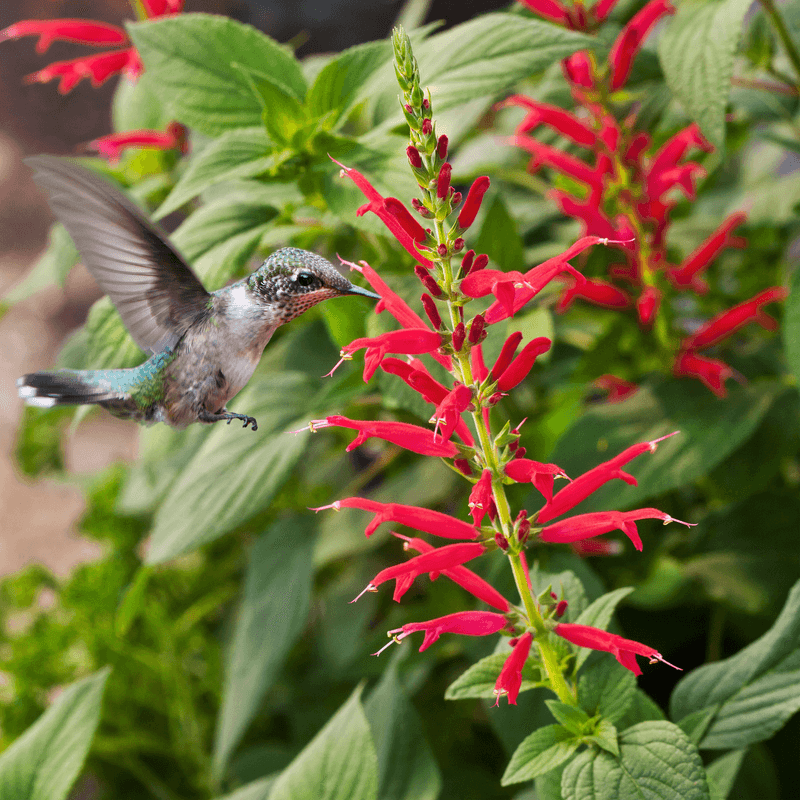
Brush a leaf, and you get a sweet whiff of fresh pineapple. That fun scent is a bonus, but the real reason to grow pineapple sage is its brilliant scarlet flowers that open in fall.
Pineapple sage is a short-day bloomer. It mostly grows leaves through summer, then starts flowering as nights lengthen in September and October.
That timing lines up nicely with hummingbird migration across the Gulf states.
Plant it in a half-barrel or a container around 18 inches wide. Morning sun with a little afternoon shade works well in hot Texas and Florida yards, since the leaves can scorch in harsh late-day heat.
Keep the soil evenly moist. If the plant wilts badly on hot afternoons, check whether the pot is drying out too quickly, and consider moving it somewhere with some afternoon shade.
Here is a kitchen perk: the leaves and flowers are edible. Some cooks add them to tea, fruit salads, or lemonade.
Set your pot near a window or seating area. Hummingbirds may become regular guests, and you will have front-row seats to the show.
4. Cigar Plant (Cuphea ignea)
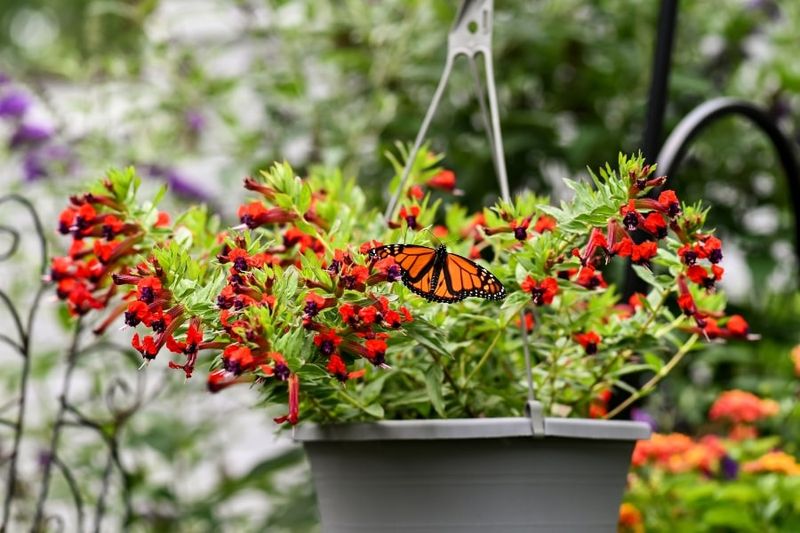
Tiny red tubes with a white-and-black tip, like little lit cigars, give this plant its quirky name. Hummingbirds do not care about the name, though.
They care that it blooms almost nonstop.
Cigar plant is a small, tidy grower, usually one to two feet tall. That makes it a good fit for hanging baskets, window boxes, and mixed porch pots where space is tight.
It handles Southern heat well and keeps flowering through summer into fall. In frost-free parts of Florida, it may bloom nearly year-round, giving wintering hummingbirds a steady snack.
Plant it in a quality potting mix with good drainage. Let the top of the soil dry slightly between waterings.
Hanging baskets dry out faster, so check them daily during hot spells.
A light feeding every few weeks with a balanced flower fertilizer can help keep the blooms coming. Avoid heavy doses, which may push leaves over flowers.
Want more color? Pair cigar plant with trailing sweet potato vine for a basket that looks full and lively.
Just make sure the cuphea sits on the sunny side so the hummingbirds can find it easily.
5. Turk’s Cap (Malvaviscus arboreus)
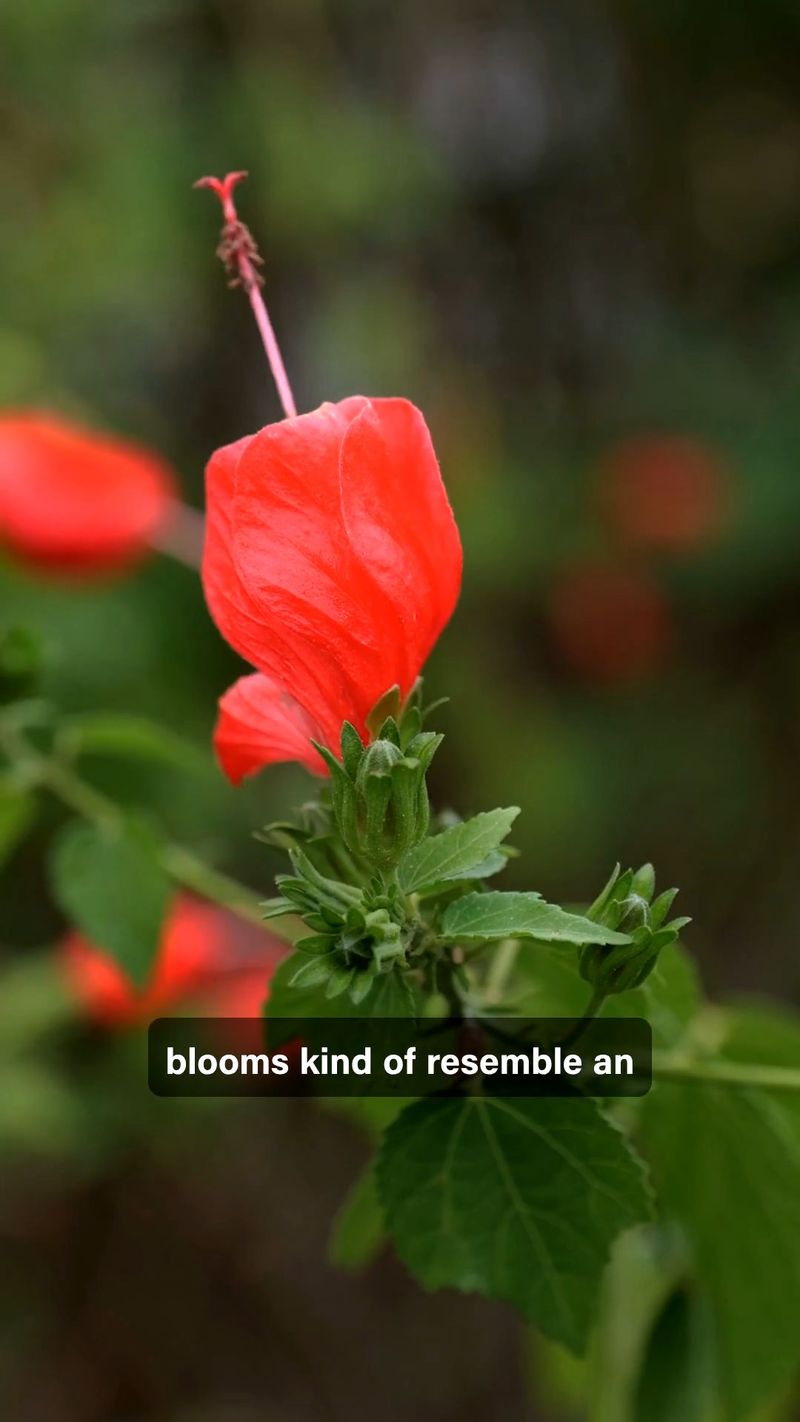
Got a shady patio where nothing seems to flower? Turk’s cap might be your rescue plant.
It is one of the few Southern natives that blooms well in partial shade.
The red flowers never fully open. Instead, they stay twisted like a little turban, which is how the plant got its name.
Hummingbirds have no trouble reaching the nectar inside, and they often return to the same shrub day after day.
Turk’s cap is native to Texas and Florida, so it tends to shrug off heat, humidity, and dry spells. It blooms from summer through fall and sometimes later in mild winters.
In a container, choose a big pot, around 20 inches wide, since the plant can spread. Regular potting mix works fine.
Water when the top couple of inches feel dry.
If your plant gets leggy, cut it back by about a third in late winter. That encourages fresh, bushy growth for the next season.
Fun fact: the small red fruits that follow the flowers are edible and taste a bit like apple. Birds like mockingbirds may snack on them too, adding even more wildlife to your space.
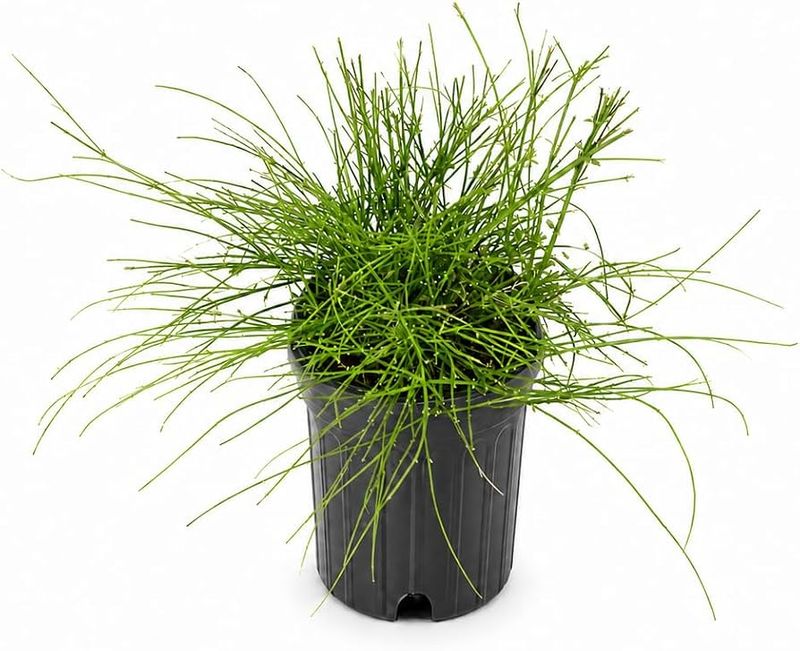
6. Firecracker Plant (Russelia equisetiformis)
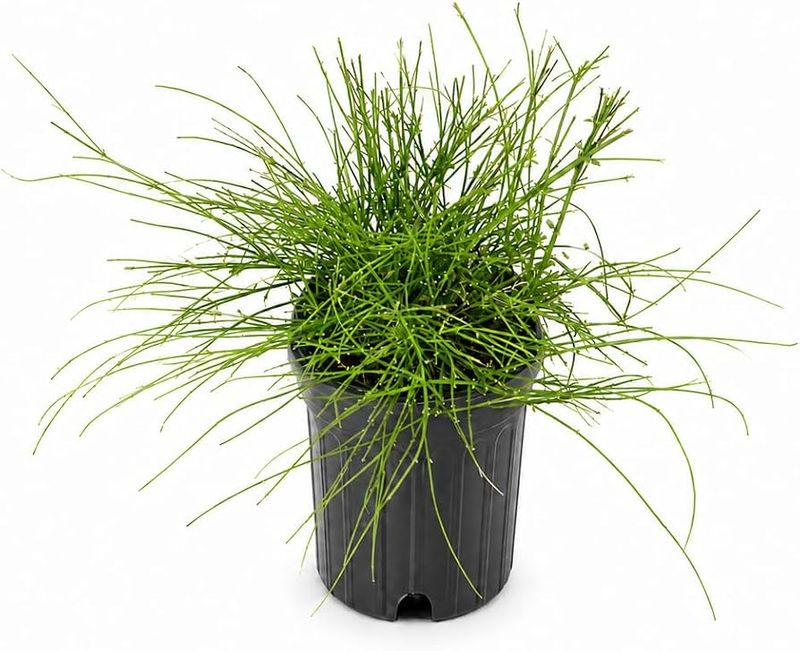
Picture a fountain of bright green stems with red firecrackers bursting from every tip. That is Russelia, and it looks fantastic spilling over the edge of a tall pot.
Its arching, rushlike stems make it a natural for elevated planters, urns, and pool-deck containers. Because the flowers dangle at the ends, hummingbirds can hover and feed without fighting through dense leaves.
Firecracker plant loves heat. In Florida and South Texas, it can bloom on and off through most of the year, including those late fall weeks when other flowers fade.
Full sun gives the best flower show, though it can handle some light shade. Use a fast-draining mix, because soggy roots can lead to rot.
Water when the soil is dry an inch down.
The plant is also fairly salt tolerant, which is handy for coastal gardeners near the Gulf or Atlantic.
If stems get messy, trim them back in spring to refresh the shape. In cooler areas, bring your pot indoors or into a protected spot before freezing nights.
With a little care, the cascade of red should be ready again when hummingbirds return.
7. Shrimp Plant (Justicia brandegeeana)
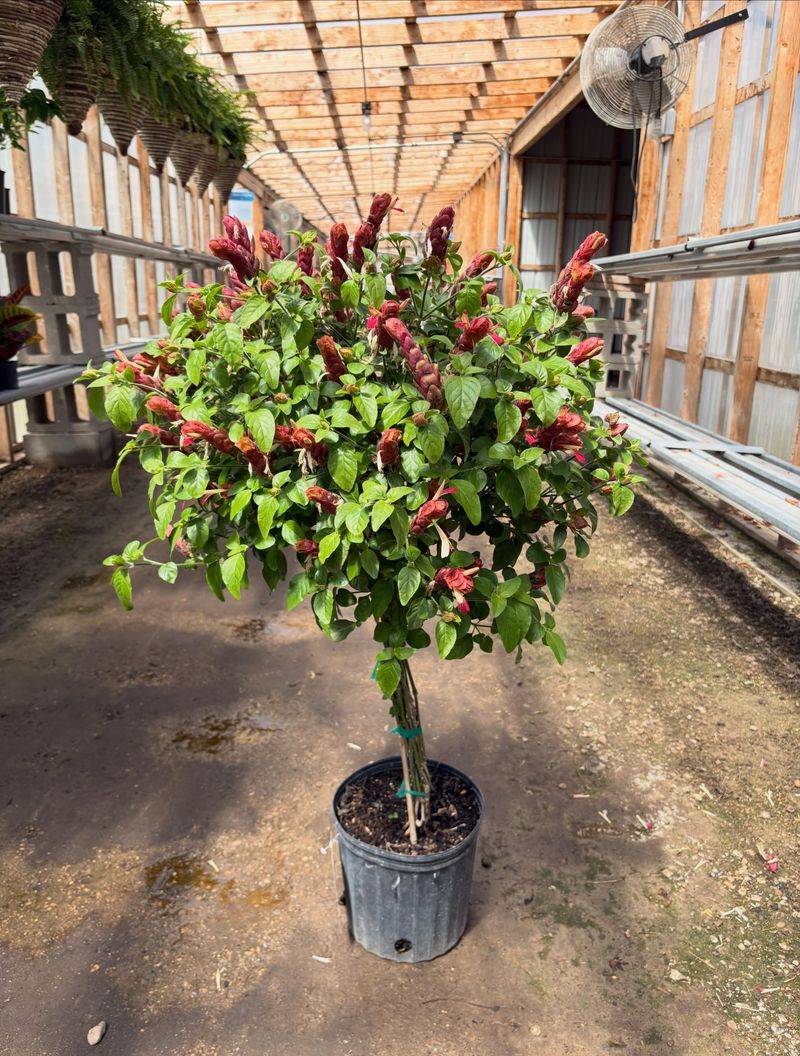
Kids usually giggle when they first see it, because the curved salmon bracts really do look like cooked shrimp. Tucked between those bracts are small white tubular flowers loaded with nectar.
Shrimp plant is a longtime Southern porch favorite. It thrives in bright shade to morning sun, making it handy for front entries under a roof overhang where sun-loving plants struggle.
The colorful bracts last a long time, and new flowers keep appearing through summer and fall. In mild parts of Florida and the Texas coast, blooming can stretch into winter.
Grow it in a 12- to 14-inch container with rich potting mix. Keep the soil lightly moist but never soggy.
Yellowing lower leaves can sometimes signal overwatering, so let the surface dry a bit between drinks.
Pinch stem tips a few times in early summer for a fuller, rounder plant with more blooms. A gentle feeding every month or so can also help.
Look for varieties in yellow or red too. Mixing colors in a few pots by the door adds cheerful curb appeal while giving late hummingbirds a reason to stop right where you can watch them.
8. Coral Honeysuckle (Lonicera sempervirens)
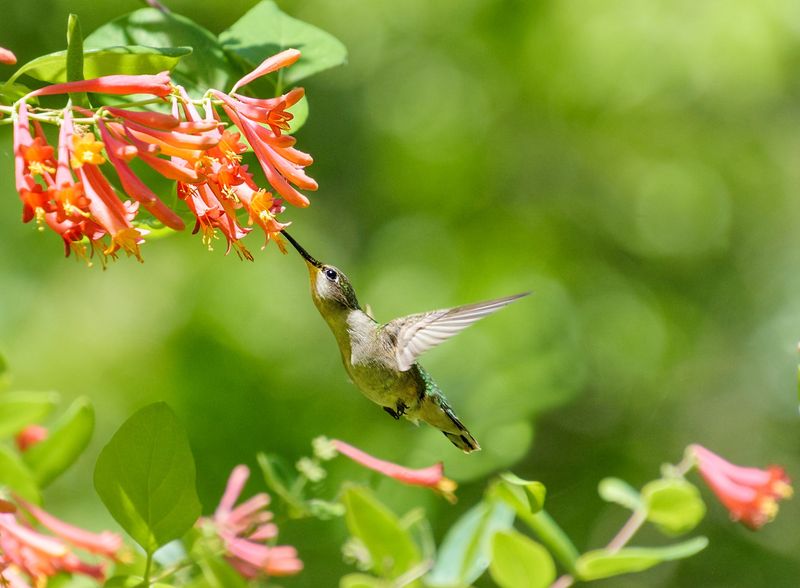
Not every honeysuckle is a garden bully. Coral honeysuckle is a well-behaved native vine, and hummingbirds have relied on it in the South for ages.
Unlike invasive Japanese honeysuckle, this species stays manageable and will not swallow your fence. Its clusters of red-orange tubes bloom heavily in spring, then often rebloom in fall when nights cool down.
Growing it in a container adds height to a patio grouping. Use a pot at least 18 inches wide and add an obelisk or small trellis.
Gently guide new stems around the support until they start twining on their own.
Full sun encourages the most flowers, though plants in Texas and Florida appreciate a little afternoon shade during the hottest stretches. Water regularly, since vines in pots dry out faster than you might expect.
Powdery white spots on leaves can show up in humid weather. Good airflow and watering at the soil line, not over the leaves, may help reduce the problem.
Bonus: the red berries that follow can feed songbirds. One pot can serve hummingbirds, bees, and birds across several seasons, all from a small patio corner.
9. Red Pentas (Pentas lanceolata)
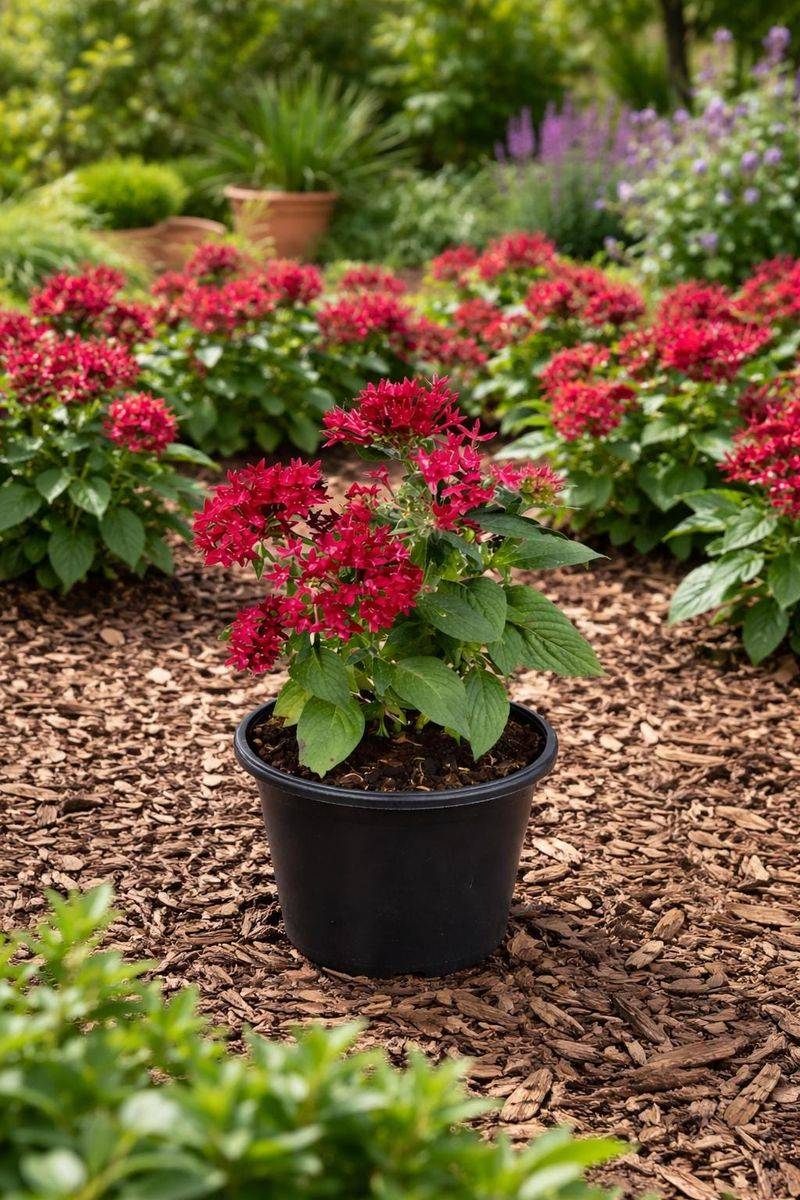
Easy, cheerful, and almost always available at Southern garden centers, pentas are the quick fix for a container that needs nectar right now.
Their star-shaped flowers grow in rounded clusters, offering lots of nectar in one spot. Hummingbirds especially seem to favor the red varieties, while pink and white ones draw plenty of butterflies.
Pentas soak up heat and humidity without complaint. In Florida and South Texas, they often flower from spring until the weather turns cold, so a late-season pot can still be blooming when stragglers come through.
Choose compact types for window boxes and small pots, or taller heirloom kinds for bigger planters. Full sun to light shade works well.
Water when the top inch dries, and avoid letting pots sit in saucers of water.
Snip off faded flower clusters every week or two. That simple habit can push the plant to keep making new buds instead of seeds.
Here is a simple plan to finish your fall setup: tuck a few red pentas into the front of pots holding taller salvias or firebush. You get layered color, more nectar, and a better shot at hosting hummingbirds through autumn.