
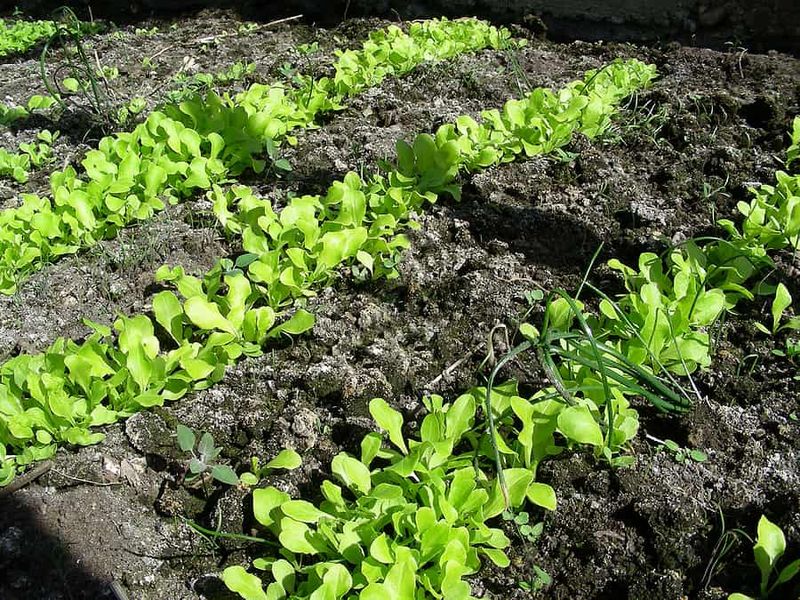
You set out fall lettuce in a bed that worked hard all summer, and now the leaves look pale and the plants barely grow. It is easy to blame tired soil and reach for a bag of fertilizer.
But several problems can cause the same look, and guessing wrong can waste money and time. A few simple checks can help you find out what your lettuce actually needs.
Low fertility can pale lettuce, but appearance cannot confirm it
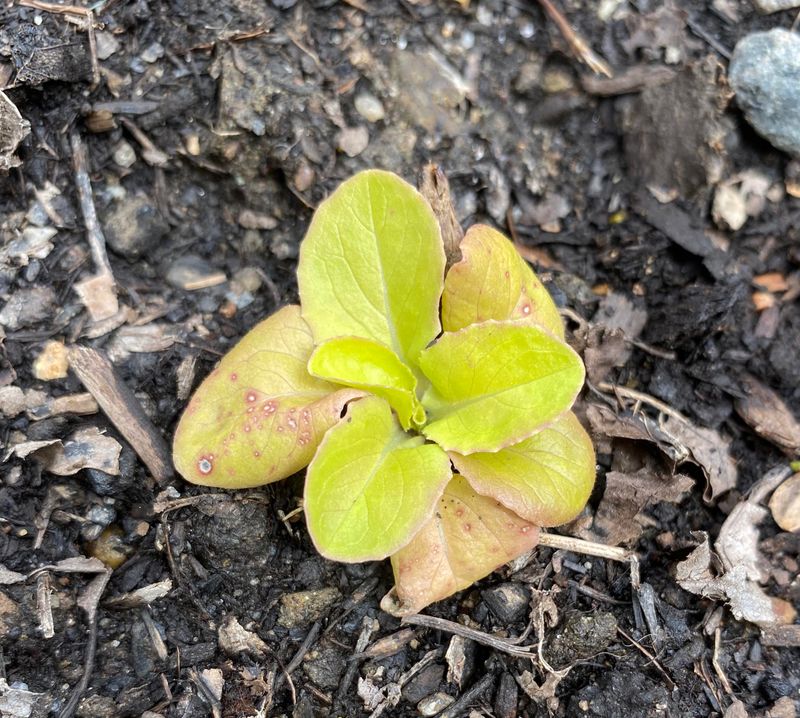
Pale leaves and slow growth are a classic sign that a plant may be short on food. In lettuce, UF/IFAS research on nitrogen in lettuce notes that a nitrogen shortage can lead to stunting and pale-green foliage.
So low fertility is a reasonable suspect.
A suspect is not a verdict, though. The same pale, slow look can show up when roots are stressed, the weather is wrong, or a disease is at work.
Looking at a leaf cannot tell you what is in the soil, and it cannot prove that summer used up the bed.
Texas A&M AgriLife’s fall vegetable gardening guide for Texas lists low fertility as one possible cause of pale, stunted plants and recommends testing the soil to find out. Before you add anything, rule out the other common culprits first.
Heat, water, drainage, and disease can cause similar problems
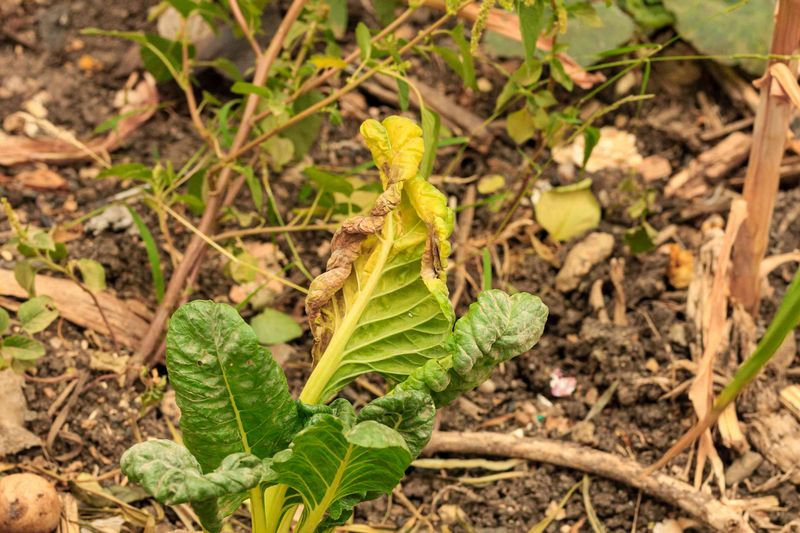
A fall date on the calendar does not guarantee fall weather in the South. University of Illinois Extension explains that lettuce likes cool conditions, and high temperatures can stunt growth, make leaves bitter, or trigger bolting.
A warm spell after planting can slow seedlings no matter how rich the soil is.
Water matters just as much. UGA guidance on home garden lettuce calls for steady moisture while plants get established, but not soggy, poorly drained ground.
Soil pH also counts, with 6.0 to 6.5 preferred, and compaction or shade can hold plants back too. Fertilizer cannot fix a waterlogged root zone or the wrong pH.
Pests and disease belong on the checklist. Aster yellows is one possibility, and the Texas Plant Disease Handbook mentions curling or twisting of inner leaves and poorly formed heads.
Check the center of the plant and the undersides of leaves. Yellowing alone proves nothing, so inspect first and fertilize later.
Test the bed before you amend it
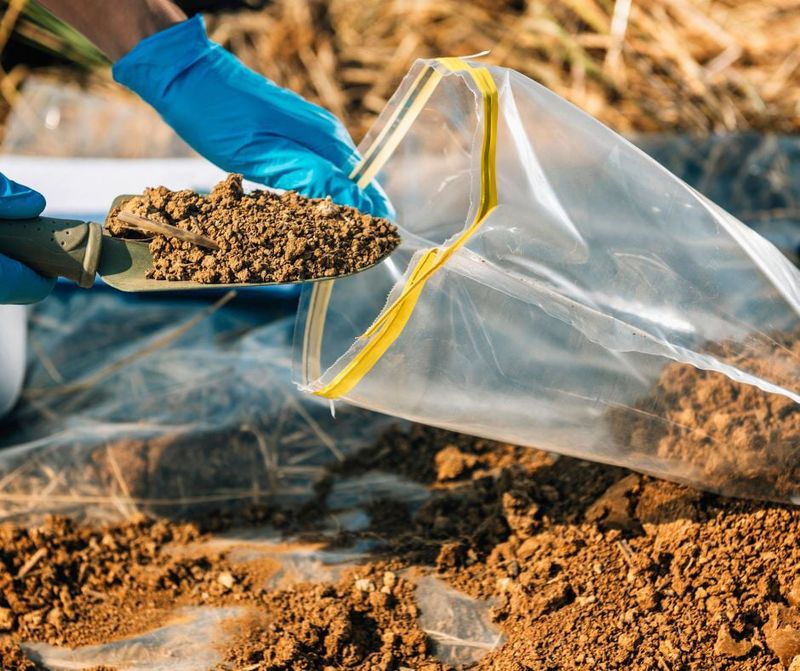
A soil test is the most useful thing you can do for the soil right now. It replaces guessing with numbers for nutrients and pH.
UF/IFAS explains in its guide to soil testing for plant-available nutrients what these tests measure and why they are used.
Collect one sample from an area you have managed the same way, such as a single bed. Texas readers can follow the Texas A&M urban soil sampling instructions, which call for 8 to 10 cores about 6 inches deep, mixed into one composite sample.
Florida gardeners have different steps. Use the UF/IFAS Landscape and Vegetable Garden soil test rather than a commercial crop test code, and read the UF/IFAS sampling guidance before you collect.
Do not borrow another state’s directions.
Let the test result guide the correction
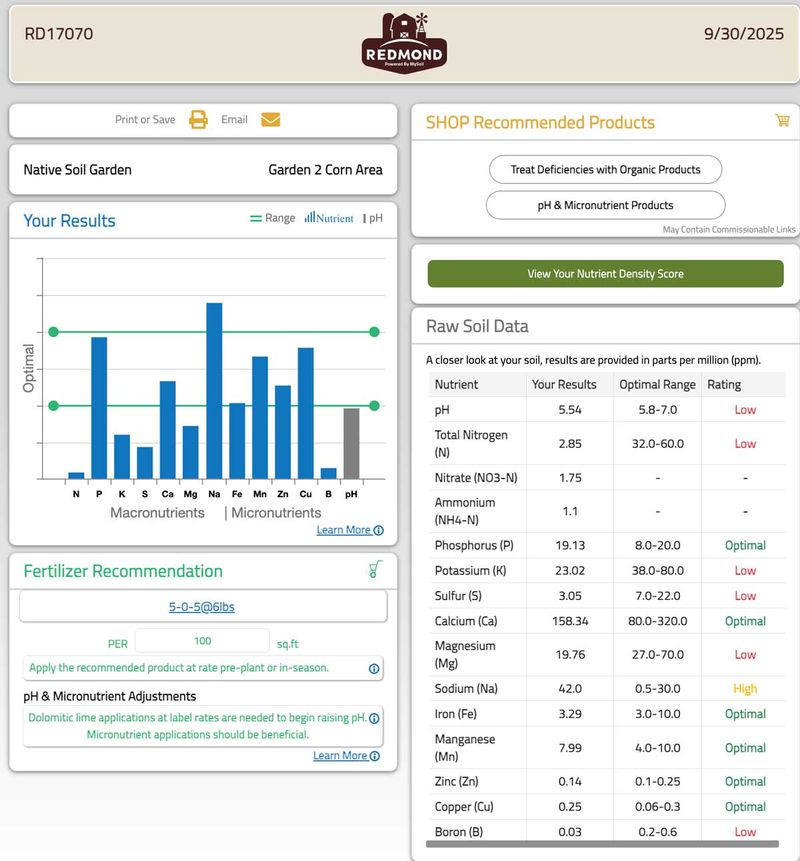
Once the report arrives, let it make the decisions. If it recommends a nutrient or a pH adjustment, apply that amount and follow the product label.
If it shows nothing is lacking, extra fertilizer will not help the lettuce and may cause harm.
Overdoing it has real costs. Texas A&M warns in its fall garden guide that too much ammonium sulfate can seriously damage plants.
This is why no single product or dose fits every garden, and why you should skip a blanket application of nitrogen or lime.
Remember what fertilizer cannot do. It will not cool a heat wave, drain a soggy bed, or cure a disease.
Lettuce also grows best in a limited pH range, which UGA lists as 6.0 to 6.5, so a pH fix should come from the test, not a hunch.
Compost supports soil, but it is not a targeted cure
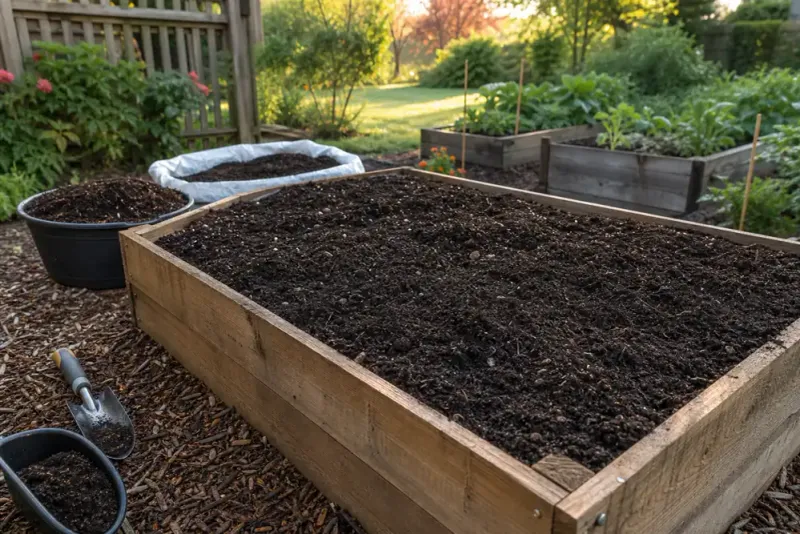
Compost feels like the safe answer, and it does help. Finished compost adds organic matter and some nutrients.
Still, Utah State University Extension points out that its nutrient content varies from batch to batch, so it may not deliver the right nutrients in the right amounts.
More is not better. Regular or heavy additions of compost or manure can build up phosphorus, potassium, or salts in a bed over time.
USU’s leafy greens fertility guidance shows why leafy crops are best managed with attention to what the soil already holds.
Think of compost as a long-term soil helper rather than a rescue for pale seedlings. A test tells you what the bed has, and that makes it a better guide than adding another shovelful.
Choose the next step that matches the cause
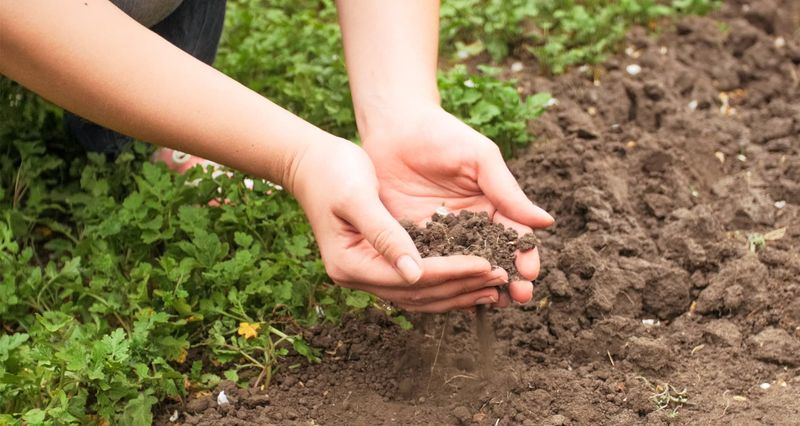
Work through it in order. Look closely at the plants and the conditions, including temperature, moisture, drainage, shade, pests, and the center leaves.
Then test the soil using the method for your state, and make only the correction the results support.
Texas gardeners can check local timing and troubleshooting in the Texas A&M fall guide. Florida gardeners can start with the UF/IFAS home garden soil test form.
Testing is the best immediate soil step, but it does not prove fertility caused the problem, and no single amendment is likely to restore every plant. Sometimes the answer is shade cloth or better drainage, not a bag of anything.
Pale lettuce is a clue, and the soil report helps you read it.