
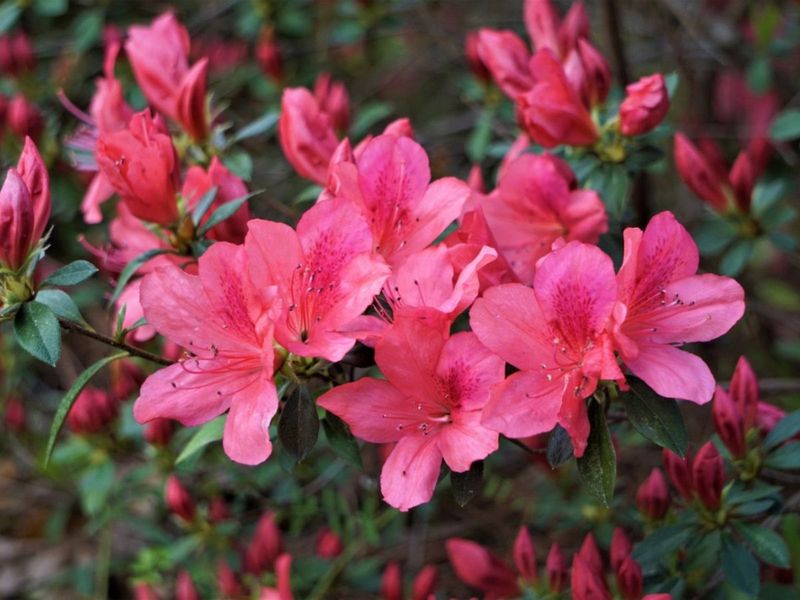
October can make a Florida yard look ready for a cleanup, but not every plant wants a haircut. Some flowers benefit from a light trim, while others are already preparing next season’s blooms.
The difference matters: one afternoon with pruners can either tidy your beds or leave them bare when you want color most. Here are seven plants to trim carefully now and five to leave alone.
1. Tropical Hibiscus
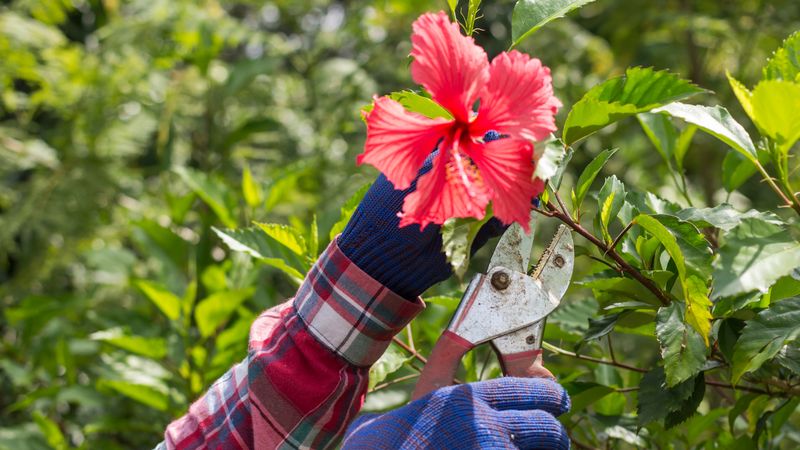
A tropical hibiscus can look wonderful in October, even if a long Florida summer has left a few branches tangled. Give it a light cleanup rather than the hard cut you might make in spring.
Remove dead or broken stems first, then shorten a few shoots that stick out of the plant’s natural shape.
Make each cut just above a leaf or side branch, and step back often to check your work. Keeping plenty of healthy leaves lets the shrub continue flowering through a warm fall.
It also avoids pushing a flush of tender new growth just as cooler weather approaches, especially in North Florida.
If your hibiscus sits close to a path or entry, focus on branches that catch people as they pass. Disinfect pruners between plants if you see signs of disease, and skip pruning a shrub that is already struggling with soggy soil or pests.
For major size control, wait until the risk of cold weather has passed. October’s job is to make the plant neater without asking it to start over.
2. Ixora
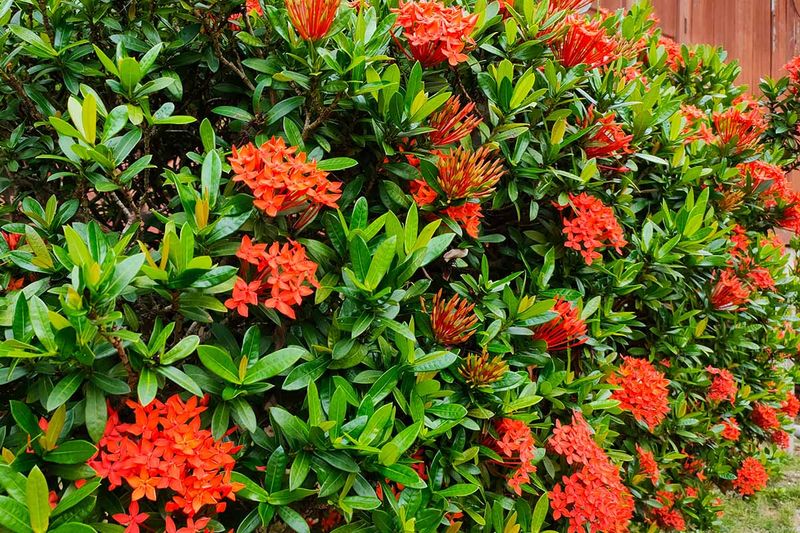
Those bright clusters of ixora flowers make a front walk feel welcoming. Unfortunately, a hedge trimmer can remove the very tips that carry the next round of color.
In October, use hand pruners to take out dead wood and clip only the longest shoots that spoil the shrub’s outline.
Follow a stray stem back to a side branch instead of cutting straight across the whole hedge. You will get a softer, more natural shape and leave more flower buds in place.
Keep cuts modest in North and Central Florida, where cooler nights are closer than they are in South Florida.
Ixora also grows best when its roots are doing well, so do not treat every yellow leaf as a pruning problem. Florida’s alkaline fill and irrigation water can contribute to nutrient issues, and soggy roots can cause trouble too.
Check drainage and ask your county UF/IFAS Extension office about soil testing if yellowing persists. A careful October trim improves curb appeal; shearing a stressed plant into a tight box usually just hides the real issue for a little while.
3. Pentas
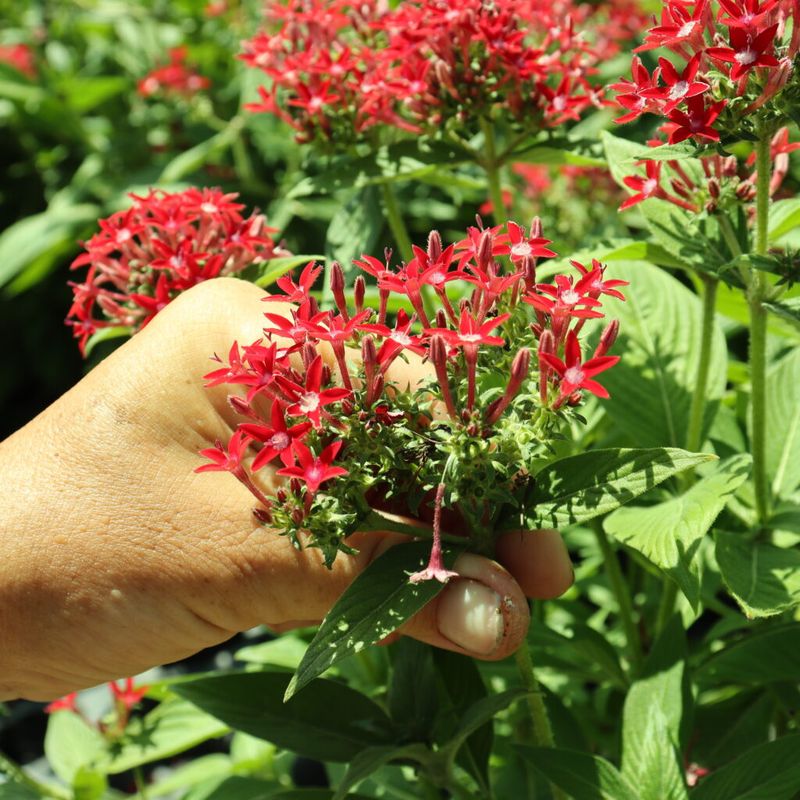
Butterflies often find pentas before you notice that a few flower clusters have faded. October is a good time to snip off those spent blooms and tidy stems that have flopped into a walkway.
The reward is a cleaner bed without removing all the nectar flowers that visiting pollinators still use.
Cut a faded cluster back to the next set of leaves or a healthy side shoot. If a stem is broken or badly stretched, shorten that stem alone instead of cutting the entire plant to the ground.
Pentas can keep blooming through Florida’s mild fall weather, especially in frost-free spots, so leave plenty of green growth and open flowers.
Pause before you grab the hedge shears. A uniform, severe cut may make the bed look orderly for a day, but it also removes food from butterflies and forces the plant to regrow.
In North Florida, where an early cold snap is possible, keep the October cleanup especially light. After trimming, water the soil if it is dry, not the leaves, and keep mulch a little clear of the stems to discourage rot.
4. Coleus
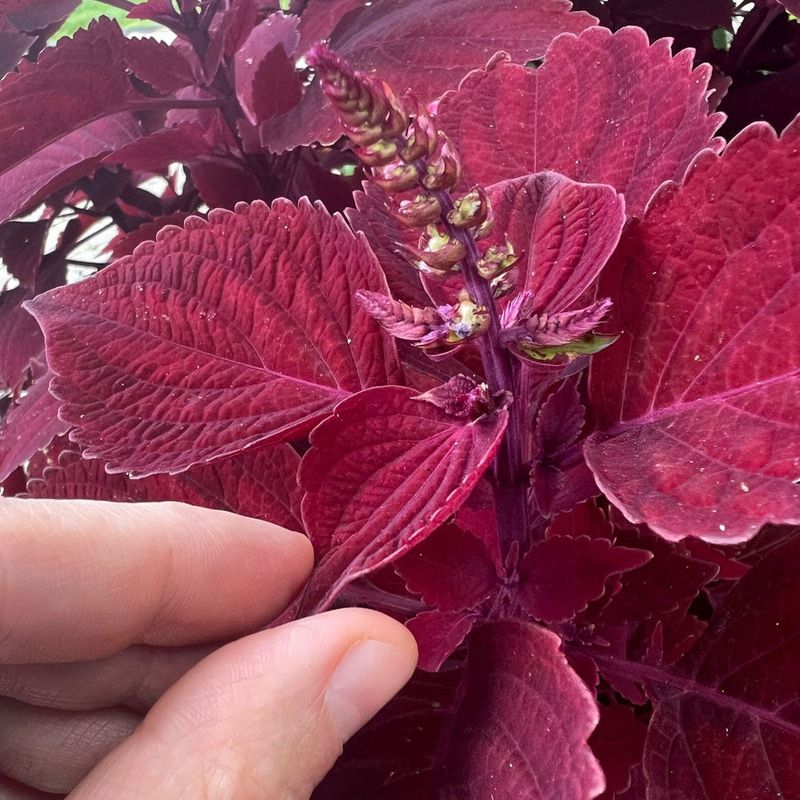
Coleus has a funny habit of putting its energy into skinny flower spikes when you bought it for those bold leaves. In a Florida porch pot or shaded bed, October pinching can bring the focus back to the foliage.
Remove flower spikes and nip the tips of lanky stems just above a pair of leaves.
That small cut encourages side shoots and helps the plant fill out without leaving a big hole. Work a little at a time, particularly if the plant has been stressed by heat, wind, or a missed watering.
Coleus is tender, so North Florida gardeners should avoid a major cut as cool nights approach.
Before tossing healthy clippings, you can try rooting a few short pieces in water or moist potting mix for replacement plants. Choose clean, nonflowering stems, strip off the lower leaves, and keep them in bright light out of harsh afternoon sun.
They are handy backups when a bed gets thin after winter weather. The main goal outdoors is simple: pinch the parts that are getting leggy and keep enough leafy growth for the plant to stay attractive now.
5. Scarlet Sage
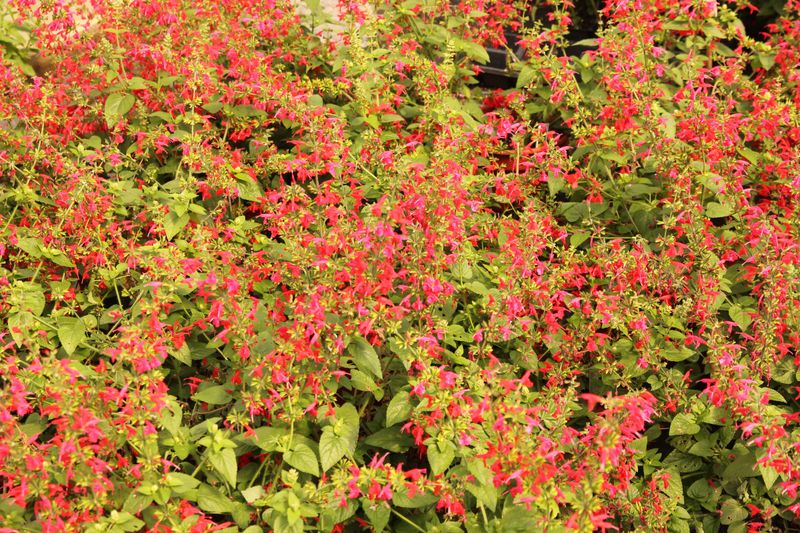
A hummingbird hovering around scarlet sage is a good reason to put down the hedge shears. This Florida native, also called Salvia coccinea, can flower for a long stretch, and a little selective deadheading keeps the display going.
Remove spent flower stalks while leaving fresh red blooms for hummingbirds and other visitors.
Look for the point where an old stalk meets healthy leaves or a side shoot, and cut there. You can also take out a stem that has snapped or fallen across a path.
Avoid leveling the entire patch: uneven heights give the planting a relaxed look, and some older flowers can form seeds that help the plant return.
Scarlet sage often grows well in the well-drained conditions common to Florida yards, although it still needs water while establishing. If you want seedlings, let a few stalks mature rather than deadheading every last one.
North Florida gardeners should be particularly cautious about heavy fall cuts, since fresh growth is more exposed when temperatures drop. A quick pass with hand pruners keeps the bed presentable while preserving much of its wildlife value.
6. Native Lantana

Some shrubs seem determined to claim the whole sidewalk. If your native wild lantana, Lantana involucrata, is reaching into a path, October is a reasonable time for a small correction.
Clip back the offending branch to a side shoot, and remove any dead or storm-damaged wood while you are there.
Leave most of the flowering plant alone. Its blooms support pollinators, and its fruit can be useful to birds.
A light touch also keeps the shrub’s loose, natural shape, which tends to suit a Florida wildlife garden better than a tight hedge.
Check the plant label before following advice meant for native wild lantana. The name lantana is used for several different plants, including Lantana camara, which can spread aggressively and is not a good substitute for a Florida native.
If you are unsure what is growing in your yard, your county UF/IFAS Extension office can help with identification. Once you know you have Lantana involucrata, treat October pruning as path maintenance, not a full reset.
You get a more usable walkway while keeping flowers available during the long Florida fall.
7. Plumbago
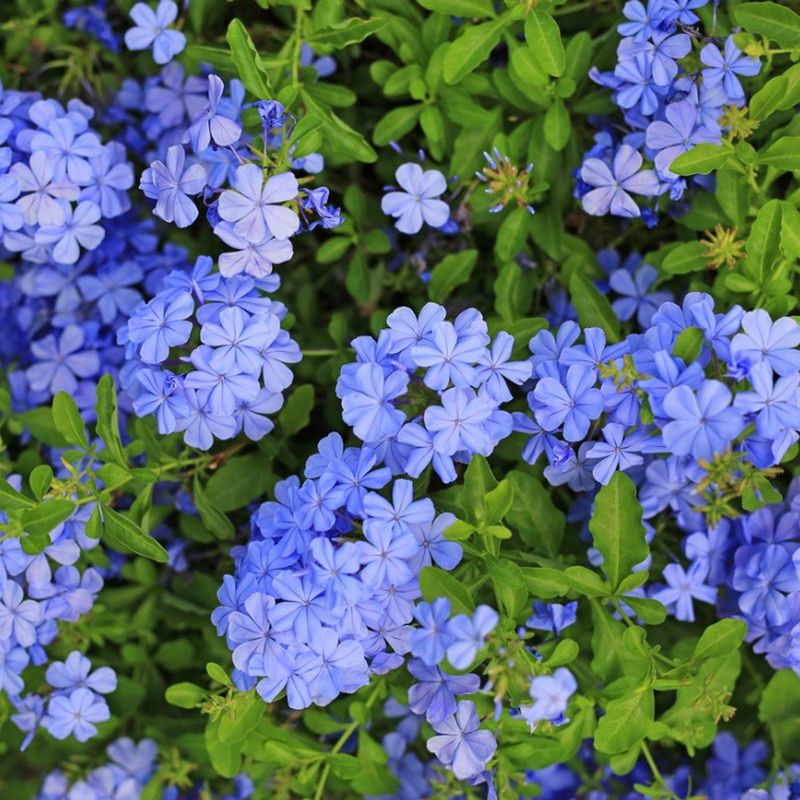
Blue plumbago can turn a driveway edge into a cloud of flowers, then send one long stem halfway across the pavement. Rather than shearing away the whole cloud, shorten the wandering stems in October.
Take each one back to a leaf or side branch inside the plant, and remove broken wood.
That selective approach keeps the blue blooms that make plumbago worth growing. It also solves the everyday problem: flowers should frame the driveway, not brush against the car door.
Wear gloves and use sharp pruners, since clean cuts are easier to make among the shrub’s many stems.
Florida location matters here. A plumbago in South Florida may continue growing and flowering well into the season, while one farther north faces a greater chance of cold damage.
In either case, avoid a hard October renovation that produces lots of soft new growth. If the shrub has become far too large for its space, plan a bigger size correction after winter rather than trying to solve it in one fall afternoon.
For now, keep the walkway clear and enjoy the flowers that remain.
8. Azalea
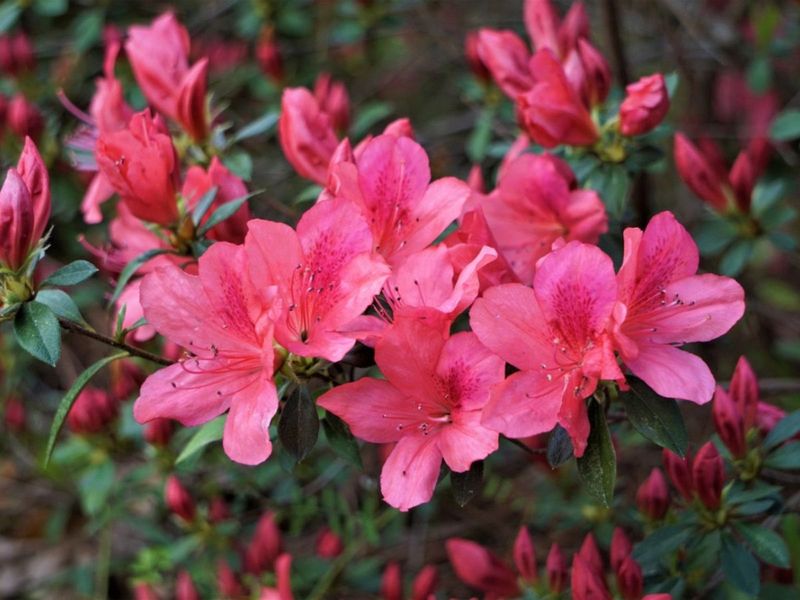
Azaleas can be sneaky in October. The shrub may look like it needs a quick shaping, but many spring-blooming azaleas have already formed next year’s flower buds.
Clip the leafy tips now, and you could cut off much of the spring display you have been waiting for.
Leave healthy branches alone, even if the shrub is a little uneven. You can still remove a dead, diseased, or broken branch when necessary; that is different from giving the entire plant a haircut.
If a branch is causing a safety problem near a walkway, make the smallest cut that solves it and accept that some flowers may be lost.
For most spring-flowering azaleas, the useful pruning window is soon after they finish blooming, before they set the next crop of buds. Flowering schedules vary by variety and Florida location, so observe your own plant rather than relying only on a calendar date.
Meanwhile, keep mulch off the trunk and watch watering in fast-draining sandy soil. October restraint costs nothing, saves time, and gives those hidden buds a chance to turn into the color your yard needs in spring.
9. Camellia
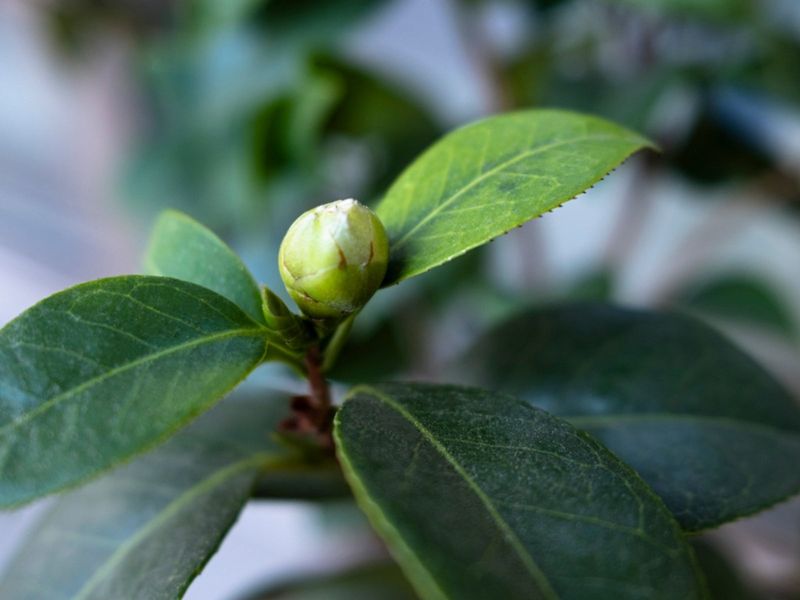
Take a close look at a camellia branch in fall and you may find round buds tucked among the glossy leaves. Those buds are the reason to keep your pruners in the shed.
Depending on the type and variety, camellias may flower from fall into spring, and October shaping can remove blossoms before they ever open.
Dead or damaged wood is fair to remove, but skip routine size reduction now. If the shrub is blocking a window, make a note of exactly which branches cause trouble and wait until after that plant finishes flowering.
Pruning then gives you a better view of its natural shape and a better chance of keeping the next bloom cycle intact.
Camellias appreciate some protection from harsh afternoon sun in much of Florida, along with soil that drains well and does not stay soggy after storms. Pruning will not fix poor drainage or scorched leaves.
If your plant looks unhappy, check those conditions before removing live branches. A healthy camellia may seem slow to reveal its payoff, but the flowers waiting inside October’s buds are worth the patience.
10. Gardenia
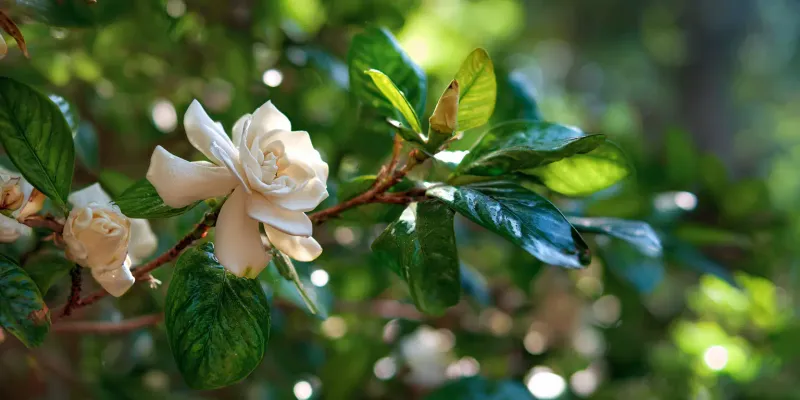
Gardenia is the shrub that makes you stop on the way to the mailbox when its scented flowers open. Some gardenias can form buds for a later bloom while the weather is still warm, so an October trim may cost you flowers.
A severe cut can also encourage tender growth at an awkward time of year.
For a spring-blooming gardenia, do any needed shaping soon after its main flowering period rather than waiting until fall. In October, limit your work to dead, broken, or clearly diseased branches.
Check stems before cutting: a healthy branch that looks out of place may still be carrying the next show.
If leaves are yellowing, resist the urge to prune until only green remains. Gardenias can react to problems with soil pH, nutrients, moisture, and drainage, all of which deserve a closer look in Florida landscapes.
Water consistently without keeping roots soggy, and consider a soil test before changing fertilizer. Leaving the canopy largely intact now protects potential blooms and gives you time to address the cause of any poor growth instead of simply trimming away the evidence.
11. Bigleaf Hydrangea

The dried flower heads on a bigleaf hydrangea can make an October cleanup tempting. Before you cut, remember that many traditional bigleaf hydrangeas bloom on old wood.
Their stems may already hold the buds for next year’s flowers, even when the plant looks quiet.
Leave healthy stems standing through fall and winter. Remove a branch only if it is clearly dead, broken, or diseased, and be careful about deciding that a leafless stem is dead without checking it.
Once the plant starts growing again, it becomes easier to see what survived and what needs to go.
Bigleaf hydrangeas need a suitable site in Florida, often with relief from strong afternoon sun and dependable moisture in well-drained soil. They are generally better suited to North Florida and some protected Central Florida gardens than to exposed, hot South Florida sites.
Pruning cannot make up for a difficult location. If yours needs shaping, first identify the variety, since reblooming types do not all behave exactly like traditional ones.
When in doubt, wait until just after flowering for routine trimming. That small delay can mean the difference between a leafy shrub and one covered in blooms.
12. Citrus Trees
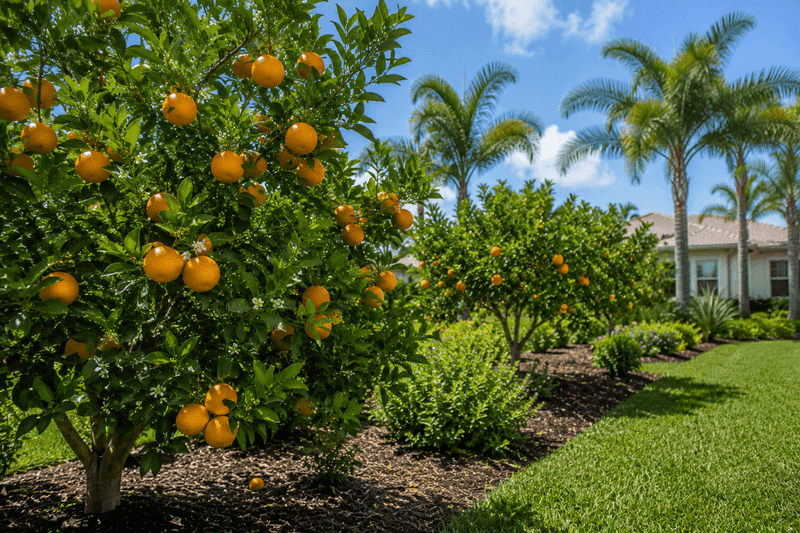
Green oranges or grapefruit hanging in an October tree are a clear reminder that citrus is busy, even when the yard feels ready for a fall cleanup. Heavy pruning now can remove fruit and healthy leaves the tree needs.
It may also spur tender shoots ahead of cooler weather in parts of Florida.
Leave routine shaping for a better time, typically after harvest and when the danger of a cold spell is lower. You can still remove a branch that has broken and poses a hazard.
Make clean cuts without leaving long stubs, and never top a citrus tree just to make harvesting easier.
Florida citrus needs extra attention because citrus greening and other problems can affect backyard trees. If leaves or fruit look unusual, identify the issue before assuming pruning will solve it; your county UF/IFAS Extension office can advise on local guidance.
Keep grass and mulch away from the trunk, and protect the tree from unnecessary wounds made by mowers or trimmers. An October inspection is useful.
An October makeover is usually not. By keeping the canopy intact, you protect the fruit already growing and avoid creating new growth that may struggle later.