
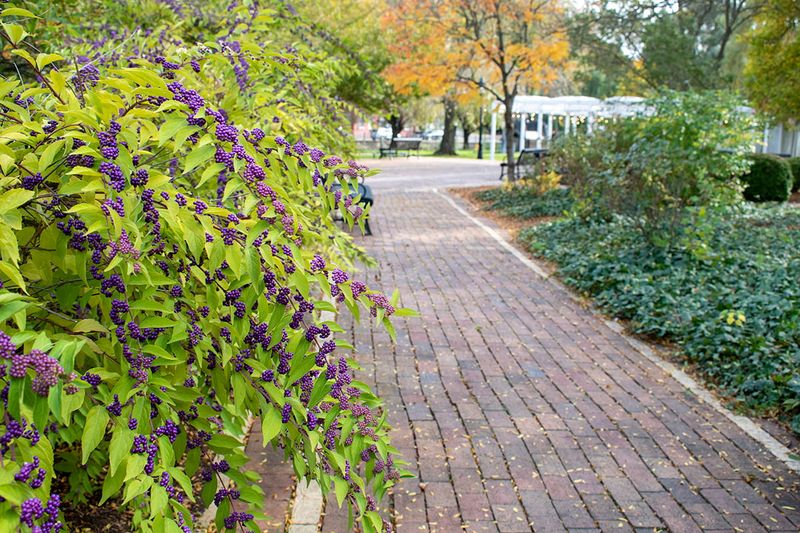
A few biting flies can chase everyone off a Florida patio before dinner even starts. Fragrant plants can make the patio edge more pleasant while giving you a reason to keep that space trimmed and tidy.
They are not a shield against insects, but these seven choices fit useful spots around a Florida patio. Pair them with a fan and fewer damp breeding spots for the best chance of a quieter evening.
1. Lemongrass
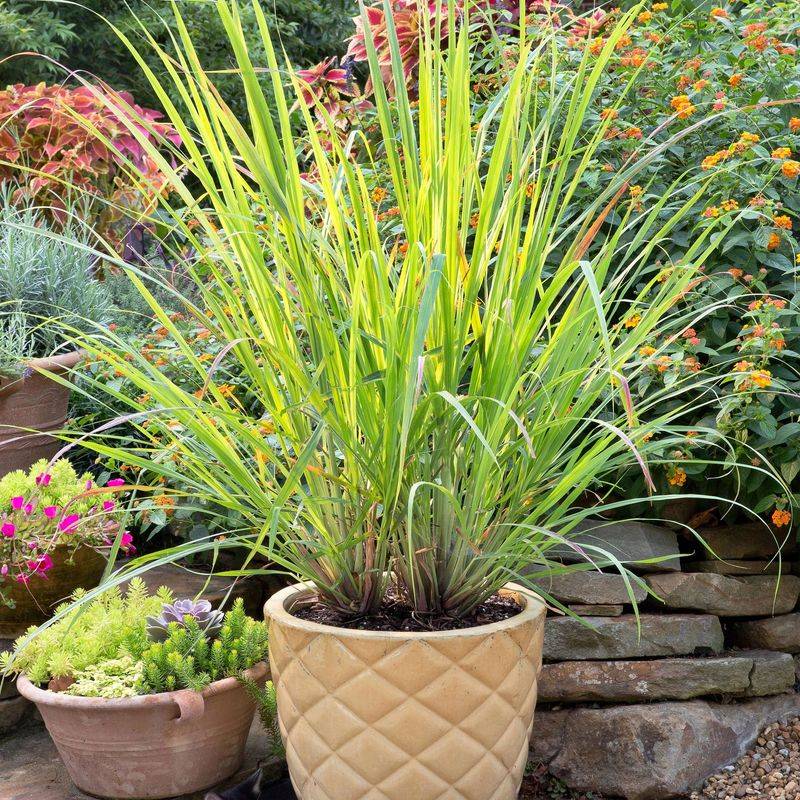
Brush past a clump of lemongrass and you get a fresh citrus scent right away. That makes it a natural choice beside the path to a patio, where its long leaves will be touched now and then.
Lemongrass also gives a plain concrete edge a soft, fountain-like shape without blocking the view across the yard.
Give it full sun and room to spread. In much of Florida, it grows vigorously during warm weather, so a large container is often easier to manage than a narrow bed.
Use a pot with drainage holes, water when the top of the soil starts to dry, and trim away brown leaves to keep the walkway clear. Containers also let you move the plant away from furniture or into shelter ahead of a storm.
The scent comes from the leaves, especially when they are rubbed or cut. A standing clump has not been shown to keep biting flies or gnats away from an entire patio.
Treat lemongrass as an attractive border plant, then use an outdoor fan near the chairs. Moving air is a more dependable way to make it harder for small flying insects to land.
2. Rosemary
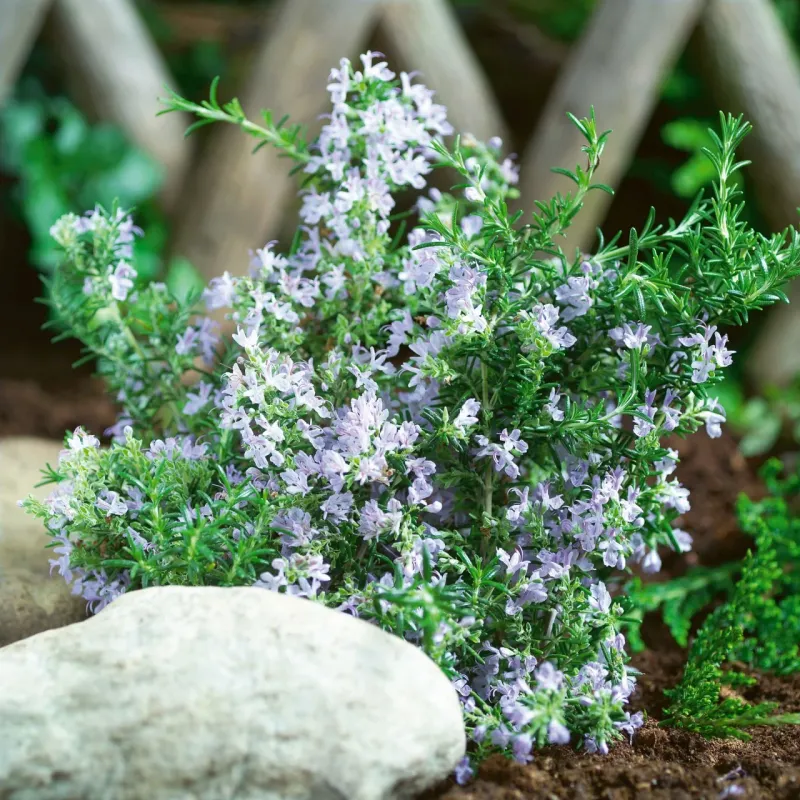
A rosemary border earns its space at dinner time: snip a sprig for the grill, then enjoy its pine-like scent as you sit outside. Unlike the tall sweep of lemongrass, rosemary offers a lower, more structured edge.
It works especially well beside a sunny patio where a loose plant would spill into the walking area.
Drainage is the deciding detail in Florida. Rosemary likes sun and soil that does not stay soggy, so try a raised bed or roomy pot with drainage holes rather than a low spot that floods after a downpour.
Sandy soil can suit it, but check that water does not collect under mulch or in a saucer. Leave space between plants for air movement, and clip stems lightly instead of cutting deep into old wood.
The fragrant oils in rosemary are often mentioned in insect-repellent discussions, but growing a row of shrubs is not the same as applying a tested repellent. You will still see biting insects, especially at dusk or near wet ground.
Keep fallen leaves and other damp debris from piling up behind the border so the neat planting does not create a sheltered, moist strip.
3. Basil
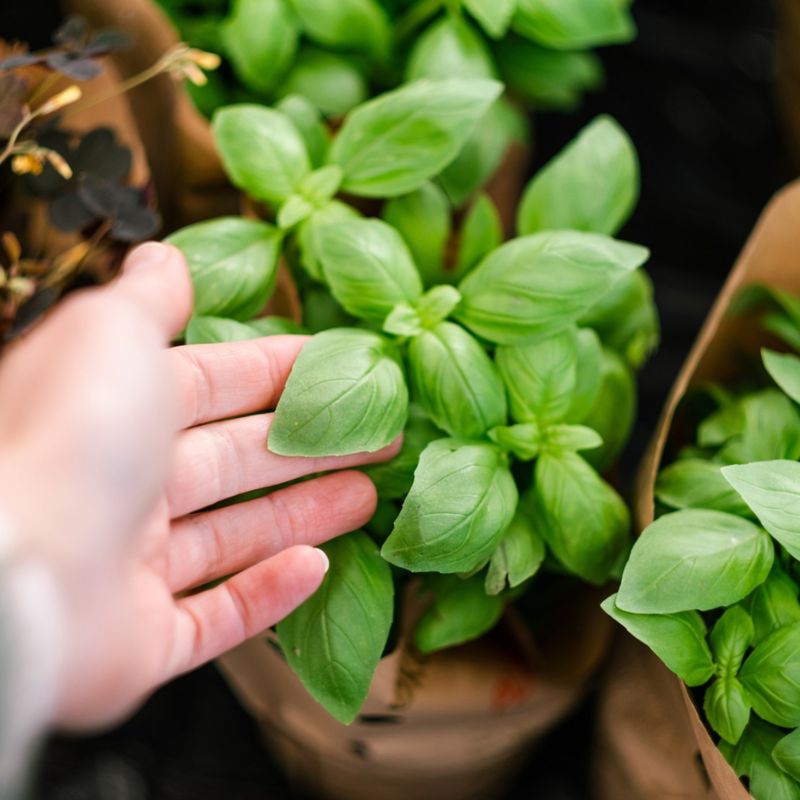
Place basil near the patio table and it becomes the plant everyone reaches for. A few leaves can go straight into a salad, and pinching the tips releases its familiar spicy scent.
Its compact size also makes it handy for filling short gaps between larger border plants.
Florida’s long warm season gives basil plenty of growing time, though it appreciates steady water and may struggle during the most intense afternoon heat. Set pots where they get good morning sun, and check the soil often in hot weather.
Pinch off growing tips to encourage branching, and remove flower spikes if you want a longer supply of tender leaves. Replace tired plants when they become woody or develop serious leaf problems.
Basil is a useful choice when you want a border you will actually tend. Frequent harvesting helps you notice a clogged drain hole, a puddle behind a pot, or a saucer holding water.
Its smell alone is unlikely to clear biting flies or gnats from the table, but keeping the area dry and adding a fan close to diners can make a real difference.
4. Mint
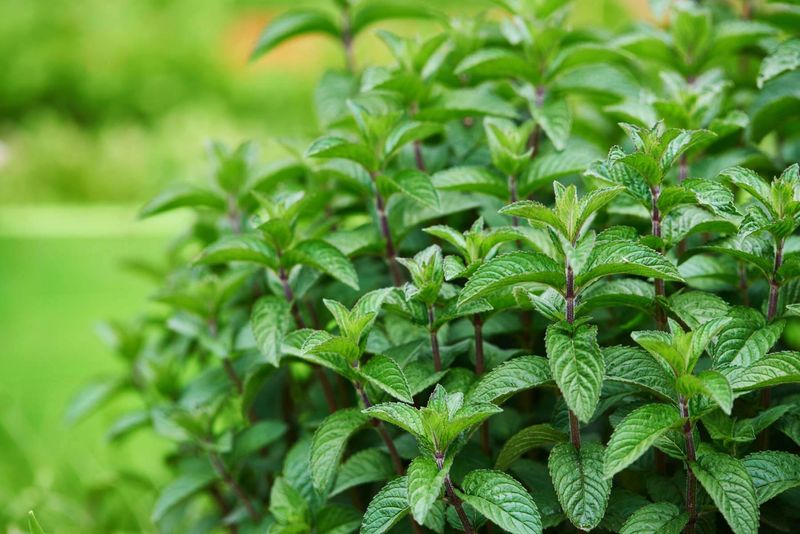
Got a patio corner that misses the strongest sun? Mint can bring scent and green color to that spot when sun-loving herbs look worn out.
Its leaves smell strongest when touched, so a pot beside a frequently used walkway makes more sense than one hidden at the back of a bed.
Keep mint in its own container. It spreads by underground stems and can take over a Florida planting bed when conditions suit it.
Give it bright light or partial shade, water enough to keep it from wilting badly, and cut it back when stems become long and thin. Spearmint is a familiar kitchen option, though other edible mints can work too.
Check the plant label before using any leaves in food.
Mint’s big advantage here is control: you can move, trim, or replace a pot without disturbing the whole patio edge. Do not let its water needs turn into standing water.
Empty saucers after rain, and avoid setting pots over a drain where wet leaves collect. Crushed mint smells lively to people, but an unbroken row of mint is not a proven barrier to biting midges, mosquitoes, or other flying pests.
5. Citronella Grass
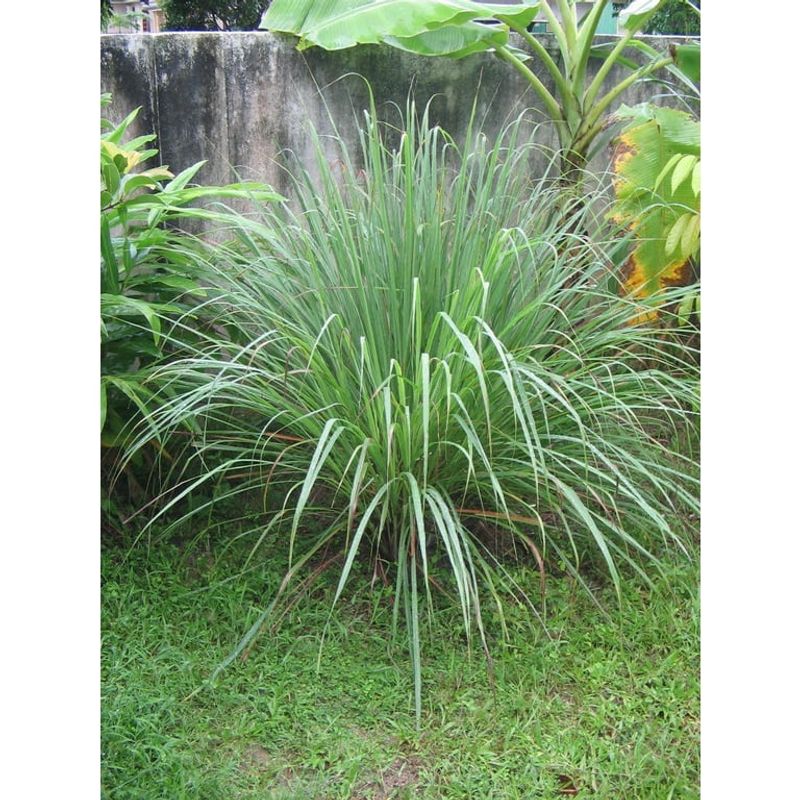
Citronella grass looks like it belongs beside a Florida patio: tall, arching leaves add a tropical feel without needing a flower display. Set a few large pots where you want a soft screen between the seating area and an open yard.
Keep them far enough from the chairs that leaves do not brush every guest.
Look for a plant labeled citronella grass, such as Cymbopogon nardus, rather than a scented geranium sold under a similar name. Give the grass sun, a draining container, and enough space for its mature clump.
Trim away damaged blades, and bring containers to a safe spot when strong winds are forecast. Tall pots can tip or become projectiles in a storm.
Here is the useful distinction: citronella oil is an ingredient in some formulated repellents, but the living grass does not release a reliable protective cloud around your patio. There is no need to crush leaves onto your skin, since plant material can irritate it.
Enjoy the grass for its shape and scent, and use a properly labeled repellent when biting insects are active. A fan near the seating area remains a smart addition.
6. Spotted Beebalm
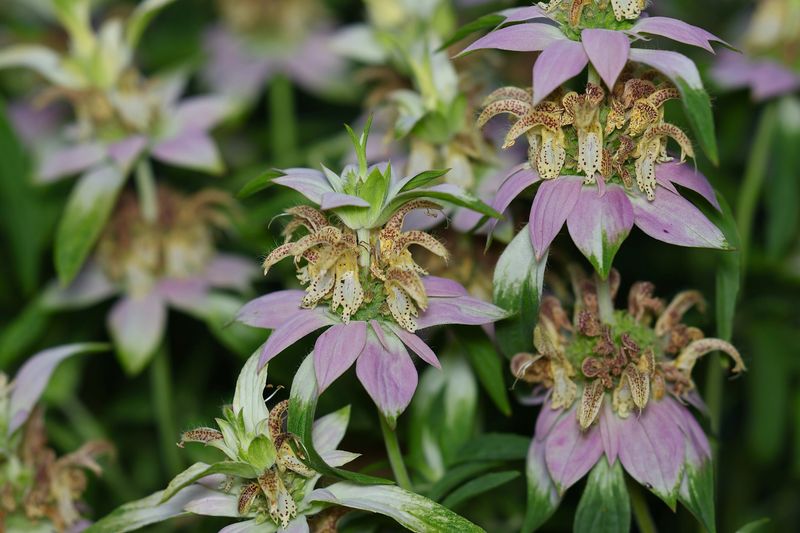
Florida’s sandy soil can be an asset for spotted beebalm. This native wildflower likes a sunny, well-drained spot and brings unusual tiers of pale flowers to a patio border.
Its leaves are aromatic, but the best reason to plant it is the lively, natural look it gives a dry edge without demanding a rich, damp bed.
Choose a place a few feet beyond the chairs rather than right against the table. Spotted beebalm attracts bees and other pollinators, which are welcome in the garden but deserve room to forage away from bare feet and drinks.
Water new plants while their roots settle in, then avoid overwatering. Leave some open space around the stems for airflow, and cut back spent growth if the border starts to look crowded.
Its herbal scent does not guarantee fewer biting flies or gnats. Still, a border that thrives without constantly wet soil fits a sensible patio plan: less unnecessary watering means fewer soggy pockets nearby.
If your insect problem is worst near a wet mulch bed or a leaking spigot, fix that source first. The flowers can stay, while the conditions drawing small flies get your attention.
7. American Beautyberry
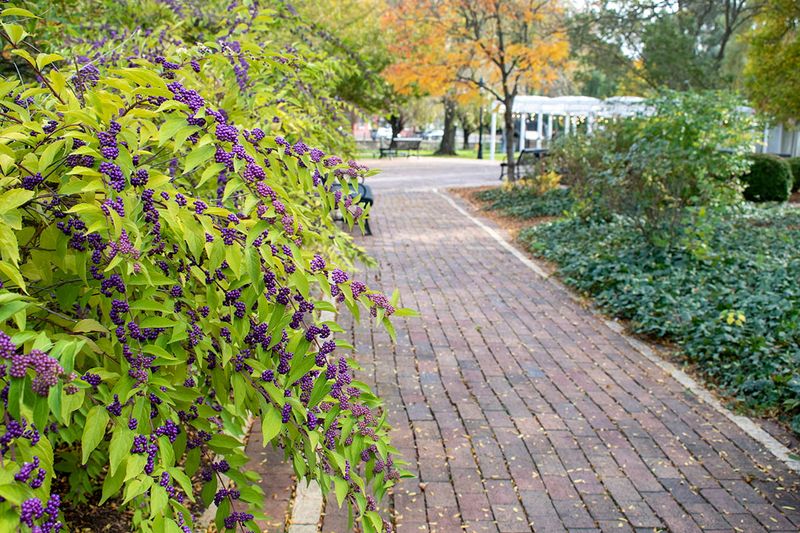
Purple berries make American beautyberry hard to overlook in a Florida yard. Put this native shrub at the outer edge of a patio planting, where its arching branches have room to spread and birds can visit without crowding the seats.
It offers a different job from the potted herbs: it can soften the view of a fence or mark where the patio ends and the garden begins.
Beautyberry generally does well in sun to partial shade. Give it space for its mature width, water it during establishment, and avoid packing pots or dense groundcovers beneath its branches.
A light prune can manage its size, but severe, repeated clipping can spoil its relaxed shape. Keep berries and fallen leaves swept from the paving so the seating area stays tidy.
Beautyberry leaves have a history of use as an insect deterrent, and researchers have studied compounds from the plant. That does not prove that a shrub beside a patio will stop biting insects from reaching people.
Grow it for Florida-friendly foliage, berries, and wildlife value, then handle the fly problem directly: clear standing water, check damp organic debris, run a fan, and use a labeled repellent when needed.