
The last ripe fig is gone, and your tree looks like it can rest until spring. Not quite.
What you do in the next few weeks shapes how strong the tree wakes up and how much fruit it sets next summer. Here are eight simple fall steps that Southern fig growers can start this weekend.
1. Clean Up Fallen Fruit and Leaves
Rotting figs on the ground are a party invitation for pests. Beetles, fruit flies, and fungal spores love that sticky mess, and many of them hang around to bother your tree next year.
Start by raking up every dropped fig, mummified fruit still clinging to branches, and the fallen leaves underneath. Fig rust is common across Florida and the Gulf Coast, and its spores can overwinter on old leaves.
Removing that debris may help reduce how early and how hard rust shows up next season.
Bag the leaves rather than tossing them in the compost if you saw rusty orange spots or blackened fruit this year. Home compost piles often do not get hot enough to kill disease spores.
Healthy leaves without spots can go into the pile or be shredded for mulch elsewhere in the yard.
While you are down there, look for squirrel or bird damage along the lower branches and for any sap oozing from the trunk. Catching small wounds now gives you time to watch them before spring growth hides everything.
A clean base also makes the next steps easier, since you can actually see the soil, roots, and trunk you are about to care for.
2. Hold Off on Heavy Pruning
Here is the mistake that costs gardeners the most figs: grabbing the loppers in October. It feels productive, but it can cut away next summer’s early crop.
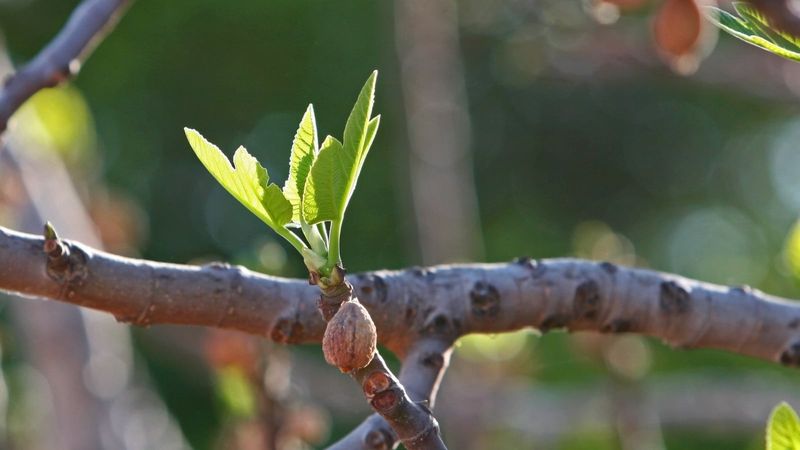
Many popular fig varieties, like Celeste and Brown Turkey, can produce a breba crop on last year’s wood. Those tiny buds near the branch tips are already forming.
Trim them off in fall and you lose that first flush of fruit before it ever has a chance.
Fall pruning also encourages tender new growth right before cooler nights arrive. In North Texas or north Florida, a sudden cold snap can damage those soft shoots.
The safer window for major shaping is late winter, after the worst cold has passed but before buds swell.
That said, a little light cleanup is fine now. Remove branches that are clearly dead, broken, or rubbing against each other, plus any suckers sprouting from the base that you do not want.
Make clean cuts just outside the branch collar. Think of fall as the time to tidy and observe, then save the real haircut for February, when you can see the full structure without leaves in the way.
3. Taper Watering as Days Cool
Picture a fig tree in late September in Houston. The heat is easing, but the soil can still dry fast, and your watering habits from July are probably too much now.
Figs have shallow, spreading roots that hate sitting in soggy ground. As temperatures drop and growth slows, the tree uses less water.
Overwatering in fall can lead to root rot, especially in heavy clay common across much of Texas and the Southeast.
A good rule is to check the soil about two inches down before watering. If it feels dry, give a deep, slow soak with a hose or soaker line.
If it is still damp, wait a few days. Deep and occasional beats shallow and frequent every time.
Do not stop completely, though. A dry fall followed by a freeze is hard on figs, because well-hydrated roots tend to handle cold better than parched ones.
In much of Florida, where fall can stay warm and dry, you may still need weekly watering through November.
Potted figs dry out faster than in-ground trees, so keep a closer eye on them. Lift the pot to feel its weight as a quick moisture check.
4. Skip the Nitrogen Fertilizer
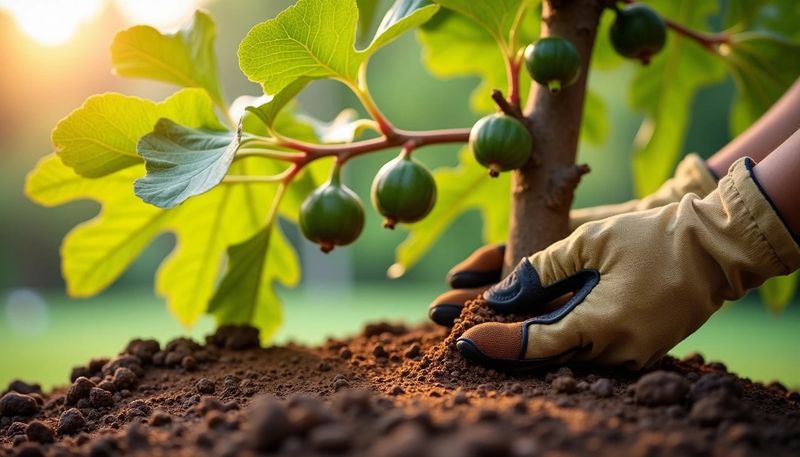
More food, more figs, right? Not in fall.
Feeding a fig tree high-nitrogen fertilizer now is like handing someone an energy drink at bedtime.
Nitrogen pushes leafy growth. In autumn, that fresh growth has little time to harden before winter, so it is more likely to get nipped by frost.
The tree also spends energy on new leaves instead of storing reserves in its roots and wood, which can mean weaker fruiting next season.
Figs are generally light feeders anyway. Many Southern growers find their trees fruit better with modest feeding, since too much nitrogen often produces lots of leaves and fewer figs.
If your tree struggled this year, consider a soil test through your county extension office in Texas or Florida. It costs little and tells you what is actually missing.
If the test shows a need, plan to feed in early spring as buds break. A balanced fertilizer applied lightly is usually plenty.
For now, your best soil boost is compost spread over the root zone, which feeds slowly and improves soil without forcing growth. Let the tree wind down naturally as it is designed to do.
5. Mulch the Root Zone Generously
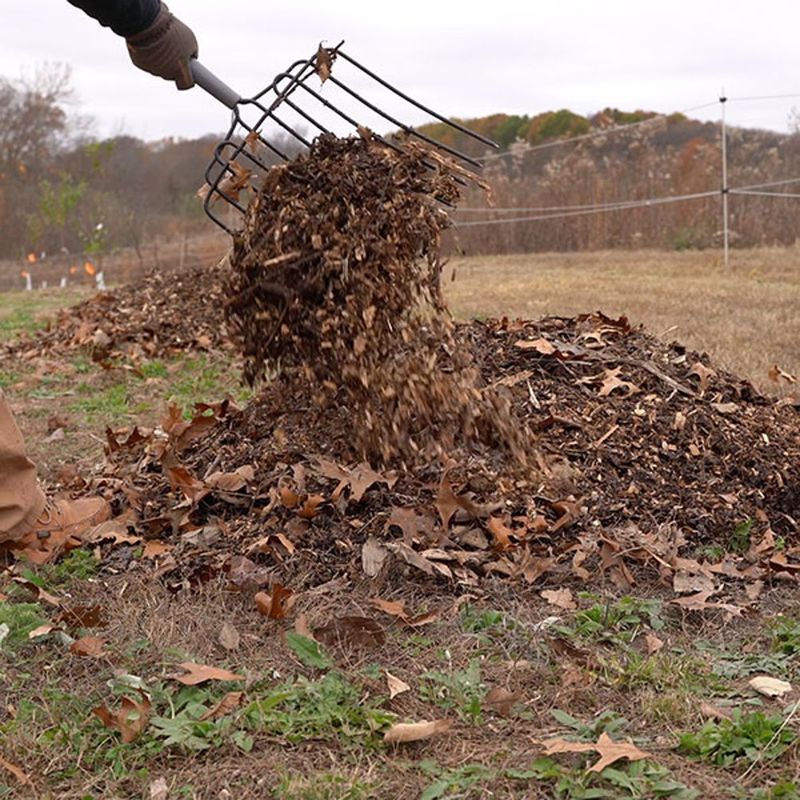
Ask any longtime fig grower in Louisiana or east Texas for their favorite trick, and mulch usually comes up fast. It is cheap, simple, and does a lot of quiet work.
A layer of three to four inches of pine straw, shredded leaves, or wood chips helps keep soil temperatures steady. That matters because fig roots sit close to the surface, where they can be hurt by sudden cold.
Mulch also holds moisture, cuts down weeds, and slowly breaks down into organic matter.
Spread it wide, ideally out to the edge of the canopy, since roots extend well beyond the trunk. Keep the mulch pulled back a few inches from the trunk itself.
Piling it against the bark can trap moisture and invite rot or gnawing rodents.
In colder pockets, like the Texas Panhandle or north Georgia, some gardeners add an extra layer before the first freeze. If a hard winter kills the top growth, protected roots can often resprout in spring.
Fun fact: figs are one of the oldest cultivated fruits, grown for thousands of years. Gardeners have been mulching them for nearly as long.
6. Check for Rust, Scale, and Borers
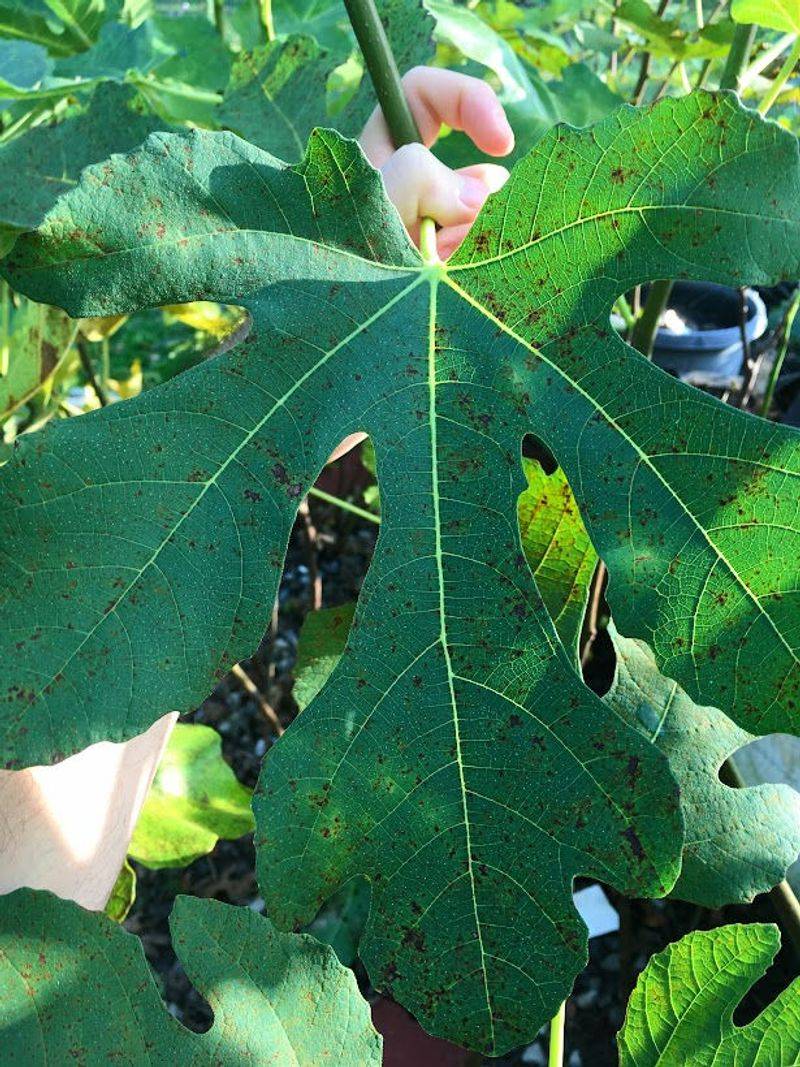
Did your fig drop its leaves early in late summer? That was likely fig rust, and it is one of the biggest reasons Southern trees come back weak.
Rust shows up as tiny orange or brown spots on leaf undersides. Heavy cases strip the tree early, which can cut into the energy it stores for next year.
Besides cleanup, many growers spray a copper fungicide when symptoms first appear in summer, which may help slow the spread.
Now is also a great time to inspect bark. Run your fingers along branches looking for small bumps that scrape off easily.
Those are often scale insects. A dormant horticultural oil applied in late winter can help smother them.
Look at the lower trunk too. Small holes with sawdust-like material, called frass, can signal borers.
Those are tougher to treat, so prune out badly damaged wood and keep the tree well watered to reduce stress, since stressed trees tend to attract more borers.
Root-knot nematodes are another quiet threat in sandy Florida soils. If growth has been stunted for years, your extension office can help test.
Write notes now so you have a game plan come spring.
7. Prepare a Freeze Protection Plan
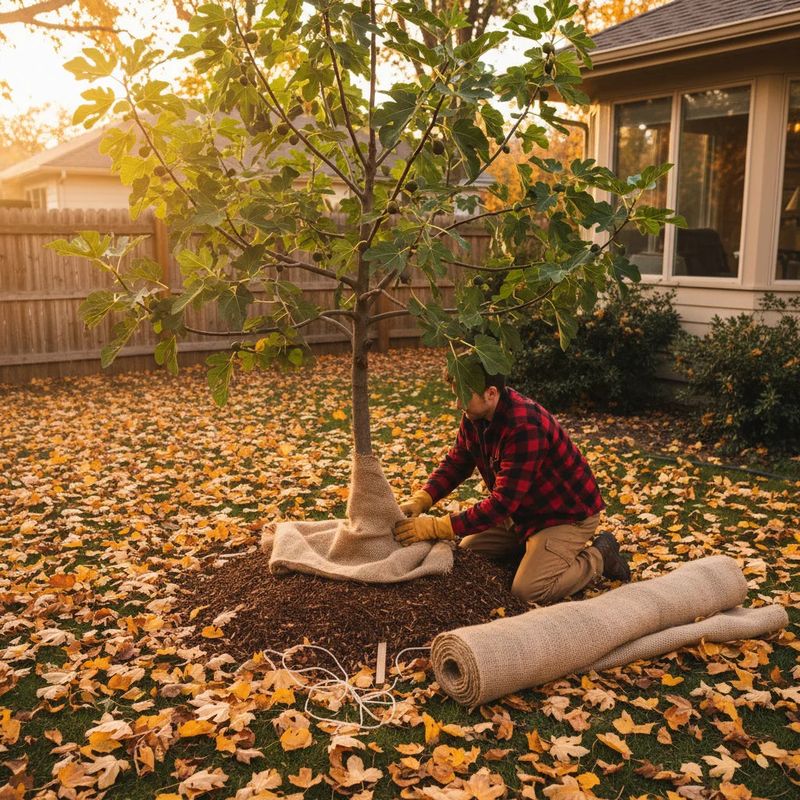
Remember the February 2021 freeze in Texas? Plenty of fig trees died back to the ground, and gardeners who had a plan ready lost far less.
Most established figs handle temperatures into the upper teens, but young trees and certain varieties are more tender. Sudden drops after mild weather are the real danger, because the tree has not hardened off.
Gather supplies before you need them. Frost cloth, old blankets, stakes, and clips should be stored somewhere easy to grab.
For small trees, a frame of stakes draped with fabric that reaches the ground traps warmth rising from the soil. Old-fashioned incandescent string lights tucked inside can add a few degrees.
Avoid plastic touching leaves or bark, since it can transfer cold. Remove covers once temperatures climb again so the tree does not overheat in sun.
Potted figs are the easiest to protect. Roll them into a garage or shed during hard freezes, then back out after.
Gardeners in south Florida can mostly relax here. For everyone in north Florida, Texas, and the inland South, a little preparation in November can be the difference between a full crop and starting over.
8. Take Cuttings to Grow More Trees
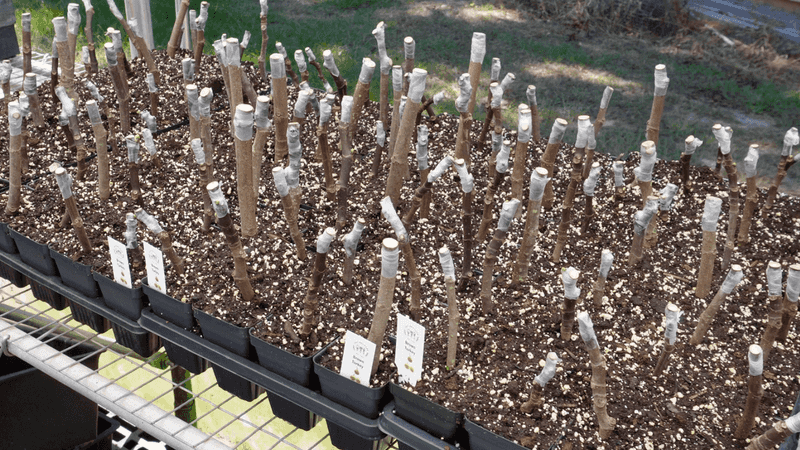
Want a backup tree for free? Fall and winter are a perfect time to root fig cuttings, and it is surprisingly easy.
Once the leaves drop, choose healthy branches about the thickness of a pencil from last year’s growth. Cut sections six to ten inches long, each with several buds.
Make a flat cut at the bottom and an angled cut at the top so you remember which end goes down.
Stick them into pots of moist, well-draining potting mix with only the top bud or two showing. Keep them somewhere bright and protected from freezing, like a porch or garage window.
Water lightly, just enough to keep the mix slightly damp. Roots often form within a few weeks to a couple of months.
Why bother? A spare tree is insurance against a killing freeze or disease.
You can also share a variety you love with neighbors, which is how figs have traveled across Southern towns for generations. Celeste, for example, has been passed hand to hand in Louisiana backyards for decades.
By spring, you may have several small trees ready for pots or new garden spots. That means even more figs a few summers from now.