
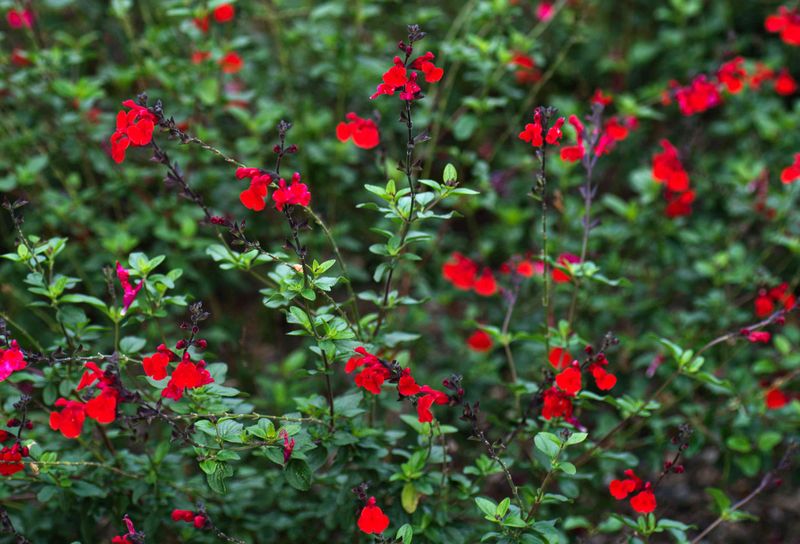
Autumn sage is still putting on a show in many Central Texas yards right when the pruning urge hits. Should you grab the pruners now or leave it alone?
The answer depends on whether your plant is still blooming and what kind of cut you have in mind. Here is a calm, low-risk plan that keeps your Salvia greggii tidy and healthy.
Autumn sage can still be flowering when fall pruning comes up
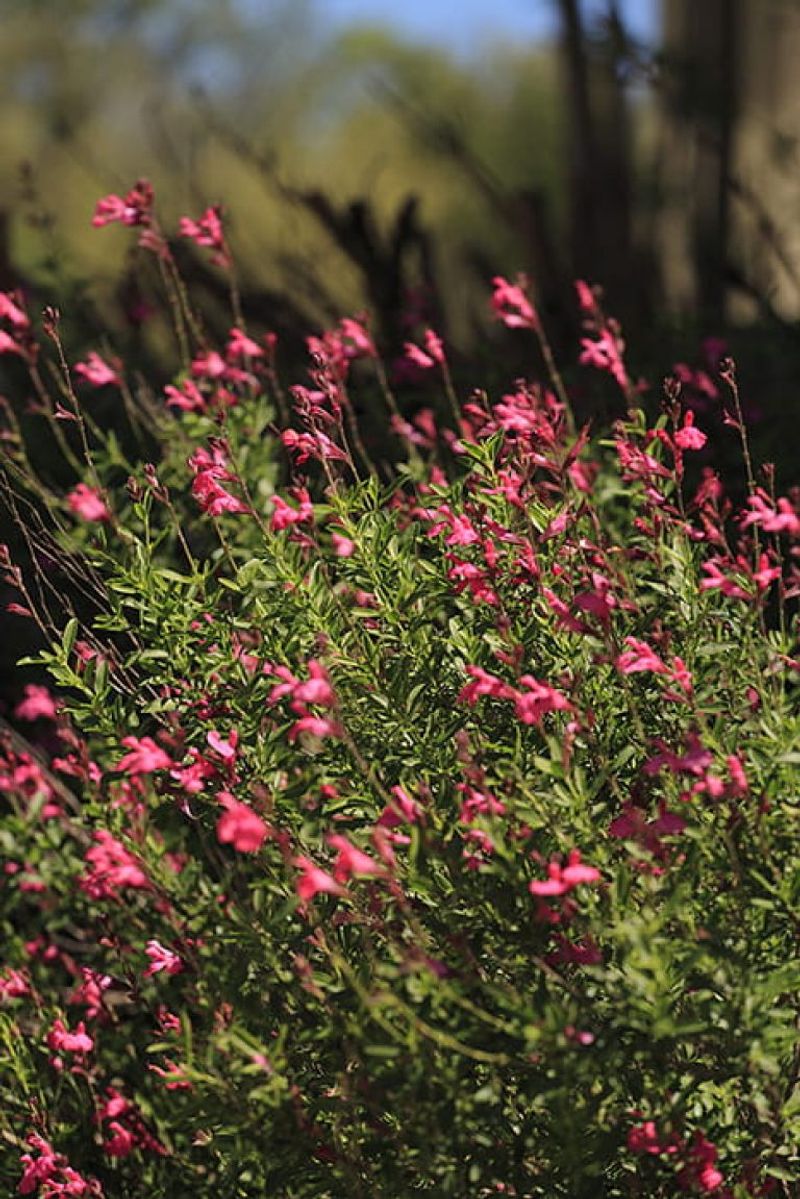
Autumn sage, Salvia greggii, is a woody perennial or subshrub that many Texans grow for its tough nature and bright flowers. Texas Tech’s plant resource page lists its bloom season as spring through fall and describes it as drought and heat tolerant.
That long season is why October can be a confusing time to prune.
Walk out to the plant before you decide anything. If you see buds and open flowers, it is still working, and hummingbirds and butterflies are probably visiting.
Cutting flowering stems just to match a calendar removes the very show you planted it for.
A quick note on names. Autumn sage is not the same as Texas sage, the gray-leafed shrub Leucophyllum frutescens.
The two have different habits, so pruning advice for one does not carry over to the other. Check your plant tag or leaf shape if you are unsure.
This guide separates two jobs. The first is optional, limited fall maintenance, which the City of Austin plant guide describes for mature plants after bloom.
The second is the main shaping prune, which Central Texas guidance places in winter after a freeze. Keeping those two apart makes the whole decision simpler.
Does your plant need a fall cut at all?
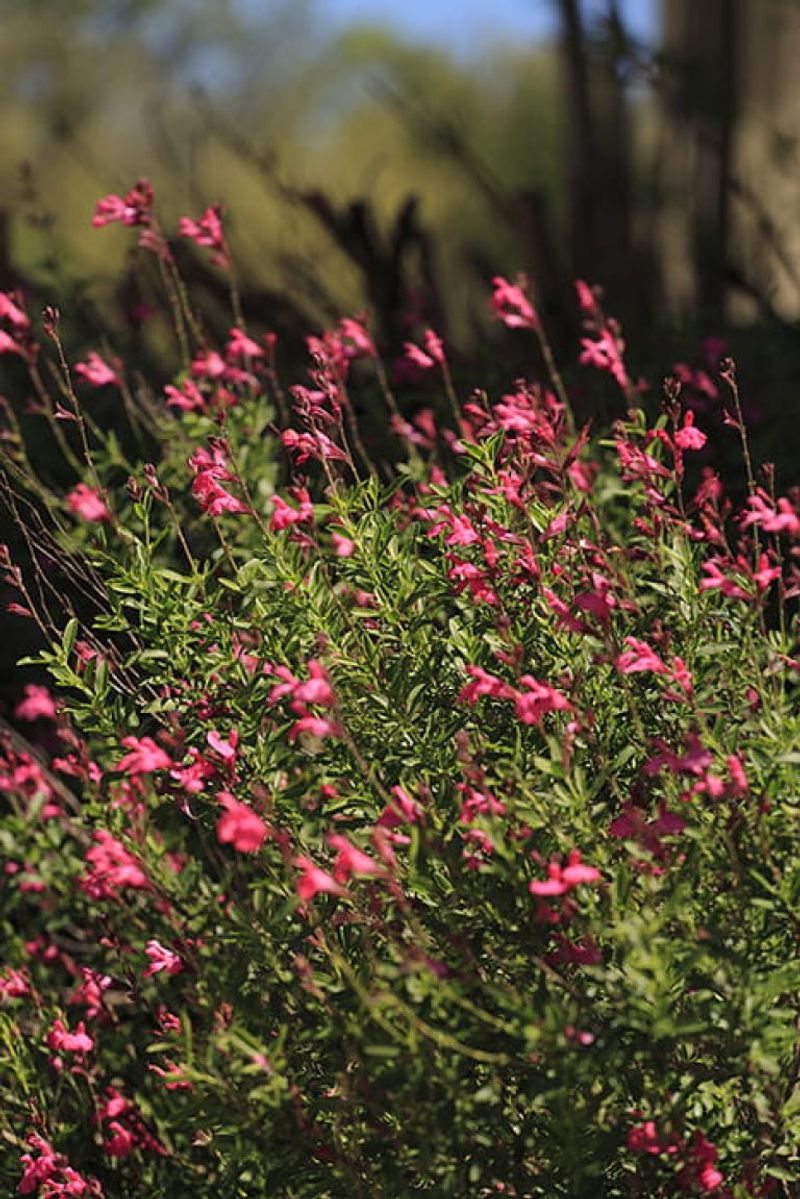
Plenty of autumn sage plants need no fall cut whatsoever. If yours is still covered in flowers, leave those stems in place and enjoy them.
Bloom can run well into the fall, and timing shifts from yard to yard and year to year.
A cut makes sense when the flowers have finished and the plant looks leggy, floppy, or crowded. For mature plants, Austin’s plant guide lists a reduction of one-third to one-half after spring or fall bloom as an option when rejuvenation is needed.
It is a choice for plants that need help, not a rule for every plant.
Here is a simple check. Look for faded flower spikes, bare lower stems, and branches flopping over a walkway.
If you see those and almost no buds, a modest trim is reasonable. If you see fresh buds, wait.
Be realistic about the payoff, too. This is a local gardening recommendation, and it does not prove that a fall cut will give you more flowers next spring.
What it can do is tidy the shape and encourage fresh growth, which matters because Texas Tech notes the plant responds well to shearing.
When in doubt, trim less. You can always cut more in winter.
Why the main shaping prune belongs after a winter freeze
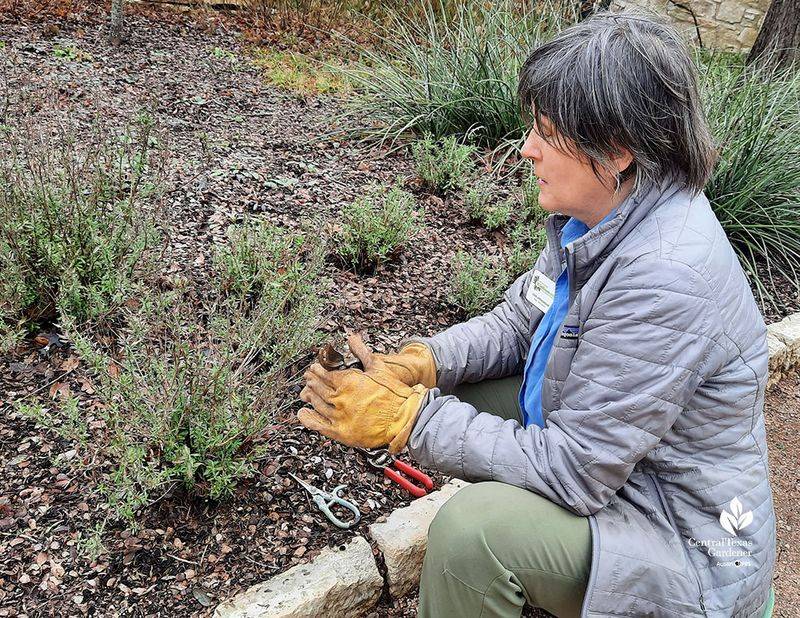
For the big shaping job, Central Texas guidance points to winter. A Lady Bird Johnson Wildflower Center horticulturist featured in an Austin PBS Central Texas Gardener segment says to wait until winter, after a freeze, and she does her own pruning in January.
October is not treated as a universal cutback window.
There is a practical reason to wait. Autumn sage blooms on new growth, so a winter prune clears the way for fresh stems to form as the weather warms.
She notes the plant can start flowering as early as February in Central Texas.
Another Central Texas Gardener article, Winter Pruning: When and How, says a hard winter cut can show a visible difference within weeks. That points to a possible spring flush, not a promise of one.
Weather, water, cultivar, and the plant’s condition all play a part, so nobody can name a bloom date or a flower count. Think of the winter prune as setting up good conditions for new growth.
Not every plant needs a hard cut, either. A light shaping may be plenty for a tidy specimen.
Shape the plant without stripping away all its old growth
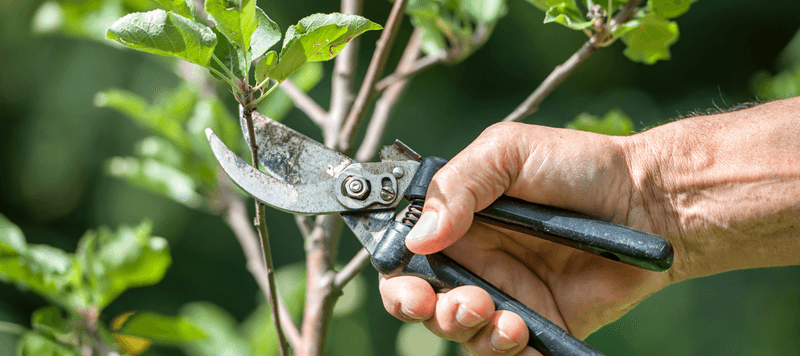
Good technique matters more than speed. Start with sharp, clean hand pruners so each cut is smooth rather than crushed.
Older wood can be brittle, and dull blades make it splinter.
Look for healthy green growth and make your cut just above a node, the spot where leaves or buds attach to the stem. Those nodes are where new shoots tend to start.
Cutting far from green growth leaves bare stubs that may be slow to leaf out.
The horticulturist in the Central Texas Gardener video shapes the plant instead of stripping it. She removes some of the oldest stems selectively and advises against taking out all the old growth.
A handy way to work is to step back often. Take out a few of the oldest, woodiest stems first, then trim the rest to even out the outline.
Leave a framework of older branches in place so the plant keeps its structure.
Avoid the temptation to scalp every plant to the same height. Each autumn sage has its own shape, and your cuts should follow it.
Choose a cut height that fits the plant
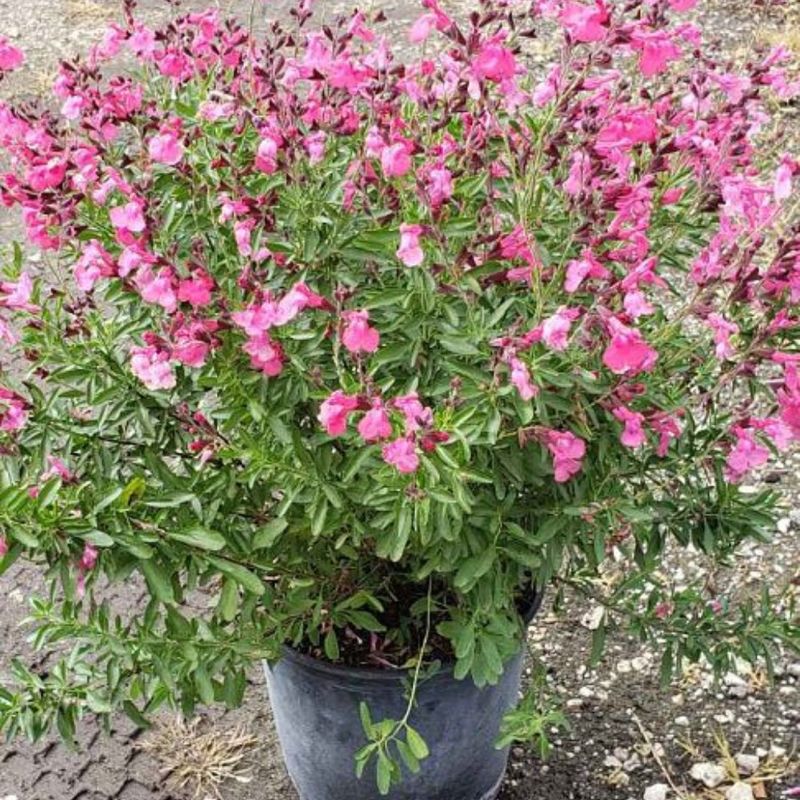
You will see two published measures, and they are not the same instruction. Central Texas Gardener gives one winter example of cutting back to roughly 8 to 12 inches, removing dead growth and pencil-thick branches.
Treat that as a local example, not a height for every plant or cultivar.
The other measure comes from Austin. Its plant guide suggests reducing mature plants by one-third to one-half after bloom, but only when they need rejuvenation.
One is a winter pruning example, the other is an as-needed percentage after flowering.
So how do you choose? Start by sizing up your plant.
A compact young shrub may need only a light trim, while a sprawling one with bare lower stems may handle a deeper cut.
Check for healthy green growth and decide what shape you want. Leave your cut above that growth rather than aiming for a number on a ruler.
If you are nervous, cut less now and finish the job after a freeze.
A plant that is a different size from your neighbor’s deserves a different cut.
Avoid pruning that adds stress instead of helping
Light tipping during the growing season is a different job from the winter prune. The horticulturist in the Central Texas Gardener video describes tipping back less than one-third, down to green growth, after a major bloom.
She says you can do it again in summer only when conditions are suitable.
Drought changes the answer. In a drought year she advises against pruning, because late-summer cuts can stress the plant.
If the ground is baked and rain has been scarce, skip it.
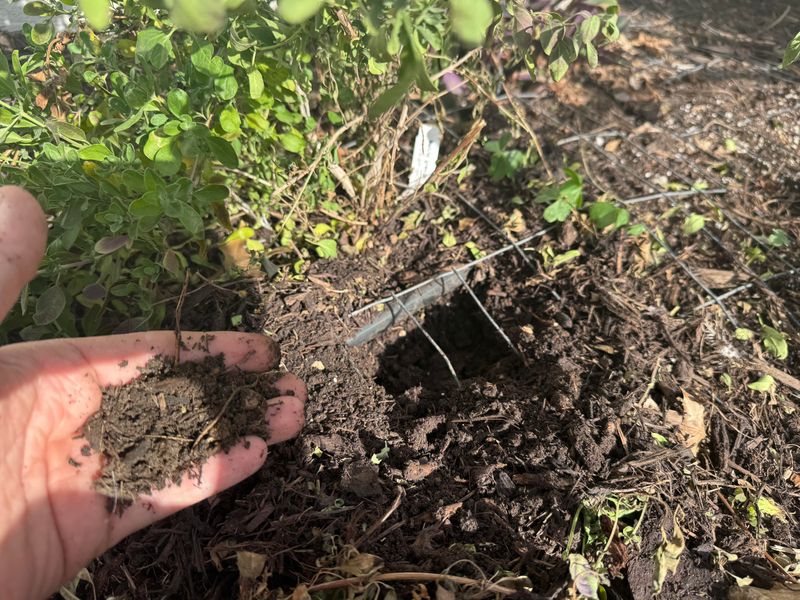
Moisture matters on the other end, too. Autumn sage can be susceptible to rot when conditions stay too wet, so check that mulch is not piled high around its base.
Pull it back so the crown stays dry.
You may come across San Antonio’s plant guide, which describes an August trim to prepare for fall bloom. That advice is aimed at fall flowers, so it does not carry over to an October cut and next spring.
When in doubt, ask whether the cut helps the plant now or just fills a calendar slot.
Expect fresh growth, not a guaranteed flower count
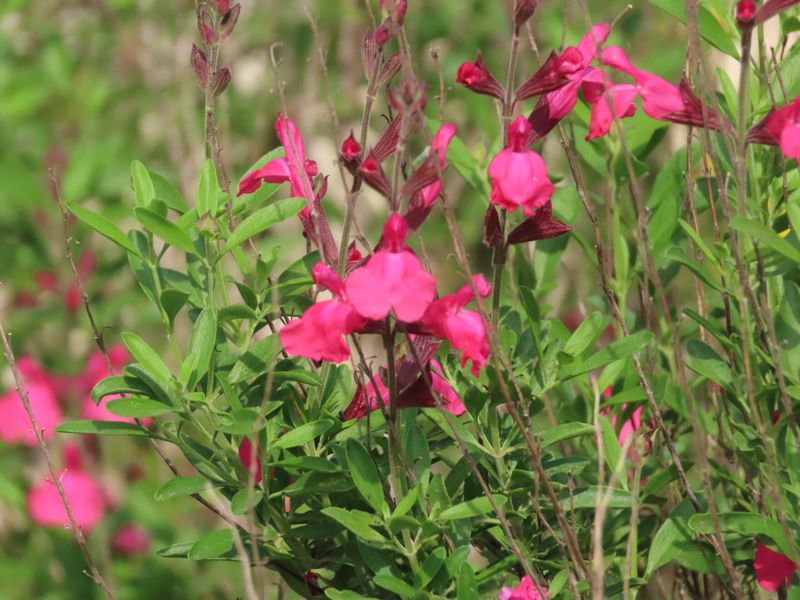
Keep it simple. Use fall only for needed post-bloom maintenance, and save the main shaping prune for winter after a freeze.
Then judge your success by healthy new growth rather than a promised number of spring flowers.
Bloom timing varies. Texas Tech lists spring, summer, and fall flowering, and the horticulturist in the Central Texas Gardener video says it can start as early as February.
None of the guidance shows that a fall cut guarantees a harder spring bloom.
Your best move is a patient one. Autumn sage is tough, and a plant left alone in October is rarely in trouble.