
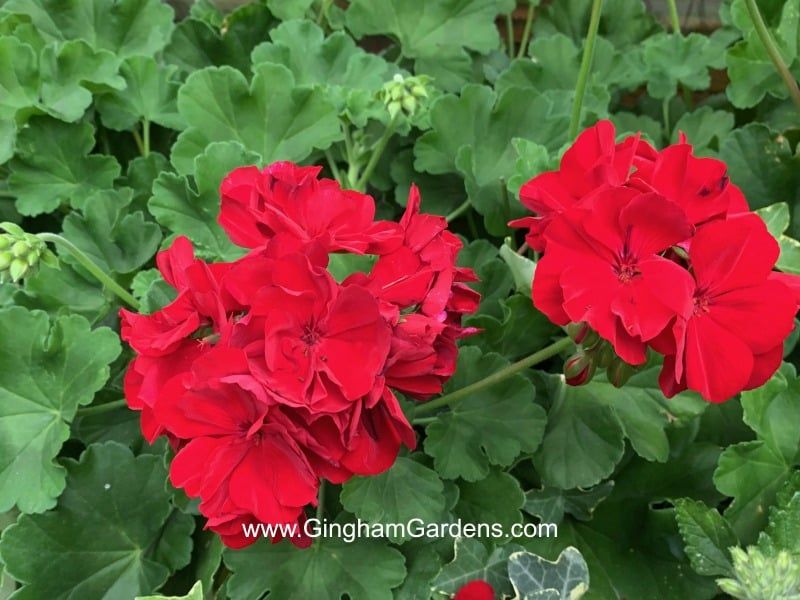
Every fall, lots of gardeners pull out their geraniums and toss them in the trash. That plant you spent all summer babying can actually live for years if you give it a little help through the cold months.
Saving geraniums cuts your spring shopping bill and gives you bigger, fuller plants sooner. Here are eight practical ways to keep yours alive until it is warm enough to bloom again.
1. Check Your Zone Before You Do Anything
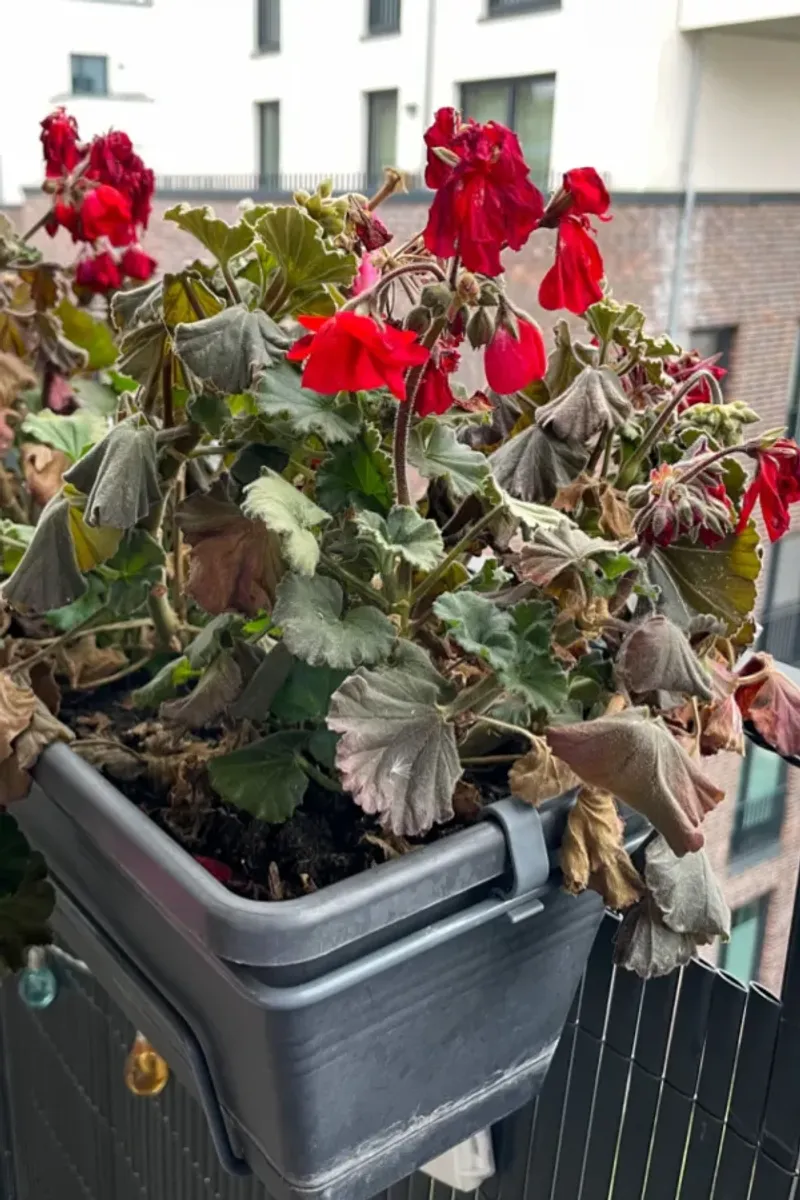
Here in much of Florida and the Gulf Coast, your geraniums may not need rescuing at all. Gardeners in zones 9 through 11 often leave them right where they are, with just a little cover on the rare frosty night.
Things change as you move north and inland. In North Texas, the Hill Country, or upstate Georgia, a hard freeze can turn soft geranium stems to mush overnight.
Most common garden geraniums start struggling once temperatures dip near 32 degrees, and a single deep freeze can wipe them out.
So before you pick a method, look up your USDA hardiness zone and your average first frost date. Your local extension office or a quick online search will give you both in seconds.
Then watch the ten-day forecast as fall settles in.
A simple rule works well for most Southern yards. If lows stay above 40 degrees, leave plants outside and enjoy the cooler-weather blooms, which are often better than summer flowers in hot climates.
If a freeze is coming, act a day or two early. Knowing your timing keeps you from hauling pots inside too soon or waiting one night too long.
2. Bring Potted Plants Indoors as Houseplants
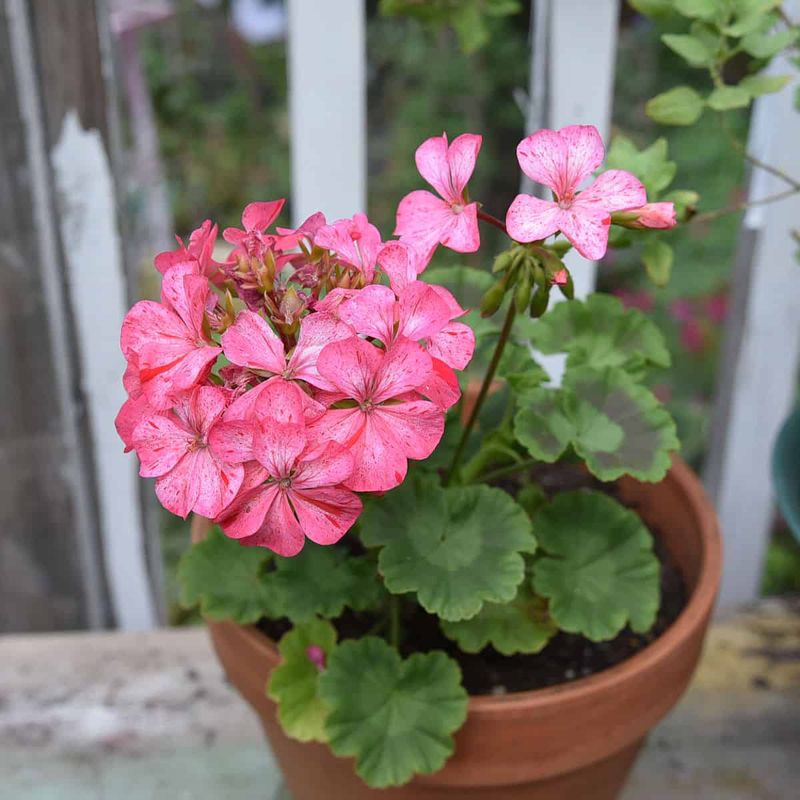
Picture a pot of scarlet blooms glowing on your kitchen windowsill in January. That is the payoff of the easiest overwintering method, simply treating your geranium like a houseplant.
Start by trimming the plant back by about a third so it fits indoors and stays tidy. Pull off any yellow leaves and spent flowers.
Then check carefully for pests, hosing the leaves and undersides to knock off aphids, whiteflies, or spider mites before they move in with you.
Light matters most. A south or west window is ideal, since geraniums want at least six hours of bright light.
Without it, stems stretch out and get leggy, though a cheap LED grow light can make up the difference.
Water only when the top inch of soil feels dry. Indoor geraniums grow slowly in winter, so soggy soil can quickly lead to root rot.
Skip heavy feeding until late winter, too.
Many gardeners find their plants keep blooming off and on all season. Even if yours just holds steady with green leaves, you will have a strong, established plant ready to head back outside once spring nights stay mild.
3. Try the Old-Fashioned Bare-Root Method
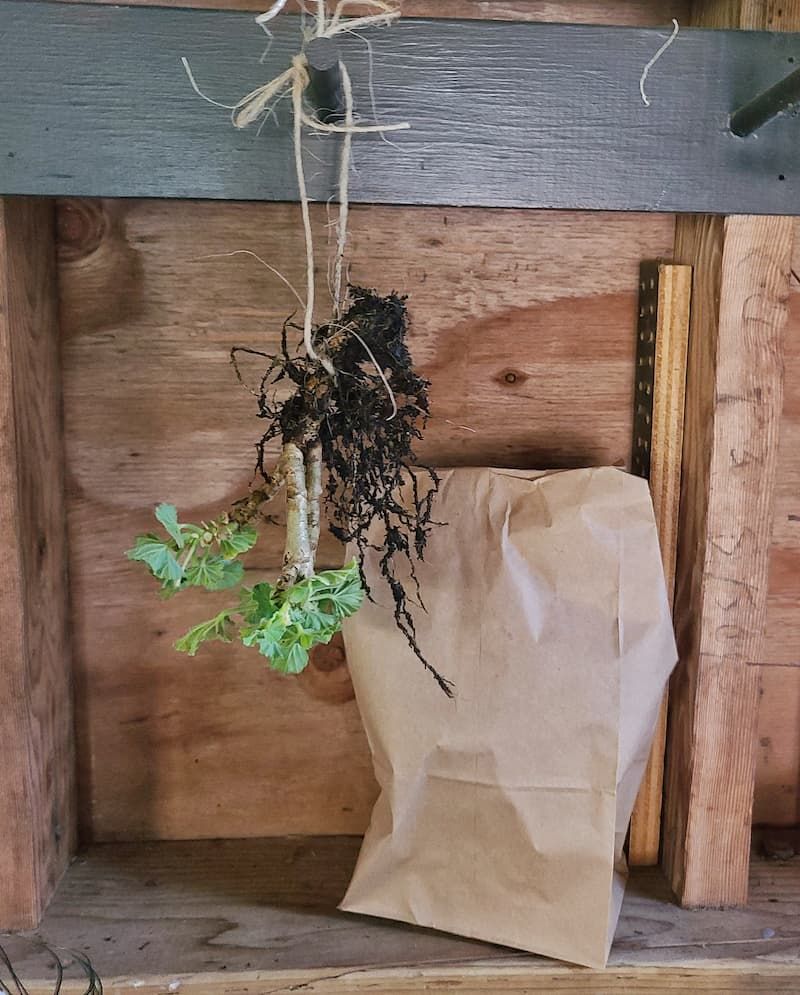
Grandma had a trick that still works surprisingly well. Long before grow lights existed, gardeners dug up geraniums, shook off the soil, and hung them upside down in the cellar all winter.
To try it, lift the plant before the first freeze and gently knock most of the dirt from the roots. Let it sit for a day so the roots dry slightly.
Then hang it upside down from a nail or string, or tuck it loosely inside a paper bag.
The spot you choose makes or breaks this method. Aim for somewhere cool, dark, and dry, ideally between 45 and 55 degrees.
An unheated garage or closet often fits the bill, though Southern garages can run too warm on sunny winter days.
Once a month, check on your sleeping plants. If stems look shriveled, soak the roots in water for an hour or two, then hang them back up.
Leaves will drop, and that is perfectly normal.
Success is not guaranteed, and some plants may not wake up. Still, firm green stems in spring are a good sign.
Pot them up, water well, and watch new growth appear within a few weeks.
4. Take Cuttings for a Fresh Start
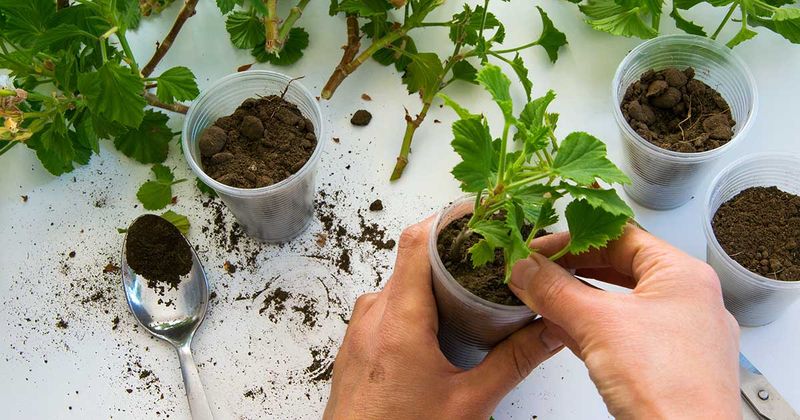
Short on space? Cuttings let you save your favorite geranium varieties without dragging big pots through the house.
Snip four-inch pieces from healthy, non-flowering stem tips using clean pruners. Cut just below a leaf node, which is the little bump where a leaf joins the stem.
Strip off the lower leaves, leaving two or three at the top.
Some gardeners dip the cut end in rooting hormone, which can speed things along, though geraniums often root fine without it. Let cuttings sit for a few hours so the ends callus, then push them into small pots of moist seed-starting mix or a perlite blend.
Keep them in bright, indirect light and water lightly. Unlike many plants, geranium cuttings dislike plastic bag tents because trapped moisture can cause rot.
In about three to six weeks, a gentle tug that meets resistance means roots have formed.
A single parent plant can easily give you six or more babies. By spring, you could have a whole tray of young plants ready for porch pots and borders.
Your garden center bill shrinks, and you keep the exact colors you loved last summer.
5. Let Them Go Dormant in a Cool Spot
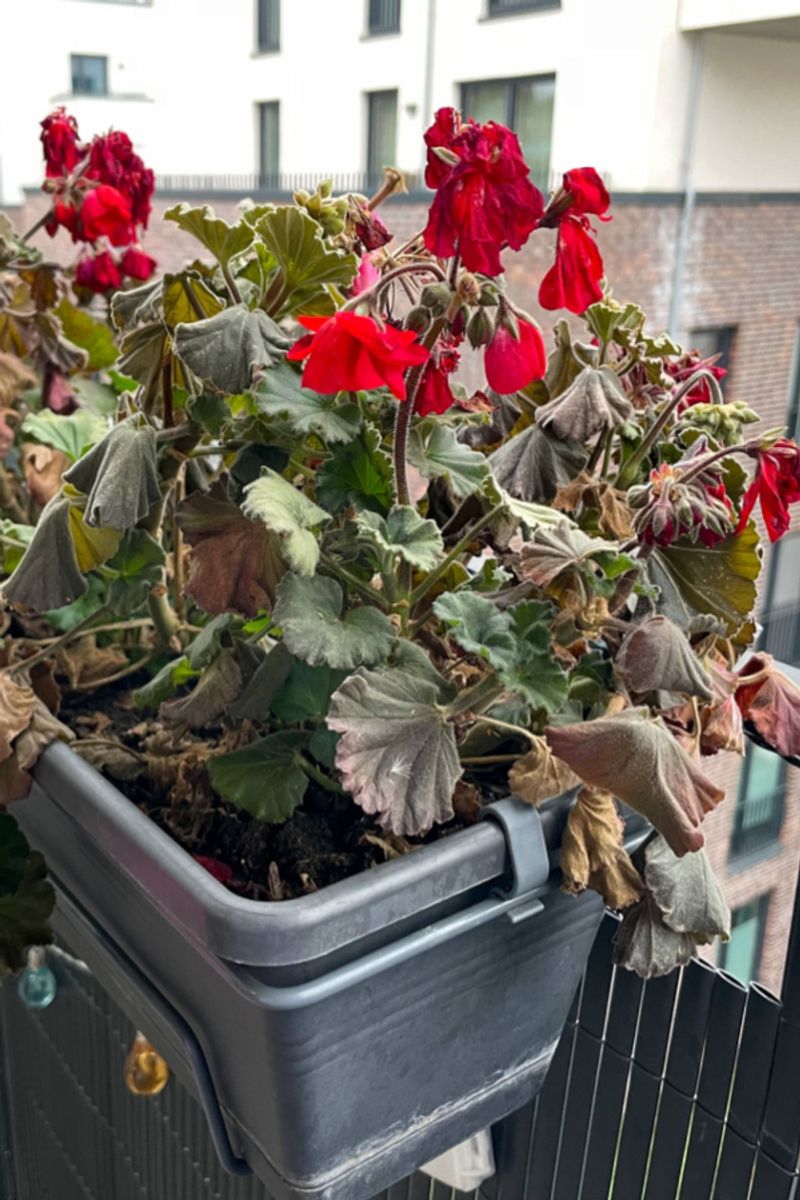
Not everyone has a sunny window to spare, and that is okay. Dormancy is a middle path between a full houseplant and the bare-root trick.
Cut each plant back hard, leaving stems about four to six inches tall. Keep it in its pot and move it to a cool, dim place where temperatures stay above freezing but below roughly 55 degrees.
Basements, enclosed porches, and cool garages are popular picks.
The goal is to slow the plant way down. With less light and cooler air, growth nearly stops, so it needs very little water.
A light drink every three or four weeks, just enough to keep stems from shriveling, is usually plenty.
Resist the urge to fertilize or fuss. Overwatering is the most common way dormant geraniums fail, since cold, wet soil invites rot.
Around late winter, roughly six weeks before your last frost date, bring the pots into brighter light and water a bit more. Fresh green shoots should start popping along the stems.
In warm parts of Texas and Florida, that wake-up call may come as early as late January or February, giving you a big jump on the season.
6. Protect In-Ground Geraniums from Surprise Freezes
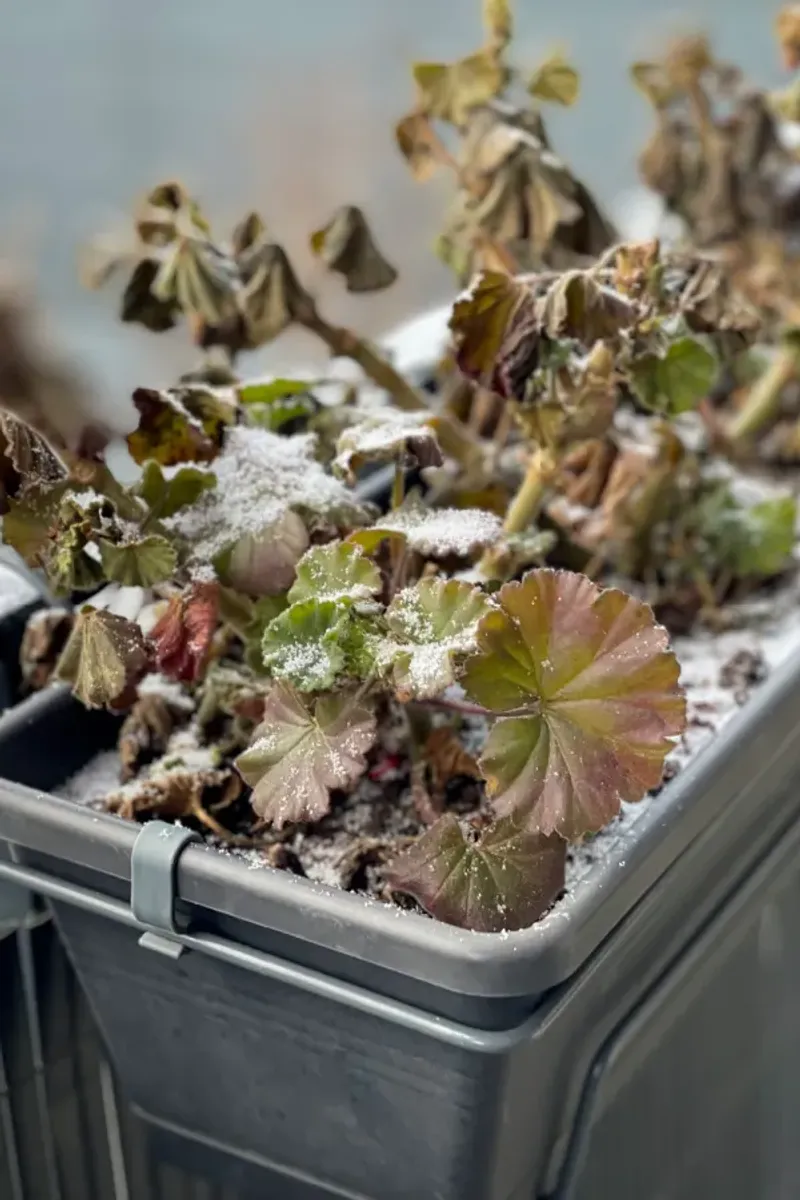
A surprise cold snap in Houston or Orlando can catch everyone off guard. If your geraniums are planted in beds and digging them up feels like too much, a little quick protection often gets them through.
Keep a frost cloth or old bedsheet on hand. Drape it over plants in the evening so it reaches the ground on all sides, trapping warmth that rises from the soil.
Avoid plastic touching leaves, since it can actually transfer cold and cause damage.
Water beds the day before a freeze. Moist soil holds heat better than dry soil, which can help keep roots a few degrees warmer.
A thick layer of mulch around the base adds more insulation.
Pull covers off the next morning once temperatures climb, so plants do not overheat or stay damp.
If frost does nip the leaves, wait before cutting anything. Damaged foliage can shield lower stems from the next cold night.
Once the threat passes, trim away mushy growth back to firm, green tissue. Plants with healthy stems and roots frequently bounce back, though a long, hard freeze may still be too much for some.
7. Watch for Winter Trouble Signs
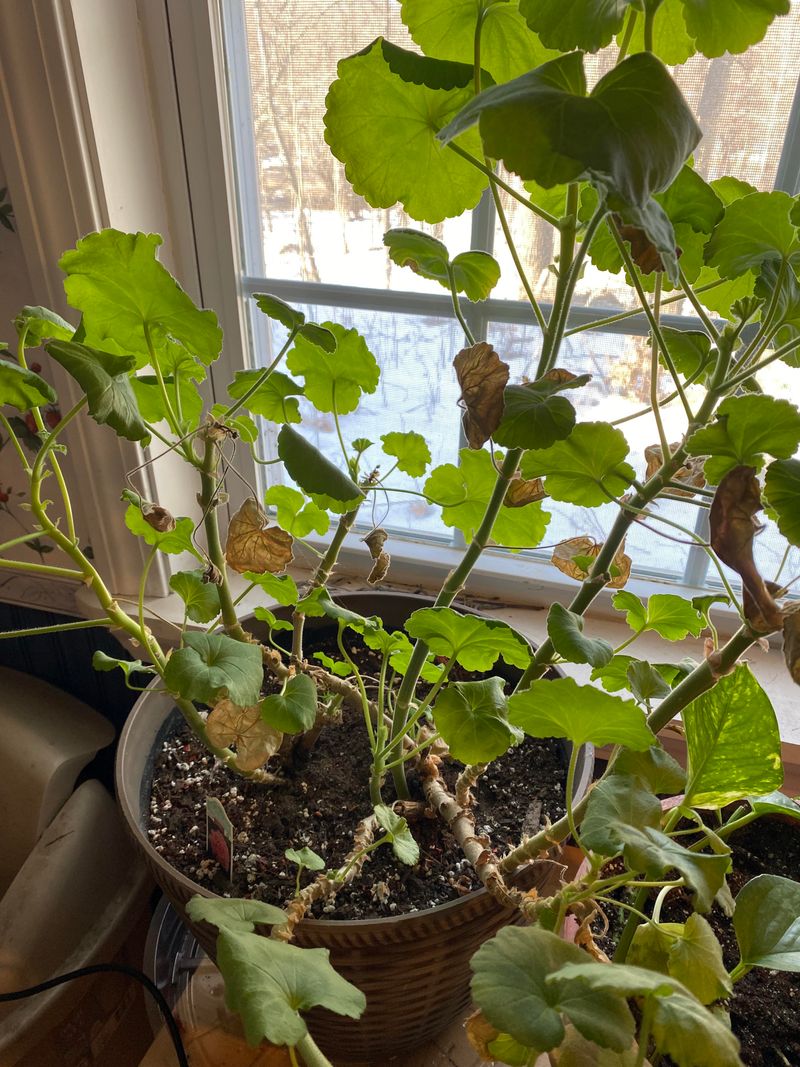
Yellow leaves in December can send any plant lover into a panic. Usually, though, the fix is simple once you know what each symptom means.
Yellowing lower leaves often point to overwatering or natural leaf drop as the plant adjusts to indoor life. Let the soil dry more between drinks and remove the yellow leaves.
Long, floppy stems mean the plant is reaching for light. Move it closer to a bright window or add a grow light, then pinch back the stretched tips.
Black, soft stems near the soil line usually signal rot. Cut healthy upper sections as cuttings, since the base may not recover.
Gray fuzz on leaves or flowers is likely botrytis, a mold that loves cool, damp, still air. Remove affected parts and improve airflow with a small fan.
Sticky leaves or tiny flying bugs suggest whiteflies or aphids. A spray of insecticidal soap may help knock populations down, though you might need a few rounds.
Checking your plants once a week catches most issues early. Small problems are far easier to fix than a plant that has been quietly struggling for a month.
8. Wake Them Up and Move Them Back Outside
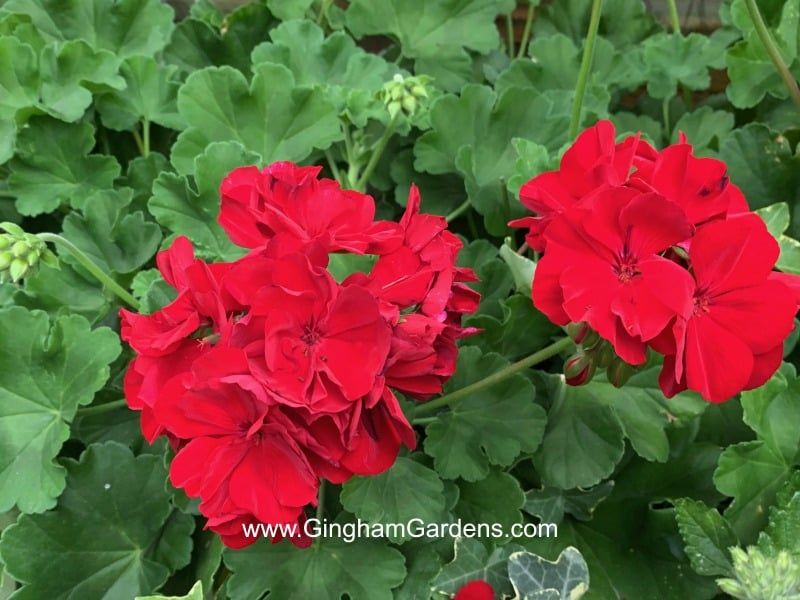
Spring is the reward for all that winter patience. Getting the return trip right helps your geraniums bloom harder and faster than store-bought plants.
About a month before your last frost, give plants a fresh trim to encourage bushy branching. Repot in fresh potting mix if roots are crowded, and start feeding with a balanced fertilizer at half strength every two weeks.
Next comes hardening off, which simply means easing plants into outdoor life. Set them in a shady, sheltered spot for a couple of hours on mild days, then slowly increase their time and sun over about a week.
Skipping this step can leave leaves scorched or shocked.
For Southern gardeners, timing is a little different. Spring arrives early, and summer heat follows fast.
Many Texas and Florida growers find geraniums bloom best in spring and fall, then appreciate afternoon shade once temperatures top 90 degrees.
Once nights stay above 50 degrees, your plants can stay out full time. A few weeks later, those same geraniums you almost threw away could be your best-looking porch pots on the block, and you can repeat the whole cycle again next fall.