
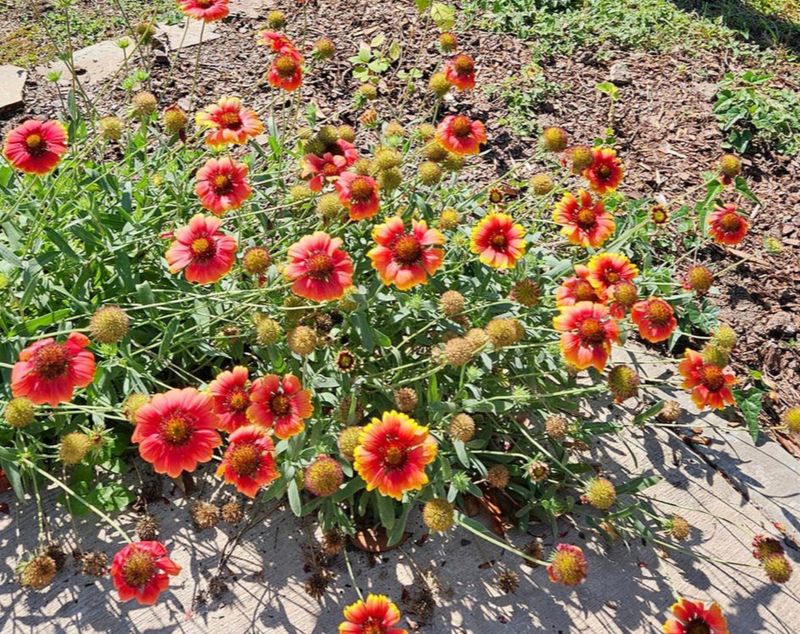
Some flowers earn their spot in a Florida yard by doing most of the work themselves. Blanketflower, with its red and gold daisy-like blooms, can drop seed and pop up again in the same sunny bed.
It loves sandy soil and heat, but it does not always behave the way gardeners hope. Here is what to expect before you scatter a single seed.
What Florida’s current plant records say about blanketflower
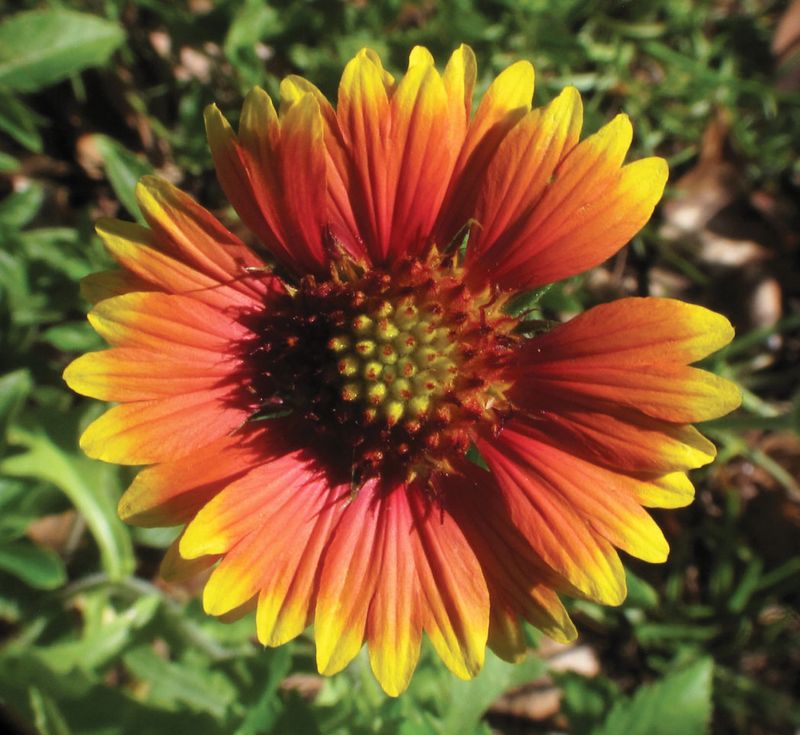
The plant most Florida gardeners call blanketflower, firewheel, or Indian blanket is Gaillardia pulchella. For years, many references labeled it native to Florida.
That label has changed.
The 2026 Flora of Florida classifies it as introduced and naturalized, meaning it spread mainly through cultivation and now grows on its own. So this article will not call it a Florida native.
Why the mixed messages? The reassessment dates to 2020, and not every older reference has caught up.
A Florida Wildflower Foundation article explains the change and notes that some databases, including USDA’s at the time, still showed it as native. You may see both labels on plant tags, websites, and older garden guides.
The good news is that the garden advice below does not depend on the native label. Sun, drainage, and seed habits matter far more to how this flower performs in your bed.
How self-seeding can renew a sunny bed
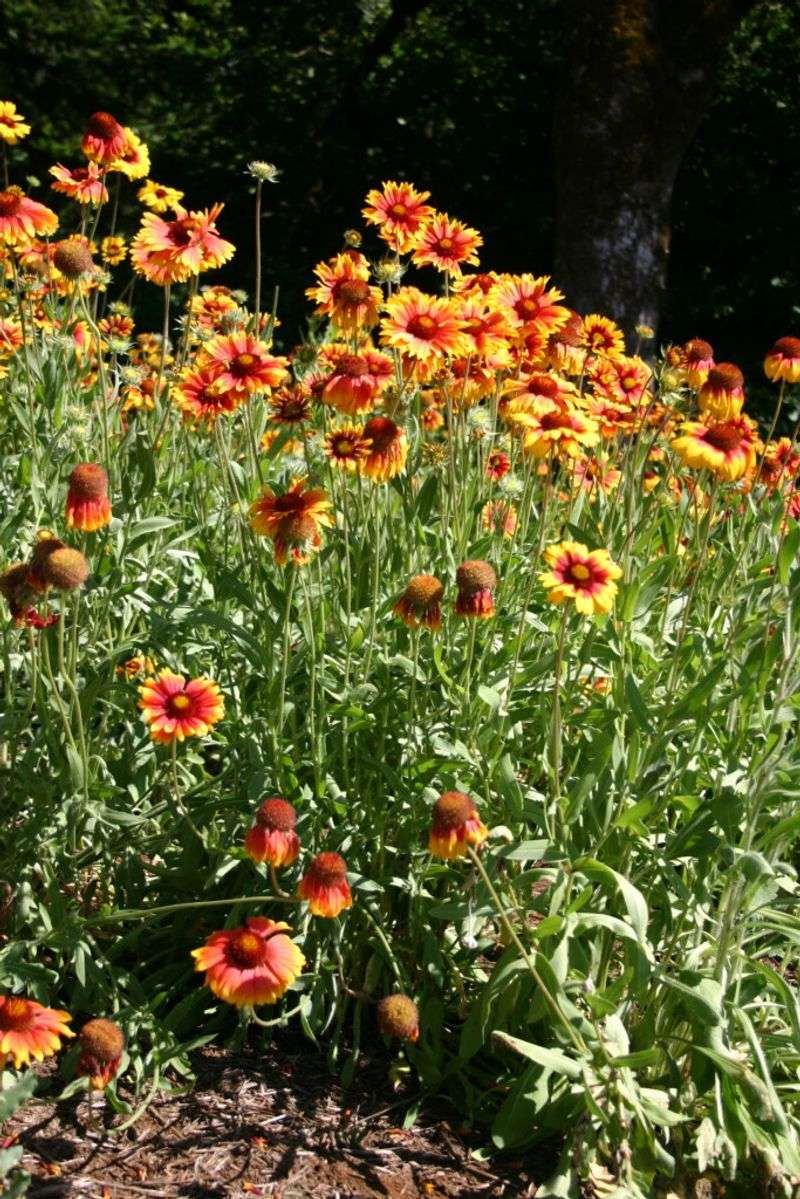
Picture a bed where last season’s flowers dropped their seed and new plants appear the next year. That is how blanketflower can keep a patch going.
UF/IFAS describes it as readily reseeding, so volunteer seedlings can fill in where the parent plants stood.
The key detail is that the display returns through new seedlings. The individual plants are not built to last.
Gaillardia pulchella is an annual to short-lived perennial, so a plant that bloomed beautifully this year may be gone next year.
That difference changes how you plan. If you count on the same plants surviving, you may be disappointed.
If you count on seed, you can keep the bed going with little replanting.
There are no guarantees, though. Seedlings are not promised in every bed or every year.
Weather, mulch, mowing, and how much bare soil is open for seed all play a part.
The Florida Wildflower Foundation warns that blanketflower can be an aggressive self-seeder. For many gardeners that is the payoff.
For others it is a reason to plan where the seedlings can go.
Sunny, well-drained beds suit its growing habits
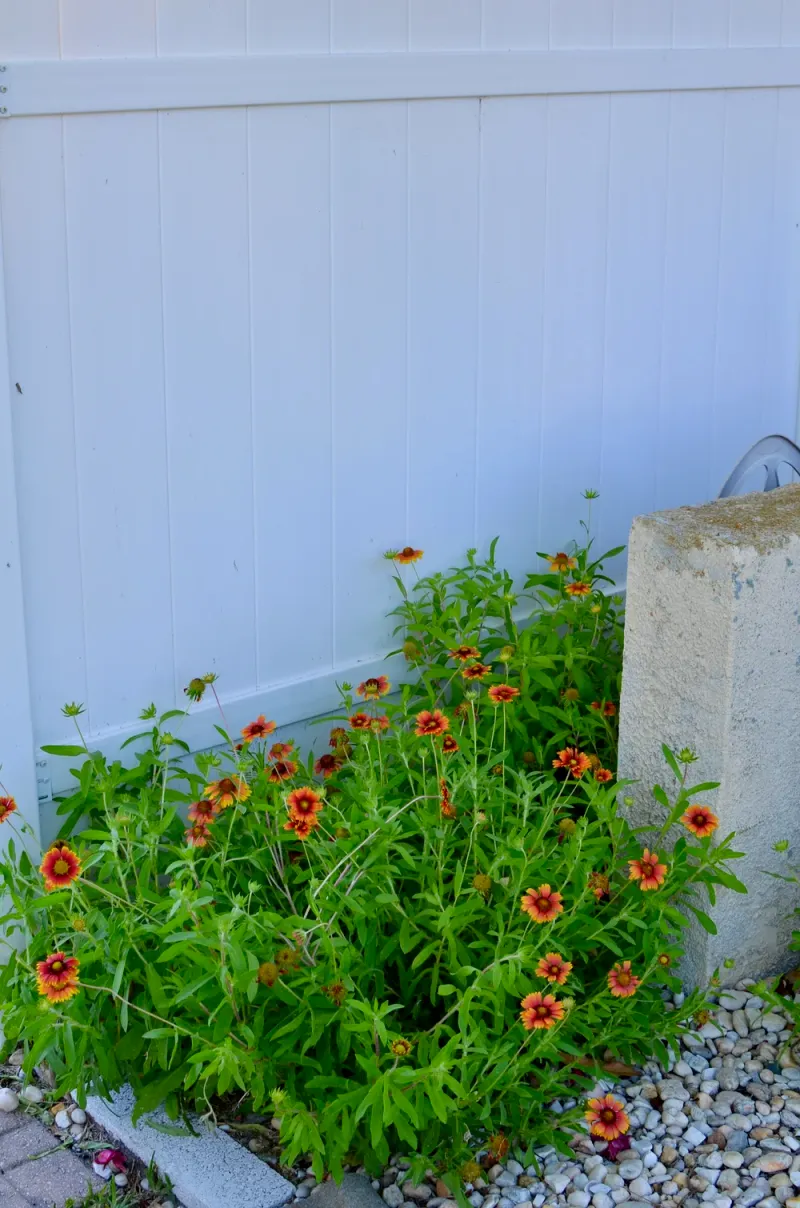
If your yard has loose sandy soil and hot, open sun, blanketflower may fit right in. UF/IFAS says it grows best in full sun and dry, well-drained soil.
It tolerates sandy soil, heat, drought, and soil salt.
That makes it a candidate for spots where other flowers struggle, such as a sunny strip along a driveway or a lean, fast-draining front bed. Those same conditions are common across much of Florida.
Salt tolerance needs careful reading. UF/IFAS rates its tolerance of salt in the soil as good, and it can grow on dunes.
That does not mean it survives saltwater flooding or storm surge, and it does not cover every coastal exposure.
Wet feet are the bigger risk. Too much water can lead to root rot, so skip low spots that hold water after summer storms.
Heavy clay, constant irrigation, and thick, soggy mulch can all work against it.
A practical test is to watch the bed after a hard rain. If water drains within a short time and the site gets sun most of the day, you are in good territory.
Florida wildflower planting windows vary by region
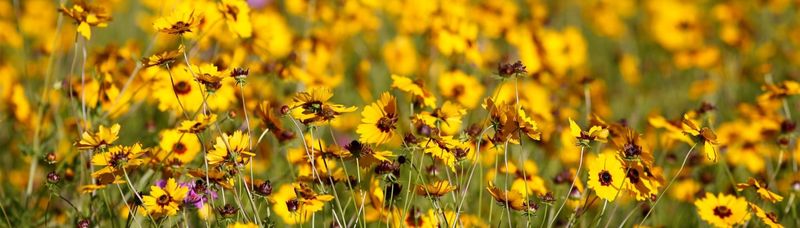
When to sow depends on where you live in the state. UF/IFAS guidance for Florida wildflower plantings gives these general windows: mid-September to mid-October in North Florida, mid-October through December in Central Florida, and November through January in South Florida.
Treat those dates as broad wildflower advice. They are not a schedule written just for blanketflower, and they do not guarantee results for this species.
Think of them as a starting range to adjust with local weather and your own experience.
Water matters early on. Established blanketflower handles drought, but moisture can help seeds germinate and young plants settle in.
UF/IFAS recommends having irrigation access when establishing wildflower plantings.
There is no set watering schedule here, so watch the bed instead. If seedlings are wilting during a dry stretch, a light soak can help.
Once plants are established, you can ease off.
Fall timing also lines up well with the cooler stretch many Florida gardeners use to update visible beds. Prepare the soil, clear weeds, and leave open ground where seed can touch soil.
Choose between more blooms and more volunteers
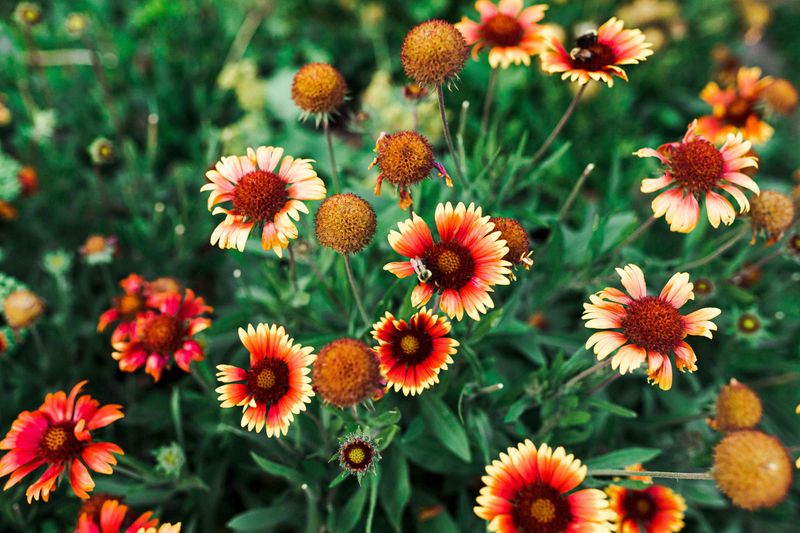
You control how much blanketflower comes back. Leave some flowers to set seed, and you can encourage volunteer plants.
UF/IFAS notes that removing spent blooms can encourage a longer flowering period.
Want fewer volunteers? Remove seed heads before they ripen and drop.
Many gardeners do a mix, trimming early in the season for color, then leaving the last flush of blooms to seed.
Plan for spread. The Florida Wildflower Foundation recommends using it where spread is acceptable.
Seedlings can show up outside the intended bed, so a border of mulch, lawn, or hardscape can help you spot strays.
Spacing is a design choice. UF/IFAS lists 12 to 18 inches in its culture table, while its management text suggests 2 to 3 feet for mass plantings.
Closer spacing gives a fuller, tighter look, while wider spacing gives each plant room to sprawl.
A simple habit helps: each fall, pull seedlings that landed in the wrong place and keep the ones you want. That keeps the display tidy without much effort.
Pollinating insects visit blanketflower blooms
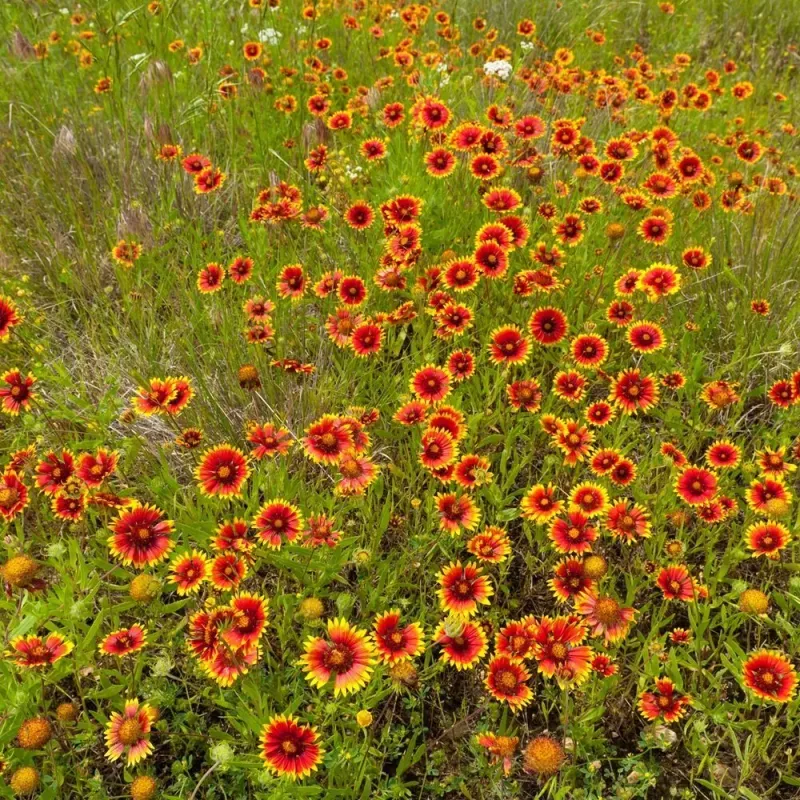
Butterflies and other pollinating insects are drawn to blanketflower blooms. The Florida Museum’s profile says the plant attracts pollinators, but it lists no host plant use.
Research backs up the visitor side of the story. A Florida field study in HortScience evaluated G. pulchella among ornamental plants for insect visitation.
That tells us insects visit the flowers, nothing more.
So keep your expectations specific. Blanketflower is not a larval host, and it does not support every pollinator.
It will not offer blooms every month of the year, since plants cycle and may fade between generations.
For a livelier bed, pair it with other flowers that bloom at different times. That way, visiting insects have more than one stop.
Place blanketflower where you can watch the action, such as near a patio or walkway.
Decide whether a self-sown display fits your garden
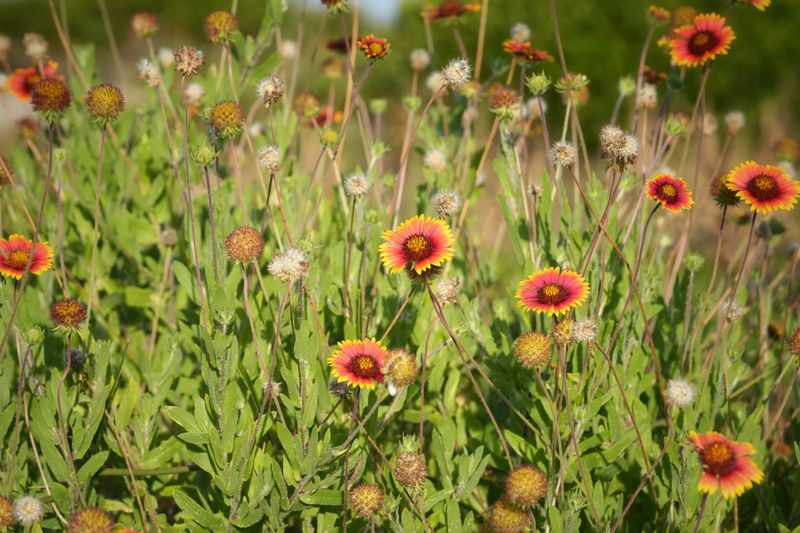
Blanketflower suits gardeners with a full-sun, dry bed who do not mind seedlings wandering. A recurring display depends on reseeding, not on the original plant surviving, as UF/IFAS and the Florida Wildflower Foundation describe it.
If you want a Florida native, remember the 2026 Flora of Florida treats G. pulchella as introduced. UF/IFAS Pinellas County points to lanceleaf blanketflower, G. aestivalis, as a native option, though its garden performance may differ.
Some years the seedlings come, and some years they skip. Plan for the bed you get.