
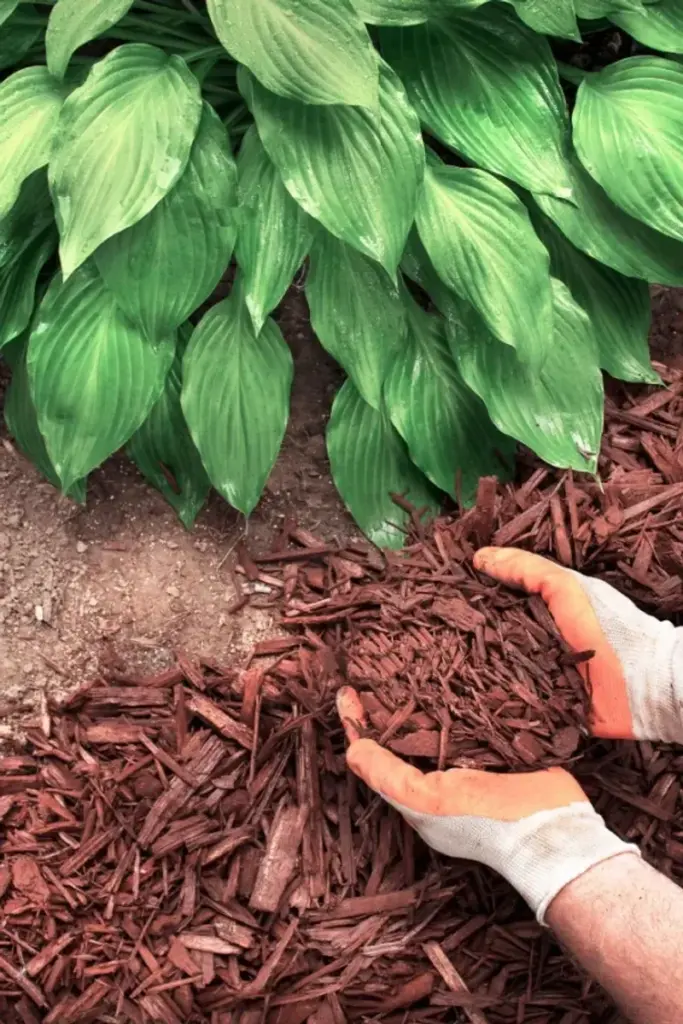
Hostas can look tired and floppy by the end of the growing season, and many gardeners worry their plants are on the way out. The good news is that a few minutes of fall care can make a real difference in how they come back.
Two simple jobs before winter can help protect the crowns, cut down on pests, and set the stage for fuller leaves next spring. If you grow hostas in a shady bed, here is what to do now.
1. Clean Up the Dying Foliage
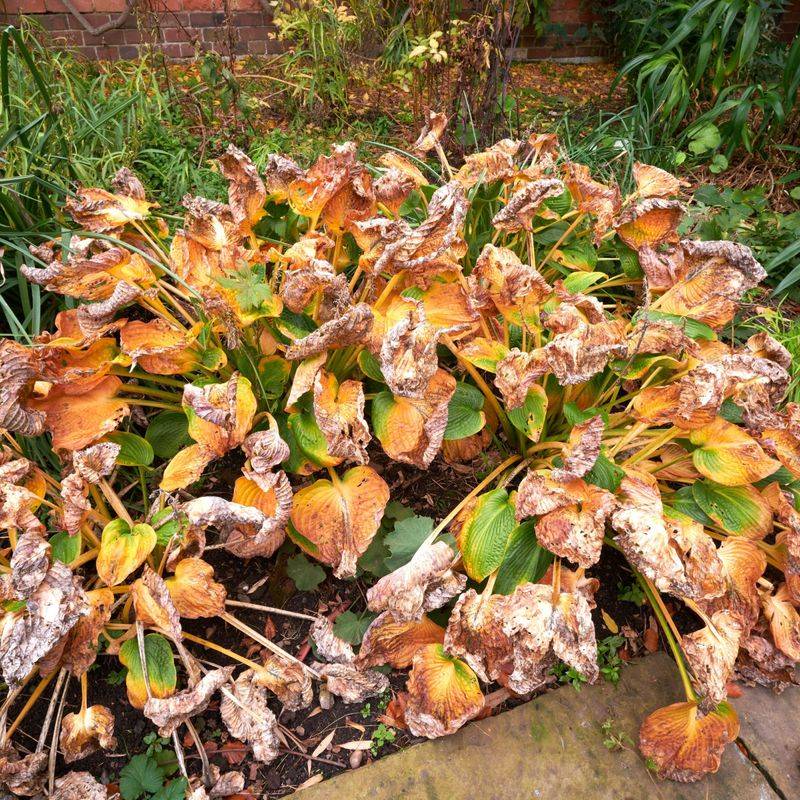
Slugs love a messy hosta bed in fall. Those mushy, yellow leaves flopped over the crown make a cozy hiding spot where slugs and their eggs can wait out the cold.
Snails, voles, and fungal spores may also settle in under the soggy pile.
Once the leaves turn yellow or brown and collapse after a frost, grab clean pruners and cut the stems down to about an inch or two above the soil. Wait until the foliage is truly spent, since green leaves are still feeding the roots for next year.
In warmer parts of the South, like north Texas or the Florida Panhandle, that may not happen until December.
Rake the clippings out of the bed and toss them in the trash rather than the compost if you saw leaf spots or heavy slug damage. Fewer leftovers can mean fewer pests chewing holes in your fresh spring shoots.
Here is a fun fact: hostas were once called plantain lilies, and gardeners in Japan have grown them for centuries. Those long-lived roots are tough, but a tidy crown gives them the best shot at pushing up strong, clean leaves when the weather warms again.
2. Water Deeply, Then Add a Light Mulch Blanket
Picture your hosta roots like a bear getting ready to hibernate. They need to go into the cold months well fed and well watered, or they may wake up weak.
Dry fall weather, common across Texas and much of the South, can leave crowns stressed right before dormancy.
Give your plants a slow, deep soak once a week during dry spells until the ground cools. Moist soil holds warmth better than dry soil, which can help protect roots during a sudden cold snap.
Skip the fertilizer now, though, because it can push tender growth at the wrong time.
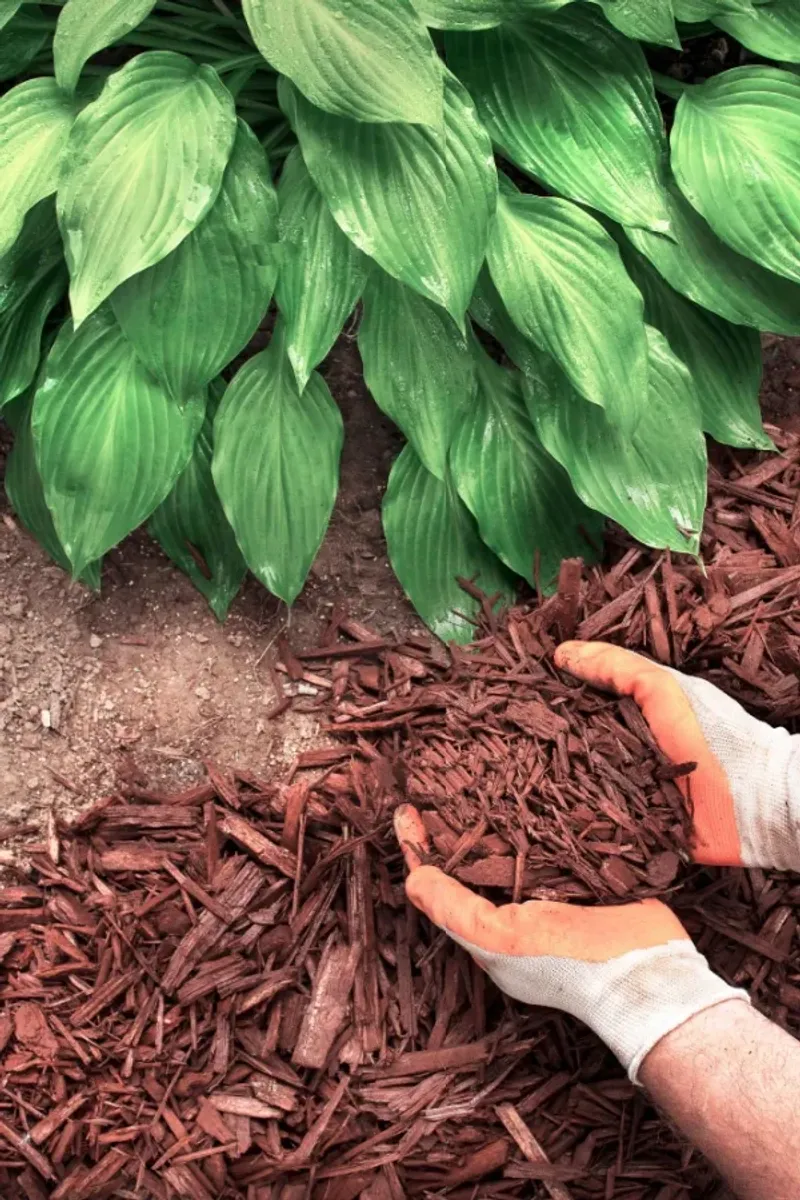
After the ground is cool and the leaves are cleaned up, spread about two inches of shredded bark, pine straw, or chopped leaves around each plant. Keep the mulch an inch or so away from the crown itself to help prevent rot.
In spots with freezes and thaws, this layer can reduce frost heaving that pushes roots out of the soil.
Come spring, pull the mulch back a little as the pointed shoots appear. With moist roots and steady soil temps, your hostas often return with bigger, healthier clumps.