
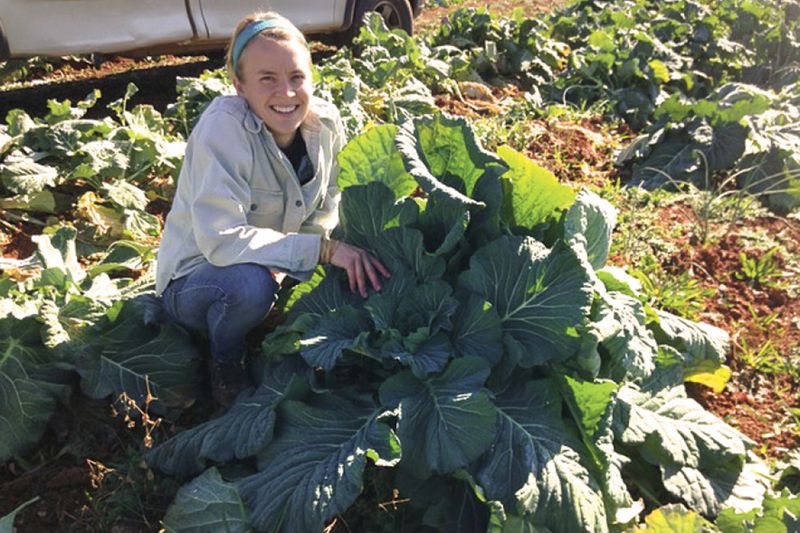
Collards are one of the toughest leafy greens you can grow in a North Carolina yard. When the air turns crisp, they often keep right on going while other crops fade.
Cool weather can even make the leaves taste better. If you already have collards growing, this guide shows you how to look after them as winter approaches.
Why collards suit North Carolina’s cool season
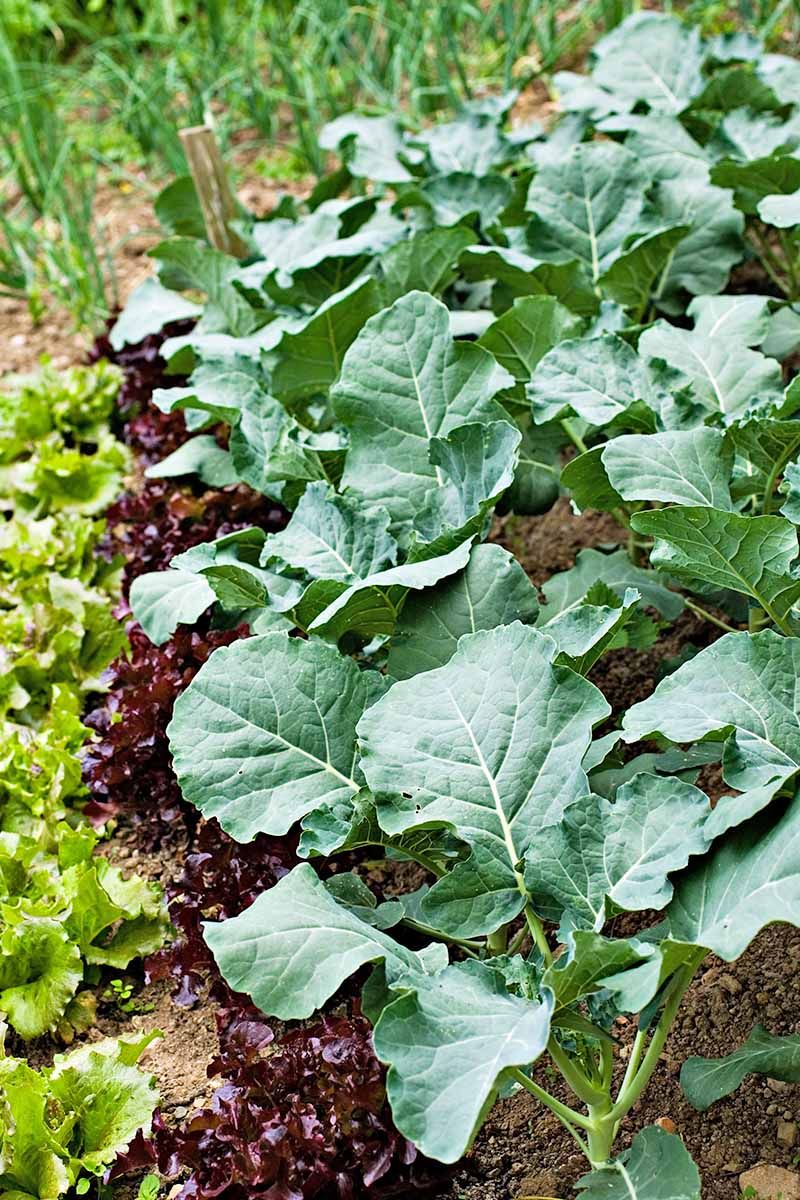
Collards like cool weather, and that is why they fit so well into a North Carolina fall. NC State Extension describes them as a crop for spring or fall planting, and says mature plants can handle frost and light-to-medium freezes.
That is a big reason you see them standing tall in gardens when tomatoes and beans are long gone.
Cold tolerance is not the same as a guarantee, though. Fall-planted collards may survive winter, but some slow down or go dormant when it gets cold, then start growing again in spring.
A hard freeze can still damage leaves, and a plant that struggles early in the season may not have the strength to hold up.
So collards are resilient, but they are not care-free. They still need steady moisture, decent soil, and a watchful eye for insects.
NC State’s Extension Gardener Handbook notes that cold-hardy crops may live through winter or go dormant, and that simple protective structures can help stretch the season.
That sets up the focus here. If you have collards in the ground right now, you are in the best position.
The goal is to tend those established plants well so you have a fair shot at picking greens as temperatures drop. A winter harvest is a possibility worth working toward, not something to count on.
Fall planting windows vary across the state
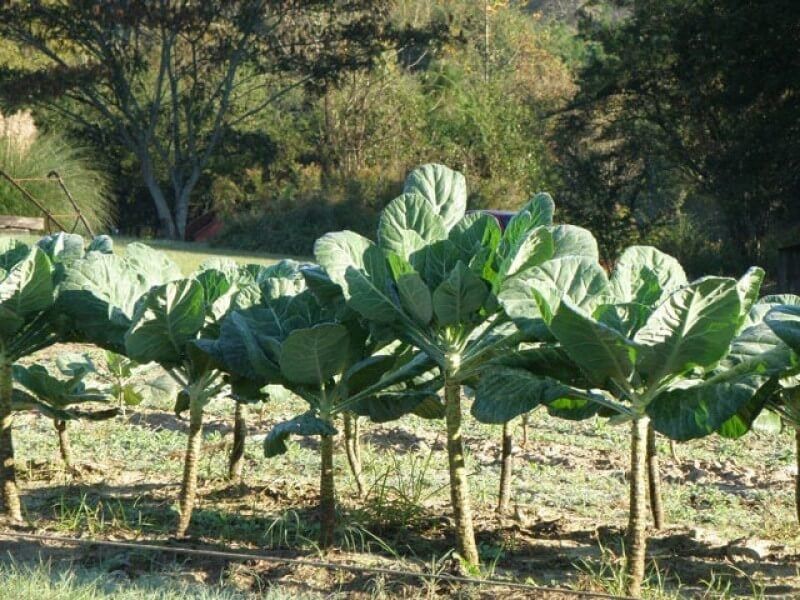
Timing matters, and October 10 is late for starting a fresh fall crop of collards in most of North Carolina. Fall planting dates are not the same everywhere.
Per the NC State Extension Gardener Handbook, August is the main fall-garden planting time in the Piedmont, with some leafy greens delayed until September.
The regions shift that schedule. Fall timing can run 10 to 20 days earlier in western North Carolina and 7 to 14 days later in the coastal plain than Piedmont timing.
Winter conditions also differ from the mountains to the coast, so North Carolina is not one uniform planting zone.
A 2026 regional crop guide gives a clearer picture. The 2026 Southeastern U.S.
Vegetable Crop Handbook lists an August 1 to September 15 fall window for collards in NC East. For NC West, it does not recommend fall collards at all.
Those dates are planning references, and your own yard may run warmer or colder than the guide assumes. Still, they do not support a plan to start collards now and expect a winter crop everywhere in the state.
If you are tempted to try a late transplant anyway, treat it as an experiment and call your county Extension office first for advice that fits your area.
Support plants with suitable soil and moisture
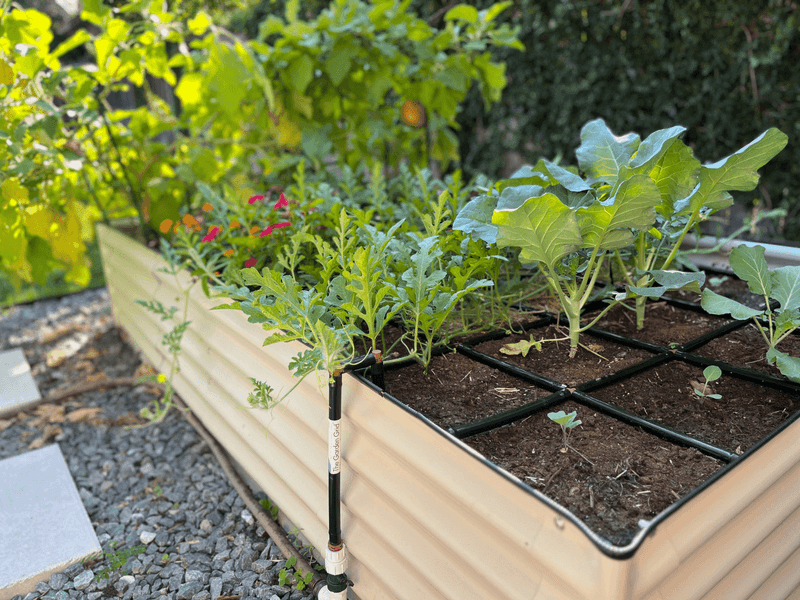
Good soil is what separates a collard patch that limps along from one that keeps producing. According to NC State Extension, collards do best in a well-drained bed.
A soil test tells you what your garden actually needs, so follow its fertilizer recommendations instead of guessing.
Aim for a soil pH between 6.0 and 6.5. Mixing in compost helps build the kind of loose, fertile soil collards like.
For plants already growing, a light layer of compost around the base can be a gentle boost, and your soil test report can tell you whether more fertilizer makes sense.
Water is the other piece. Seed that is germinating needs moisture that stays even but never soggy, since saturated soil causes its own problems.
The Extension Gardener Handbook warns that fall crops need enough moisture to establish, and newly seeded collards can fail without it.
Once plants are settled, check the soil during dry spells in fall and winter, since a dry autumn can stress them. For future plantings made on time, full-grown collards need about 15 to 18 inches between plants.
Keep that in mind when you plan next year’s bed rather than as a reason to plant late.
Cool weather can improve flavor, but freezes still matter
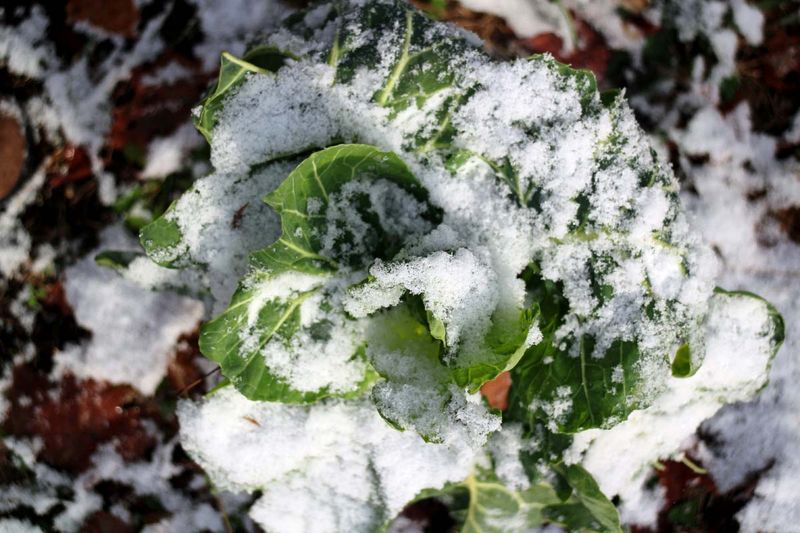
Ask an experienced Southern cook and you will hear that collards taste best after a frost. NC State’s plant profile for collards says the same thing, noting that flavor tends to be at its best after frost.
Frost is not a requirement, though. Colorado State Extension points out that cool temperatures can bring about the same result, so a mild autumn does not mean bland greens.
Cool nights alone can make a difference.
Flavor and toughness are two separate questions. Established plants can withstand frost and light-to-medium freezes, and NC State Extension’s collard guide says as much.
Even so, local Extension staff note that freezing weather can burn leaves. If you see browned, limp edges after a hard night, trim off the damaged leaves and watch for new growth.
On nights forecast to drop well below freezing, a little cover can help. The Extension Gardener Handbook says frost cloth or a cold frame can protect plants and extend the season.
Drape the cloth in the evening and remove it on milder days. Protection improves the odds, but it does not promise growth through every cold snap.
Harvest lower leaves and protect the growing point
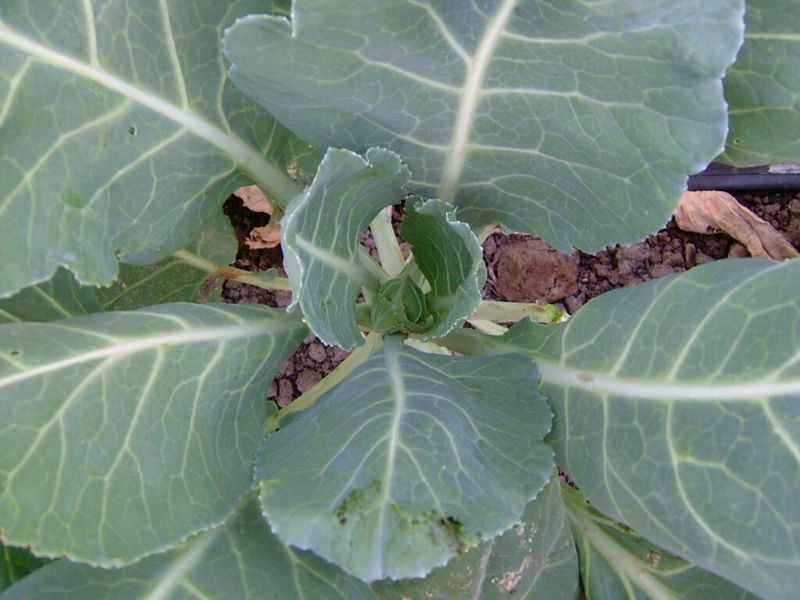
How you pick matters as much as when you pick. Start at the bottom of the plant and take the older, lower leaves once they reach about 8 to 12 inches long.
NC State Extension recommends this approach for a home garden.
Leave the central growing point alone. That tight cluster of young leaves at the top is where new growth comes from, and the Extension Gardener Handbook explains that leaving it intact allows the plant to keep making leaves.
Cutting the whole plant at once ends the harvest.
A practical habit is to take a few leaves at a time rather than stripping the plant. Use clean scissors or a sharp knife and cut the stem close to the main stalk.
A plant that keeps most of its upper foliage has more energy to bounce back after cold nights.
This method supports an ongoing harvest, but it cannot promise growth through every winter freeze. When temperatures sink and growth slows, pick less.
If the plant goes dormant, give it a rest and expect new leaves when spring warms up.
Check leaves for common collard pests
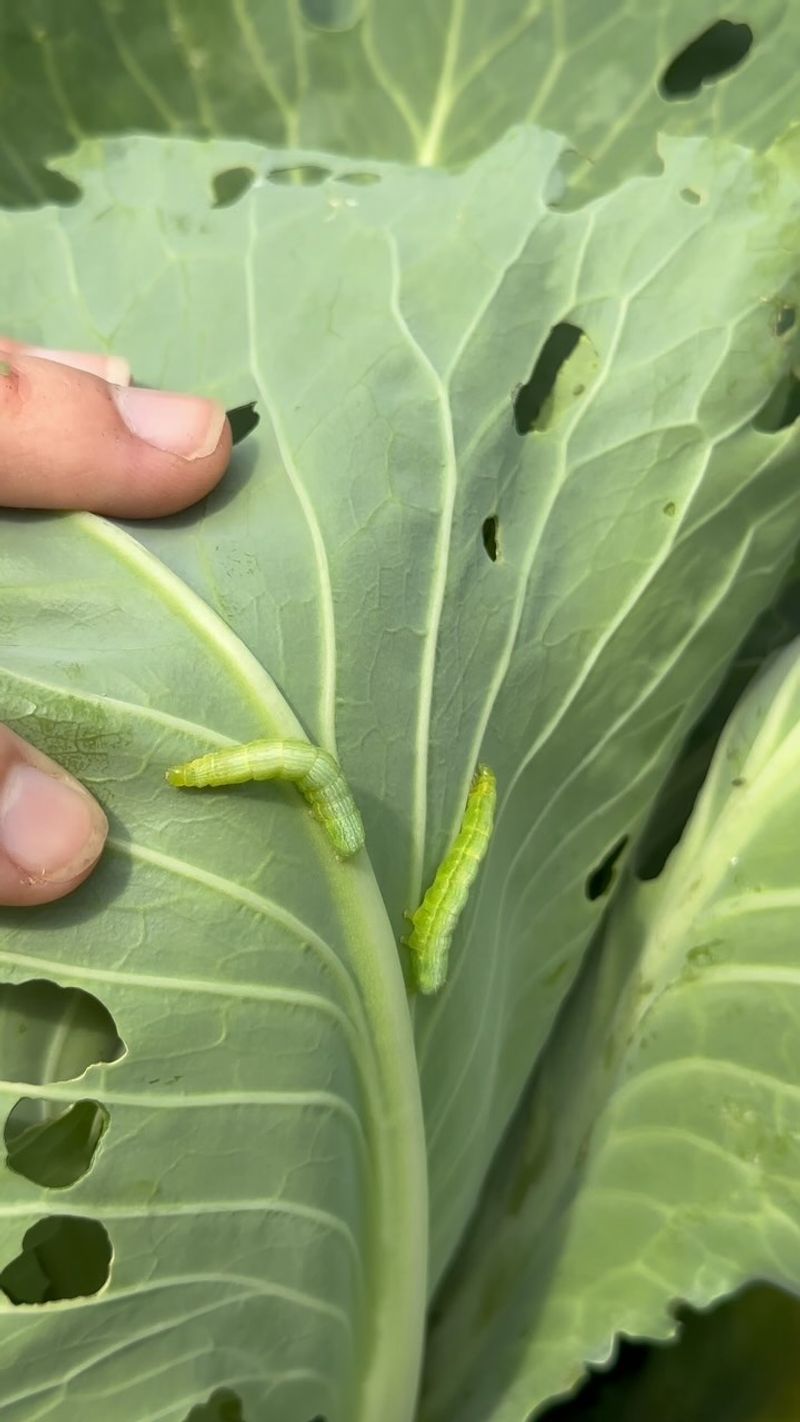
A tough crop is not a pest-free crop. NC State Extension’s guide to pests of crucifers documents cabbageworms, loopers, diamondback moth larvae, and aphids on this family of plants, and collards are part of it.
Fall plants can face real insect pressure.
Make a quick check part of your routine. Flip leaves over and look at the undersides, where caterpillars, eggs, and clusters of aphids like to hide.
Ragged holes, green droppings, and sticky or curled leaves are all clues that something is feeding.
Row covers may help keep insects off by blocking egg-laying adults. Local Extension staff in Pamlico County note that covers can raise temperatures underneath, so they work better in cooler weather and may need to come off on warm days.
If you ever consider an insecticide, read the product label first and follow its directions exactly. Pay close attention to harvest restrictions, which set the waiting time between application and picking.
Routine spraying is not the goal. Often, handpicking caterpillars and catching problems early is enough to keep plants productive.
Tend established plants for a possible winter harvest
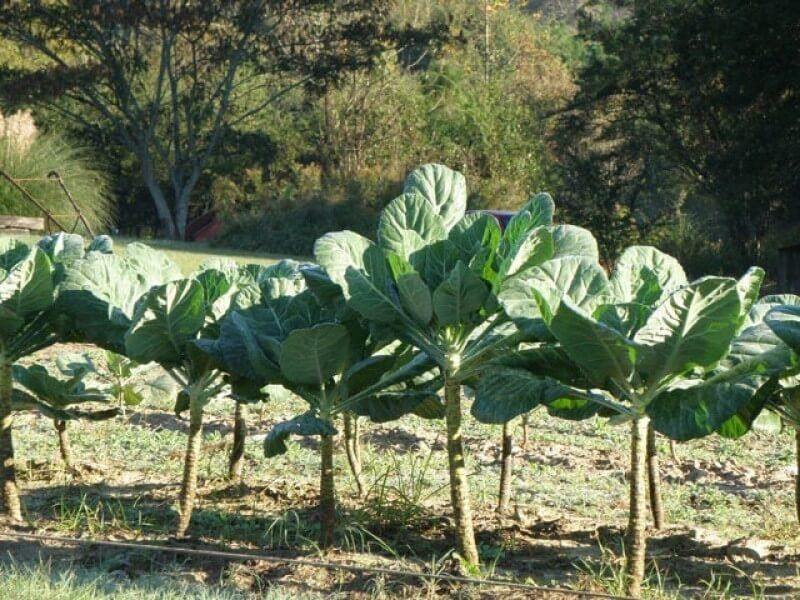
Keep soil evenly moist, cover plants when a hard freeze threatens, pick lower leaves carefully, and keep checking leaf undersides for pests. Those four habits, drawn from the Extension Gardener Handbook, give established collards their best shot at lasting into winter.
If you are thinking about a late planting, call your county Extension office before you buy transplants.
Collards reward steady attention with a harvest that is possible, never promised. Even a quiet, dormant plant in January may surprise you in March.