
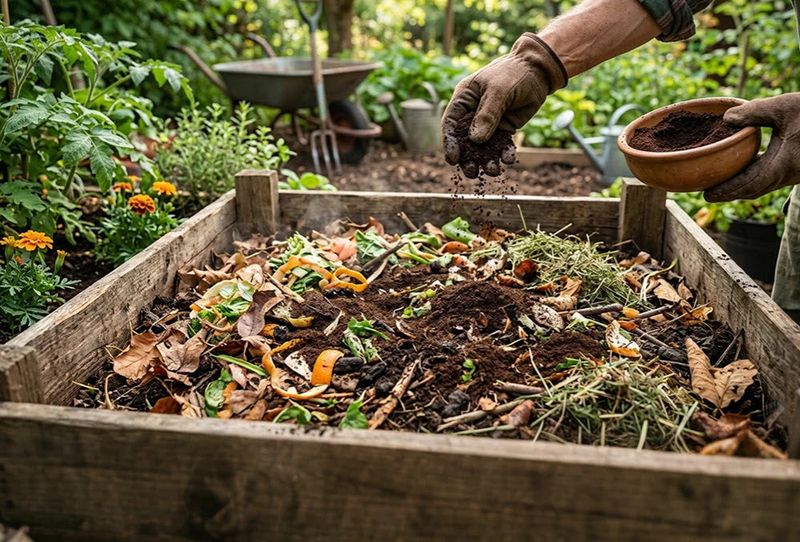
Your morning coffee leaves behind a damp scoop of grounds, and most of it ends up in the trash. Florida gardeners with thin, sandy soil often wonder if those grounds can help.
The answer is more careful than the hype: grounds can be useful, but only in the right way. Here is how to reuse them without harming plants or making a crusty mess.
Florida sand benefits from organic matter, not a coffee-grounds shortcut
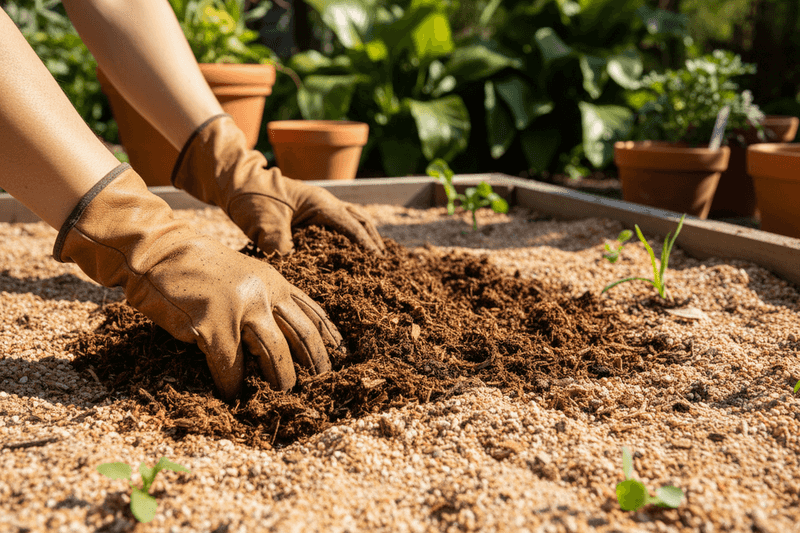
Walk onto almost any Florida lot and dig a shovel in. The sand runs through your fingers, and water drains away almost as fast as you pour it.
UF/IFAS Extension describes Florida sandy soils as having low water- and nutrient-holding capacity, and it points to organic matter and compost as ways to improve those soil properties.
That is the real starting point. Organic matter, such as finished compost, gives sandy soil more material to hold moisture and nutrients.
Coffee grounds are one kind of organic material, so it is natural to ask if they can do the job.
Here is the honest catch. The UF/IFAS discussion of water-holding capacity draws on a laboratory experiment with muck organic matter, not coffee grounds.
So nobody can say that a scoop of grounds changes a home garden by a measured amount. Spent grounds are not a proven stand-alone fix for sandy soil, and they will not transform a yard in a season.
Also, this article covers only spent, brewed grounds. Unused coffee, leftover liquid coffee, and store-bought coffee-based products are different things and are not covered here.
What does make sense is a cautious reuse plan. Add modest amounts of your used grounds to a mixed compost pile, then use the finished compost as one part of a wider effort to build up your soil.
The next sections explain why that beats sprinkling grounds on the ground, and how to do it.
Directly applying grounds can hinder plant growth
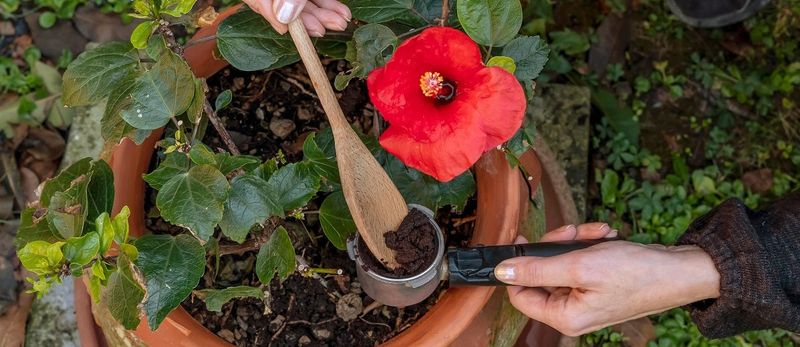
A change in soil is not always a win for plants. In a controlled study of five horticultural plants grown in sandy, sandy-clay-loam, and loam soils, adding spent grounds directly increased the soil’s water-holding capacity.
The plants, however, grew less, and weed growth dropped too.
That result is a warning. A better soil property on paper did not turn into better plant growth.
It is a good reason to skip the idea of sprinkling grounds around plants as fertilizer.
Grounds do contain nitrogen, but Oregon State Extension says they are not a major source of plant nutrition. Fresh grounds worked into soil can also temporarily tie up nitrogen, and research has found suppressed growth and germination.
Results do depend on the amount, the plant, the soil, and how the grounds are applied. A pinch mixed into a big compost pile is a very different situation from a thick layer dumped around tomato seedlings.
Still, the safest takeaway for a home gardener is simple: do not treat raw grounds as a plant food.
If your beds already have a coffee-ground layer and plants look stunted, scrape it back and let the soil breathe. Then send future grounds to the compost pile instead.
Compost grounds with browns and keep their share modest
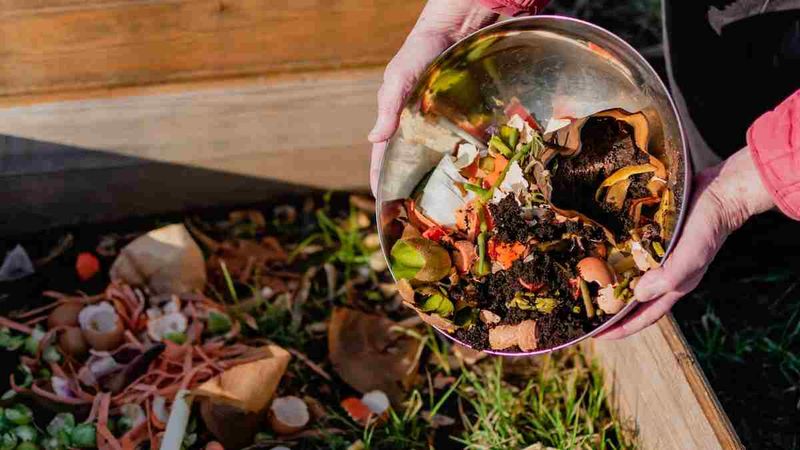
Compost is where coffee grounds make the most sense. Think of grounds as a “green” material, which means they are moist and nitrogen-rich.
They need carbon-rich “browns” to balance them, such as dry leaves, which fall around Florida yards in good supply this time of year.
UF/IFAS composting guidance recommends alternating layers of green and brown materials. Keep the pile damp but not dripping, like a wrung-out sponge.
Turn it about once a week to bring in air and keep things breaking down evenly.
Fine, wet grounds can clump together, so mix them in rather than dumping a thick layer in one spot. Tossing in a handful of dry leaves each time you add grounds is an easy habit.
A matted blob in the middle of the pile is a clue that you need more browns and more turning.
How much is too much? Oregon State Extension recommends keeping grounds to no more than 20 percent of compost-pile volume.
Treat that as a rule of thumb from an extension service, not a Florida-tested limit. It is also not a rate for putting grounds on soil.
You will know the compost is ready when it looks dark and crumbly and smells earthy, like a forest floor. If it smells sour or looks slimy, add browns, turn it, and give it time.
Use finished compost as one part of soil improvement
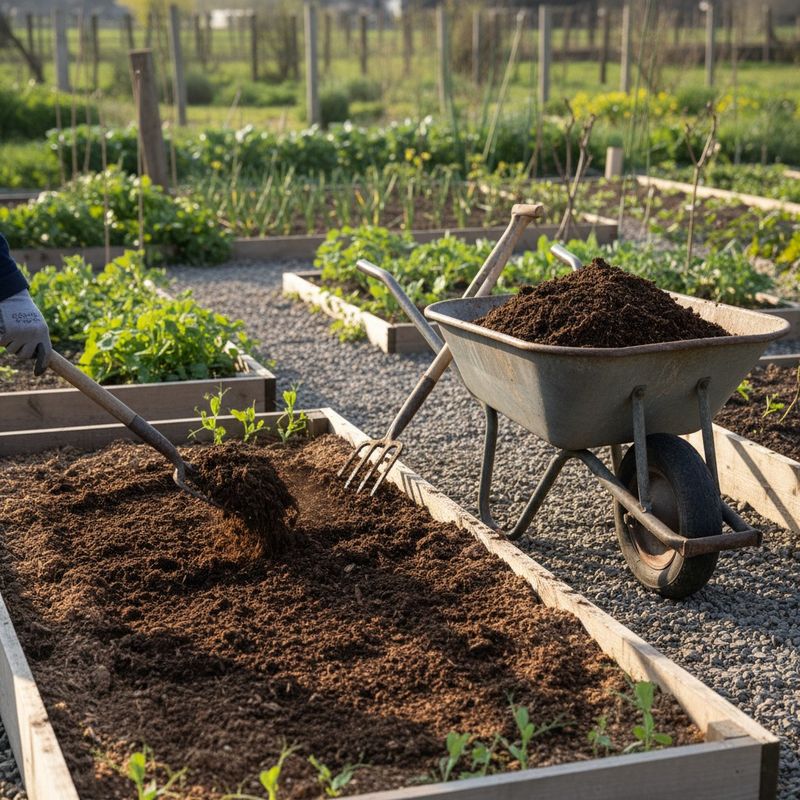
Once your pile has turned into dark, crumbly compost, you have a real soil amendment. Finished compost adds organic matter to sandy soil, which is the kind of change UF/IFAS links to better soil properties.
Nobody has measured how much a batch with coffee grounds in it will help in a home garden.
So keep your expectations realistic. Coffee-ground compost is not a complete fix, and it will not promise a set amount of water retention or a certain boost in plant growth.
It is one tool among several.
Treat it as part of a bigger plan. Spread a layer of compost over a bed before planting, or work some into the planting area.
Over time, repeat the process as you make more.
The UF/IFAS recycling guidance for Florida-friendly edible landscapes fits well here, since it treats compost as a way to reuse yard and kitchen materials instead of sending them away. Your grounds are just one ingredient alongside leaves, grass clippings, and vegetable scraps.
A practical next step is to start with one bed. Add compost, watch how the plants do through the season, and decide whether to expand.
Slow and steady works better than hoping for a quick makeover.
If grounds go on the surface, keep them thin and covered
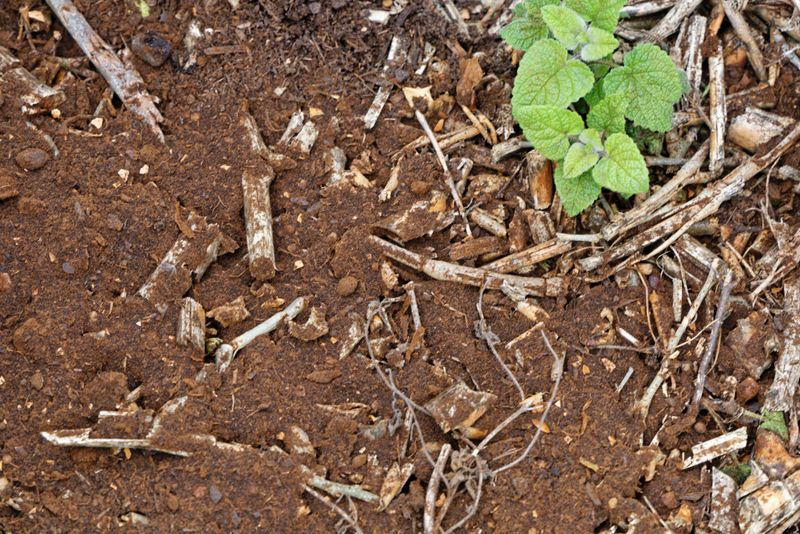
Some gardeners will still want to put grounds right on the surface. It can be done, but it takes care.
Fine grounds can dry into a crust that repels water, and a thick layer can mat down and stop rain from soaking in.
Cornell’s guidance specifies a layer of half an inch or less, placed beneath a thicker layer of coarse organic mulch. That means the grounds are an underlayer, not the finish.
Oregon State Extension makes a similar point and suggests covering grounds with leaves or bark mulch so the surface does not dry out and shed water.
A simple test: if you can see a smooth, dark layer of grounds sitting on top of the bed, it is probably too exposed. Rake in coarse mulch, such as pine bark or shredded leaves, until the grounds are hidden.
Visible mold sometimes shows up on damp grounds. It does not prove the grounds are helping, and it does not by itself make a garden unsafe.
It is more a sign that the layer is too thick or too wet.
Honestly, composting is the simpler and more defensible choice. It skips the crust problem entirely, so use surface mulching only if you are willing to keep it thin and covered.
Brewed grounds will not reliably acidify soil
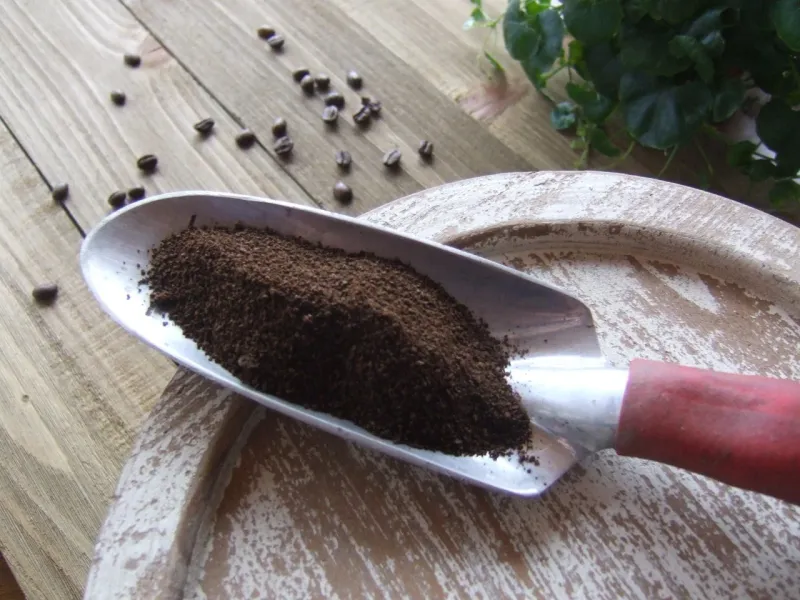
Plenty of gardeners believe coffee grounds make soil acidic, so they scatter them under blueberries or azaleas. The idea sounds logical because coffee is acidic to drink.
Brewing changes that, though.
Oregon State Extension reports that brewed grounds are close to neutral, about pH 6.5 to 6.8. It says they will not lower soil pH enough to benefit acid-loving plants.
Field results point the same way. In a two-year turfgrass study from USDA Agricultural Research Service, repeated applications of spent grounds did not cause a long-term change in soil pH.
So if yellowing leaves on an azalea have you reaching for the coffee can, pause. The problem may be soil pH, nutrients, or something else entirely, and grounds are not a dependable answer.
If you are planting blueberries or other pH-sensitive plants, start with a soil test. Your county UF/IFAS Extension office can point you toward testing options.
Then use an amendment that matches the test results, and keep the coffee grounds for the compost pile.
Use fall as a composting reminder, not a special application window
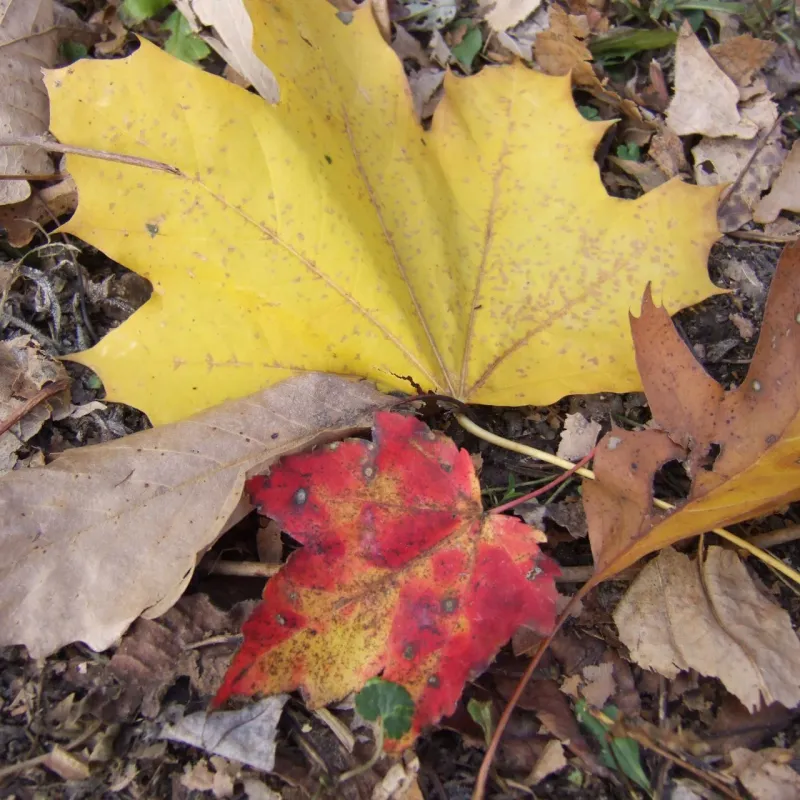
Fall is a handy prompt, not a magic season. The sources reviewed do not show that autumn is a special time to use coffee grounds in Florida.
What fall does bring is dry leaves, which make great browns for the pile.
Save your spent grounds, mix modest amounts into compost with those browns, and follow the UF/IFAS composting steps. Later, use the finished compost as one piece of a broader plan to build organic matter in sandy soil.
Your coffee habit will not fix your yard overnight, but it can quietly feed a compost pile all year.