
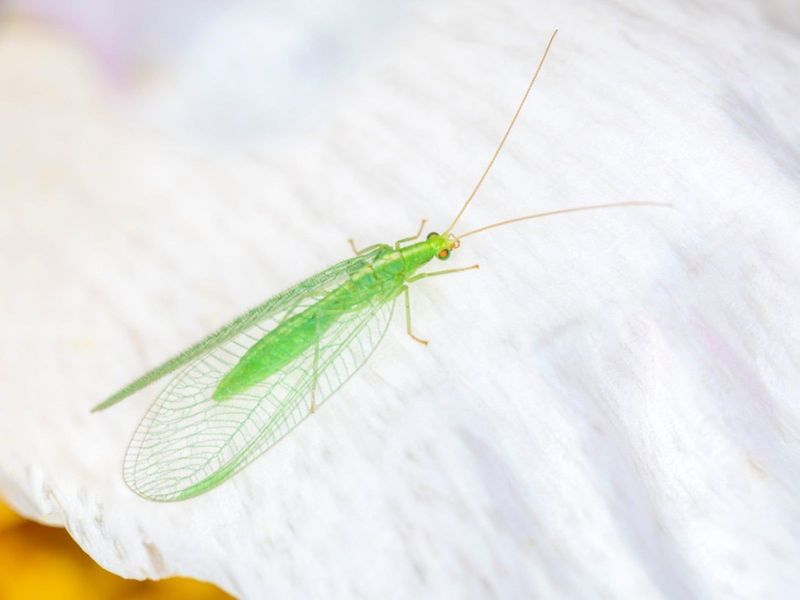
Tiny green lacewings get plenty of credit for eating rose pests, but only part of their life cycle does the hunting. Where they spend the winter is also less settled than many garden tips suggest.
If you grow roses in California, knowing the difference can save you needless work and needless worry. Here is what is known, what is not, and how to keep your garden safe from fire too.
Which lacewing stage actually eats rose pests?
Picture a lacewing and you probably see the delicate green adult with lacy wings. That adult is not the main hunter.
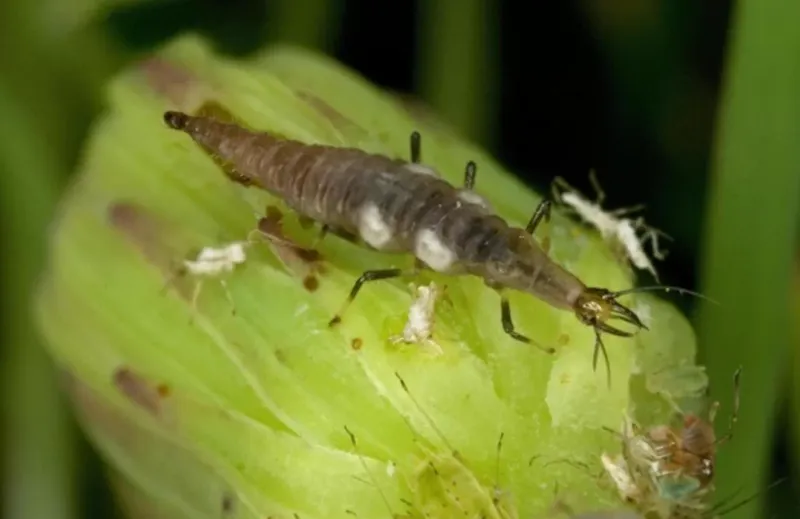
The stage that does the heavy lifting is the larva, a small, spiky, alligator-shaped crawler that goes after prey.
According to UC IPM, lacewing larvae eat aphids and other small, soft-bodied prey, including mealybugs. They grab victims with hollow jaws and feed on them.
Because the larvae are so small, you may walk past them for weeks without noticing.
Adults are a different story. Many green lacewings feed mainly on nectar, pollen, and honeydew, the sticky liquid aphids leave behind.
So an adult fluttering around your roses is not necessarily eating aphids. It may simply be sipping from a flower or a sugary leaf.
Why does this matter? Because it changes what you look for.
If you want to know whether lacewings are helping, check your rose buds and new shoots for larvae among the aphids rather than counting adults. A hand lens helps a lot.
Other extension sources, such as UF/IFAS, describe the same split: predatory larvae, adults tied to plant foods. Keep that in mind as we look at winter, when each life stage faces a different set of challenges.
California rose aphids are often a seasonal, manageable problem
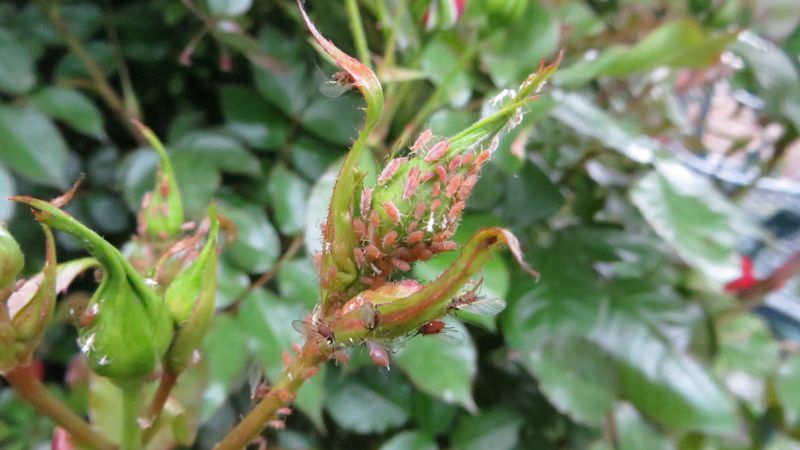
Spot a crowd of aphids on a fresh rose bud and it is easy to panic. Take a breath.
UC IPM says aphids are common on California roses, but low to moderate numbers usually do little damage.
Timing helps too. In most California areas, aphids are a major rose problem for only about six weeks, in spring and early summer.
Then summer heat tends to knock their numbers down on its own.
That window is when new growth is soft and juicy, which is exactly what aphids love. You may see curled leaves, sticky shiny residue, or distorted buds.
Ants marching up the stems are another clue, since they feed on the same sticky honeydew.
A practical way to size up the problem is to check a few canes once or twice a week. Look at the growing tips and the undersides of leaves.
A few clusters here and there are normal. Heavy coverage on most shoots is a sign to act.
Knowing the calendar keeps your expectations realistic. You are not facing a season-long battle.
You are riding out a short spike, and the plant usually shrugs most of it off. That perspective makes the monitoring and gentle steps later in this article feel much easier to manage.
Where lacewings spend winter depends on species and climate
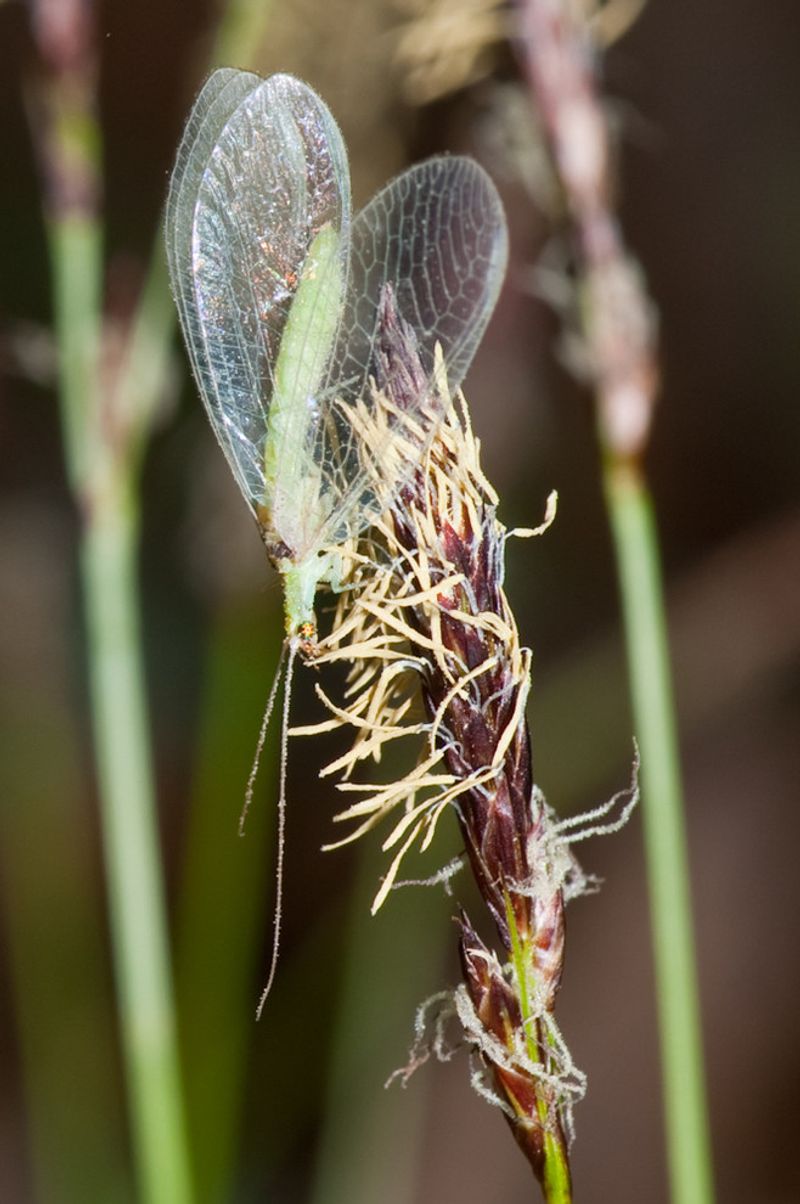
Lacewing winters are not one-size-fits-all. Green lacewings include several species, and their life cycles change with local climate.
UC IPM reports that in places without cold winters, all life stages may occur throughout the year. That means you could find eggs, larvae, cocoons, or adults in different months.
It does not mean they are active nonstop, since cooler weather and food supply still shape what happens.
In colder-winter areas, the pattern shifts. Overwintering is mostly by inactive larvae or pupae inside silken cocoons, often in bark crevices or other protected places.
Adults can overwinter too, in some species. Cornell describes two species that spend winter as adults, usually in leaf litter at field edges, while their pupae form cocoons in hidden spots on plants.
That is a documented example for those species, not a rule for every lacewing in California.
Other regional sources, such as Texas A&M, also show that details differ from place to place. A tip written for a cold northern field may not fit a mild coastal yard in San Diego or a hot Central Valley backyard.
The takeaway for your garden: be cautious about any single claim of where lacewings hide in winter. Species and climate decide, and California has plenty of both.
Does fall cleanup remove California lacewing hideouts?
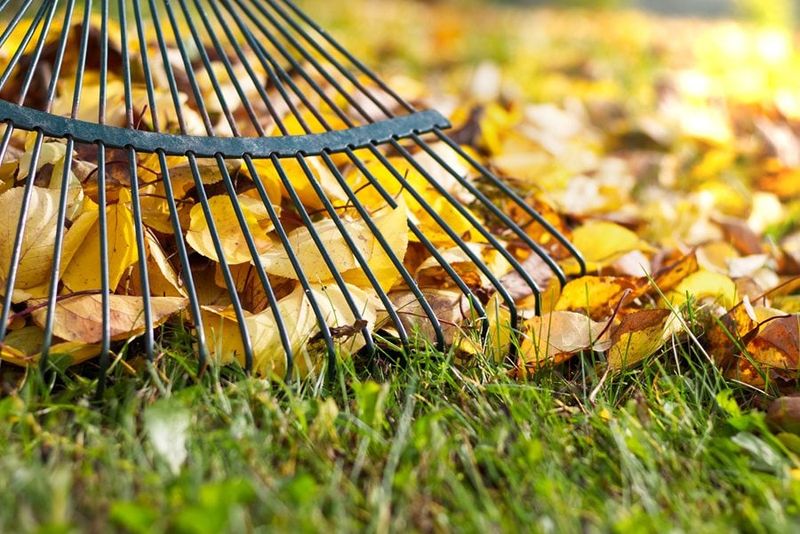
The popular claim goes like this: tidy up in fall and you throw away the lacewings’ winter homes. It sounds neat, but it goes further than the facts allow.
Debris can shelter insects in general. Leaf-litter overwintering is documented for certain species, as Cornell notes.
Still, nothing in the sources reviewed shows that leaf litter or dead rose stems are the usual winter refuge for lacewings in California rose gardens. Nor has cleanup been shown to reduce California lacewing numbers.
A cocoon is another point of confusion. It is the pupal shelter, the spot where a larva transforms into an adult.
UC IPM says larvae pupate on plant surfaces or under loose bark, and in colder climates cocoons in bark crevices or other protected places are common overwintering sites. So a cocoon is not automatically a winter home.
Some advice does encourage leaving debris. University of Minnesota Extension suggests keeping some dead leaves as overwintering habitat.
That is general advice from a cold-winter state, and it does not mean keeping every leaf and stem everywhere.
A sensible middle path is to skip needless, sweeping cleanup in safe garden areas, such as a corner bed away from the house. Leaving some spots alone costs little, but it carries no guarantee for lacewings.
Keep defensible-space priorities ahead of insect habitat

Wildfire safety comes first, and no bug-friendly idea should override it. Think of your yard in two zones: spots where you can relax your cleanup, and spots that must stay clear.
CAL FIRE advises removing dead plants and debris from roofs, gutters, decks, porches, and the area under parts of the home. Dry leaves and dead stems in those places can catch embers and carry fire to the structure.
Never leave dry material there for insects.
Safe areas for a lighter touch are limited. Think of a garden bed well away from the house, where you might skip raking every last leaf or cut back a few stems later.
Even there, local rules still apply.
Requirements differ by city, county, and fire hazard zone. Before you decide what to leave, check your local fire department or county website for the defensible-space rules that cover your property.
Inspectors can tell you how far from the house plants must be thinned, how tall grass can grow, and when to finish the work.
A simple routine works well: clear roofs and gutters first, sweep decks and porches, check under any raised structures, then think about the rest of the garden. If you are unsure whether a spot is safe, clear it.
A tidy edge near your home protects far more than a leaf pile ever could for insects.
Monitor aphids before reaching for a spray
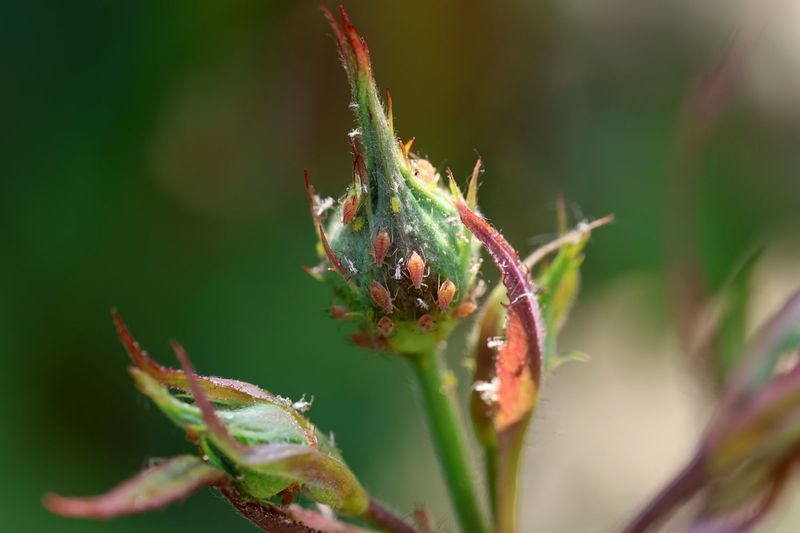
Start with a close look rather than a spray bottle. Check rose tips and buds every few days in spring, and note whether aphid clusters are growing or shrinking.
Many outbreaks fade without help.
When numbers climb, UC IPM suggests a forceful water spray early in the day. It knocks aphids off and often supplements natural control.
Early timing lets leaves dry before evening.
UC IPM also advises avoiding broadly toxic insecticides in most gardens, because they can harm natural enemies such as lacewing larvae, lady beetles, and parasitic wasps. Killing the helpers can let aphids rebound faster.
Releasing purchased lacewings is not a dependable fix either. UC IPM reports that research trials have not shown significant control from lacewing releases against rose aphids.
If you want to try soap or oil, read UC IPM’s aphid guidance first. It cautions against treating water-stressed plants and against spraying when temperatures exceed 90°F.
Test a small area for plant sensitivity, wait to see if leaves react, and follow the product label closely.
Water your roses well before any treatment, and plan sprays for cooler mornings. Used sparingly and only when needed, these low-impact steps keep the pest in check while leaving helpful insects in place.
Make room for beneficial insects without making guarantees
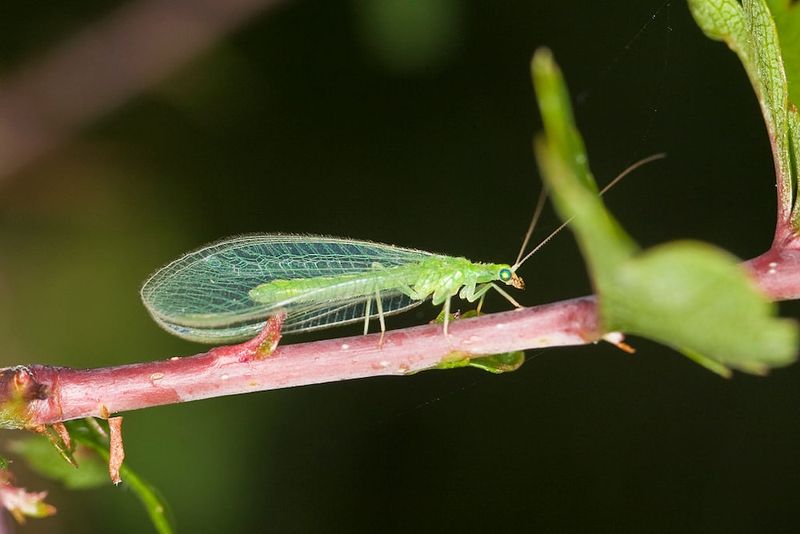
Skip needless disturbance where it is safe, keep required defensible space clear, and handle rose aphids with monitoring and gentle steps. Those habits may support beneficial insects, as UC IPM describes for lacewings, but they cannot guarantee lacewing survival or aphid control.
Aphids on roses are a short spring chapter, as UC IPM notes. A lacewing larva may help, but the garden does the rest.