
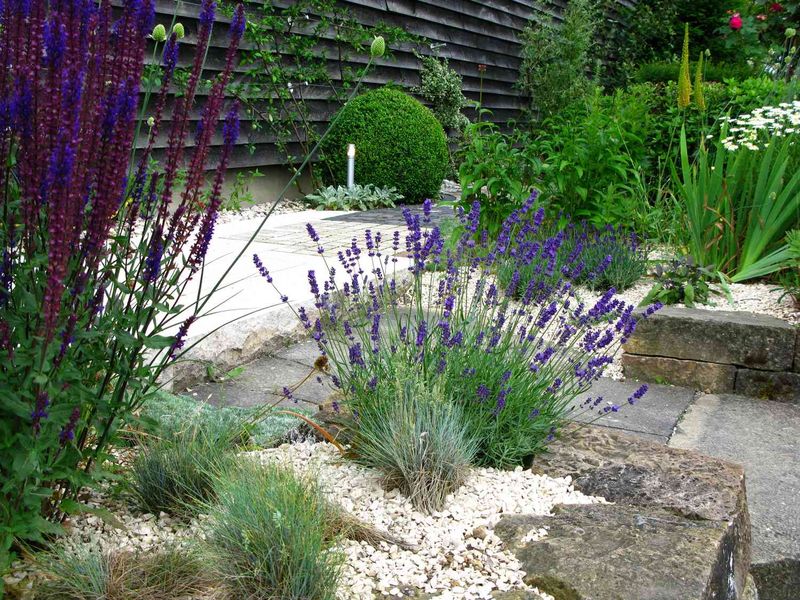
You look at your lavender and notice the bottom looks like a pile of gray sticks, with leaves only clinging to the tips. That bare, woody base is a sign the plant is aging, and it creeps upward a little more each year if nobody steps in.
In hot, humid places like Texas and Florida, the problem can show up even faster because wet roots and summer stress wear lavender down. The good news is that a few simple fall chores can slow the woodiness and help your plant stay full and fragrant.
1. Make a Light Fall Trim Above the Wood
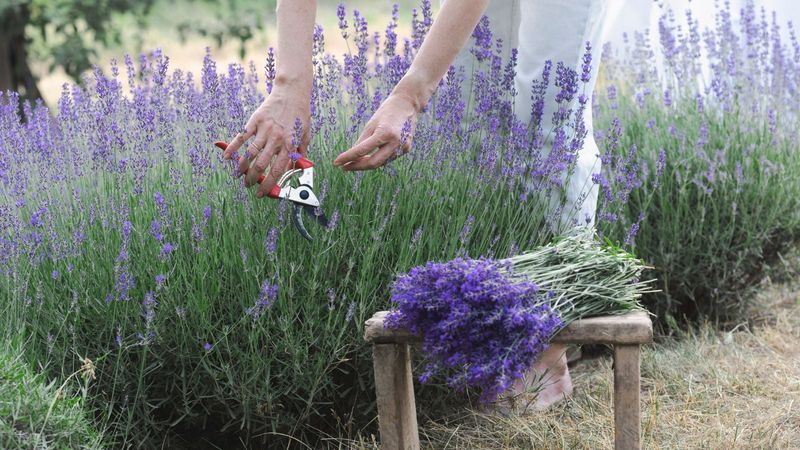
Picture a haircut, not a buzz cut. Lavender grows new leaves on green, soft stems, but old woody stems rarely sprout again once cut bare.
Chop into that gray wood and you may leave a stump that never greens up.
In early fall, after the last flowers fade, trim each stem back by about one-third. Always leave at least two or three sets of leaves below your cut.
Shape the plant into a soft mound so sunlight reaches the inner stems, which can encourage fresh growth lower down.
Across much of Texas and the Gulf Coast, late September through October usually works well because the brutal heat has eased. In Florida, an early fall trim also opens the plant up before any wet winter spells.
Skip heavy pruning late in the season in colder parts of North Texas, since tender new shoots may get nipped by an early freeze.
Clean, sharp bypass pruners make the job easier and leave neater cuts. Wipe the blades with rubbing alcohol between plants to help reduce the chance of spreading disease.
A yearly trim like this often keeps lavender compact for many more seasons instead of letting it sprawl open and woody.
2. Clear Out Dead Wood and Debris from the Center
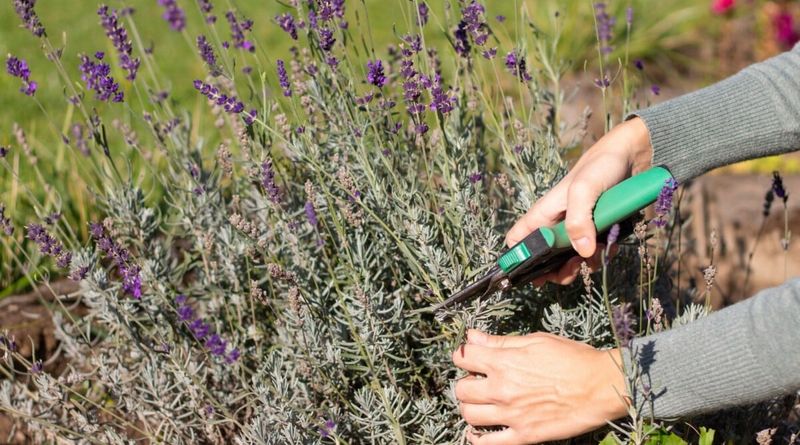
Peek inside an older lavender and you will often find a tangle of brittle, leafless twigs. Those dead stems trap moisture and shade the center, and in muggy Southern air that is a recipe for rot.
Clearing them out gives the living stems room to breathe.
Gently bend each stem. Live wood flexes a little and shows green or pale tissue when scratched with a fingernail.
Dead wood snaps and looks brown or gray all the way through, so cut it off right at its base.
Next, rake away fallen leaves, old flower heads, and soggy mulch piled around the crown. Gardeners in Houston, Tampa, and other humid spots often see lavender collapse from fungal problems that start in that damp layer.
Keeping the base clean can lower that risk, though it is no guarantee.
Fun fact: the name lavender likely traces back to the Latin word lavare, meaning to wash, since Romans scented their bathwater with it. Your plant prefers its own feet dry, though.
A tidy, airy center sets up the next steps and makes it easier to spot trouble before it spreads through the whole clump.
3. Fix Drainage with Gravel Mulch, Not Wet Bark
Soggy roots are lavender’s worst enemy. The plant comes from rocky, sunny Mediterranean hillsides, so heavy clay soil in Texas or sandy-but-wet Florida beds after a tropical downpour can stress it fast.
Stressed lavender tends to drop lower leaves and turn woody sooner.
Pull any thick bark or wood mulch back several inches from the stems. Bark holds water against the crown, which can invite rot.
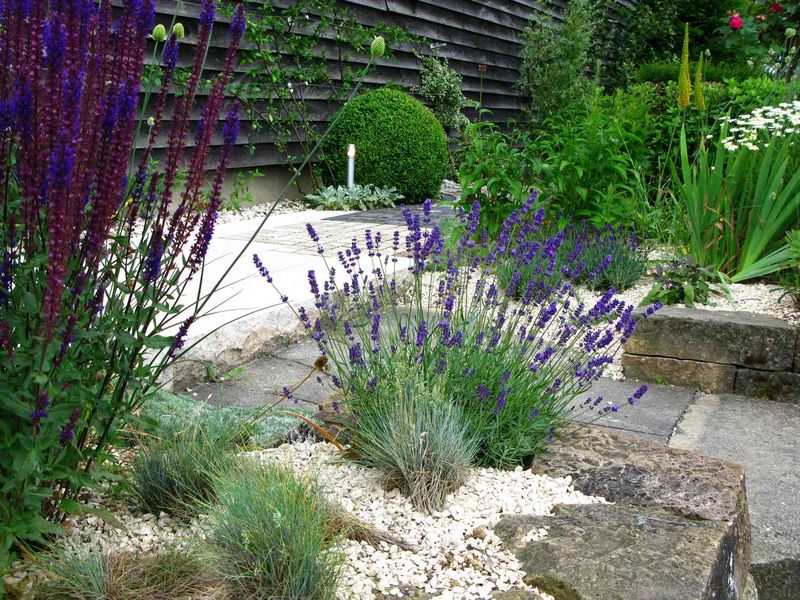
Replace it with a thin layer of pea gravel, crushed granite, or light-colored stone, which drains quickly and reflects warmth up into the plant.
If water puddles around your lavender after rain, consider lifting the bed. A raised mound of six to eight inches mixed with coarse sand or expanded shale often helps a lot.
Container growers should check that drainage holes are open.
Fall is a smart time for this switch because cooler weather is easier on disturbed roots. Go easy on fertilizer too, since rich, overfed soil pushes floppy growth that splits open and exposes bare wood.
Lean, fast-draining ground usually means tighter, healthier lavender come spring blooms.
4. Root New Cuttings to Replace the Oldest Plants
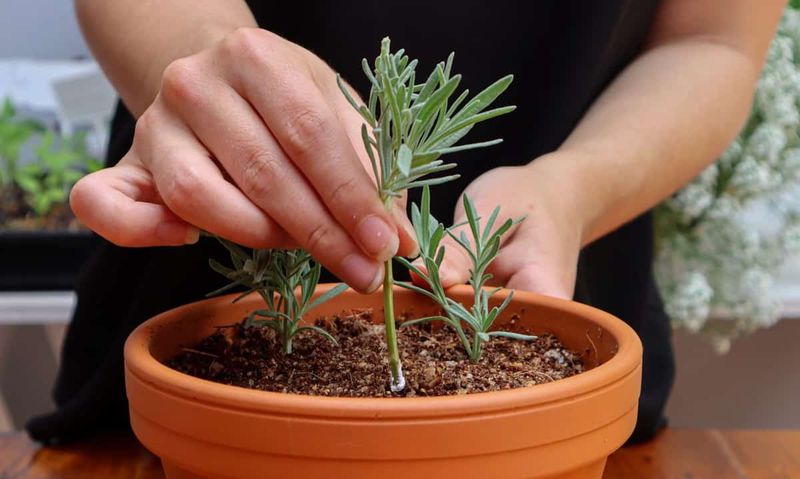
Sometimes a lavender is simply past its prime. After five to seven years, many plants have so much bare wood that no pruning will bring the base back.
Instead of mourning, let the old plant become the parent of a fresh batch.
Snip three to four inch pieces of healthy, non-flowering green tips in early fall. Strip the lower leaves, dip the ends in rooting hormone if you have it, and push them into a gritty mix of potting soil and perlite.
Keep them in bright shade and water lightly so the mix stays barely moist.
Roots usually form in three to six weeks. In mild Southern winters, many gardeners can plant the young starts out by late fall or hold them on a sheltered porch until early spring.
Varieties like Phenomenal and Goodwin Creek Grey are often recommended for heat and humidity, so they make great choices to propagate.
Once the new plants settle in, you can pull the woodiest old shrub without losing its scent or color in your garden. Think of it as a free, rolling refresh that keeps your lavender patch full year after year.