

You are pruning a hedge or pulling weeds when a sharp, burning pain hits your arm. In that moment, what you do next matters more than most people realize.
Most stings cause only local pain, but a few can turn serious fast. Here is a calm, step-by-step plan you can follow right in your Florida yard.
Move away from the insect before assessing the sting
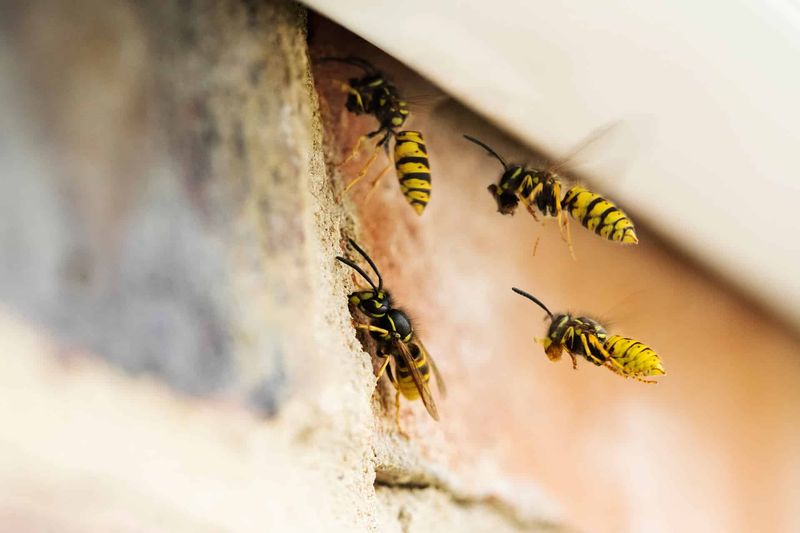
Step one happens before any first aid: get out of the area. Walk away from the shrub, bed, or spot where the sting happened, and keep your movements steady.
Swatting or flailing can provoke more stings, so skip it.
Wasps and yellowjackets can sting more than once, unlike honeybees. That is why distance matters more than anything else in the first seconds.
According to American Heart Association and Red Cross first aid guidelines, these insects generally do not leave their stingers behind and can sting again.
You may not know which insect got you. It could be a paper wasp, a yellowjacket, or another stinging insect.
The same first steps apply either way, so there is no need to identify it before you act.
Once you are clear of the spot, head toward a shaded area or indoors. If a child or another helper was working nearby, bring them along too.
Leave tools and the half-finished trimming job where they are for now.
Now you can look at the person who was stung, whether that is you or someone else. Check how they look and how they are breathing before anything else.
The next section explains exactly what to look for.
Recognize signs of a serious allergic reaction
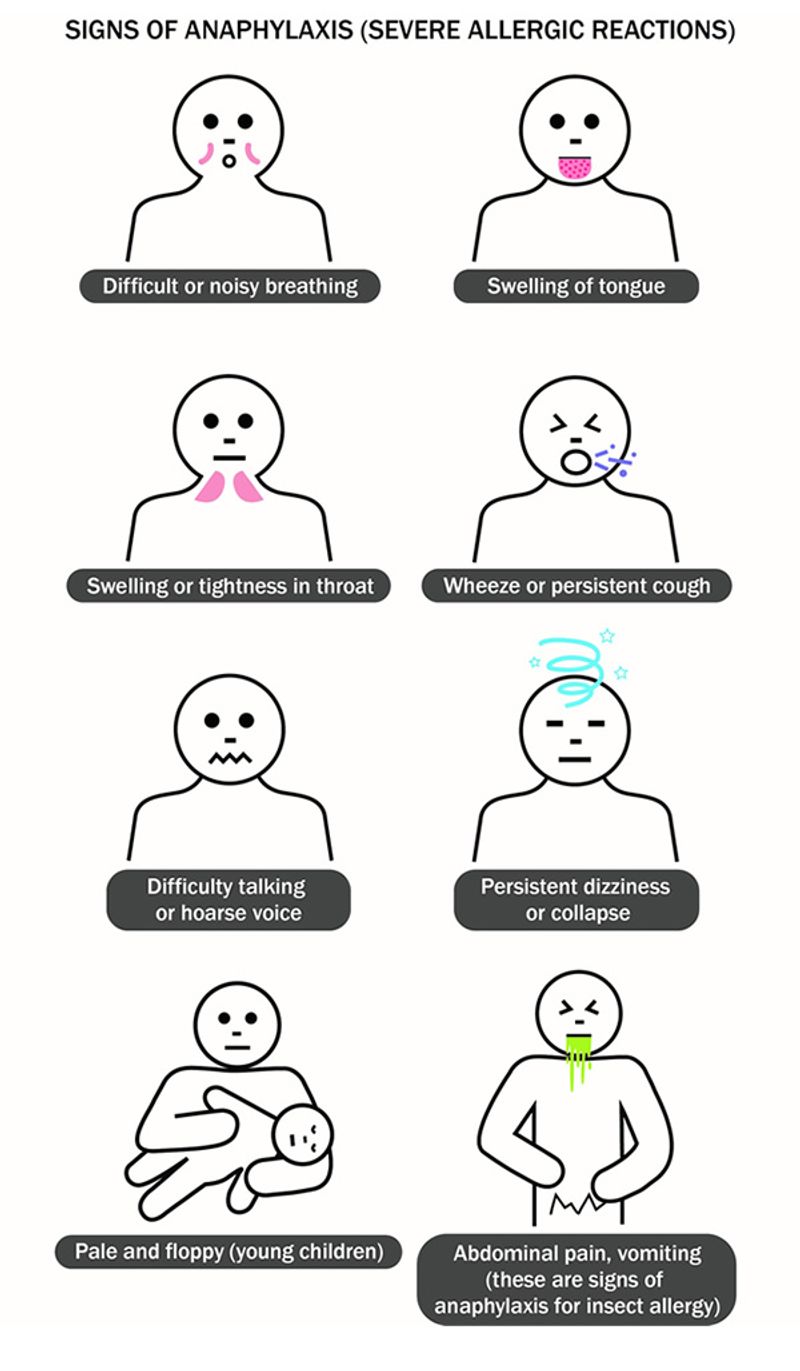
Once you are safely away, scan for warning signs that reach beyond the sting itself. Trouble breathing is one.
Swelling of the lips, tongue, face, or throat is another. Dizziness or fainting, widespread hives, and vomiting or diarrhea round out the list.
The key idea is location. Pain, redness, and swelling right at the sting site are a local reaction.
Symptoms in other parts of the body, such as hives on the chest when the sting was on the hand, point to a reaction that affects the whole system. The American Academy of Allergy, Asthma & Immunology describes these body-wide symptoms as signs of a possible allergic reaction to stinging insects.
Do not wait until several symptoms pile up. Mayo Clinic advises calling 911 for a serious reaction even when only one or two of the listed symptoms are present.
A person might say their throat feels tight, their voice sounds odd, or they feel suddenly faint. Treat those comments as real.
A quick look at skin, lips, and breathing takes only a few seconds.
People can react this way even if they have been stung before with no problem. If anything on the list shows up, move straight to the emergency steps in the next section.
Use epinephrine and call 911 for possible anaphylaxis
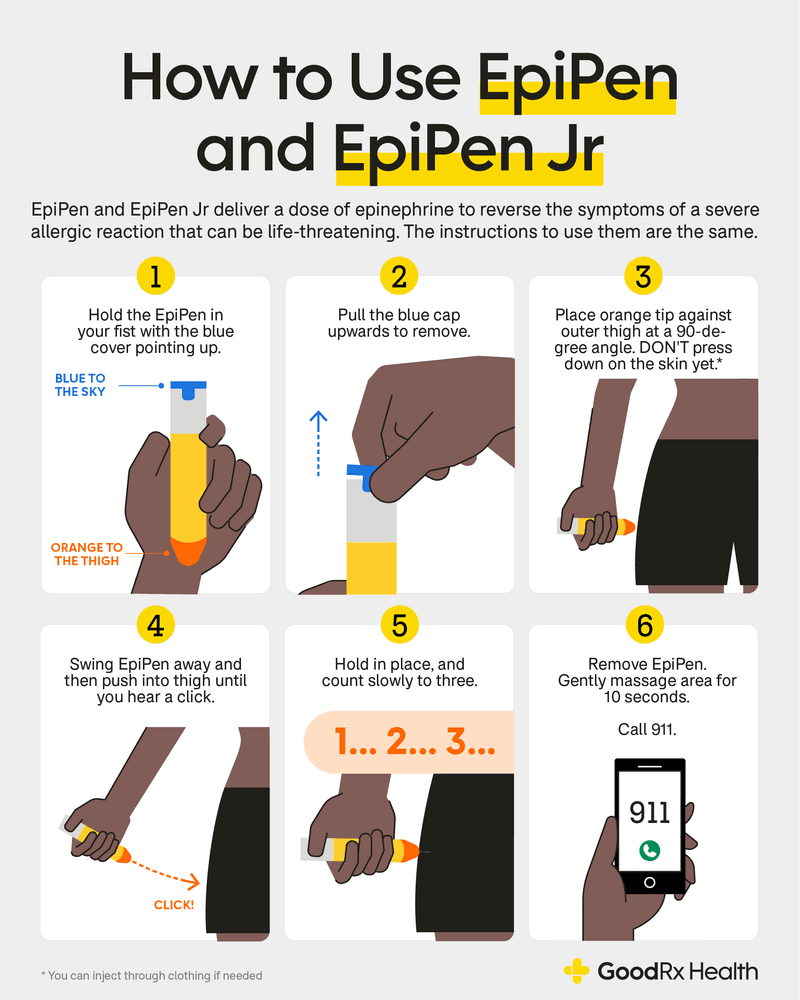
Acting fast is the whole point here. If the person has an epinephrine autoinjector, use it right away following the device instructions.
Then call 911, or have someone else call while you stay with the person.
Epinephrine is the first-line treatment for anaphylaxis. An antihistamine pill is not a substitute, and it should not be used in place of epinephrine or a call for help.
The 2024 American Heart Association and Red Cross guidelines point to epinephrine as the key emergency treatment.
Emergency care is still needed after the injection. The medicine can wear off, and symptoms can come back, so the person should be checked by medical professionals even if they start feeling better.
Mayo Clinic’s first aid advice also stresses getting emergency help for a serious reaction.
While you wait for responders, help the person stay still. Tell the dispatcher it is a sting reaction and what symptoms you see.
Stay close and watch their breathing until help arrives.
If the person does not have an autoinjector, do not delay the 911 call to look for one. Dispatchers can guide you through the next steps.
Treat a reaction that stays near the sting
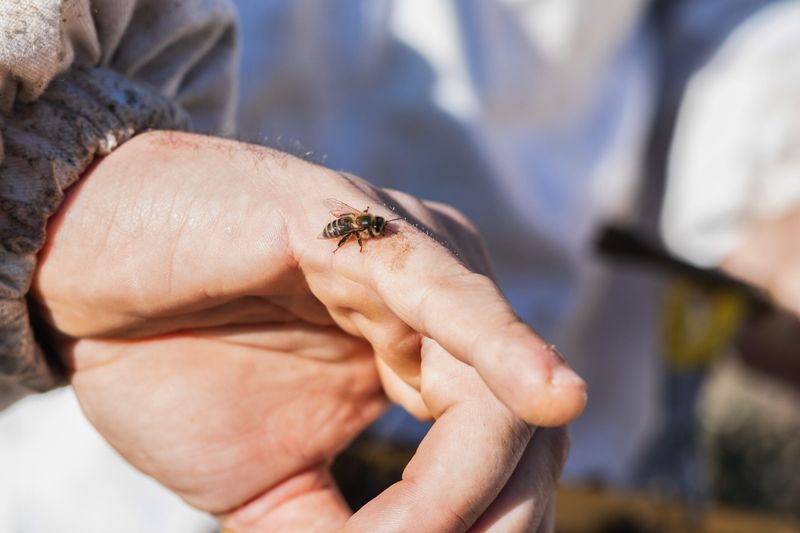
If there are no body-wide warning signs and symptoms stay at the sting spot, home care is simple. Check the skin for a stinger.
Wasp and yellowjacket stingers generally do not stay embedded, but if you can see one, remove it promptly by scraping or plucking. Either method works, so do not waste time hunting for the perfect tool.
Next, wash the area with soap and water. Then apply a cold pack wrapped in a thin cloth to ease pain and swelling.
The cloth protects your skin from the cold, and you can follow the American Heart Association and Red Cross guidance on this basic routine.
For lingering pain, an over-the-counter pain reliever may help if it is appropriate for that person. Check the label and any health conditions first, and ask a pharmacist or doctor if unsure.
For itching, an oral antihistamine or a topical steroid cream might help some people, though research on sting-specific itch treatments is limited.
Skip household pastes and similar folk remedies. There is no solid proof they neutralize venom, and they can irritate the skin.
MedlinePlus sting care advice sticks to cleaning the area, cooling it, and watching for changes.
Keep an eye on the person for the next several hours. If anything on the serious symptom list appears, switch to the emergency steps right away.
Local swelling can grow without indicating anaphylaxis
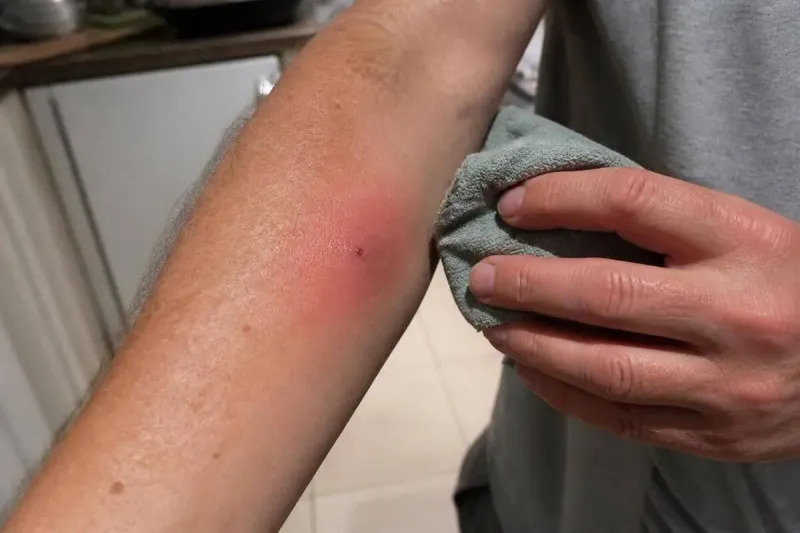
A swollen, sore sting site on day two can look alarming. Even so, swelling that stays around the sting can keep growing for a day or two and may take several days to fade.
That pattern is common with local reactions and does not mean something has gone wrong.
The stinging insect practice parameter from allergy specialists notes that large local reactions can enlarge over 24 to 48 hours and may resemble infection. Swelling alone does not prove infection, and it does not prove anaphylaxis either.
The difference is where symptoms show up. Trouble breathing, faintness, or hives spreading across the body are signs of a broader reaction, which allergy experts describe as needing urgent attention.
If those appear, treat it as an emergency.
Keep using cold packs wrapped in cloth, and try to rest the stung limb. A good habit is to look at the area morning and evening and note whether the person feels well overall.
Reach out to a doctor or pharmacist if you feel worried, if the swelling keeps spreading beyond a few days, or if you simply feel something is off. Trust your instincts, and get advice rather than guessing.
Certain sting locations and multiple stings need medical attention
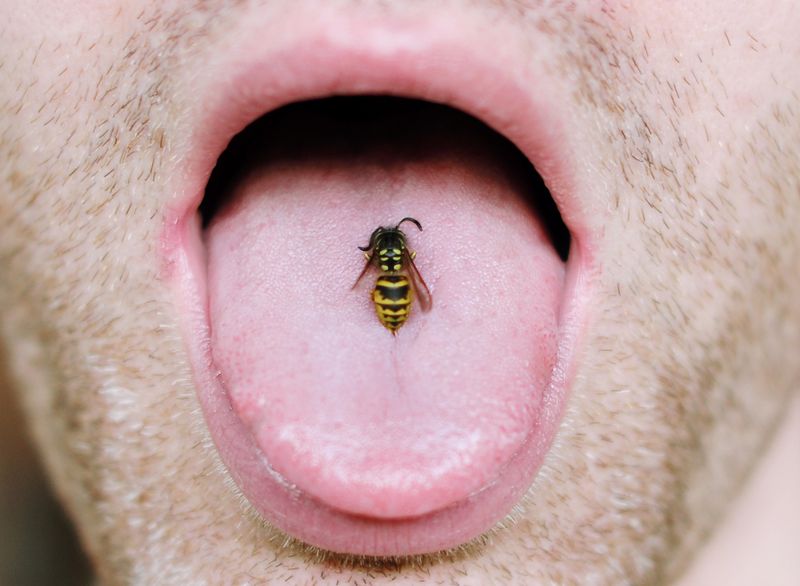
Where the sting lands changes the plan. A sting to the eye should be assessed by a medical professional, even if the pain seems manageable.
Eyes are delicate, and it is better to have them checked than to wait and see.
A sting inside the mouth or throat calls for urgent medical advice. Swelling in those spots can threaten the airway, which is why it should not be handled as an ordinary sting.
MedlinePlus guidance lists these locations among the situations needing prompt medical help.
Multiple stings matter too. Many stings at once can cause serious harm even in someone with no allergy.
American Heart Association and Red Cross guidelines describe fatal massive envenomation as a real, if uncommon, danger.
Do not try to pick a magic number of stings that counts as safe. The totals quoted for the most extreme cases are not thresholds for deciding when to call.
If someone has been stung several times and seems unwell, or you are unsure, get advice.
Staying calm and moving quickly are the best tools you have. Garden jobs can wait, but a stung eye or throat cannot.