
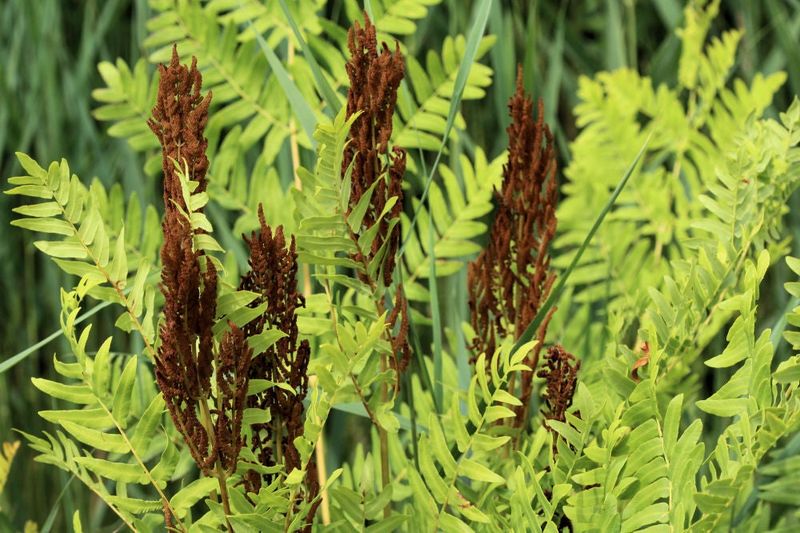
If you have ever watched deer mow your hostas down to bare stems overnight, you know the frustration of gardening in North Carolina shade. Native ferns offer a smarter fix, since they thrive under oaks and pines, spread into lush green carpets, and rarely tempt hungry deer.
They also give frogs, salamanders, ground-nesting birds, and other local wildlife a place to hide and rest. Here are ten tough, beautiful ferns that grow wild across our state and can turn your darkest corners into something special.
1. Christmas Fern
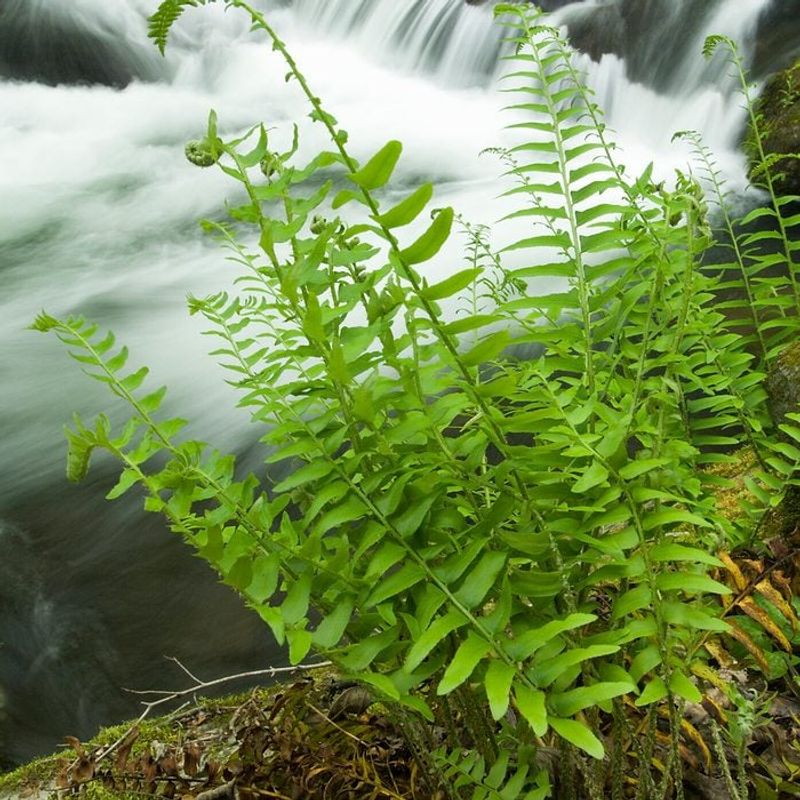
When January turns the rest of the yard brown, Christmas fern is still standing there, glossy and green. Early settlers cut its fronds for holiday decorations, which is how it earned the name.
Look closely at a single leaflet and you will see a tiny bump at the base shaped like a Christmas stocking.
Across the Piedmont, coastal plain, and mountains, this fern grows in neat clumps instead of running wild. It handles dry shade under oaks better than most ferns, and its tough, leathery fronds rarely interest deer.
That makes it a natural swap for hostas along shady foundations and walkways.
Plant it about 18 inches apart on slopes where its roots can help hold soil in place. Once established, it may need little more than an occasional deep watering during summer dry spells.
2. Cinnamon Fern
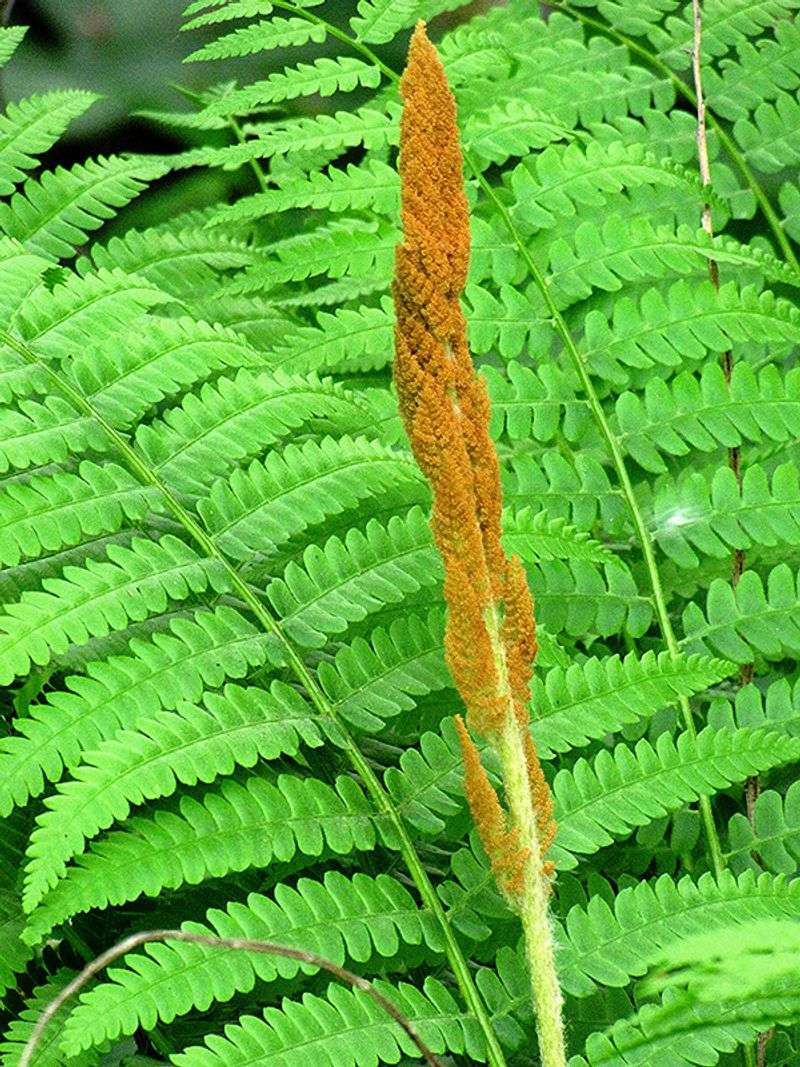
Picture a fountain of green fronds reaching four feet tall, with fuzzy, rust-colored spikes shooting up from the middle in spring. That is cinnamon fern in its glory.
Those brown stalks hold the spores, and they look a lot like cinnamon sticks.
Soggy, shady spots that drown most perennials are where this fern shines. Think low corners of the yard, downspout drain areas, or the edge of a rain garden.
It grows wild in swamps and bogs from the coast to the mountains.
Hummingbirds have been known to collect the soft fuzz from young fronds to line their nests. Deer generally pass it by, so you can enjoy that big, bold look without wrapping it in netting.
3. Royal Fern
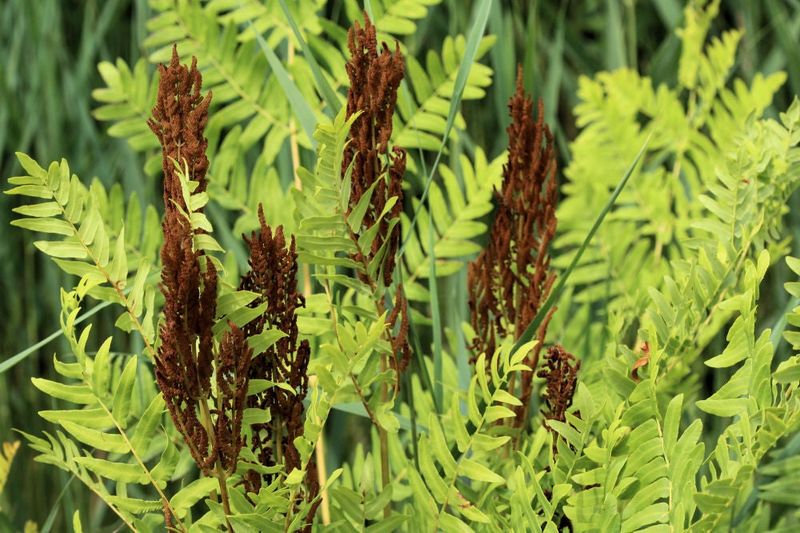
Royal fern does not look much like a fern at first glance. Its leaflets are wide and rounded, more like a locust tree than the lacy fronds most people expect.
In late spring, the tips of some fronds turn into clusters of golden-brown spores that look almost like flowers.
This one loves water. Along pond edges, ditches, and wet woodland borders in eastern North Carolina, it can form clumps five feet tall or more in rich, damp soil.
Fossils show royal fern relatives date back many millions of years, so this plant has survived far worse than a few deer. It also offers cool, moist cover where frogs and toads can rest, and those amphibians may help keep insect pests in check.
4. Southern Lady Fern
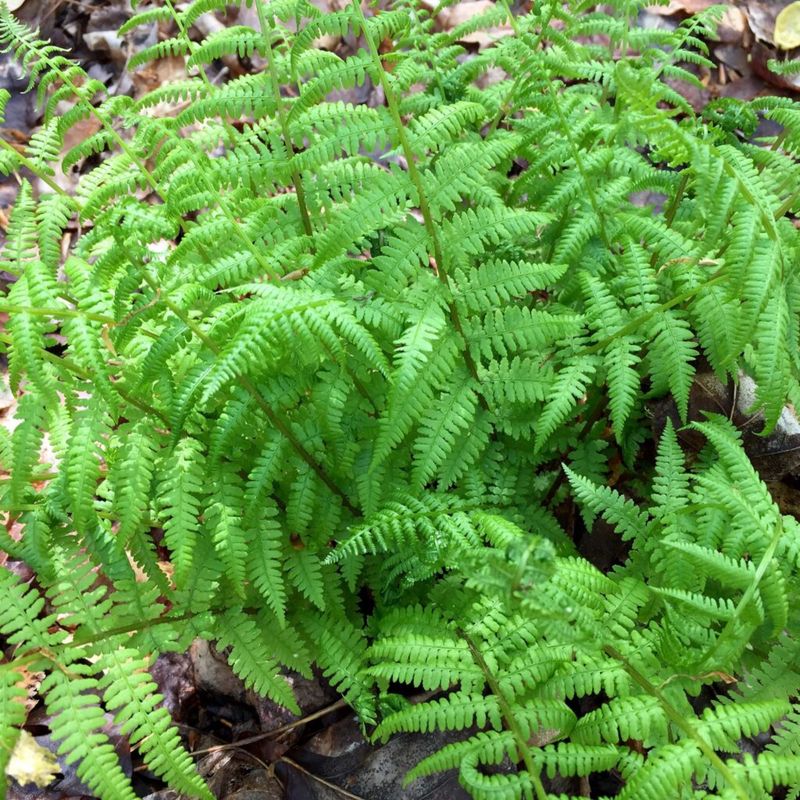
Soft, airy, and a little bit romantic, southern lady fern brings a lacy texture that hostas simply cannot match. Its finely cut fronds often sit on reddish stems that add a subtle pop of color.
Of all the ferns here, this is one of the easiest for beginners. It tolerates average garden soil, spreads slowly into wide patches, and fills gaps between shrubs without much help.
Fronds may look tired by late summer, especially in a dry year. Simply trim the worst ones and fresh growth usually follows when rain returns.
Deer tend to ignore it, which is a relief if you garden near woods in the Triangle or Triad.
5. Marginal Wood Fern
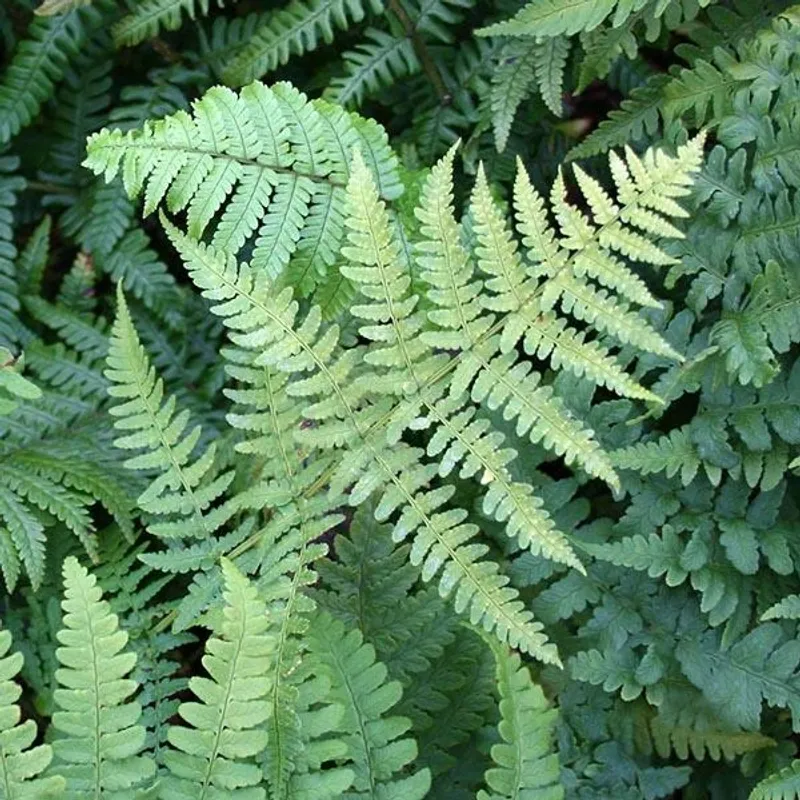
Got rocks? Marginal wood fern feels right at home tucked between boulders and along stone walls in the mountains and foothills.
Its leathery, blue-green fronds stay evergreen through most winters.
The name comes from the spore dots that line the very edges, or margins, of each leaflet. Flip a frond over in summer and you can spot them easily, a fun thing to show kids.
It forms a tidy vase shape and never runs, so it works well near patios and paths. Give it shade and decent drainage, and it can live for decades with almost no fuss.
6. New York Fern
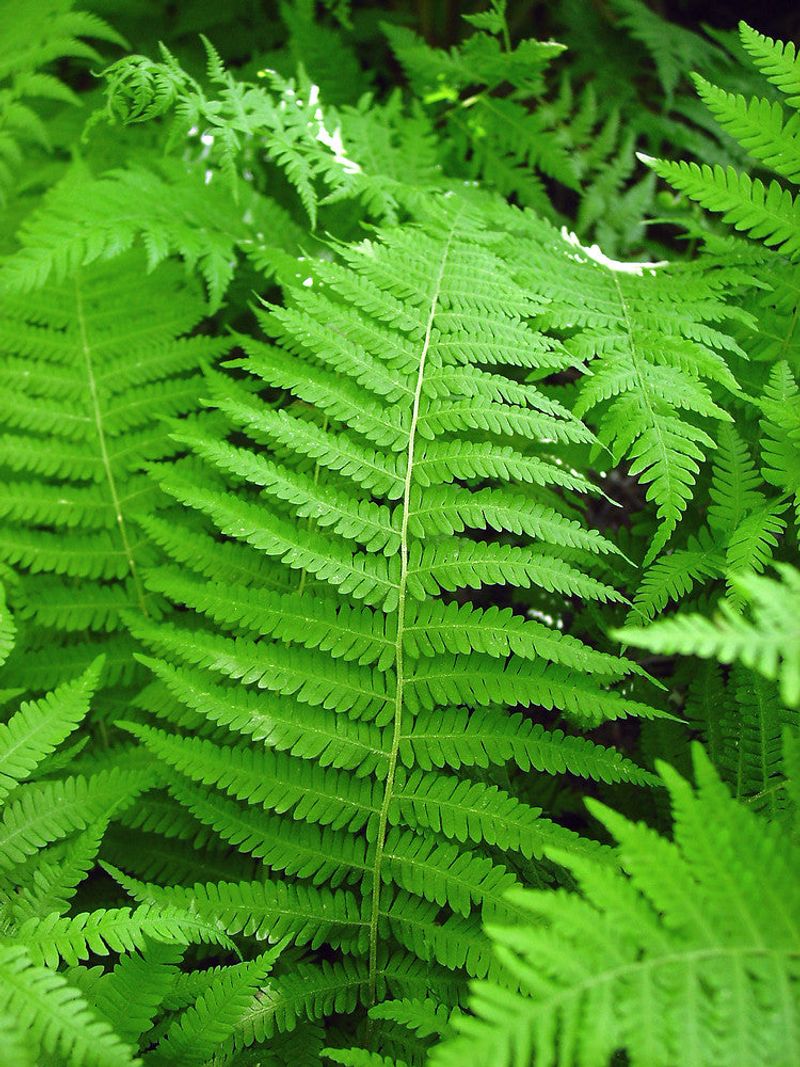
Despite its name, New York fern is all over the North Carolina mountains and Piedmont. It forms bright, yellow-green carpets across forest floors, and each frond tapers at both ends like a narrow diamond.
Here is the honest part. It spreads quickly by underground stems, so do not put it in a small, tidy bed.
Instead, use it as a living groundcover for big shady areas where grass will never grow.
That fast spread is exactly why it beats hostas in deep woods. A thick fern layer can shade out weeds, and deer rarely browse it.
For a wild corner of the lot, it may be the lowest-effort cover you can plant.
7. Ebony Spleenwort
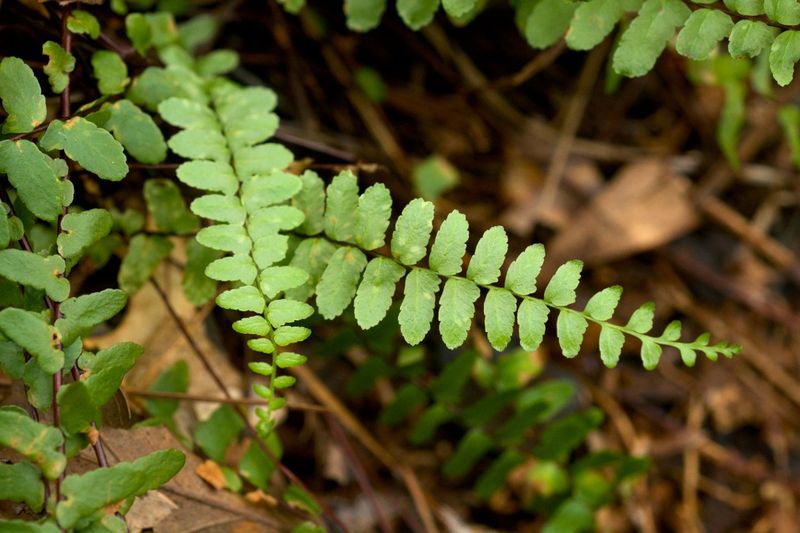
Small but mighty, ebony spleenwort grows only about a foot tall. Its narrow fronds rise on shiny, dark stems that look almost polished.
You will often find it growing wild in odd spots like old stone walls, rocky banks, and even mortar cracks. That toughness makes it perfect for dry shade where nothing else survives.
Use it as an edging plant along shady steps or in container groupings on a north-facing porch. Deer leave it alone, and it handles drought far better than its delicate look suggests.
8. Sensitive Fern
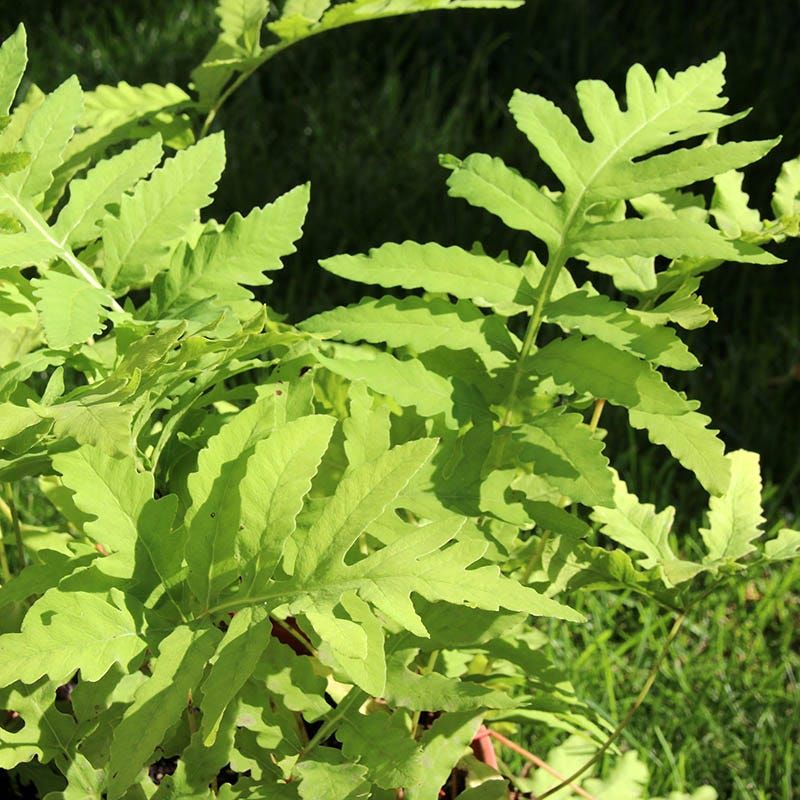
Early settlers noticed this fern wilting at the first touch of frost, which is how it got its name. Do not let that fool you, though.
In the heat of summer, it is one of the toughest ferns around.
The fronds are broad and coarse, giving a bolder look than lacy ferns. In fall, special stalks covered in dark beads appear and stay standing all winter, adding interest when everything else is bare.
Plant it in wet or average shade where you want quick coverage. It spreads at a steady pace and can help soak up runoff in soggy spots.
Deer typically skip it, likely because it can be mildly toxic to grazing animals.
9. Netted Chain Fern
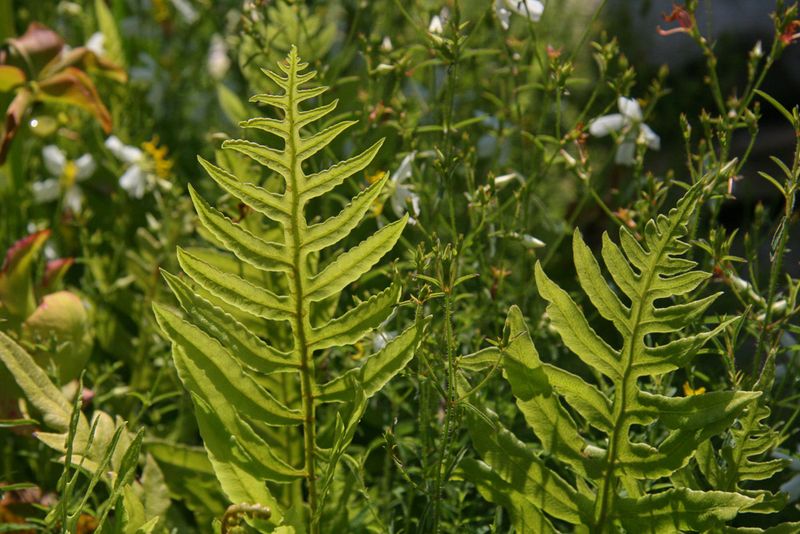
Coastal plain gardeners, this one is for you. Netted chain fern grows wild in the wet pine woods and swamps of eastern North Carolina, and it handles heat and humidity like a champ.
Its glossy fronds look a lot like sensitive fern, but the leaflets alternate along the stem instead of pairing up. It spreads by creeping roots, filling in damp low spots quickly.
Try it in rain gardens or soggy side yards. Pairing it with other natives can create a lush layer that shelters frogs, which can help reduce mosquito numbers near the house.
10. Maidenhair Fern
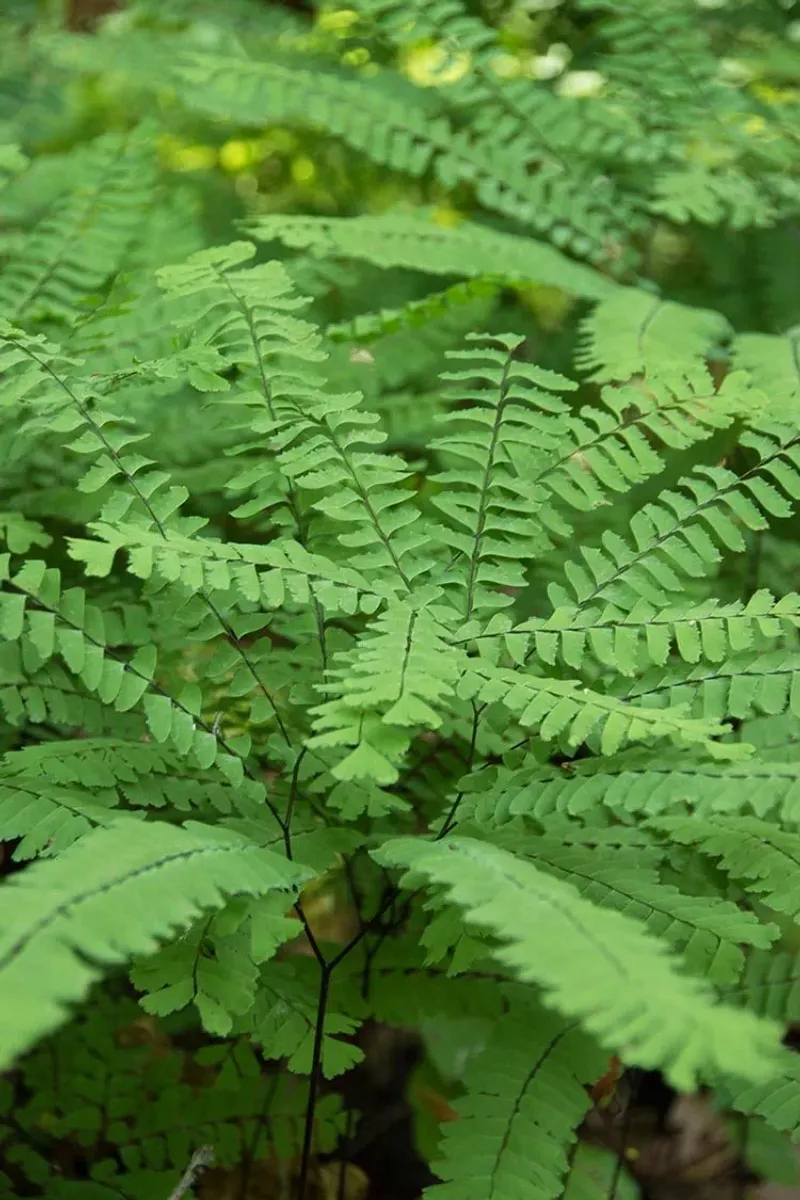
Save the showstopper for last. Maidenhair fern has fan-shaped fronds that swirl around wiry black stems, and the whole plant seems to float above the ground.
It prefers rich, moist soil with leaf litter, much like the coves of the Blue Ridge. In the Piedmont, give it a spot with morning sun at most and plenty of compost.
Plant it where you can see it up close, like beside a shady bench or path. Deer rarely bother it, and once settled, it slowly spreads into an elegant patch.
For a quick weekend project, swapping one tired hosta bed for maidenhair and Christmas fern is a simple start toward a more native, wildlife-friendly yard.