
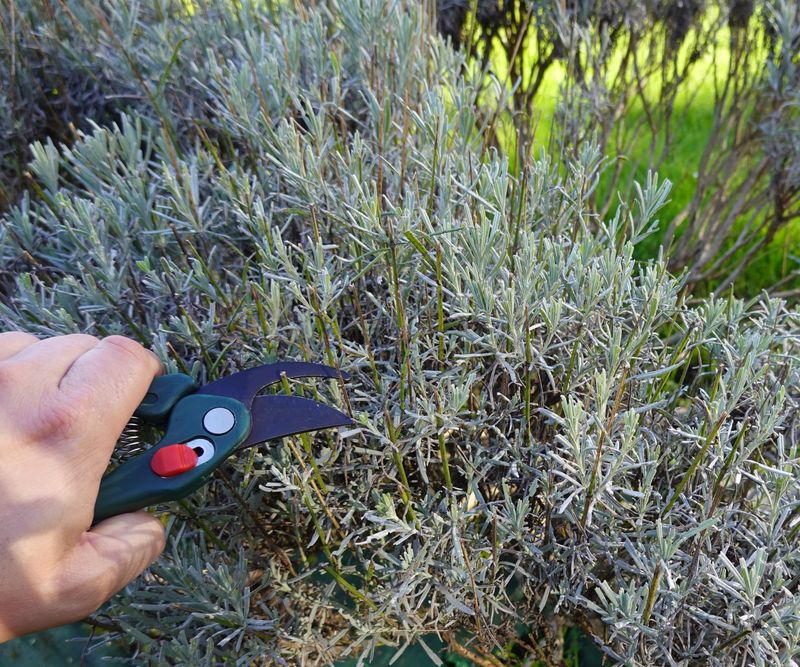
A few snips can keep lavender tidy, but one cut too deep can leave bare sticks that never fill back in. Many Southern gardeners worry about getting it wrong.
The good news is that a safe cut is easy to spot once you know what to look for. Here is how to find that spot and pick a pruning window that fits your yard.
A light trim supports shape, not guaranteed heavier blooms
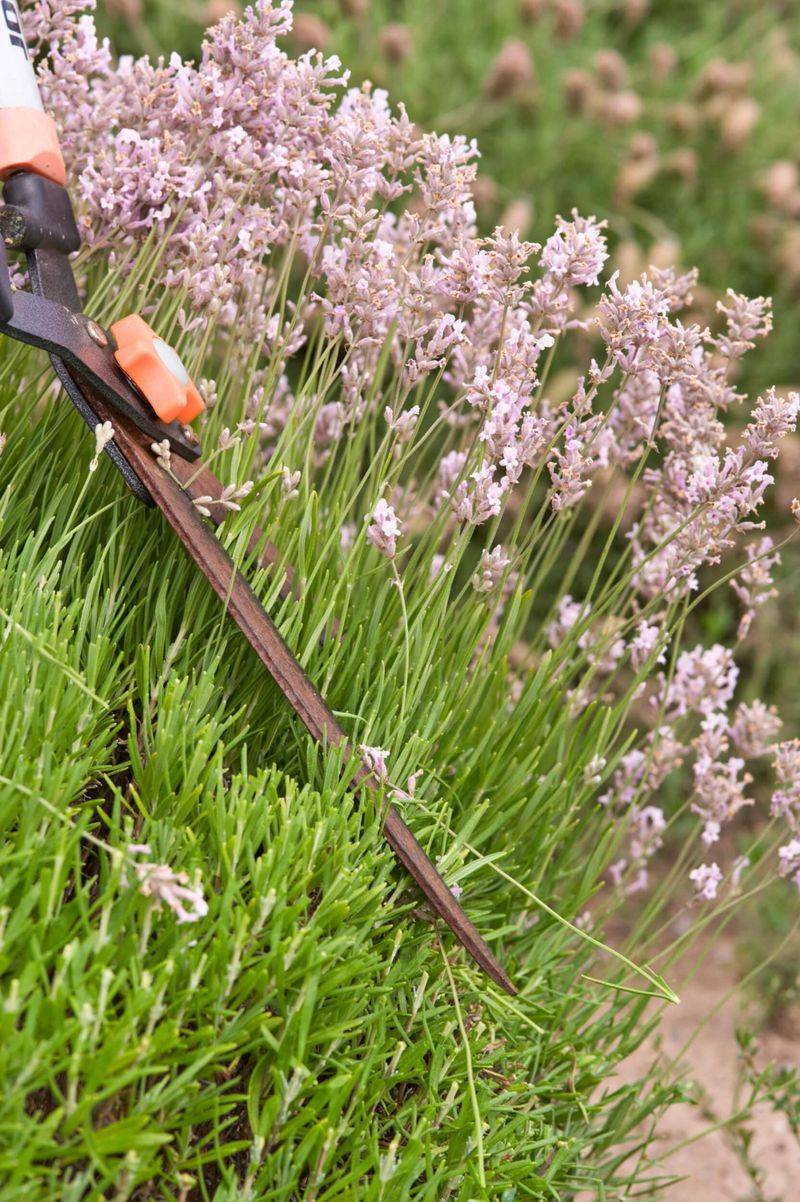
Plenty of garden tips promise that one well-timed cut will load lavender with flowers next summer. The guidance we checked does not back that up.
A fall cut is not a proven way to get a heavier display.
What regular, modest pruning does do is keep the plant compact. The Royal Horticultural Society advises removing spent flower stalks along with a little leafy growth, and University of Maryland Extension also describes pruning as a way to maintain shape.
Pruning after bloom may encourage another flush of flowers in some cases, but that is different from a guaranteed bigger show.
Think of pruning as upkeep that limits leggy, woody growth. Once you see it that way, the goal gets simpler.
You only need to learn where to cut and when your own climate makes sense for it.
Let local conditions and lavender type set the pruning date
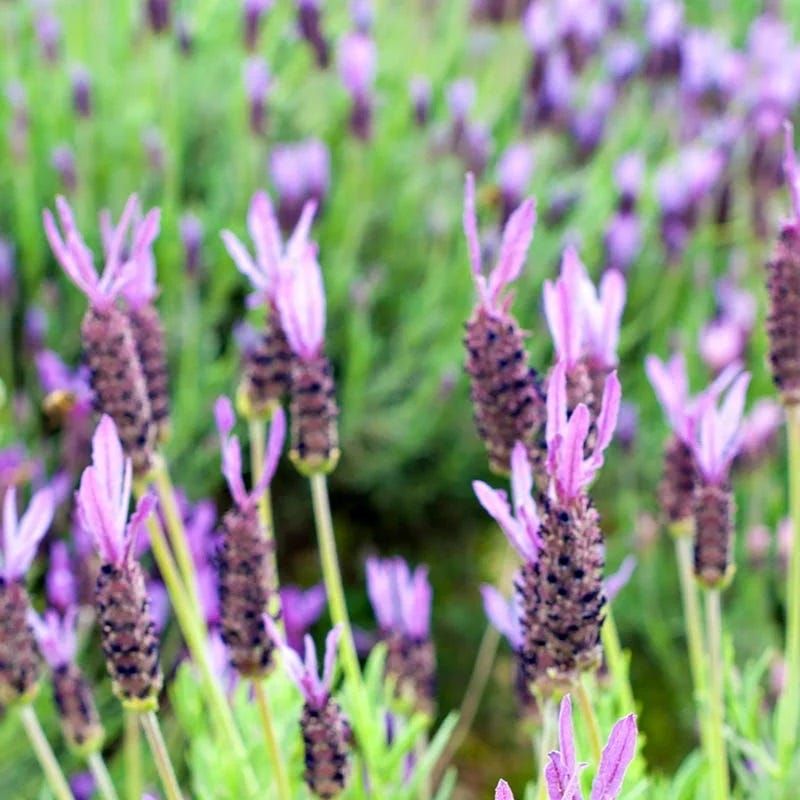
Ask three gardening sources when to prune lavender and you may hear three answers. The RHS recommends an annual trim in late summer just after flowering.
Illinois Extension advises against fall pruning in its colder setting and suggests waiting for spring growth.
UF/IFAS says English lavender can be pruned in early spring. So neither “always fall” nor “never fall” is a safe rule for everyone.
Weigh your winter conditions, when your plant flowers, and which type you grow. An Oklahoma extension answer about Spanish lavender recommends light pruning after flowering and warns against cutting into leafless stems.
That shows why one prescription will not fit every lavender. If you are unsure of your type, check the plant tag or ask your local extension office.
Follow each spent flower stalk down to leafy growth
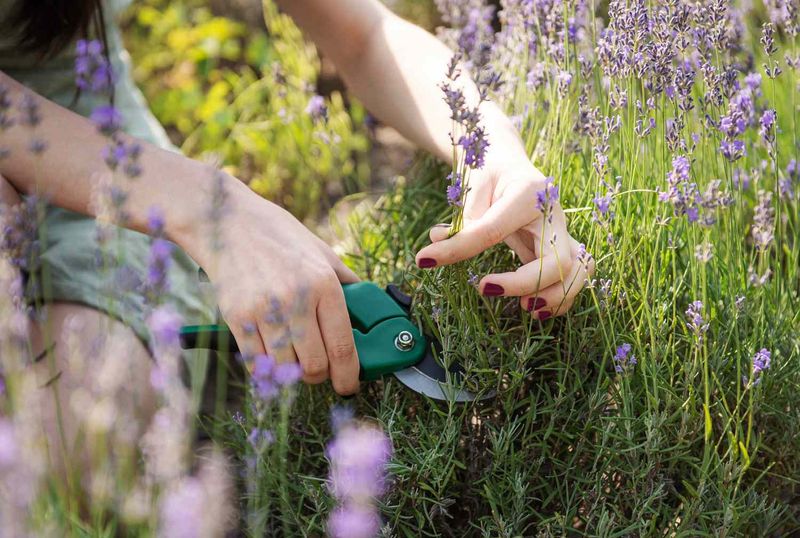
Here is the easy way to find your cutting point. Pick a faded flower stalk and run your fingers down the stem until you reach healthy leaves.
Make your cut while leaves are still there.
The RHS guidance says to remove spent stalks plus about 1 inch of leaf growth, as described in its lavender growing guide. That keeps the cut small and the plant covered in green.
Spring cleanup works a bit differently. Illinois Extension advises cutting damaged stems back to the first green leaves.
Notice that both instructions end at green growth. Neither one tells you to push a routine trim down into bare, leafless old wood.
Keep the cut modest and stop before bare old wood
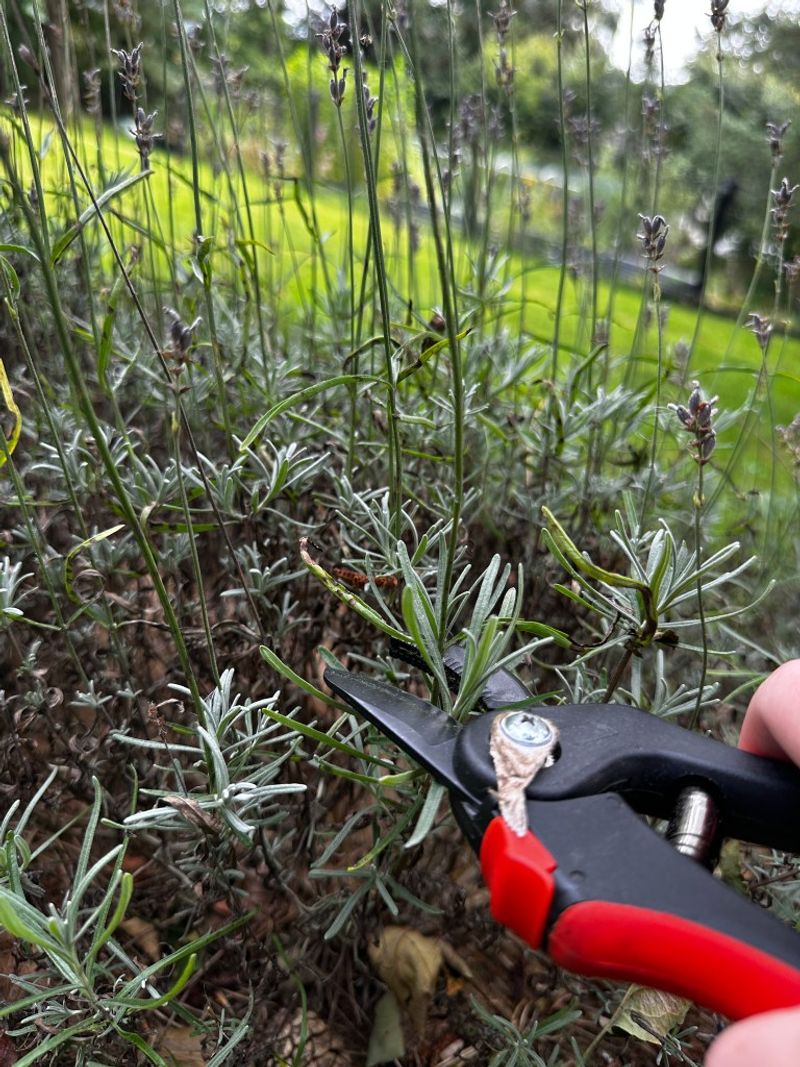
You may have heard “cut it back by one-third.” That rule only works if the third is leafy green growth. A plant with a lot of bare stem could lose its last leaves if you follow the number blindly.
Advice on amounts and timing varies, as you can see in University of Maryland guidance compared with the RHS. The Oklahoma answer on Spanish lavender adds a clear boundary: skip leafless stems.
That does not mean every cut into wood kills a plant. A preliminary SARE trial in northeastern New York found pruning depth did not affect survival in covered plants.
The report says more research is needed, and it was a cold region, so it does not make hard pruning a safe habit for Southern yards.
For a routine trim, stay in the leaves and stop early.
A bare, woody plant may not recover from a hard cut
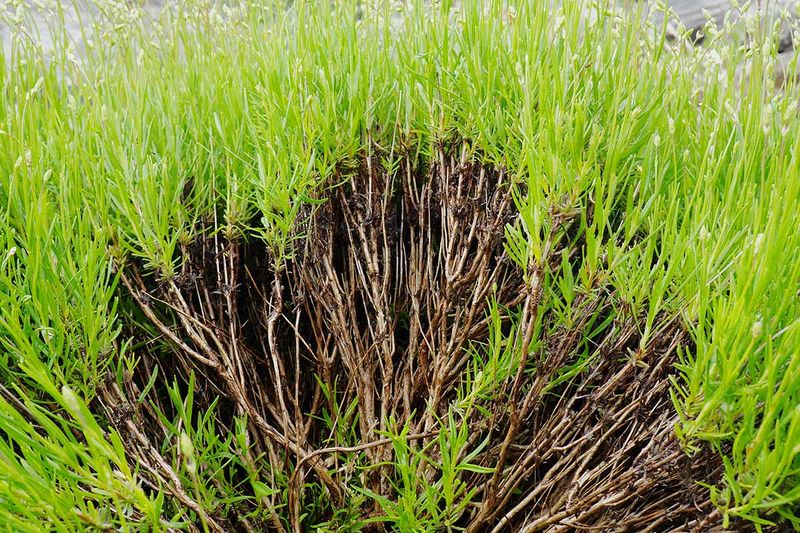
Some lavender plants are past routine trimming. The center is bare, the stems are thick and brown, and the green is only at the tips.
Cutting hard into that wood is a gamble, not a fix.
The RHS says very woody, misshapen plants are often best replaced, as noted in its growing guide. A University of California Master Gardener article adds that dry wood will not resprout.
If you want to try anyway, treat it as a rescue attempt and keep your hopes modest. Check for any green buds low on the stems first.
Many gardeners find that planting a fresh lavender and starting a light yearly trim is the more dependable route.
In Southern gardens, drainage can matter as much as the cut
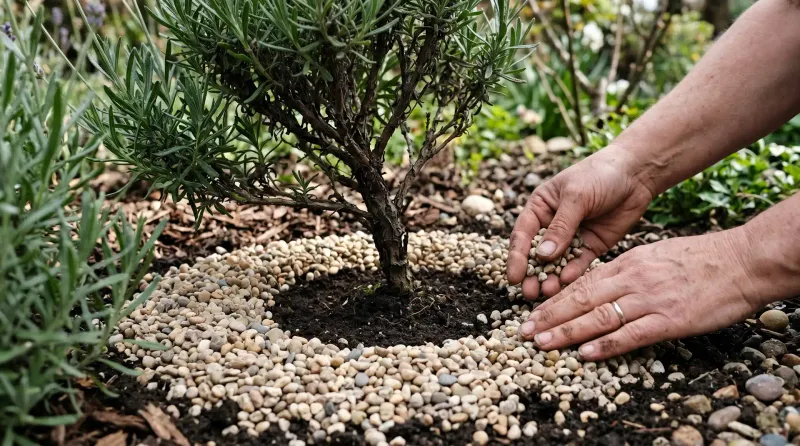
After a soggy week, lavender can look rough no matter how neatly you pruned it. Wet roots are often the real issue in Florida and Texas, where heavy rain and clay are common.
UF/IFAS reports that lavender is more prone to winter injury in wet, heavy soil. Texas A&M AgriLife stresses good drainage for herbs and lists varieties it considers suitable for Texas.
A careful cut cannot fix a poorly drained spot. If your plant keeps declining, look at the site first.
A raised bed or a sunnier, better-draining location may help more than any pruning change.
Check the timing and green growth before you cut
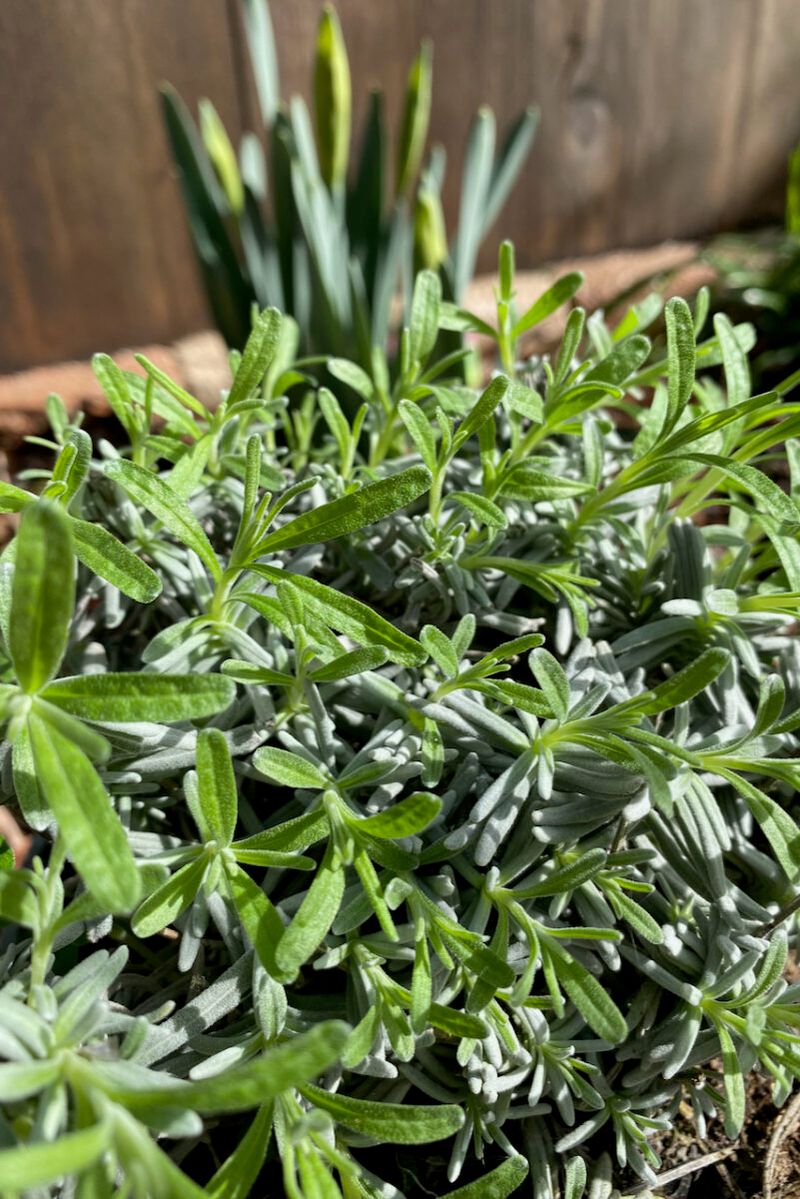
Before you pick up the pruners, run through a quick check. Choose a window that fits your area, such as a late-summer trim after flowering or early spring for English lavender.
For a post-bloom trim, make sure flowering has finished, and note that colder areas may skip fall cuts.
Follow spent stalks down, take only a little leafy growth, and stop before bare wood. The aim is a sound, compact plant, not a promised bloom count.
Lavender rewards a gentle hand.