
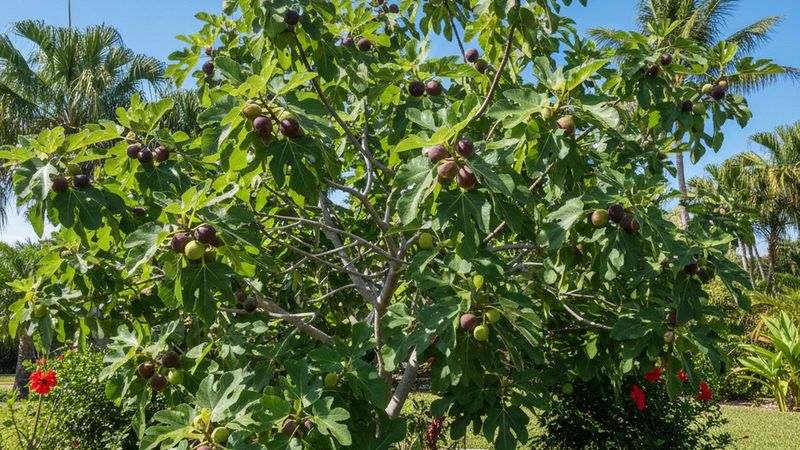
Few things in the garden feel as frustrating as a fig tree covered in big green leaves but holding almost no fruit. You water it, you wait, and summer ends with only a handful of figs, or none at all.
The good news is that a leafy, fruitless fig usually has a fixable cause, from too much nitrogen to the wrong pruning cut. Work through the steps below this season, and your tree can be in much better shape to bear a real crop next summer.
1. Cut Back on Nitrogen Fertilizer
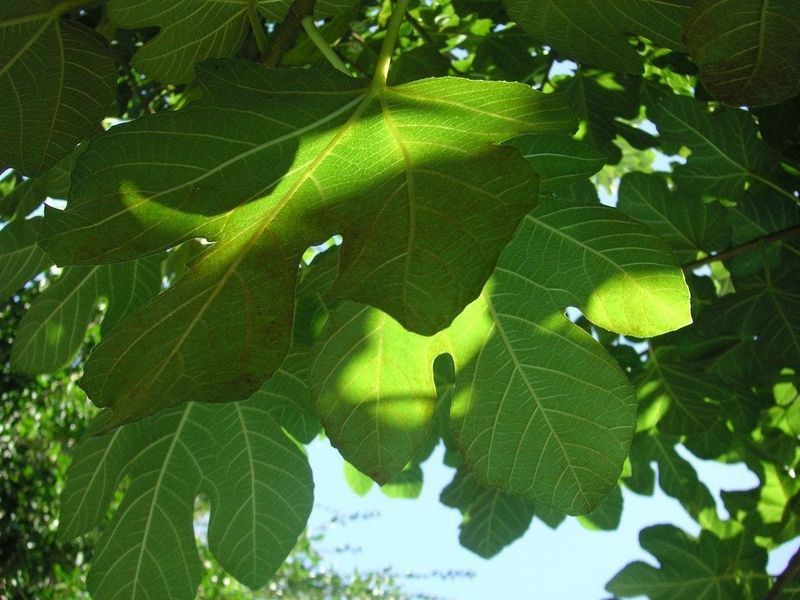
Picture a fig tree that looks like a jungle, with leaves the size of dinner plates and not a single fig in sight. Nine times out of ten, that tree is being fed too well.
Nitrogen fuels leafy growth, and figs simply do not need much of it.
A common culprit is lawn fertilizer. If your fig sits near turf that gets a high-nitrogen feeding, the roots are likely drinking it up too.
Fig roots spread wide, often well past the drip line, so they can reach that fertilized grass easily.
Here is the fix. Stop all fertilizer for the fig for at least one season and see how the tree responds.
If your soil is very sandy, as in much of Florida, a light feeding of a balanced or low-nitrogen fruit tree blend in early spring may be enough. Look for products where the first number is lower than the others.
Also keep lawn feed at least several feet away from the trunk area. Many gardeners find that once the extra nitrogen is gone, the tree often shifts energy from leaves toward fruit within a year or two.
Patience pays off here, so resist the urge to feed a hungry-looking tree.
2. Give It More Direct Sun
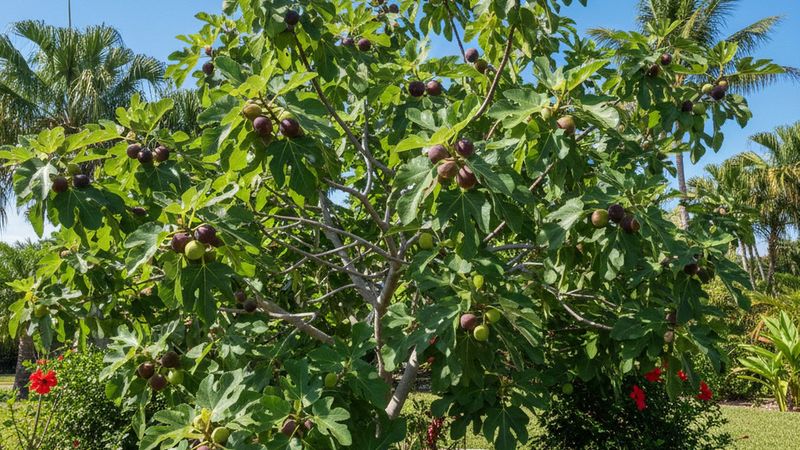
Sunlight is the engine behind every fig you will ever pick. A fig tree tucked under an oak or squeezed beside the north wall of a house may grow happily enough, but it rarely fruits well.
Aim for at least six to eight hours of direct sun a day. More is usually better in most of Texas and the Gulf South, though in the hottest inland spots a little late afternoon shade can ease stress during brutal July heat.
Walk your yard at different times of day and notice where the shadows fall. Trees grow, fences go up, and a spot that was sunny five years ago may be shaded now.
Trimming back a neighboring shrub or limbing up an overhanging tree can make a surprising difference.
If your fig is still young and in a poor location, consider moving it during the cool dormant season, typically late winter in the South. Dig a generous root ball and water it in deeply.
Container figs are even easier, since you can roll them to the sunniest corner of the patio.
More light often means more fruiting wood, sweeter figs, and fewer leaves wasted on reaching for brightness. Few changes give a better return.
3. Prune Lightly and at the Right Time
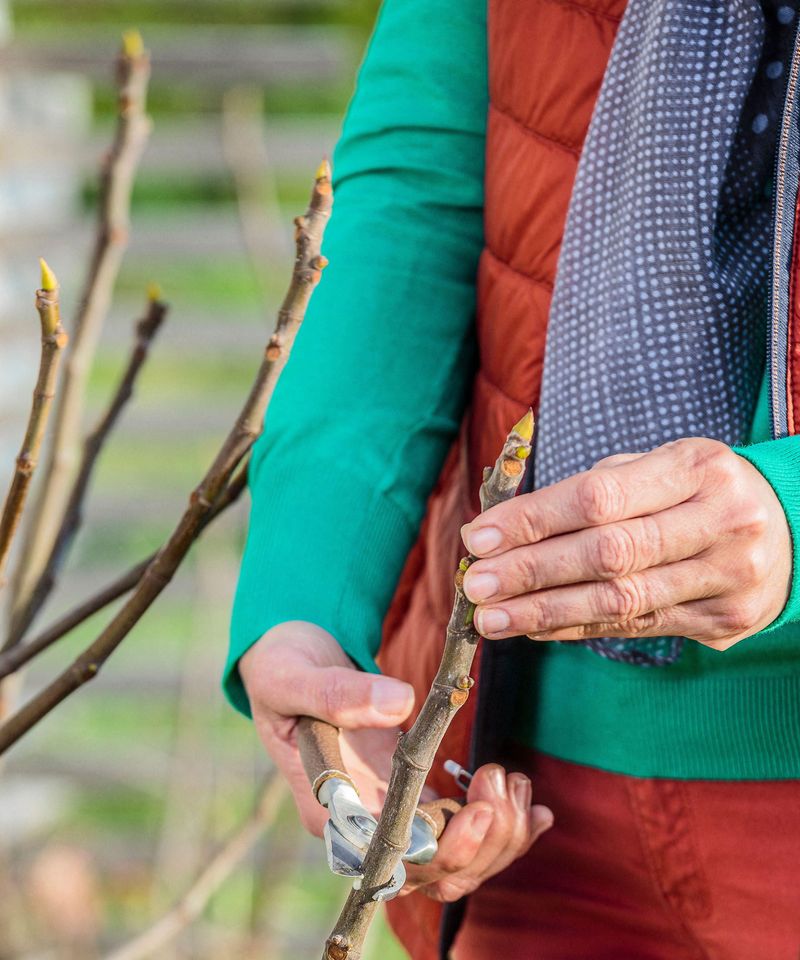
Ever given a fig tree a hard haircut in spring, then wondered where all the fruit went? Heavy pruning is one of the quickest ways to trade figs for leaves.
Many popular varieties, like Celeste and Brown Turkey, produce an early crop called the breba on last year’s wood. Cut that wood off, and the early figs vanish with it.
A severe cut also triggers the tree to rebuild with vigorous leafy shoots instead of fruit.
So keep pruning modest. In late winter, while the tree is dormant, remove dead, crossing, or damaged branches and any suckers at the base.
Thin the center a little so air and light can move through, but avoid shearing the whole tree down.
A good rule many growers follow is to remove no more than about a quarter of the canopy in a single year. If the tree has grown too tall, bring it down gradually over two or three winters.
Summer pruning has a role too. Pinching the tips of long new shoots in early summer may encourage branching and more fruit on the main crop.
Clean, sharp pruners make every cut easier on the tree.
4. Water Deeply but Consistently
Water is a balancing act with figs, and Southern summers make it tricky. Too little, and the tree drops young fruit to save itself.
Too much, and you often get soft growth, split figs, and lots of leaves.
The goal is steady moisture. Water deeply once or twice a week during dry spells rather than giving a quick sprinkle every day.
Deep soaking encourages roots to go down, which helps the tree ride out heat waves.
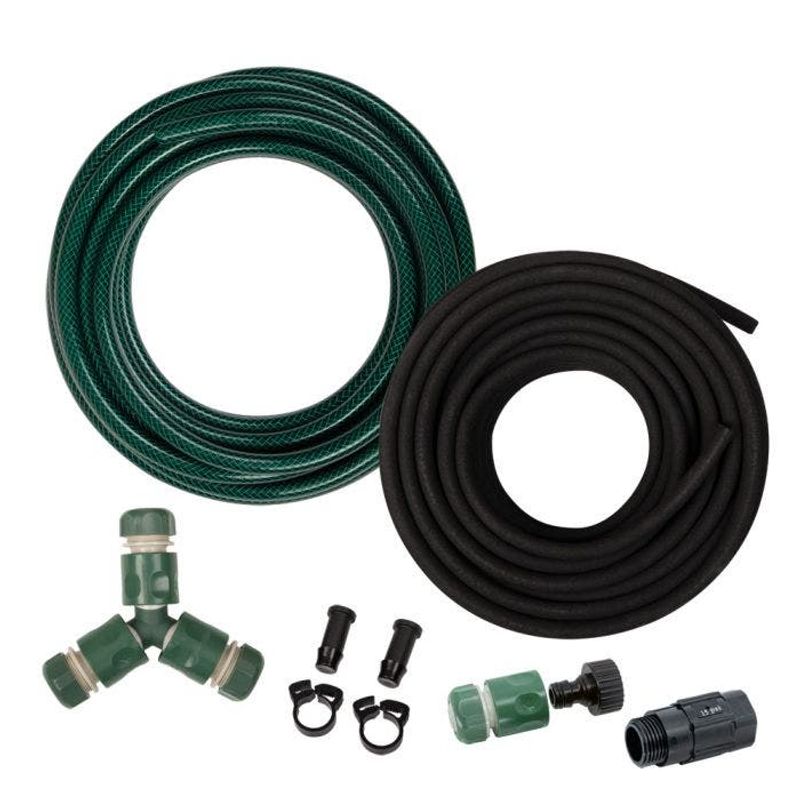
Figs have shallow, wide roots, so spread the water across a broad area, not just at the trunk. A soaker hose or drip line looped under the canopy works well and keeps leaves dry, which can reduce leaf disease.
Pay close attention once figs start forming. Sudden drought followed by a flood of water is a common reason fruit cracks or falls off early.
In Florida, where summer storms dump heavy rain, good drainage matters just as much as irrigation.
Check soil before watering by pushing a finger a couple of inches down. If it feels dry, water.
If it feels damp, wait. That simple habit can prevent many of the swings that steal your crop.
5. Spread Mulch to Protect Shallow Roots
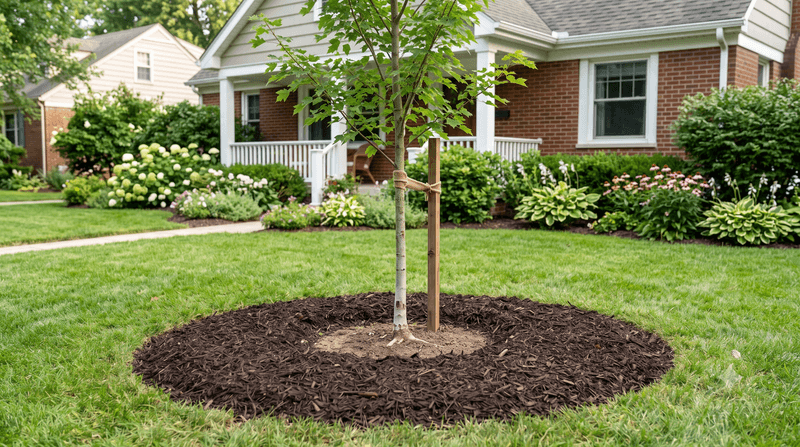
Think of mulch as a cool blanket for roots that sit close to the surface. Figs feed in the top foot or so of soil, which means they feel every bit of summer heat and every dry spell.
A layer of two to four inches of organic mulch helps hold moisture, keeps soil temperatures steadier, and smothers weeds that compete for water. Pine straw, shredded bark, and leaf mulch all work nicely in Southern yards.
Spread it wide, ideally out to the edge of the canopy, and keep it a few inches away from the trunk. Mulch piled against the bark can hold moisture there and may invite rot or pests.
There is a bonus for fruit, too. Mulch can help protect against nematodes, a common issue in sandy Florida and Gulf Coast soils, since healthy organic matter supports a livelier soil community.
Root-knot nematodes are a known fig problem, so anything that supports root health is worth doing.
Refresh the layer each spring as it breaks down. Over time, the decaying mulch slowly feeds the soil with modest nutrients, which suits figs far better than a sudden blast of synthetic fertilizer.
6. Give Young Trees Time to Mature
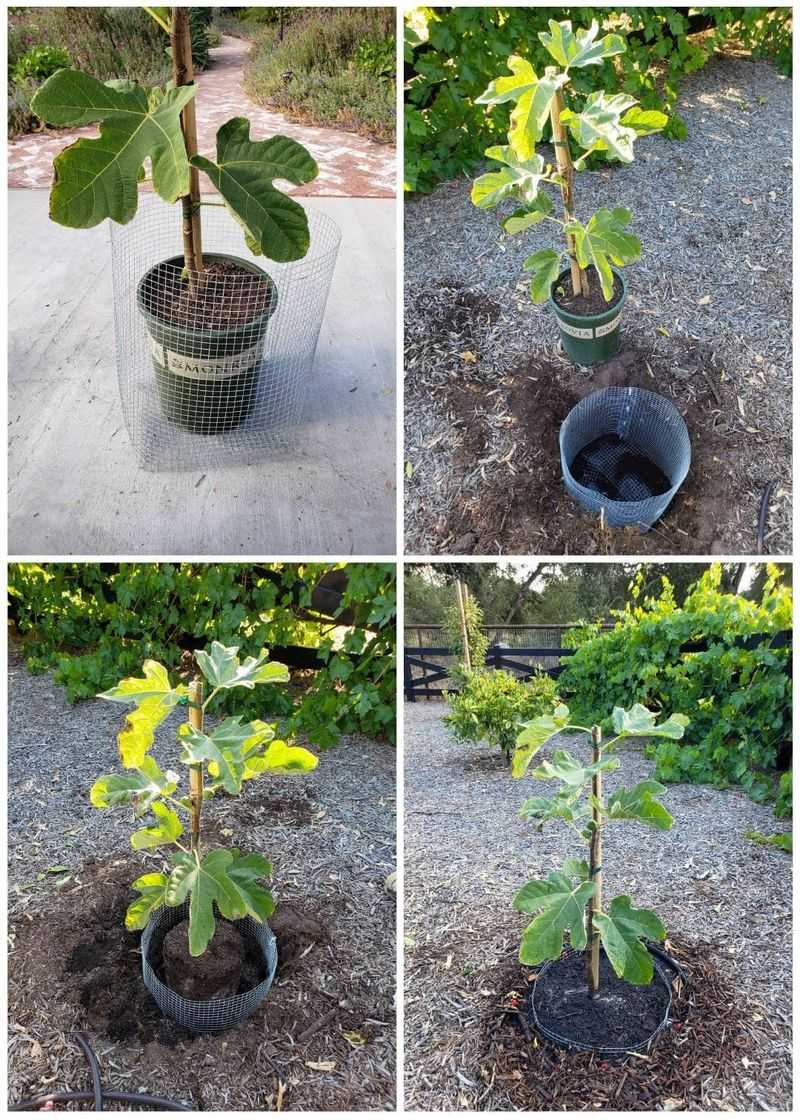
Sometimes the problem is not a problem at all. A fig tree planted last year is busy building roots and branches, and many young figs need two to three years before they fruit reliably.
Trees grown from cuttings often fruit sooner than seedlings, which can take several years and may never produce good figs. If you bought a named variety from a nursery, you are likely on track, just a little early.
During those early years, the tree may drop the few figs it sets. That is normal.
Young plants often lack the energy reserves to carry fruit to ripeness, so they let it go.
You can still help. Give it full sun, steady water, mulch, and a light hand with fertilizer.
Avoid heavy pruning so the tree can build the framework that will hold future crops.
Fun fact: figs are among the oldest cultivated fruits, with evidence of growing them stretching back over eleven thousand years. A plant with that much history knows how to wait.
If your tree is four or five years old and still barren, though, look harder at the other steps on this list. Age alone rarely explains a mature, fruitless tree.
7. Choose a Self-Fruiting Variety
Not every fig tree sold is right for a backyard in Houston or Tampa. Some figs, like Calimyrna types, need a tiny wasp to pollinate them, and that wasp does not live in most of the South.
Without it, the fruit drops before ripening.
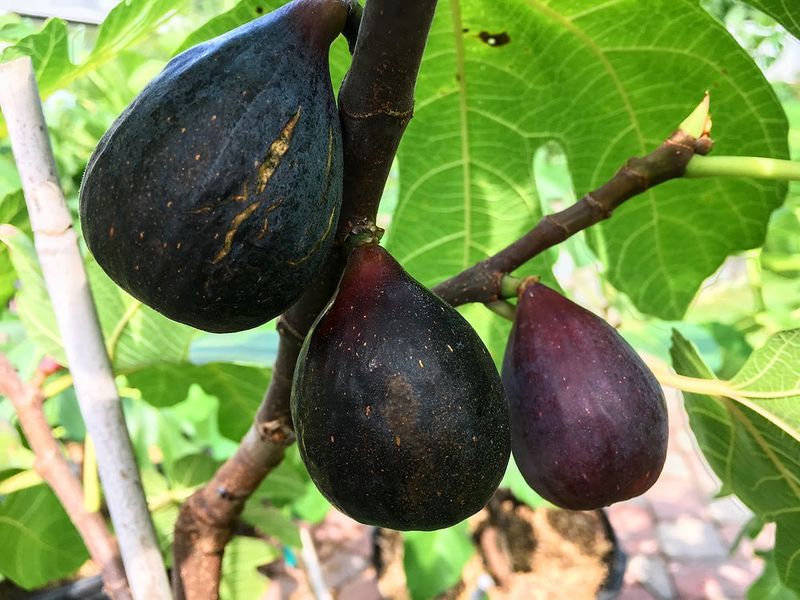
Common figs, on the other hand, set fruit without any pollination. Those are the ones you want.
Proven picks for Southern gardeners include Celeste, Brown Turkey, LSU Purple, Alma, and Chicago Hardy for cooler pockets.
Celeste is a classic in Texas and Louisiana and has small, sweet fruit with a tight eye that helps keep out rain and souring beetles. LSU Purple is often praised for handling Gulf Coast humidity and may produce more than one crop a year.
If you inherited a mystery fig that never ripens fruit, the variety could be the reason. Watch closely.
Fruit that forms and falls off small and hard, year after year, despite good care, may point to a type that needs the wasp.
In that case, replacing it with a proven common fig is often the fastest route to a full harvest. Your local extension office can suggest varieties suited to your county.
8. Test and Adjust Your Soil
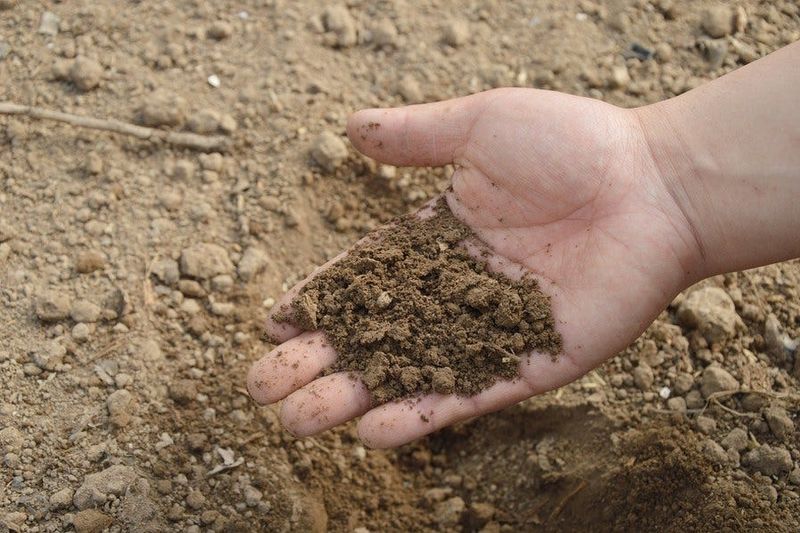
Guessing at soil problems is a bit like guessing at a fever without a thermometer. A simple soil test takes the mystery out of why a fig keeps growing leaves instead of fruit.
Figs prefer slightly acidic to neutral soil, around a pH of 6.0 to 6.5, though they tolerate a range. Many Texas soils run alkaline, while Florida sands can swing acidic and drain nutrients fast.
Either extreme can limit how well roots take up what they need.
Your county extension service usually offers affordable testing, and results often include specific recommendations. Home kits give a quick read on pH, too.
Pay attention to potassium and phosphorus levels. These nutrients support flowering and fruiting, and a shortage may hold back your crop even when nitrogen is plentiful.
If tests show low potassium, a fruit tree fertilizer higher in that number can help.
Adjust slowly. Lime raises pH and sulfur lowers it, but both work over months, not days.
Adding compost improves almost any soil, holding water in sand and loosening heavy clay.
Test again every couple of years so you can track progress instead of feeding blindly.
9. Restrict Roots in Containers or Beds
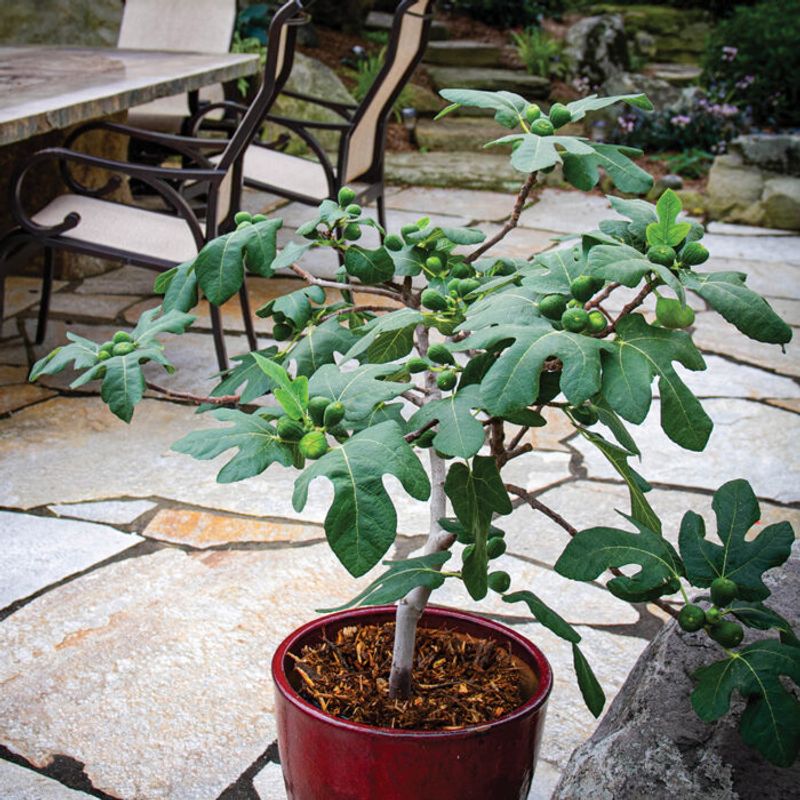
Here is a trick commercial growers have used for a long time: a fig with slightly limited roots often fruits better than one with endless room to roam.
When roots can spread freely, especially into rich, moist soil, the tree tends to pour energy into growth. Mild restriction nudges it toward reproduction, which means fruit.
Containers are the easiest way to do this. A pot of fifteen to twenty-five gallons suits most varieties, and potted figs are a smart choice for small yards, patios, and areas with nematode trouble.
Use a well-draining mix and make sure the container has good holes in the bottom.
Potted figs dry out faster in Southern heat, so expect to water more often in summer, sometimes daily during heat waves. Feed lightly, since nutrients wash out with frequent watering.
For in-ground trees, some gardeners plant inside a raised bed or near a sidewalk or foundation that naturally limits root spread. Others dig a narrow trench every few years to trim outer roots in winter, though this takes care and is not for every tree.
Whichever route you take, the aim is a tree that feels secure but not spoiled.
10. Protect Ripening Figs From Birds and Pests
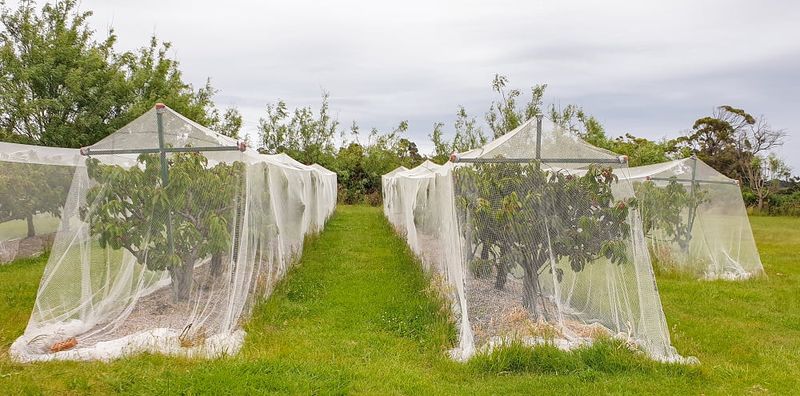
You fixed the leaves, the tree finally loads up with fruit, and then one morning every ripe fig has a peck mark. Mockingbirds, blue jays, squirrels, and even raccoons all love figs as much as you do.
Bird netting is the most reliable defense for most home gardeners. Drape it over the tree once figs begin to soften and change color, and secure the bottom so birds cannot sneak underneath.
Smaller trees are much easier to cover, which is another reason to keep pruning height in check.
Insects join the feast, too. Dried fruit beetles and fruit flies are drawn to overripe or split figs.
Picking promptly, every day or two during peak season, may reduce their numbers. Clear fallen fruit off the ground as well.
Some growers bag individual clusters with small mesh or organza bags. It takes time but can work nicely for prized fruit.
Harvest when figs droop on their stems and feel soft, since they do not ripen further after picking. A little vigilance in July and August can mean the difference between sharing your crop with wildlife and actually filling a bowl for your kitchen.