
California winters are short, mild, and wet, which makes them one of the best growing windows of the whole year. The catch is timing, because once spring heat shows up, many cool-season crops bolt, turn bitter, or quit.
The good news is that plenty of fast vegetables can still go in the ground right now and finish before the warm days arrive. Here are ten smart picks that make the most of free winter rain and save water later.
1. Radishes
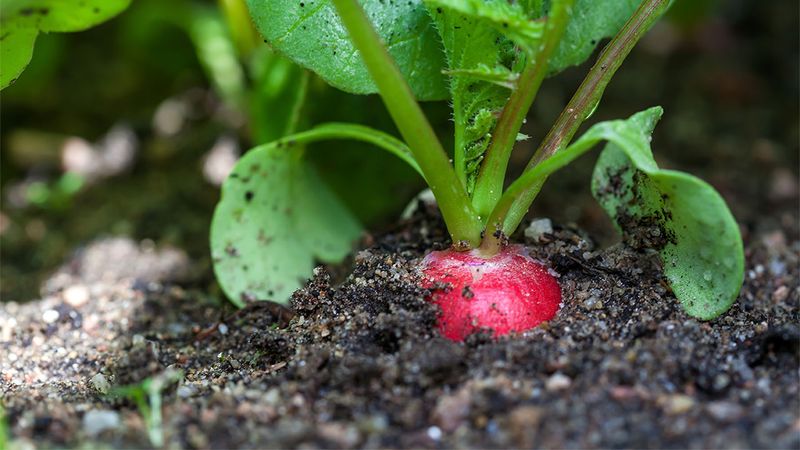
Few crops reward impatience like a radish. Many varieties go from seed to salad in about 25 to 30 days, so even a late winter sowing has plenty of runway before inland temperatures climb.
Sow seeds half an inch deep and about an inch apart, then thin to two inches once they sprout. Winter rain often handles most of the watering in coastal and valley gardens, which keeps your water bill quiet.
Try sowing a short row every week or two. That staggered rhythm can give you a steady trickle of crunchy roots instead of one big pile you cannot eat fast enough.
If a few plants bolt as things warm up, leave them, since the flowers can draw in native bees and hoverflies.
2. Spinach
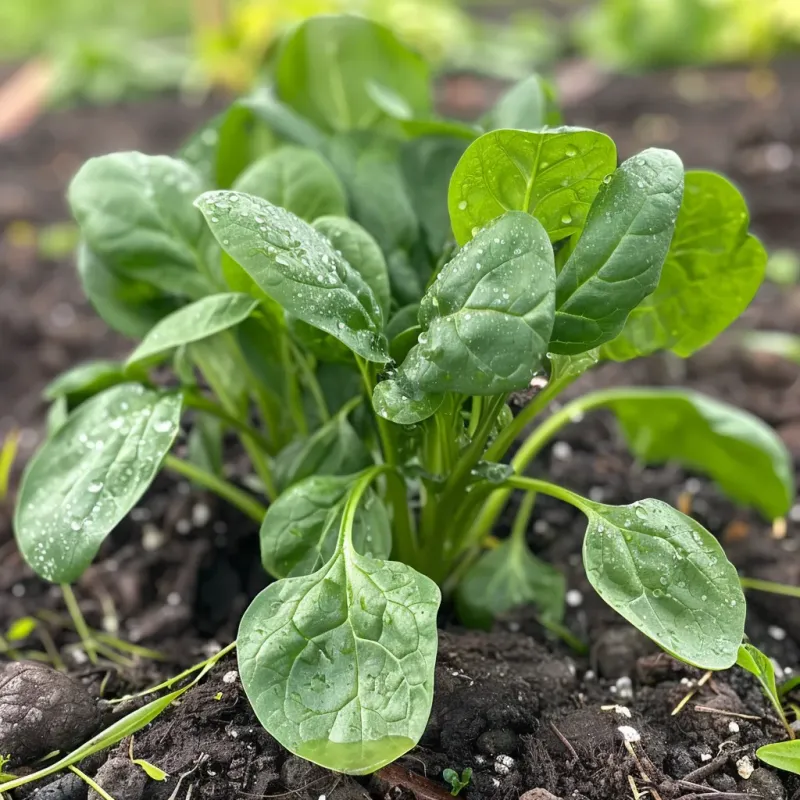
Spinach is a bit of a diva about heat. Long, warm days push it to bolt, which is exactly why winter is its moment in California.
Sow seeds directly about half an inch deep in rich, well-drained soil. Baby leaves can be ready in roughly 30 days, and full heads usually take 40 to 50.
Look for bolt-resistant varieties like Space or Bloomsdale if you garden in the Central Valley or Inland Empire, where spring heat can arrive fast.
Harvest outer leaves first and let the center keep growing. A light layer of compost mulch can help hold soil moisture between storms and may reduce how often you need to water during dry spells.
3. Lettuce
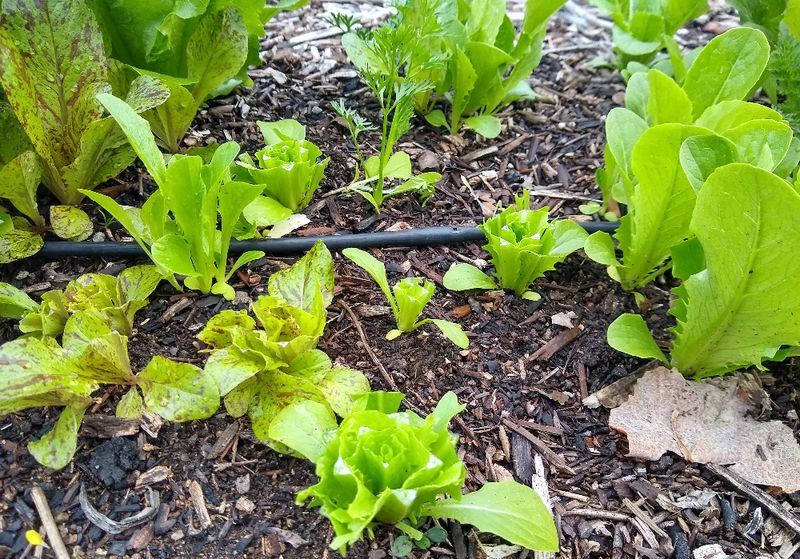
Picture cutting a salad five minutes before dinner, straight from the yard. Loose-leaf lettuce makes that easy, and it is one of the most forgiving crops for California winter gardeners.
Leaf types such as Black Seeded Simpson, oakleaf, and red salad bowl can be picked in about 30 to 45 days. Head lettuces take longer, so they make more sense for cooler coastal yards than for hot inland ones.
Scatter seed lightly and barely cover it, since lettuce needs light to germinate. Use the cut-and-come-again method, snipping leaves an inch above the crown.
When warm weather nears, a bit of afternoon shade from taller plants can help stretch the harvest by a week or two.
4. Snap Peas
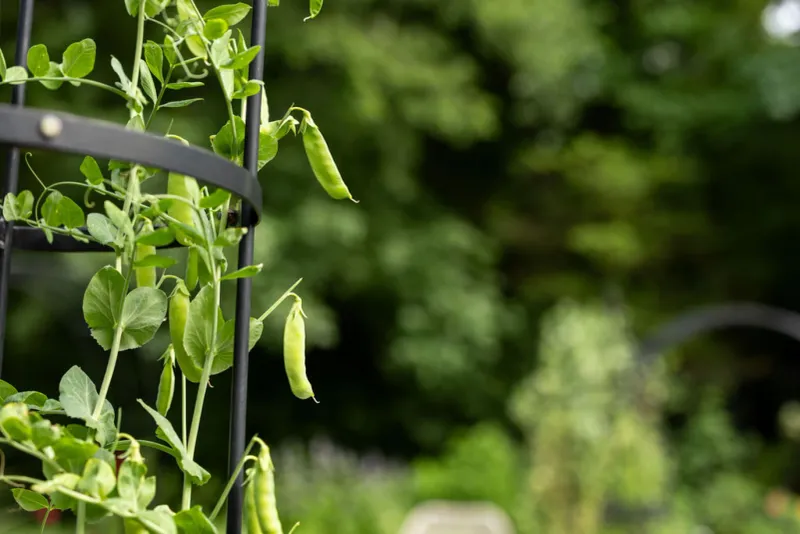
Kids who refuse vegetables often eat snap peas right off the vine. Sweet, crunchy, and fun to pick, they are a family favorite that grows best in cool weather.
Sow seeds an inch deep along a trellis or fence. Most varieties produce in around 60 days, so earlier in winter is better, especially in hotter zones.
Peas also partner with soil bacteria to add nitrogen, which can quietly improve your bed for summer crops.
Pick pods often to keep more coming. Once daytime highs settle into the 80s, production usually slows, so treat that as your cue to pull the vines and chop them into the soil.
5. Arugula
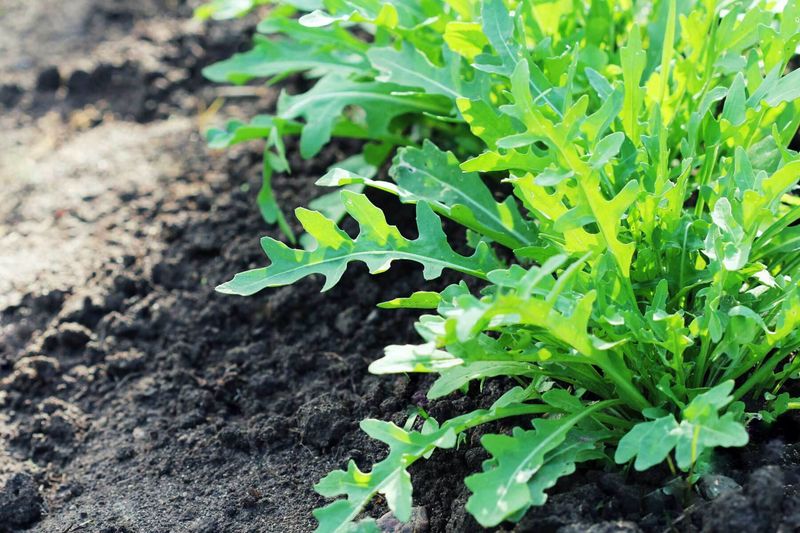
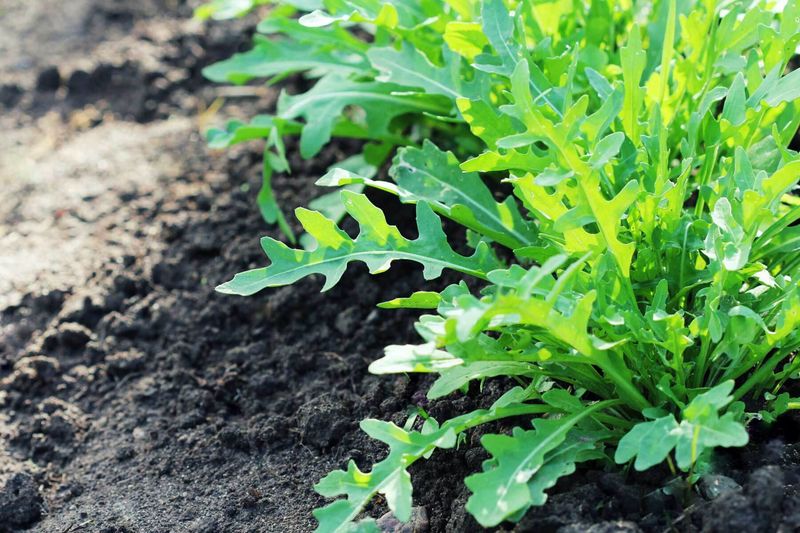
Peppery, quick, and nearly fuss-free, arugula might be the most underrated green in the winter garden. Baby leaves are often ready in just three to four weeks.
It grows happily in beds or containers, which is handy for patio gardeners in smaller yards. Sow thickly, cover lightly, and keep the soil evenly damp until sprouts appear.
As the weather warms, the leaves get spicier and the plant sends up small white flowers. Those blooms are edible and can attract native pollinators, so letting a few plants flower near the end is a nice gift to the bees.
6. Bok Choy
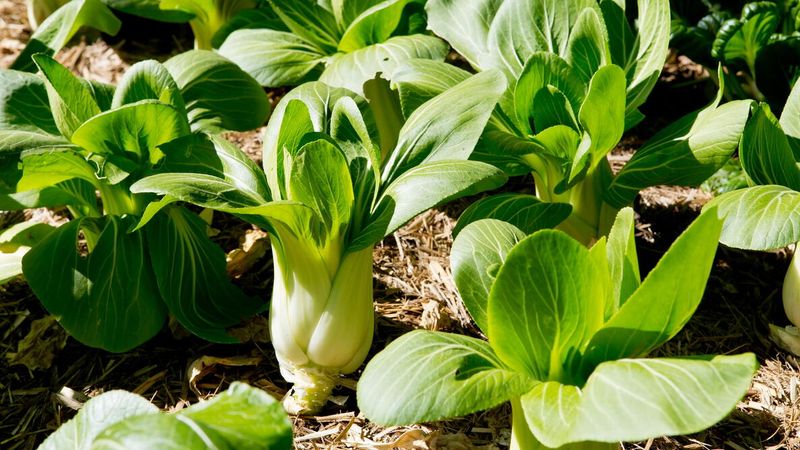
Stir-fry fans, take note. Baby bok choy can be ready in about 30 to 45 days, making it one of the fastest cabbage-family crops you can grow.
Sow seeds a quarter inch deep and thin plants to six inches apart. It likes steady moisture, so winter rains are a big help.
Like spinach, it tends to bolt when days get long and warm, so pick the baby types for late sowings.
Watch for aphids clustering on new leaves. Instead of reaching for sprays, a strong blast of water often handles them, and it protects the ladybugs and lacewings that hunt aphids for free.
7. Green Onions
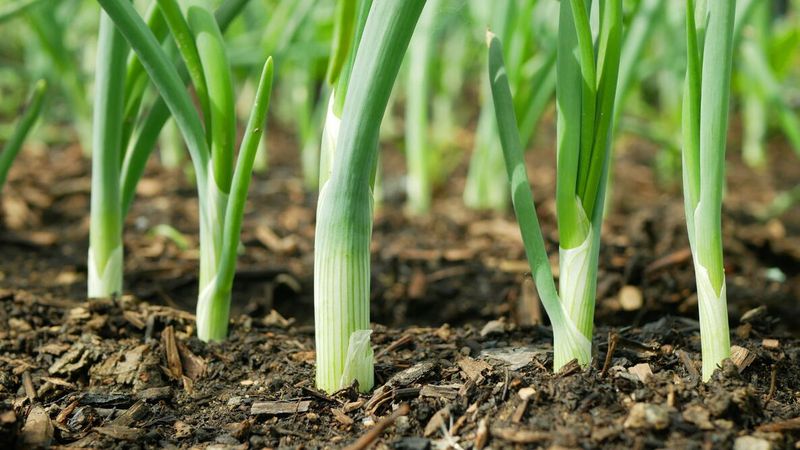
Here is a crop that barely needs you. Green onions sprout, grow, and stand in the bed until you want them, which makes them perfect for busy households.
Sow seeds thickly in a shallow row, or tuck in grocery store scallion roots for a faster start. You can usually begin snipping tops in about six to eight weeks.
They take up little space, so they fit along bed edges or between slower crops.
Fun fact: their strong scent may help confuse some pests looking for nearby carrots or greens. It is not a guaranteed shield, but it is a bonus from a plant you will use in nearly every meal anyway.
8. Baby Carrots
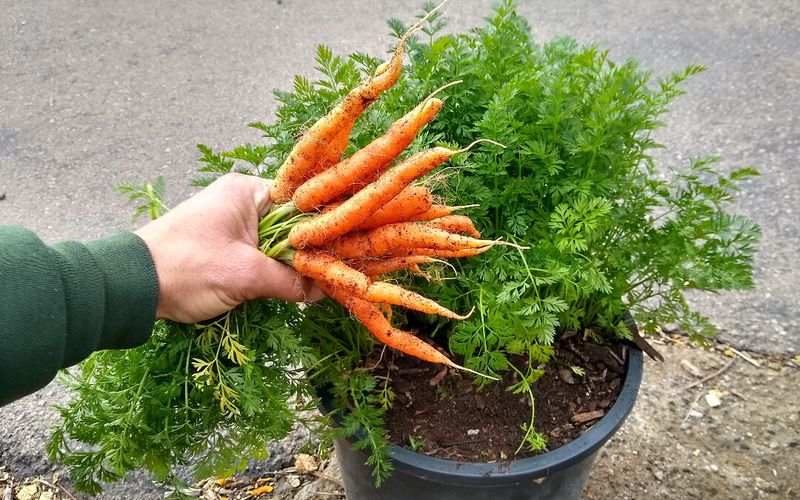
Full-size carrots can take three months, which cuts it close in warmer parts of the state. Short and round varieties like Parisian, Little Finger, or Adelaide solve that problem.
Many of these mature in 50 to 60 days. Sow seeds very shallowly and keep the surface moist, since carrot seed is slow and fussy about drying out.
A board or burlap over the row for the first week can help, as long as you remove it at sprouting.
Loose soil matters more than anything. If you have heavy clay, common in many California valleys, a container or raised bed often gives better, straighter roots.
9. Turnips and Their Greens
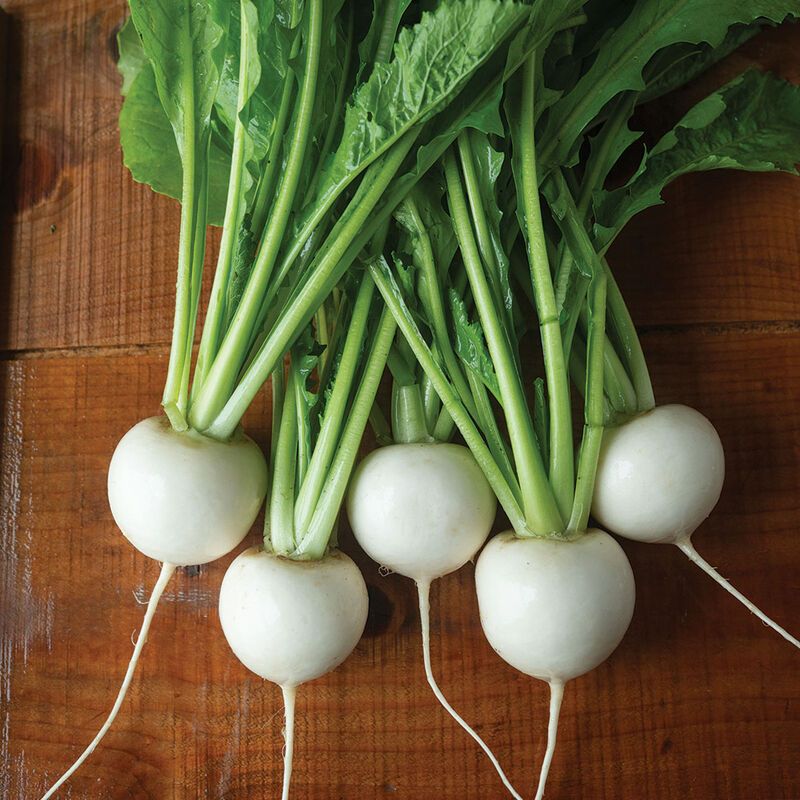
Two harvests from one seed packet is a pretty good deal. Turnips give you tender greens in about a month and small, sweet roots in 40 to 50 days.
Varieties like Hakurei, a Japanese salad turnip, are mild enough to eat raw. Sow seeds half an inch deep and thin to four inches apart, using the thinnings as greens.
Pick roots at golf ball size for the best flavor. Waiting too long into warm weather can make them woody and sharp, so this crop rewards gardeners who harvest early and often.
10. Cilantro
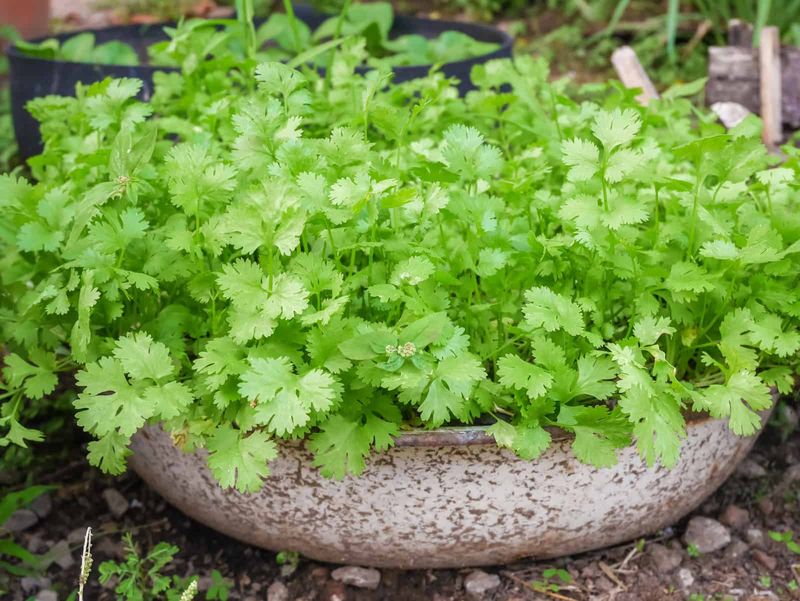
Anyone who has planted cilantro in summer knows the heartbreak. It shoots up flowers almost overnight.
Winter is when this herb finally behaves in California.
Sow seeds directly, since cilantro dislikes being transplanted, and start cutting leaves in about 30 to 40 days. Slow-bolt varieties like Calypso or Santo can buy you extra time as spring approaches.
When it does flower, do not rush to pull it. The tiny blooms can feed beneficial insects, and the seeds that follow are coriander for your spice rack.
For a water-wise yard, pairing a short cool-season herb with free winter rain is about as efficient as gardening gets.