
Mowing a steep front yard slope in July heat is no fun, and it can be risky too. The good news is that a handful of North Carolina native seeds, scattered this fall, can turn that hill into a living meadow by next summer.
Winter rain and cold help many of these seeds sprout on their own, so nature does part of the work for you. Here are ten tough natives that hold soil, feed pollinators and birds, and let you put the mower away.
1. Little Bluestem
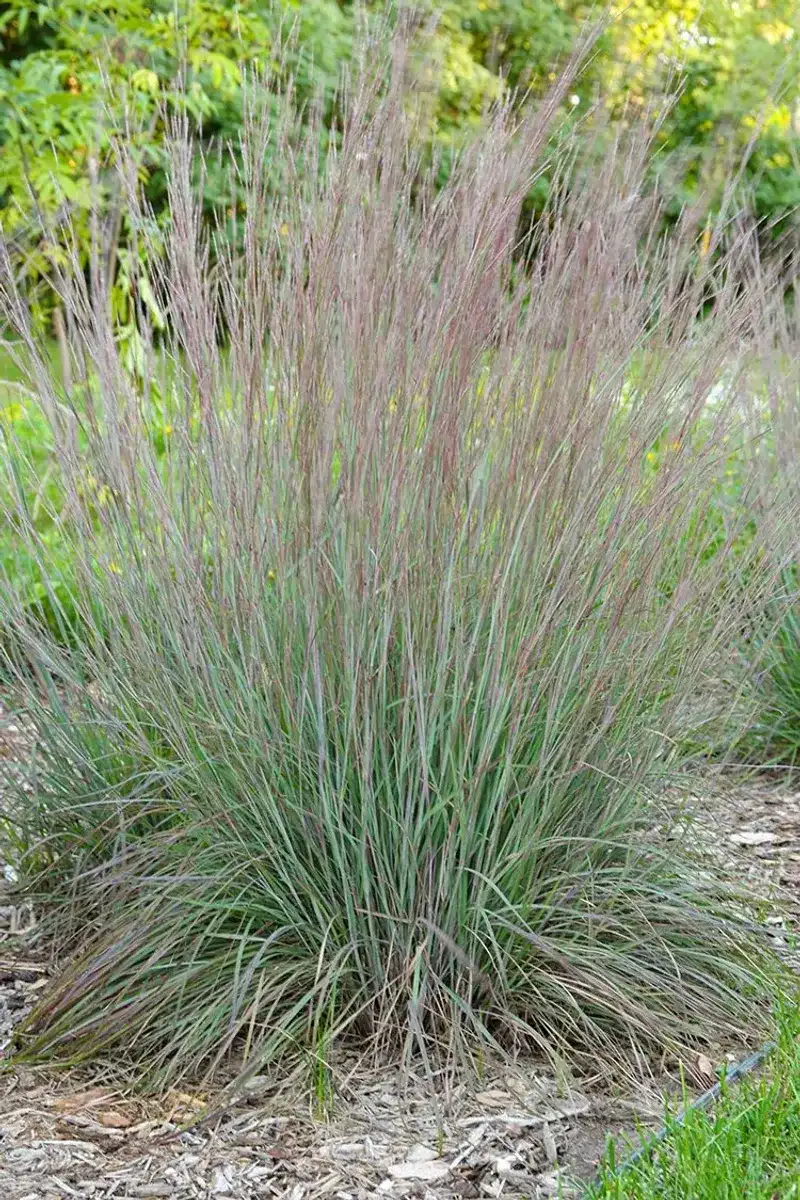
Picture a hillside that glows copper-orange every October. That is little bluestem, a clumping native grass that grows wild across the Piedmont and coastal plain.
Its roots can reach several feet deep, which makes it one of the best soil holders you can sow on a slope. It stays around 2 to 3 feet tall, so it looks tidy instead of shaggy.
Scatter seed from October through December on raked, bare soil and press it in by walking over it. Expect slow growth the first year, with a fuller stand by the second summer.
Songbirds may also pick at the seed heads in winter.
2. Black-Eyed Susan
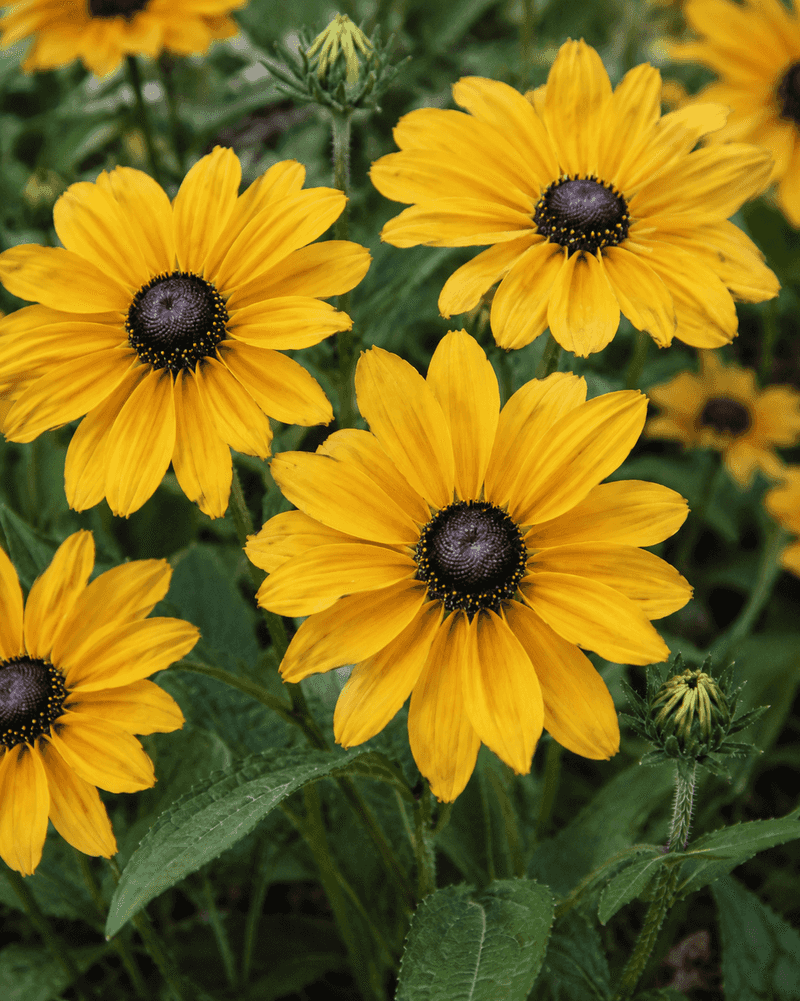
Need fast results? Black-eyed Susan is the sprinter of this list, often blooming in its first summer from a fall sowing.
Those golden daisies with dark centers fill a slope with color from June into August. Bees and butterflies visit steadily, and goldfinches later snack on the seeds.
It reseeds itself freely, filling gaps while slower perennials settle in. Think of it as the friendly placeholder that keeps your hill looking cared for during year one.
3. Butterfly Weed
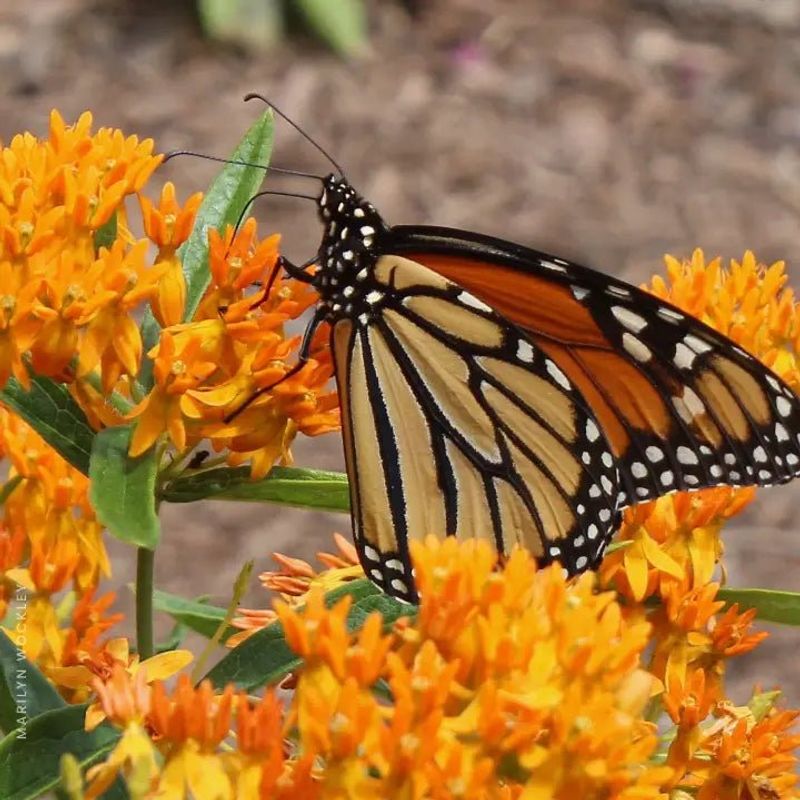
Monarchs passing through North Carolina go looking for milkweed, and butterfly weed is one of the prettiest kinds. Its flat clusters of bright orange flowers are hard to miss.
Dry, sunny, lean soil suits it perfectly, which describes many front slopes. A long taproot helps it handle drought once established.
Fall sowing works well because the seeds need a cold, moist spell to wake up. Be patient, since plants may take a season or two to bloom, but caterpillars may start munching leaves right away.
4. Purple Coneflower
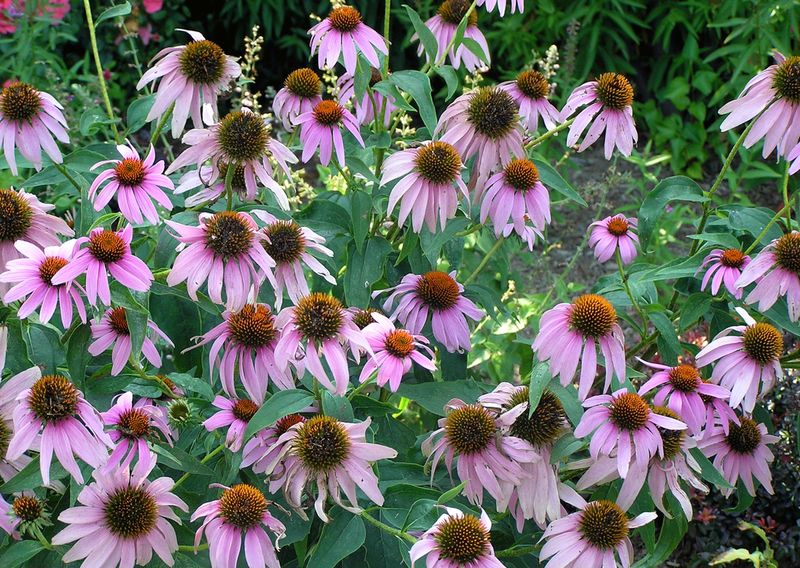
Ask any NC gardener for a no-fuss flower and coneflower usually comes up. It shrugs off heat, humidity and clay soil.
Pink-purple petals open in early summer and keep going for weeks. Leave the seed heads standing in fall, and you may spot goldfinches clinging to them.
Mix it with grasses for a natural meadow look. Its sturdy roots add another layer of erosion control to the hillside.
5. Lanceleaf Coreopsis
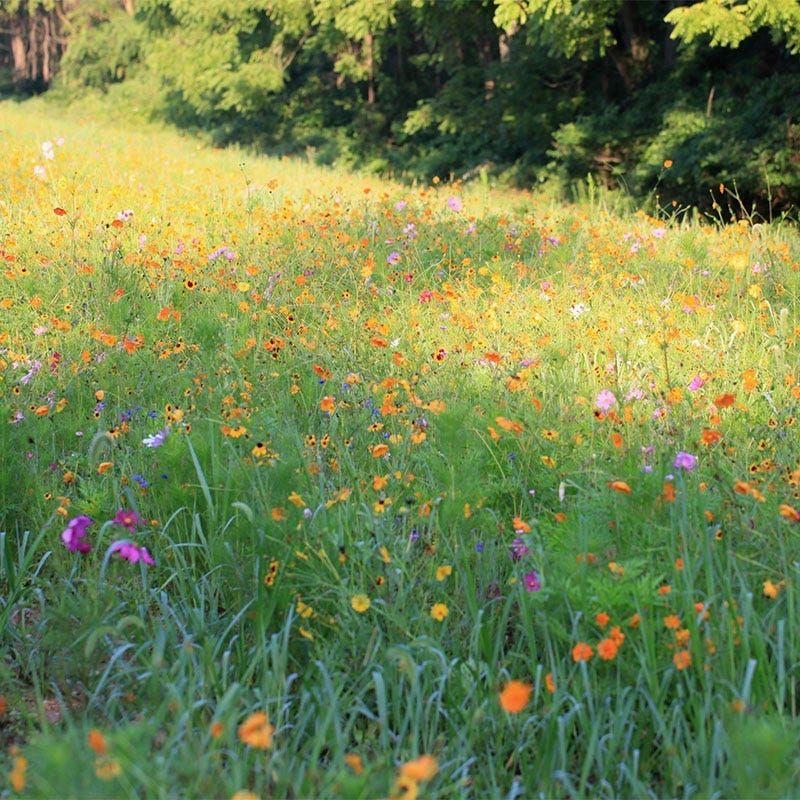
North Carolina’s highway crews plant wildflowers along roadsides, and coreopsis shows up in many of those plantings. If it can thrive on a hot highway bank, your slope is no problem.
Sunny yellow blooms arrive in late spring, earlier than most of this list. That timing gives early bees an important meal.
It handles poor, rocky soil with ease. Snip a few faded flowers for more blooms, or let it reseed for next year.
6. Partridge Pea
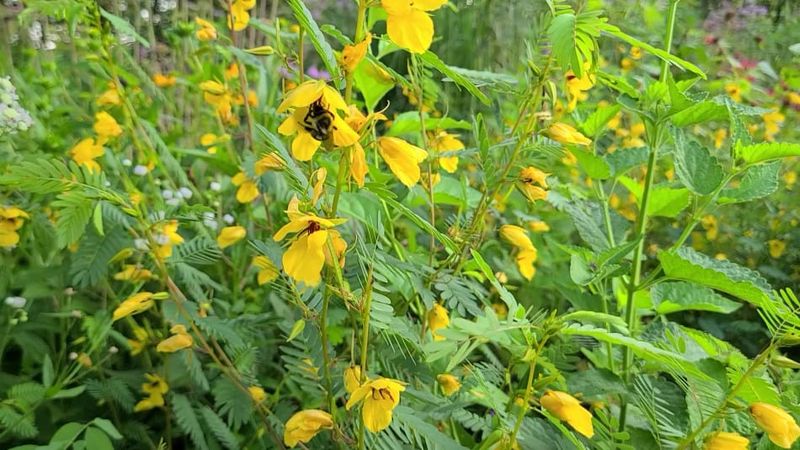
Here is a fun one: partridge pea’s leaves fold up when you brush them. Kids love testing it.
As a native legume, it can add nitrogen to tired soil, helping its neighbors grow. Its yellow flowers feed bumblebees, and quail and other birds eat the seeds.
It is an annual that reseeds readily, especially in sandy coastal plain yards. Use it as a quick cover while longer-lived plants fill in.
7. Wild Bergamot
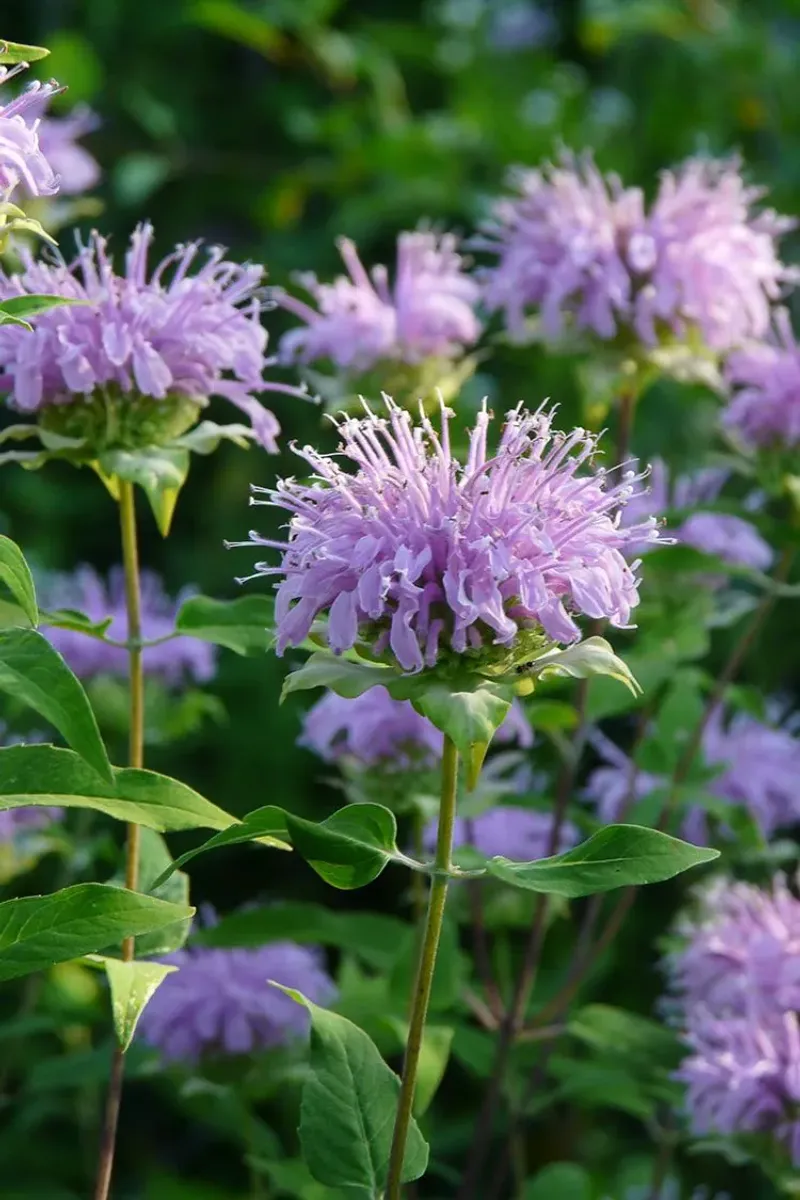
Crush a leaf of wild bergamot and you get a minty, oregano-like scent. Many gardeners enjoy it, and some find deer tend to pass it by.
Lavender puffball flowers in midsummer draw bumblebees, hummingbirds and butterflies. It does well from the mountains down through the Piedmont.
It spreads gently to knit a slope together. Give it sun and decent drainage, and it handles the rest.
8. Purple Lovegrass
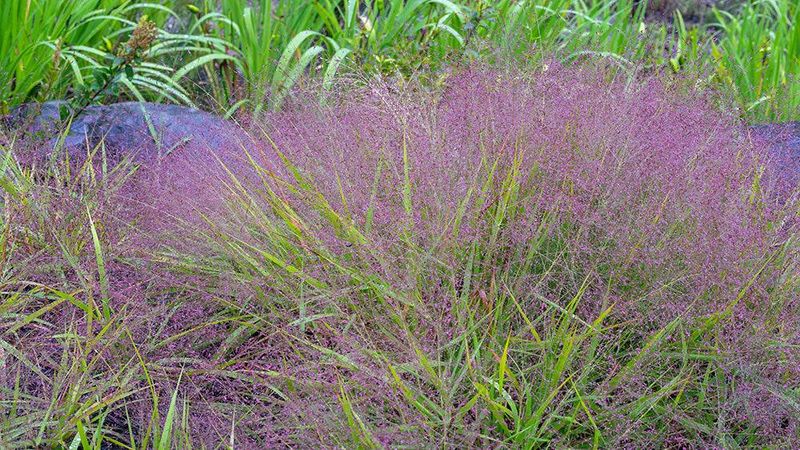
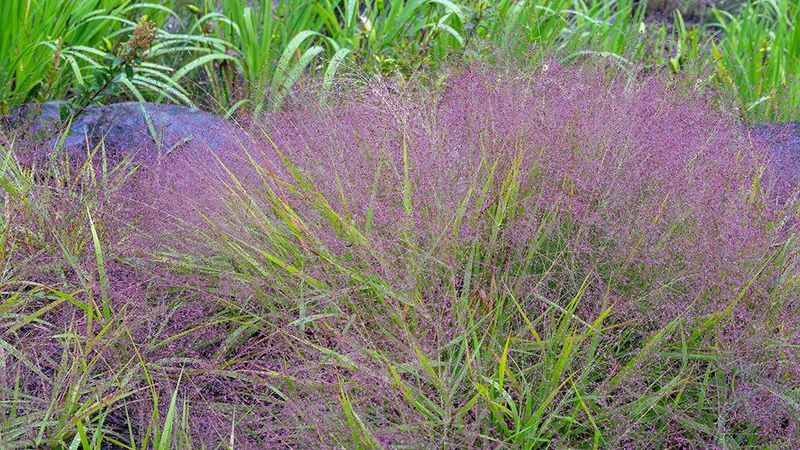
In late summer, purple lovegrass turns into a soft pink cloud that seems to float above the ground. Neighbors will ask what it is.
It stays short, under 2 feet, so it suits slopes near sidewalks and driveways where you want a low look. Dry, sandy or rocky soil is where it shines.
Pair it with taller grasses behind it for layered texture and a clear view from the street.
9. Virginia Wild Rye
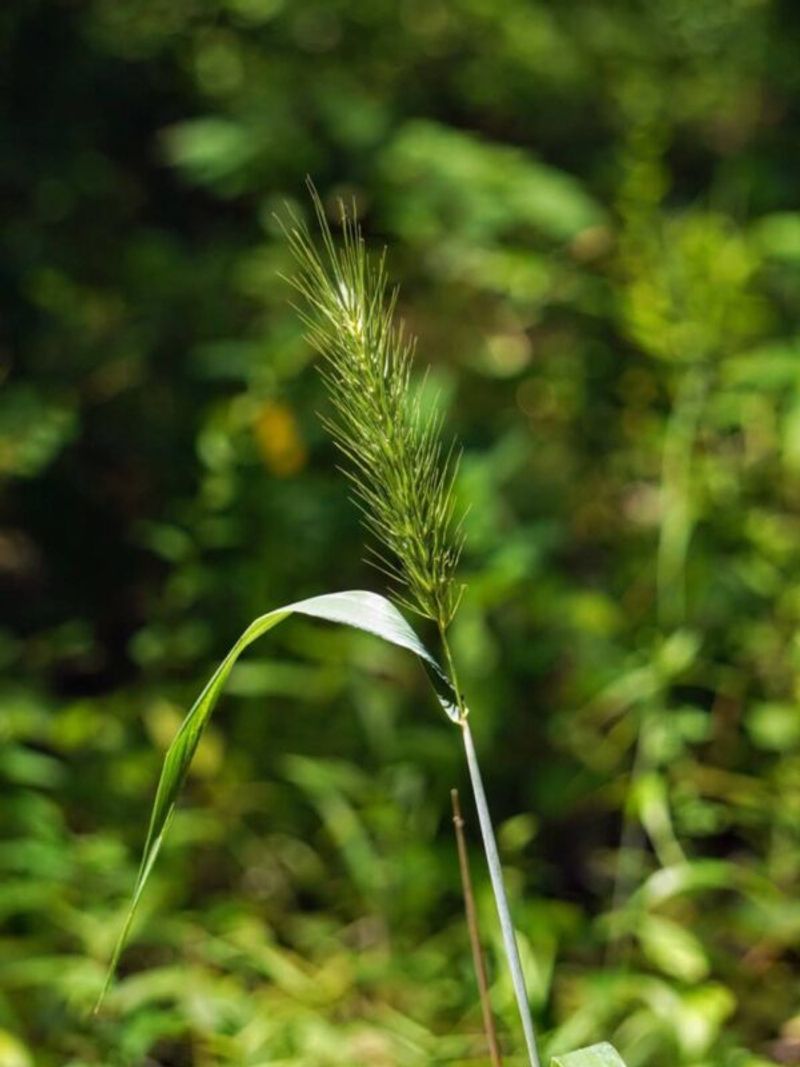
Shady slope? Most meadow seeds struggle there, but Virginia wild rye handles part shade well.
It is a cool-season grass, which means it sprouts quickly in fall and stays green through winter. That early growth helps hold bare soil during heavy winter rains.
Add it to any mix as a nurse crop. It covers ground fast while slower natives get going underneath.
10. Smooth Blue Aster
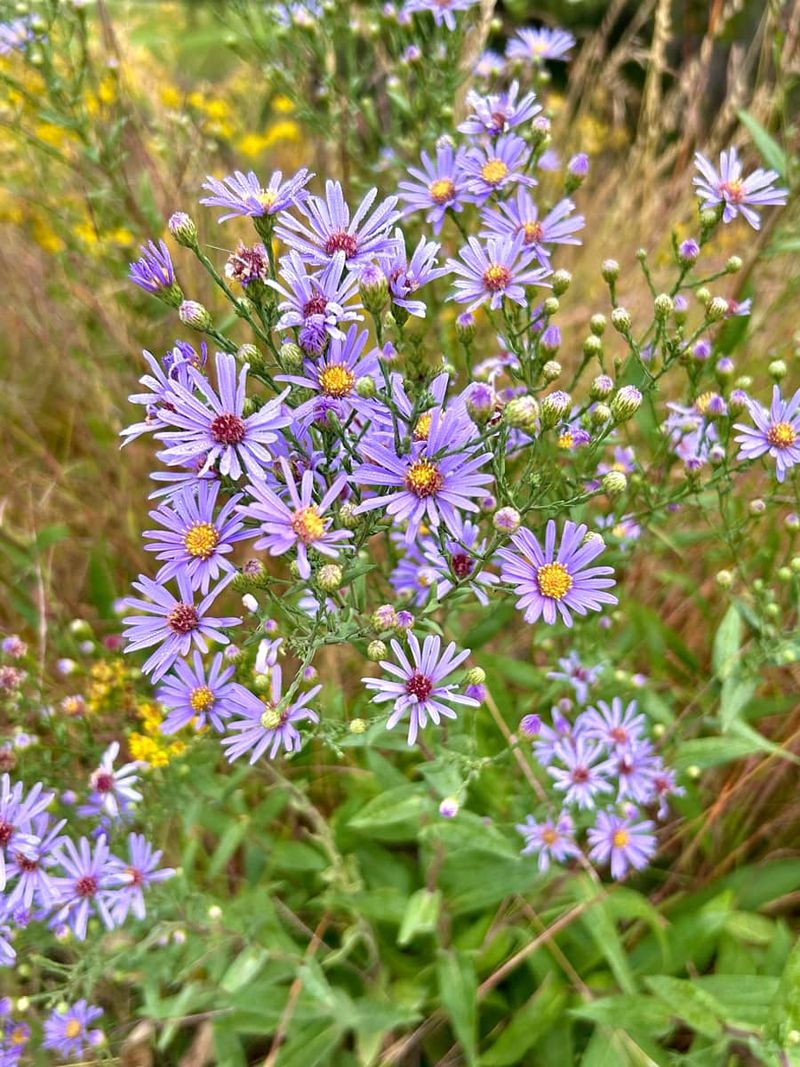
When everything else fades in October, smooth blue aster steps up with sky-blue flowers. It gives your slope a final show of the year.
Late blooms are a big deal for migrating monarchs and bees stocking up before winter. Its waxy leaves also handle dry spells well.
One tip to finish your project: mow or cut the whole slope just once in late winter, around February. That single trim may help keep woody weeds out, and it is far easier than weekly summer mowing.
Keep paths edged near the house, too, since a tidy border helps reduce tick-friendly brush where kids play.