
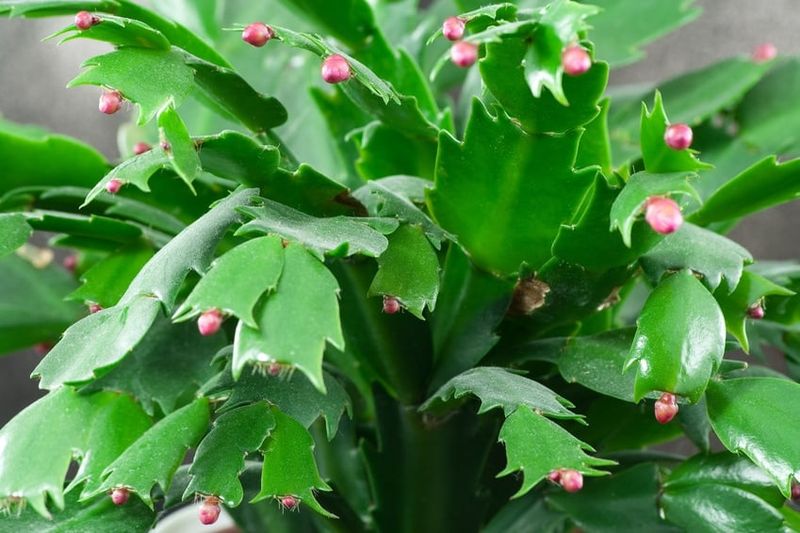
A holiday cactus that never blooms can feel like a puzzle, especially in a warm Southern home where fall barely cools off. The plant usually needs a few clear signals from you: dark nights, mild temperatures, and steady watering.
October is a handy time to start giving those signals. Here is how to set up the conditions and what to expect from them.
October Can Encourage Buds, but It Cannot Guarantee Holiday Blooms
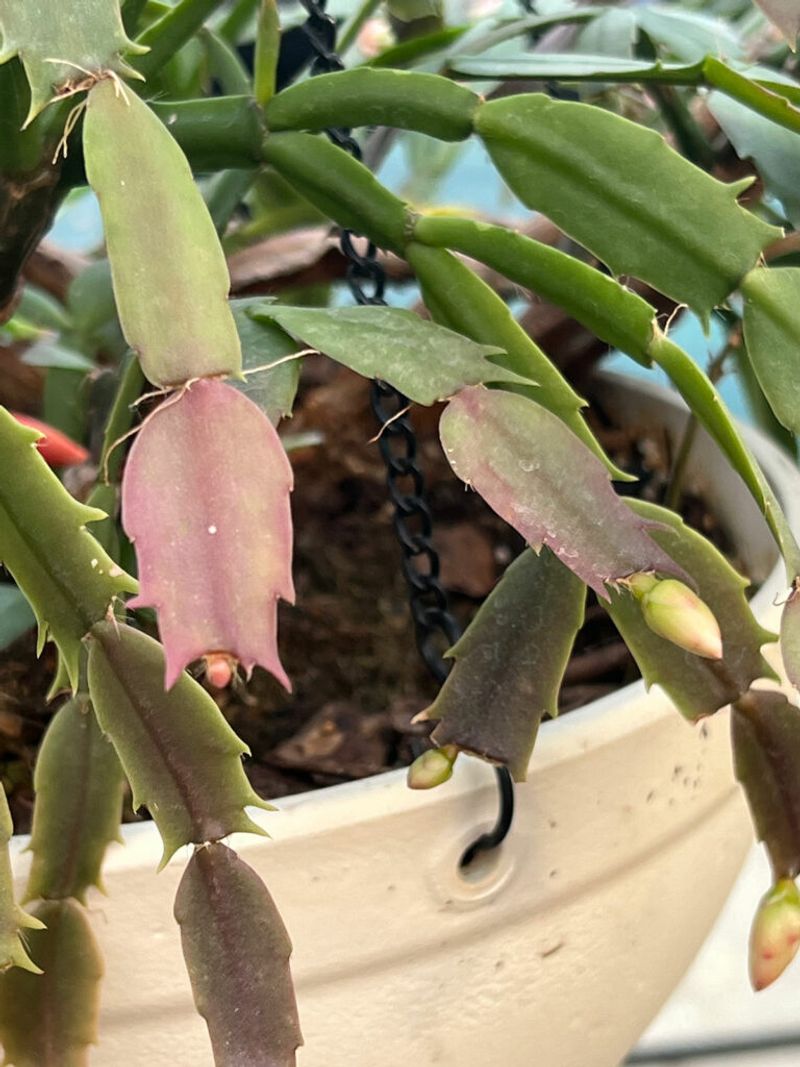
Start in mid-October and you may be rewarded with flowers close to the holidays, though nothing about the calendar is guaranteed. UF/IFAS gives an example of beginning around October 14, giving about six weeks of dark treatment, and seeing bloom near December 23.
Think of that as a rough guide. Actual timing shifts from plant to plant and home to home.
Plant identity matters too. Illinois Extension notes that many plants sold as Christmas cactus are really Thanksgiving cacti, which typically bloom earlier.
True Christmas cacti usually open later. If your plant flowers in November, it may simply be the earlier type, not an off-schedule one.
So treat October as a useful starting point, not a deadline. The changes you make can encourage buds to form, but they cannot promise a plant covered in blooms on a set date.
Check the stem shape and your plant tag if you can, then adjust your expectations to match.
Give the Plant Bright Days and Long, Uninterrupted Nights
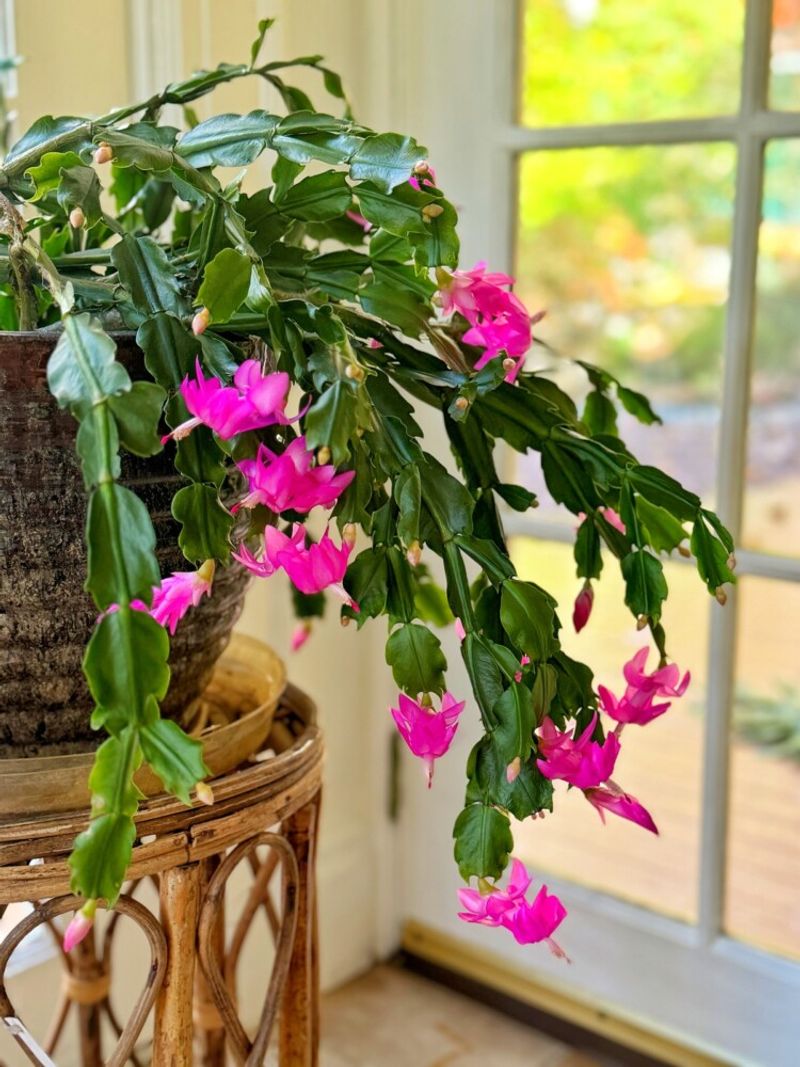
Daytime light comes first. Park the plant where it gets bright, indirect light, such as near an east window or a few feet back from a sunny south one.
Strong afternoon sun through Florida or Texas glass can scorch the segments, so a sheer curtain helps.
Nights are where the flowering signal happens. Illinois Extension recommends at least 12 hours of continuous darkness for five to six weeks.
Iowa State says many cultivars need 14 to 16 hours, though some respond to 12. Because cultivars differ, aim for roughly 12 to 14 hours or more and watch how your plant responds.
The darkness has to be truly uninterrupted. A lamp, a kitchen light, or a hallway glow switching on at 10 p.m. can break the dark period.
A spare room, a closet, or a box placed over the plant each evening works well, as long as you uncover it each morning.
Provide Cool Conditions Without Exposing the Plant to Cold
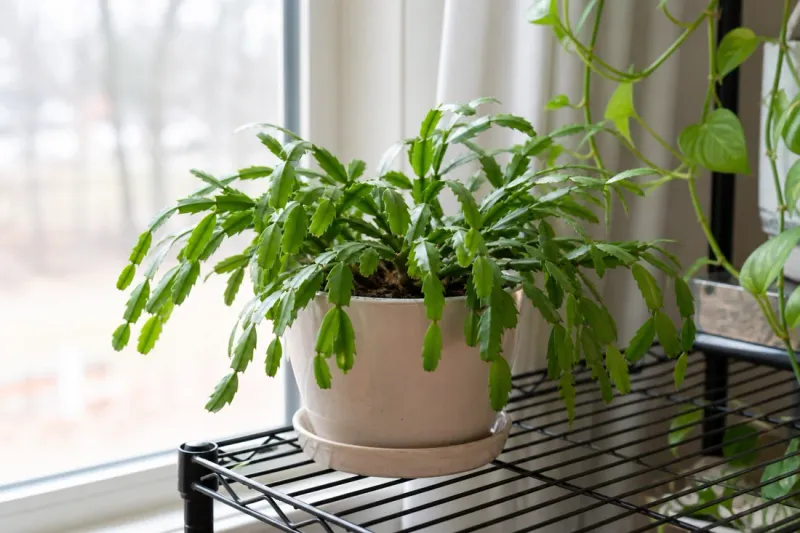
Mild nights help buds form. Illinois Extension suggests daytime temperatures of 65 to 70°F and evenings of 55 to 65°F.
Iowa State adds that temperatures above 70°F can prevent flowering under short days.
Cool does not mean cold. Illinois Extension warns that temperatures below about 50°F may cause bud drop.
Keep the plant away from drafty doors, single-pane windows on chilly nights, and air conditioning vents that blast directly onto it.
In warm Southern homes, the thermostat often sits above 70°F, so a cooler spare room can be a good spot. Don’t count on outdoor fall weather to do the job, since Florida and Texas nights swing widely.
If the plant spent the summer outside, Texas A&M advises bringing it inside before frost.
Water According to the Mix, Not a Drought Schedule
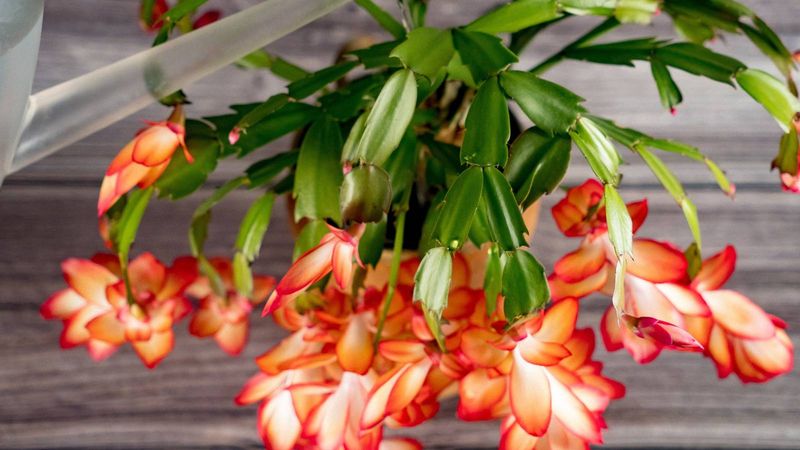
Withholding water is not a simple trick for setting buds. Holiday cacti come from rainforest trees, so they don’t behave like desert cacti.
Advice on cutting back varies: Clemson suggests reducing water around the end of September and increasing it after buds form, while Iowa State favors evenly moist soil during budding.
A better habit is to check the mix. UF/IFAS advises watering when the top inch feels dry.
Treat that as a cue, not a rigid calendar, since a bright room in Texas dries a pot faster than a shaded one in Florida humidity.
Water until it runs out the bottom, then empty the saucer so roots don’t sit wet. Iowa State cautions against both extremes during bud development.
Soggy roots and bone-dry mix can each contribute to buds dropping, and UNH Extension also stresses matching water to the plant’s actual needs.
Keep Conditions Steady After Buds Appear
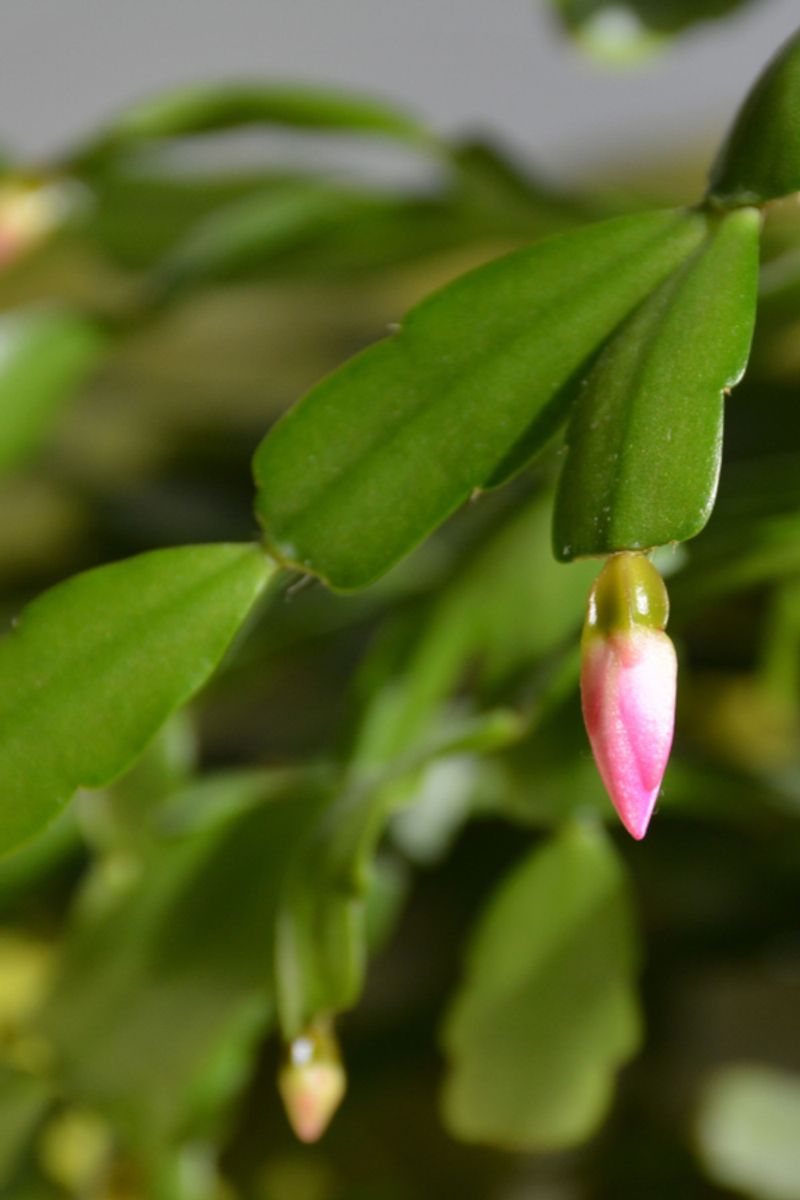
Once you spot tiny buds at the segment tips, the job changes from encouraging to protecting. Sudden shifts in location, light, temperature, or watering can contribute to buds dropping.
That’s why a plant that looked loaded last week can suddenly litter the floor with buds.
Resist the urge to rearrange. Leave the pot where it has been, keep the same light pattern, and water the same way you have been, based on the mix.
Even turning the pot can bother some plants, so mark the side facing the window and leave it alone.
Iowa State advises waiting until flowers begin opening before moving the plant to a display spot. At that point it’s reasonable to carry it to the dining table or entry.
Even with steady care, a few buds may still fall, and that doesn’t mean you did something wrong.
Use a Simple Fall Check-In, Not a Guaranteed Bloom Schedule
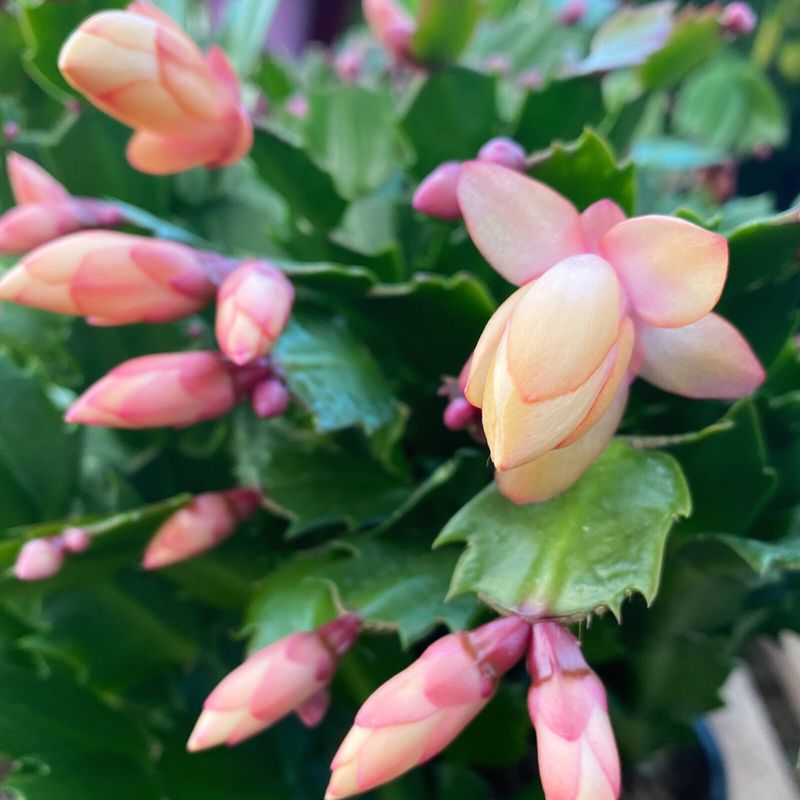
A quick weekly check-in keeps the routine manageable. Make sure the plant gets bright, indirect light by day and uninterrupted dark at night.
Keep it cool but safe, then press a finger into the mix before you water. Once buds show, hold everything steady.
For the full picture on timing and care, UF/IFAS and Iowa State are good places to compare notes.
October gives you a useful chance to encourage flowering, but it doesn’t promise a plant covered in buds by any particular holiday. Some cultivars run early and some run late.
A cactus that blooms a few weeks off the calendar is still doing exactly what it’s built to do.