
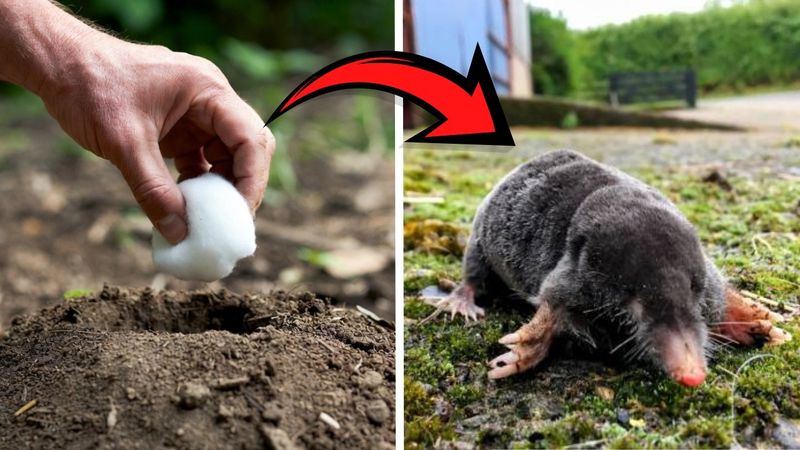
You step outside on a cool fall morning and spot raised, squishy tunnels zigzagging across the lawn you worked so hard on all summer. Those ridges mean moles are busy underground, hunting grubs and earthworms while loosening grass roots along the way.
In Southern yards from Texas to Florida, fall moisture can keep moles active well into the season, so the damage often spreads fast. The good news is that your kitchen pantry may already hold several simple, low-cost helpers that can make your yard far less inviting to these diggers.
1. Castor Oil

Ask any old-school gardener in East Texas about moles, and castor oil usually comes up before the coffee cools. It’s the backbone of many store-bought mole repellents, and you may already have a bottle tucked behind the cooking oils.
The idea is simple. Castor oil seems to upset the moles’ digestion and coats the soil with a taste and smell they dislike, which can push them to tunnel somewhere else.
It doesn’t poison them, so it’s a gentler choice for yards shared with pets and kids.
Mix about 3 tablespoons of castor oil with 1 tablespoon of dish soap, then add that to a gallon of water. Shake well, since oil and water like to separate.
Pour or spray it over fresh ridges and the surrounding lawn, then water it in lightly so it reaches the tunnel level.
Timing matters. Apply right after a fall rain or a deep watering, when the soil is soft and the mixture can soak down.
Repeat every week or two, and again after heavy storms, because the effect fades as the oil breaks down.
Results vary from yard to yard, but many homeowners notice fewer fresh tunnels within a few weeks of steady use.
2. Cayenne Pepper
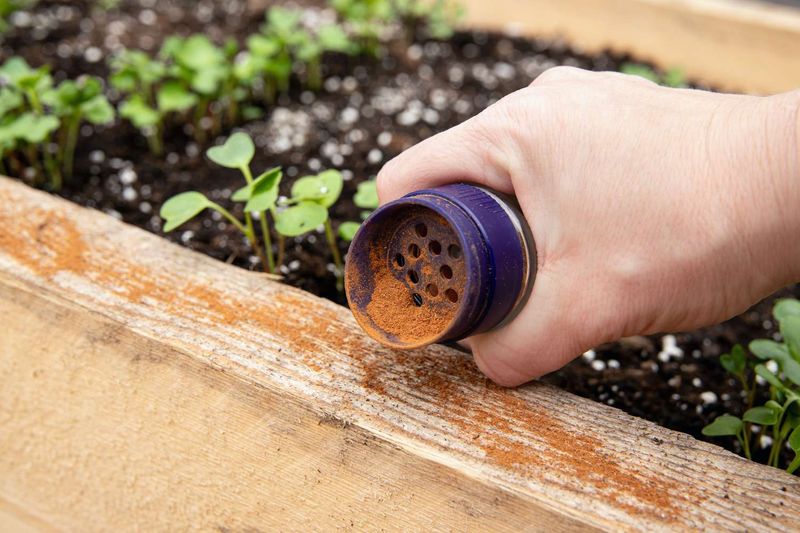
Picture sticking your nose into a pile of red pepper dust. That’s roughly the welcome a mole may get when it bumps into a cayenne-treated tunnel.
Moles live by their sense of smell and touch, since their eyes are tiny and nearly useless underground. Capsaicin, the hot compound in cayenne, can irritate their sensitive snouts and may encourage them to steer clear of a treated area.
It’s cheap, easy to find, and works well as a spot treatment.
Here’s how to use it. Find an active tunnel by gently pressing down a ridge and checking the next day to see if it’s been pushed back up.
Poke a small hole into the active run with a stick or dowel, sprinkle in a teaspoon or two of cayenne, and cover the hole back up.
You can also blend cayenne with a little castor oil mixture for a two-punch spray. Just wear gloves and keep the powder away from your eyes, especially on breezy fall days.
Rain washes pepper away quickly in humid Southern climates, so plan to reapply after storms. Think of it as a helpful nudge rather than a sure fix, and pair it with other methods for better odds.
3. Garlic
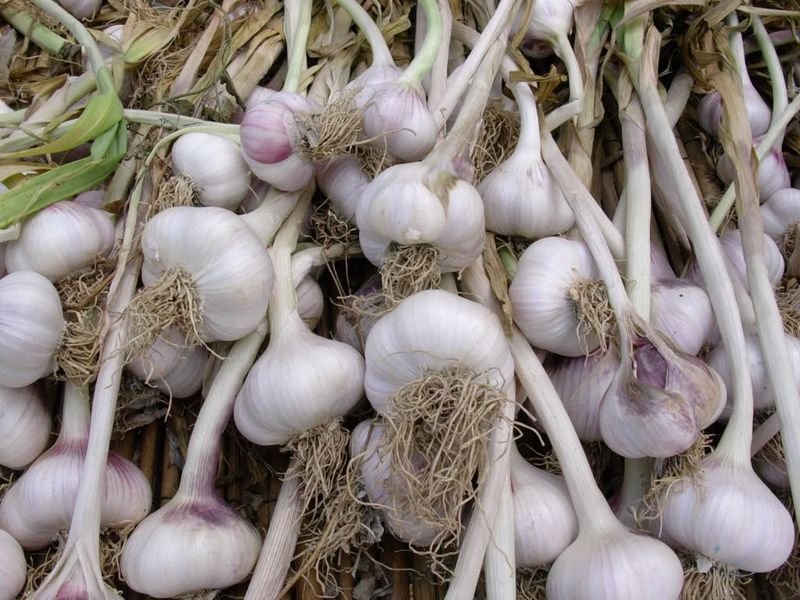
Garlic has a long reputation for keeping unwanted visitors away, and moles might be on that list too. Its strong sulfur compounds are what give it that punchy aroma, and those same compounds can make underground runs smell unpleasant to a sniff-driven critter.
The easiest approach is to crush a few cloves and drop them straight into active tunnels. Press the soil back over the opening so the scent stays trapped where the mole travels.
For bigger areas, try a garlic spray instead.
To make the spray, blend a whole bulb with two cups of water, let it sit overnight, then strain it. Add the liquid to a gallon of water with a squirt of dish soap and pour it along fresh ridges and garden bed edges.
Some Southern gardeners also tuck garlic plants into borders around vegetable beds. Fall is actually prime garlic planting time in Texas and much of the South, so you can grow a living barrier while also enjoying a harvest next spring.
Garlic alone may not chase off a stubborn mole, but it adds another layer of discomfort. Combine it with castor oil or pepper, and your lawn may start to feel a lot less homey to tunnelers.
4. Used Coffee Grounds
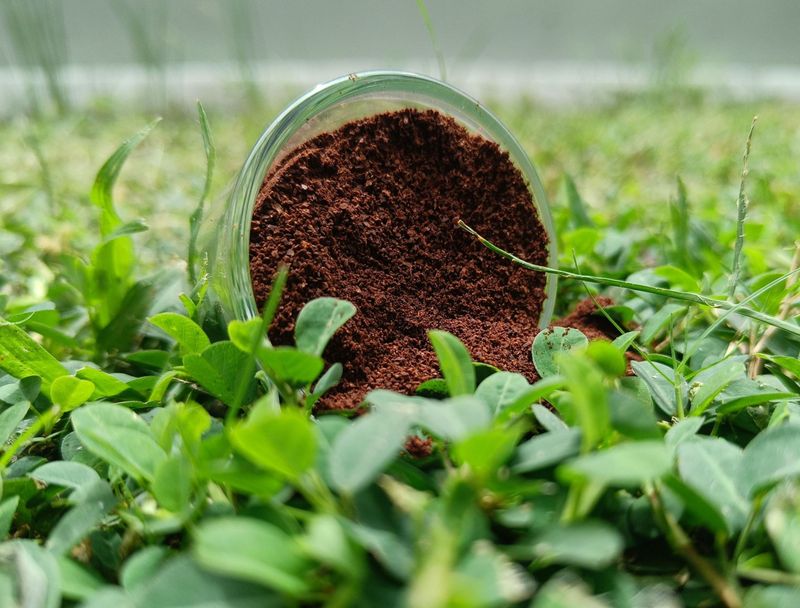
Your morning cup might be doing double duty. Instead of tossing used coffee grounds in the trash, many gardeners scatter them near mole activity as a scent-based deterrent.
Coffee has a bold smell that lingers in damp soil, and some homeowners report fewer fresh tunnels after working grounds into the affected areas. The science here is thin, so think of it as a bonus tactic rather than a main defense.
Still, it costs nothing and adds organic matter to your soil.
Spread a thin layer of grounds over tunnel areas and along bed edges, then lightly rake them in. You can also drop a spoonful directly into an opened tunnel before sealing it back up.
Avoid piling them thick, since heavy layers can crust over and block water.
Here’s a neat side benefit. Coffee grounds feed earthworms over time, and while worms are a mole snack, healthy soil helps your grass bounce back from tunnel damage faster.
Collect grounds all week in a container by the coffee maker, and you’ll have a steady supply. Local coffee shops across Florida and Texas often hand out bags for free if you ask, which makes covering a bigger lawn much easier.
5. Dish Soap
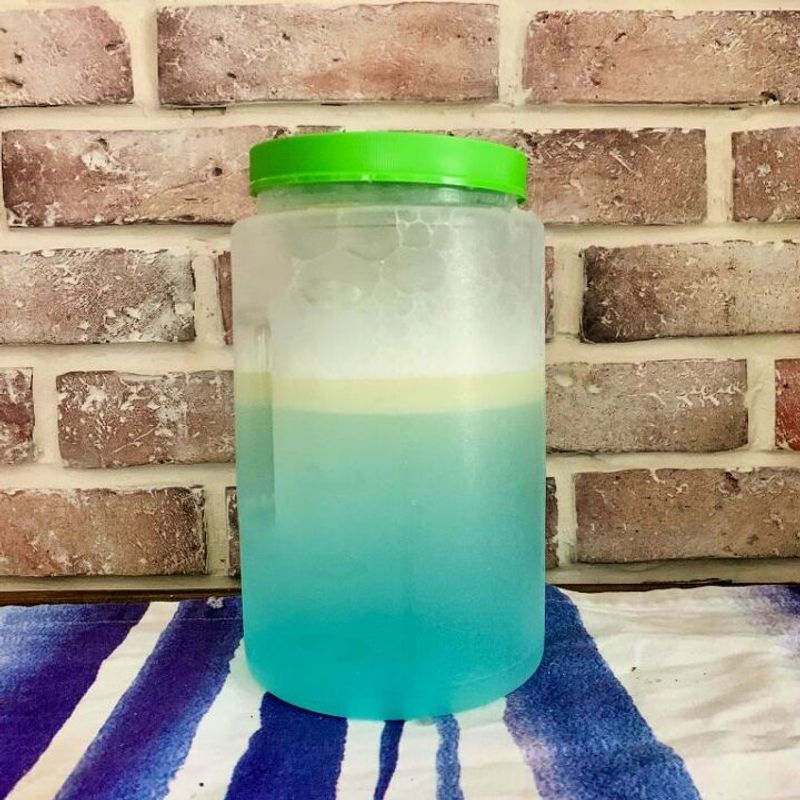
It’s the quiet hero of nearly every homemade mole recipe. On its own, dish soap won’t do much, but without it, your oil and pepper sprays would mostly sit on top of the grass.
Soap acts as a mixer and a wetting agent. It helps oils blend with water and lets liquids slip past thatch and down into the soil, right where moles travel.
In thick Southern turf like St. Augustine or Zoysia, that extra push really matters.
A basic ratio is one tablespoon of mild liquid dish soap per gallon of water, plus whatever active ingredient you’re using. Skip soaps with bleach or degreasers labeled as heavy-duty, since those can scorch grass, especially in warm fall afternoons.
There’s also a grub angle worth knowing. A soapy water drench, about two tablespoons per gallon poured over a square yard, can bring grubs and other insects to the surface so you can check how many are living in your lawn.
If you see lots of them, that tells you why moles are so interested.
So while dish soap won’t scare moles away by itself, it makes almost every other pantry remedy on this list work better.
6. Red Pepper Flakes

Got a jar of crushed red pepper left over from pizza night? Those chunky flakes may be more useful in the garden than in the spice rack.
Unlike fine cayenne powder, flakes hold up a little longer in the soil. They don’t blow around as easily on windy days and break down more slowly in rain.
That makes them handy for vegetable beds where you’d rather not spray anything near your fall greens.
Try mixing a handful of flakes into the top inch of soil around beds of lettuce, collards, or broccoli. You can also sprinkle them into opened tunnels along the bed edges before packing the dirt back down.
The spicy compounds may make the area uncomfortable enough that a mole decides to dig elsewhere.
A few safety tips help. Wear gloves, wash your hands afterward, and keep flakes away from areas where dogs like to sniff and roll.
Flakes work best as a boundary tool, guarding the spots you care about most. Pair them with a broader lawn treatment, and you’ll have a better shot at protecting both your grass and your cool-season vegetables this fall.
7. Black Pepper
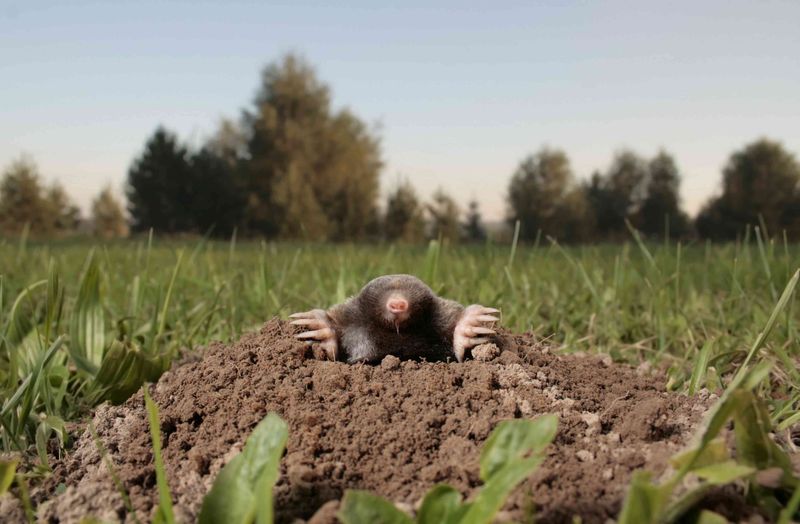
Sometimes the simplest seasoning in the kitchen earns a spot outside. Ground black pepper contains piperine, a compound that can tickle and irritate a nose, and moles depend heavily on theirs.
Because it’s in nearly every home, black pepper makes a great backup when you run out of cayenne. It’s milder, though, so you’ll want to use a bit more for any chance of effect.
Start by locating active runs. Step lightly on several ridges, then check back in a day.
Any section that’s been raised again is in use and worth treating.
Open a small gap in the tunnel, shake in a generous pinch of pepper, and close it up. Some gardeners mix black pepper with garlic powder for a stronger blend.
Keep an eye on the spot over the next week to see whether fresh digging shifts away.
Fun fact: black pepper was once so valuable it was traded like money and even used to pay rent in medieval Europe. Today it’s cheap enough to sprinkle in the yard.
Expect to reapply after heavy rains or sprinkler runs, especially in sandy Florida soils that drain fast and carry spices away.
8. Cinnamon
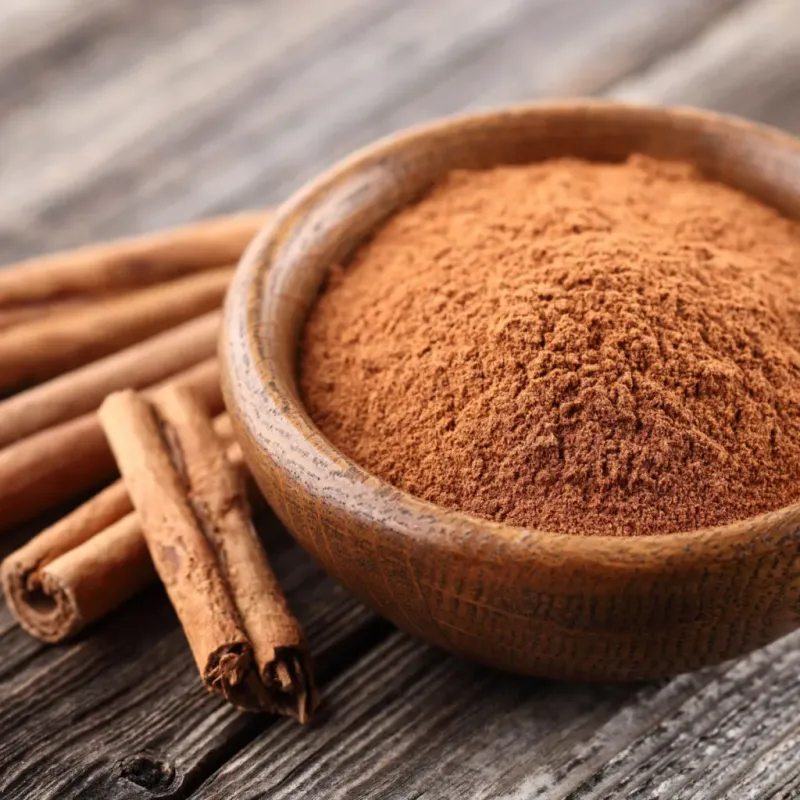
Few smells say fall like cinnamon. Your kitchen might love it, but some gardeners find it helps make tunnels less inviting.
Cinnamon has a strong, warm scent, plus natural compounds that many insects avoid. It may not be the most powerful mole deterrent on this list, but it’s pleasant to handle and safe around most gardens.
That makes it a nice pick for beds close to your porch or patio, where pepper sprays would be harsh.
Sprinkle ground cinnamon directly into active tunnels, or dust it along the border where your lawn meets flower beds. Some folks push whole cinnamon sticks into the soil every foot or so along a tunnel line.
They release scent slowly and hold up better than powder.
There’s a bonus too. Cinnamon is often used by gardeners to help discourage fungus on seedlings, so a light dusting near fall transplants may pull double duty.
Buy it in bulk from discount stores or warehouse clubs, since grocery store jars add up quickly. Reapply after rain, and think of cinnamon as a friendly, low-risk layer in a bigger plan rather than a stand-alone fix.
9. Vinegar
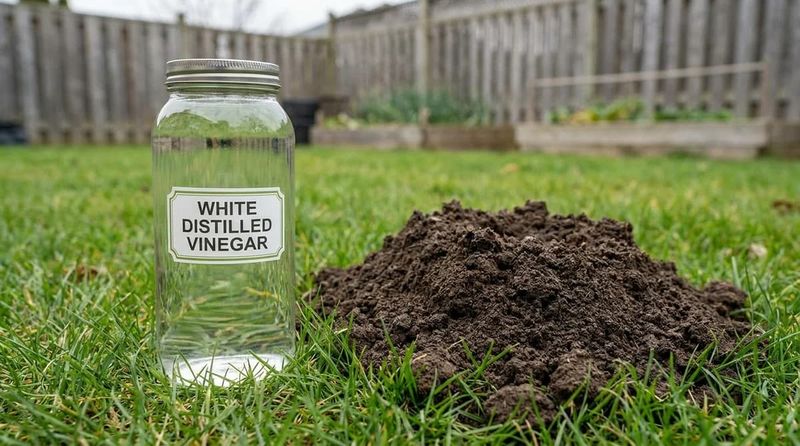
White vinegar is the multi-tool of the pantry, and some gardeners reach for it when mole tunnels start popping up. Its sharp, sour smell is hard to miss, even for us.
The method is straightforward. Soak an old rag in plain white vinegar and stuff it into an active tunnel, then cover the opening with soil.
The trapped fumes may convince the mole to abandon that route. Swap in a fresh rag every few days to keep the scent strong.
Now, a word of caution. Vinegar is acidic and can burn grass and plant roots if you pour it straight onto the lawn.
That’s why the rag trick works better than spraying. Keep it focused inside tunnels and away from your favorite shrubs.
This approach shines in spots where you only see one or two main runs, like along a fence line or under a walkway. It’s less practical for a lawn crisscrossed with dozens of ridges.
Vinegar won’t solve a heavy infestation, but as a targeted tool it costs pennies and may help reroute moles away from a specific trouble zone.
10. Peppermint Oil

Walk past a mint patch on a warm day and the scent almost slaps you. Moles, with their super-sensitive noses, may feel the same way about concentrated peppermint oil.
Many people keep a small bottle for baking or home cleaning, which is why it lands on this list. A few drops go a long way, so a single bottle can treat quite a few tunnels.
Put 10 to 15 drops onto a cotton ball and drop it into an active run. Cover the hole so the scent stays underground.
For wider coverage, mix about 20 drops with a teaspoon of dish soap in a gallon of water and pour it along the ridges.
Peppermint fades faster than castor oil, especially in Southern heat, so plan to refresh it every few days. Keep bottles away from pets, since concentrated essential oils can be harmful to cats and dogs if they lick or chew them.
Want a longer-lasting option? Plant real mint in containers sunk near your beds.
Keeping it potted stops it from taking over, and its smell may help discourage diggers while giving you fresh leaves for tea.
11. Baby Powder
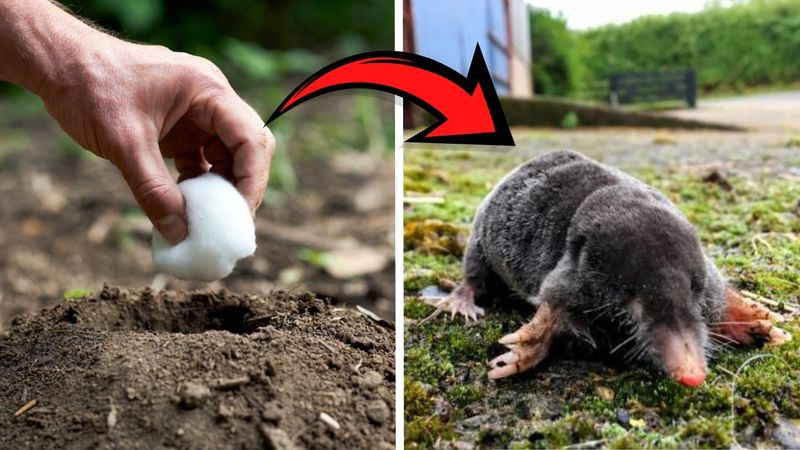
Here’s one that surprises a lot of folks. Baby powder, often stored in the same cabinet as cleaning or pantry supplies, has a following among gardeners fighting moles.
The thinking is that its strong perfume and fine texture can bother a mole’s nose and fur. While there’s little formal research to back it up, some homeowners say they’ve seen digging slow down after treating runs this way.
It’s worth a try if you already have some on hand.
Use it like other powders. Open a small hole in an active tunnel, shake in a few tablespoons, and seal it back up.
Avoid dusting big clouds across the lawn, since you don’t want to breathe it in, and it does little good sitting on the grass blades.
Choose a cornstarch-based powder if possible. Cornstarch breaks down naturally in the soil, which makes it a cleaner choice for garden areas.
Like other scent tricks, baby powder washes away with rain and irrigation. Use it as a quick backup in spots near patios or walkways, where you’d prefer a mild, familiar scent over something spicy or sour.
12. Milky Spore and Grub-Fighting Molasses
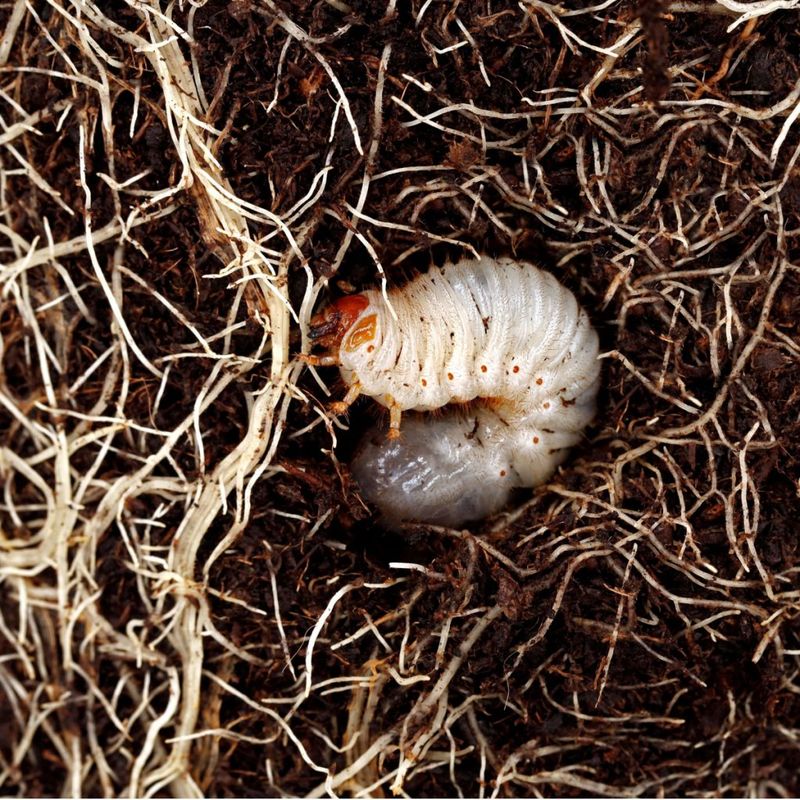
Moles don’t dig for fun. They’re following the food, and in many Southern lawns that means grubs and other soil insects.
Cutting the buffet may be the smartest long-term move.
That’s where molasses comes in. Dark, unsulfured molasses feeds beneficial soil microbes, and many organic gardeners use it to boost healthier soil life.
Some find a lawn with balanced soil biology holds fewer grub problems over time, though results vary.
Mix about one cup of molasses with a gallon of warm water and spray it over the lawn in early fall. You can also add it to your castor oil mix, since molasses helps it stick to the soil.
For serious grub trouble, pair molasses with milky spore, a natural bacteria sold at garden centers that targets Japanese beetle grubs. It’s not a pantry item, but it fits well with this approach.
Beneficial nematodes are another good option, especially in warm Florida and Texas soils.
Fewer grubs often means fewer reasons for moles to stick around. Combine this with your scent deterrents, and you’re tackling both the visitor and the reason it showed up in the first place.