
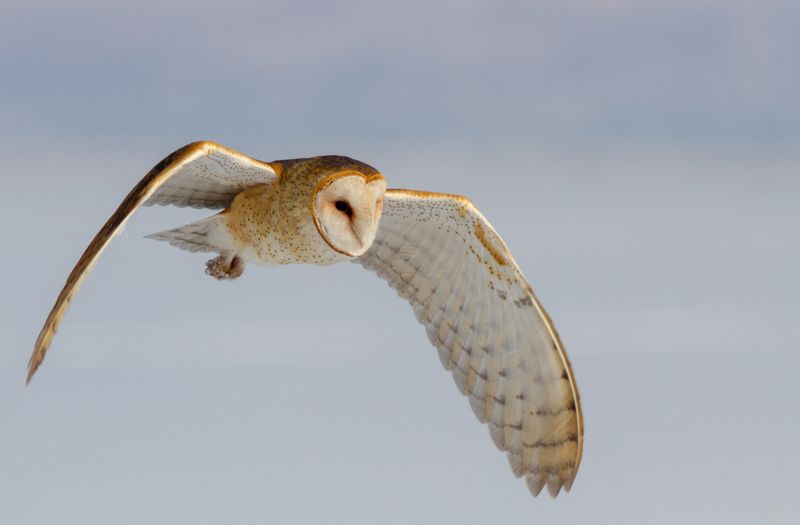
Hearing a barn owl screech over your California yard at night feels like a free pest-control service. Owls do eat pocket gophers, but a single yard is a tiny slice of the territory one owl covers.
Poison also deserves a hard look, because bait can put other wildlife at risk. Here is what the research really says, and what you can do this winter when fresh mounds show up.
Barn owls eat gophers, but they do not reliably protect small yards
Barn owls really do eat pocket gophers. That part of the headline is true.
The trouble starts when we picture one owl patrolling one lot, because owls roam across much larger areas than a typical residential yard.
According to UC IPM’s home and landscape guidance, owls hunt over large areas and are unreliable for controlling gophers on small properties. They also tend to favor places where prey is plentiful, so your lawn is just one option on a long menu.
An owl overhead tonight does not mean a gopher-free bed tomorrow.
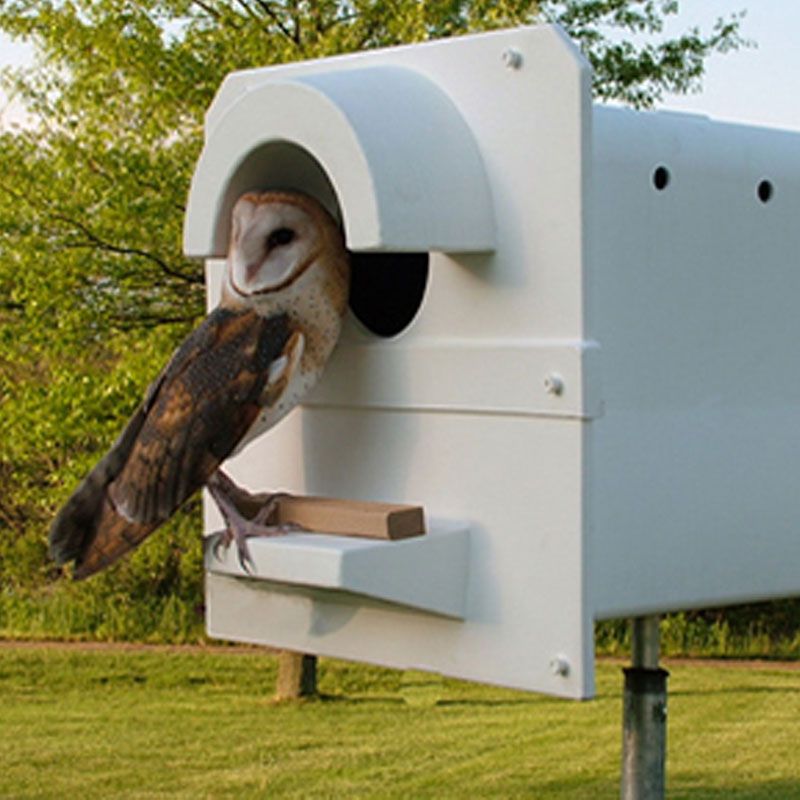
California research shows the same pattern. A 1998 study in vineyards and orchards confirmed that owls ate gophers, yet its authors found little evidence that nest boxes alone controlled them.
Occupied boxes and gopher meals did not add up to dependable control.
Those studies also happened on farms, not in suburban lots. A Napa Valley vineyard study of nest boxes looked at big landscapes, so its results do not automatically carry over to a quarter-acre yard.
Think of owls as a welcome bonus for the neighborhood, not a replacement for hands-on gopher control. An owl box can be a nice habitat gesture, but it should not be your plan for protecting tomatoes or roses.
Rodenticide exposure is a real concern, but it does not explain every absent owl
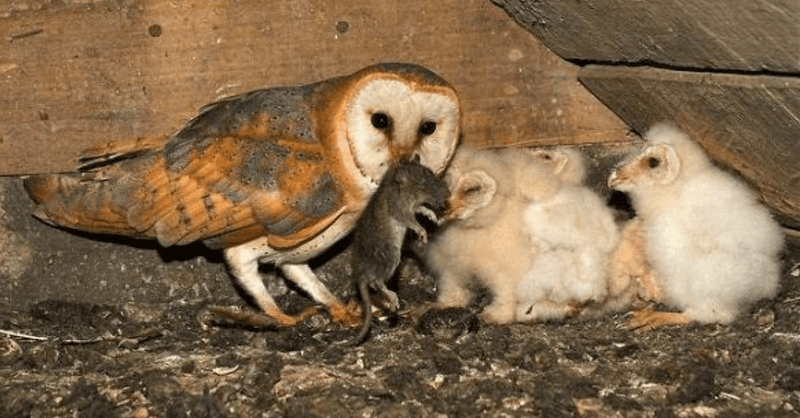
Poison can travel up the food chain. When a rodent eats bait and is then eaten by a predator, the predator can take in the poison too.
This is called secondary exposure, and barn owls are among the animals it can affect.
California wildlife officials track this. The state Wildlife Health Lab’s avian investigations include confirmed poisoning cases, and California Department of Fish and Wildlife data on pesticide exposures and mortalities document wildlife cases too.
Meanwhile, UC Davis researchers are studying how exposure happens and what it does to barn owls.
Here is the careful part. Finding poison in an owl, confirming a poisoning, an owl death, a population decline, and an owl changing where it hunts are five different things.
None of these records show that one household’s bait killed local owls, chased them from a yard, or is why gophers stuck around. Owls may be missing for plenty of other reasons, like nesting sites or food elsewhere.
What you can fairly take from the research is simpler. Poison carries a wildlife risk that is easy to avoid, so choosing other methods is a low-regret move.
Just do not expect that choice alone to bring owls back or empty your yard of gophers.
Gopher bait and rat or mouse bait are not interchangeable
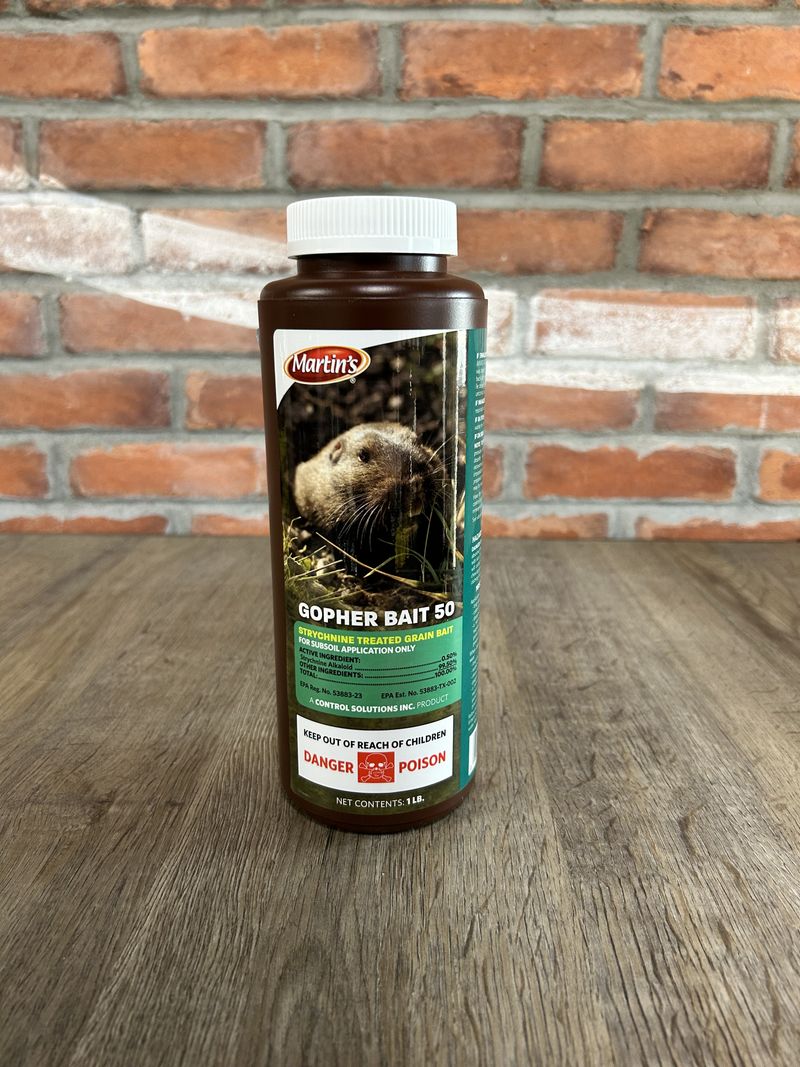
Walk down a hardware store aisle and rodent products start to blur together. They are not the same.
Baits are made and labeled for particular pests, particular places, and particular ways of use.
A product meant for rats in a building is not automatically approved for gophers underground. The EPA’s page on rodenticide product restrictions covers consumer rat and mouse products, which are a different set of uses than gopher baiting.
Likewise, you cannot assume every bait carries the same exposure risk to pets or wildlife.
The label is the rule. Read it for the target pest, the allowed site, and the directions before anything leaves the package.
On the gopher side, UC IPM says gopher bait belongs inside the burrow system, never scattered or left above ground. Spilled bait can expose pets and nontarget wildlife.
If you ever see bait on the surface of a lawn, that is a red flag worth fixing right away.
For most home gardeners, the safer route is skipping bait entirely and leaning on traps and barriers, covered below.
California’s anticoagulant restrictions depend on the ingredient and use
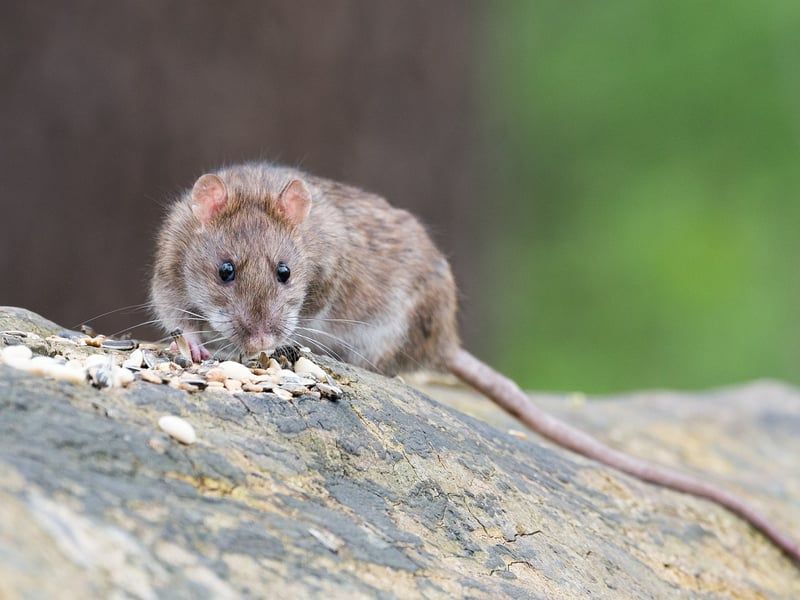
California has tightened its rules on anticoagulant rodenticides in recent years, and the details depend on the active ingredient. That means “banned” is too blunt a word.
Some uses are prohibited, some have exceptions, and some products differ from others.
The state’s Department of Pesticide Regulation says most uses of diphacinone have been prohibited since January 1, 2024. It also says most uses of chlorophacinone and warfarin have been prohibited since January 1, 2025.
Second-generation anticoagulants face limits as well. DPR’s guidance on these products prohibits most uses, with specified exceptions.
So how do you check a product? Find the active ingredient on the label, then look up the current state requirements for it.
Confirm the product is allowed for your intended use and that no exception applies in your situation. A product being on a store shelf, here or in another state, does not mean it is legal to use in your California yard.
When in doubt, call your county agricultural commissioner’s office before buying.
Fresh mounds help you find active tunnels to trap
Old, dried-out mounds tell you where gophers were. Fresh, loose soil tells you where they are now.
UC IPM advises using fresh mounds to locate active burrows, so look for dark, moist dirt that was pushed up recently.
Acting soon matters too. UC IPM recommends prompt action such as trapping when fresh mounds appear, rather than waiting for owls or hoping the problem fades.
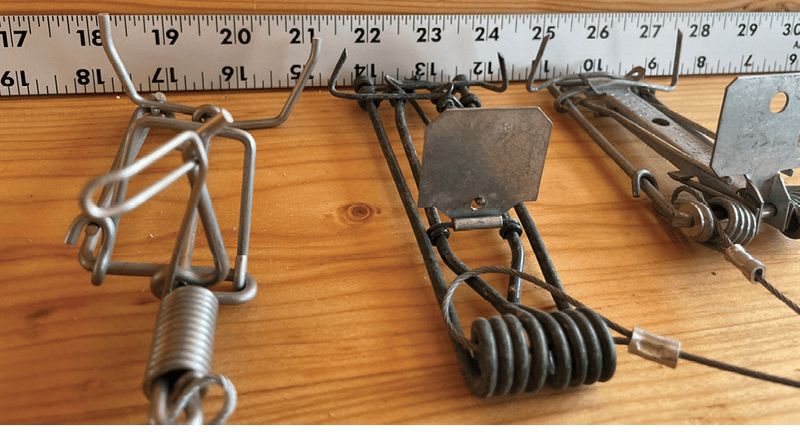
The basic method works like this. Probe near a fresh mound to find the main tunnel, then open it enough to set the trap underground inside the active tunnel.
Set traps in pairs facing opposite directions, so a gopher coming from either side meets one.
Next, cover the opening so light does not get in, since gophers tend to plug holes they see. Then check the traps often, ideally a couple of times a day at first.
If a trap sits untouched for a few days, move it to another spot in the tunnel system.
Wear gloves, keep pets and kids away from open tunnels, and mark where each trap sits. Trapping targets the gopher in your yard and leaves other animals out of the equation.
It will not guarantee you remove every gopher, but it is the most direct response to current damage.
Physical barriers can protect new beds while you manage gophers
Trapping deals with the gophers already there. Barriers deal with a different question: how to keep roots safe in a bed you are about to plant.
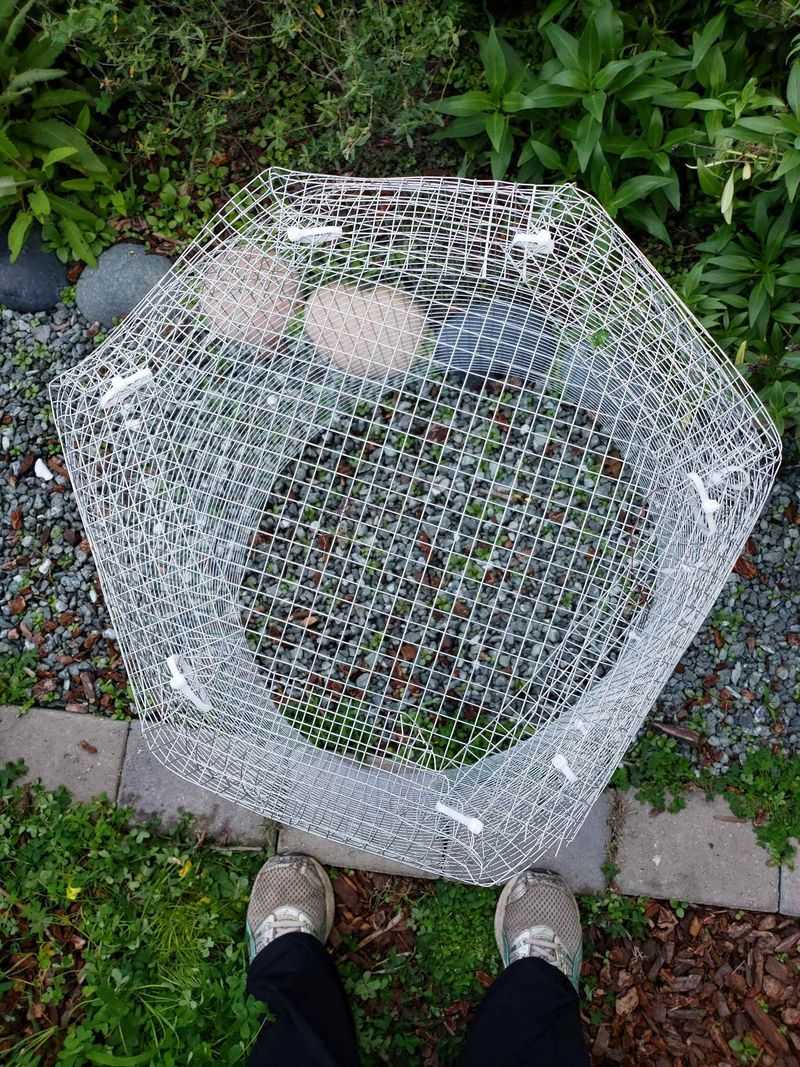
For that, UC IPM points to underground hardware cloth or wire baskets.
Line the bottom and sides of a new bed with hardware cloth before you add soil, and overlap the seams so there are no gaps. For a single shrub or fruit tree, a wire basket around the root ball does the same job at a smaller scale.
The idea is that UC IPM’s underground protection advice shields the plants most likely to be chewed from below.
Think of this as protecting specific spots, such as a vegetable bed, a young rose, or a newly planted tree. It does not clear a yard of gophers, and it does nothing to attract or discourage owls.
If gophers are tunneling in your lawn, you still need trapping.
Pairing the two works well. Barriers shield the plants you care about most, while traps reduce the animals working the rest of the yard.
Plan barriers at planting time, because adding them later means digging up roots.
Winter can be a useful time to manage gophers, not a guarantee of owl control
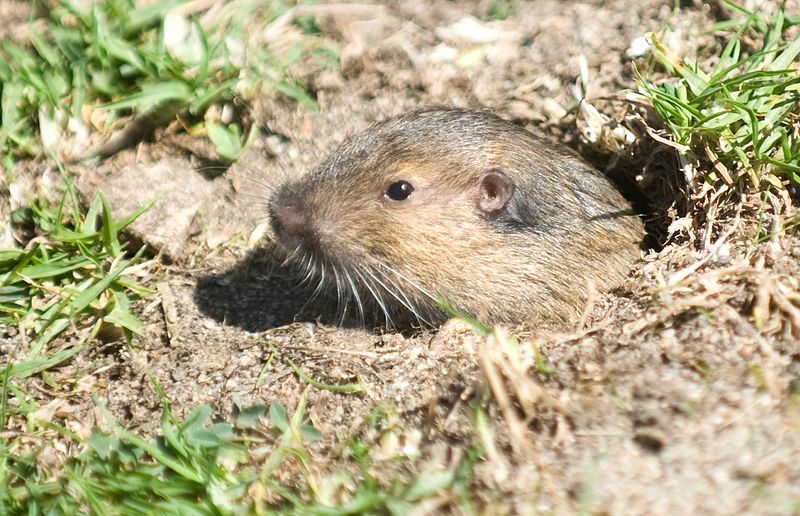
Winter does have a role. UC’s agricultural guidance says late fall through late winter can be a useful management period in fields, and that gopher mounding is often greatest in spring and fall.
That advice comes from farm settings, and timing varies by region, soil, and weather, so your yard may run on a different schedule.
What it does not say is that owls will clear your yard in the rainy months. Home-yard guidance from UC IPM still points to trapping and underground protection as the practical tools.
So when you spot fresh mounds, trap them, protect vulnerable roots, and skip leaning on an owl box or the calendar. A hooting owl is a joy to have, just not a gopher crew.