
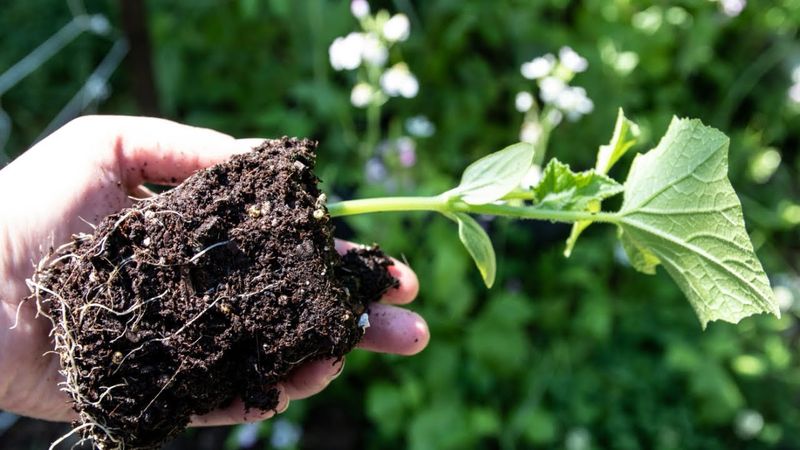
Yellow leaves and slow, stunted vines can make any cucumber grower worry. Heavy clay might be part of the story, but it is only one of several possible causes.
Fall gives you a calm stretch to look closely at your bed and get it ready before the next planting. Here is how to sort out what is going on and what you can do about it.
Yellow leaves do not identify the cause
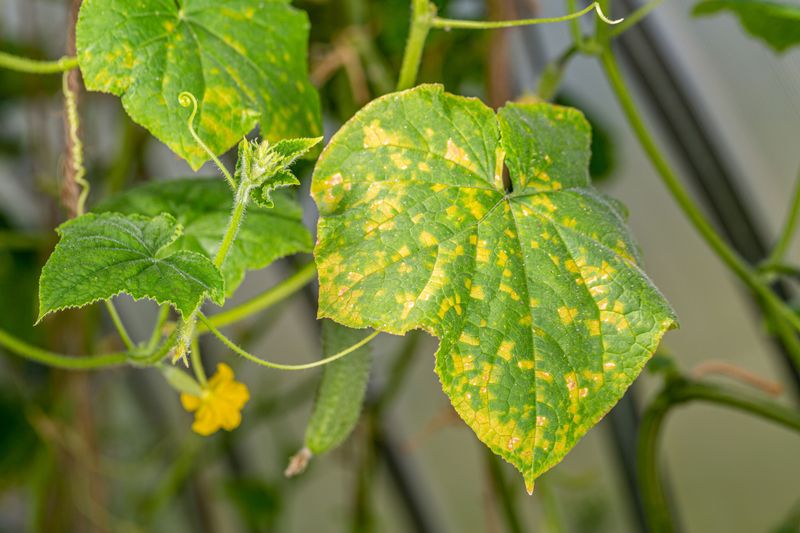
Yellow leaves tell you something is off, but they do not tell you what. A University of Minnesota cucumber diagnostic guide lists several possible causes, including viruses, mites, aphids, and mildew.
Start by looking closely. Flip leaves over and check the undersides for tiny insects or fine stippling.
Note whether the yellowing follows a pattern, such as mottling, spots, or an even fade, and whether the vines are twisted or distorted.
Then look at the neighbors. If squash or other cucumbers nearby show the same signs, a pest or disease may be moving through the garden.
If the plants look clean but growth is slow, the bed itself deserves a closer look.
One more check: are the leaves yellow, or the fruit? Cucumbers left on the vine too long turn yellow as they overmature, and UGA advises harvesting before that happens.
Yellow fruit on its own does not point to a soil problem.
Compacted, wet clay can limit the air roots need
Clay gets a bad reputation for starving plants, but that shorthand is not quite right. Clay particles can actually hold onto water and nutrients.
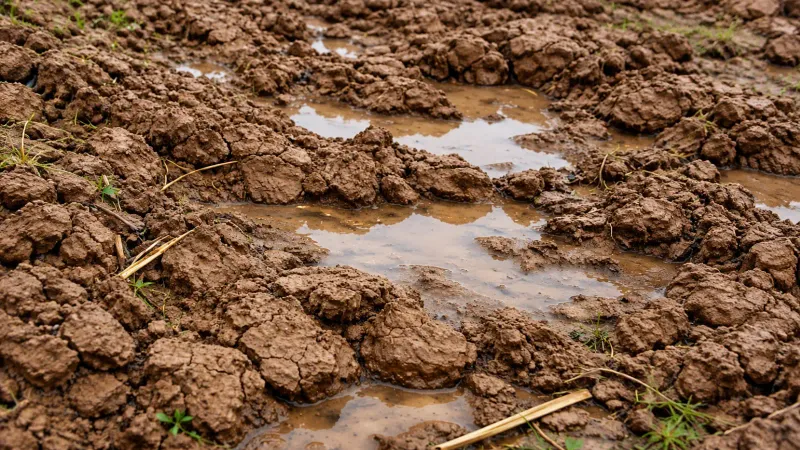
The trouble comes when the soil is packed tight or stays soggy.
Roots need oxygen to grow and to take in water and nutrients. When compaction or saturation squeezes out the air spaces, roots may grow poorly and struggle to take up what is available, as explained in University of Maryland Extension soil guidance.
A UC IPM overview covers how soil properties affect water reaching roots.
It helps to separate texture from structure. Texture is the mix of clay, silt, and sand, and it will not change much in your lifetime.
Structure is how those particles clump and leave pore space, and that is what you can improve. The goal is better drainage and aeration, not turning clay into a different soil.
Test the soil before adding lime or fertilizer
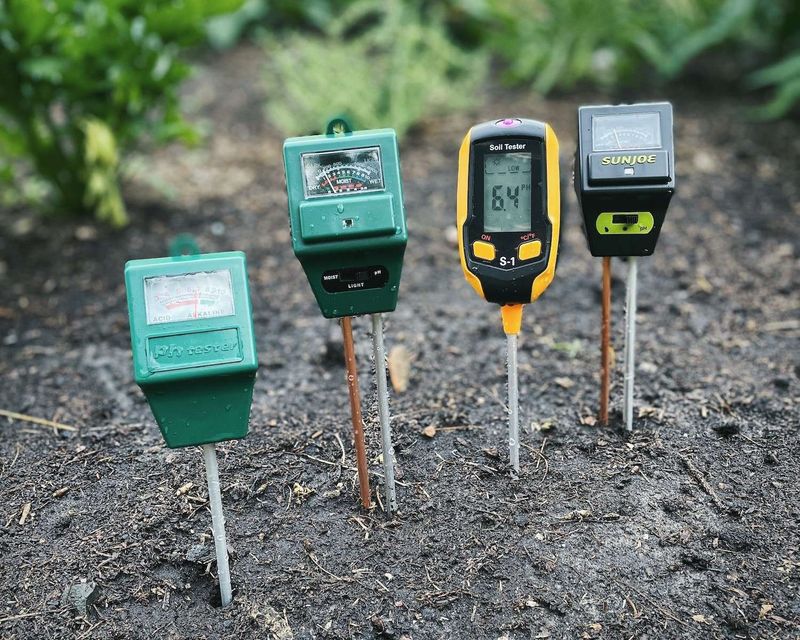
Guessing with lime or fertilizer can make things worse, and a soil test replaces the guesswork. Collect samples from the bed and ask for recommendations for cucumbers.
The UGA soil testing guide explains how to sample and how to read what comes back.
Targets differ by region. The UGA home cucumber guide gives a pH range of 6.0 to 6.5.
UF/IFAS lists 6.5 for cucumbers on Florida mineral soils.
Treat those numbers as context, not a recipe for your yard. Your county Extension office or state lab can tell you what your own bed needs, which may be lime, fertilizer, or nothing at all.
If the results look fine and plants still struggle, that is a useful clue that pests, disease, or drainage may be the bigger issue.
Improve structure only when the clay is workable
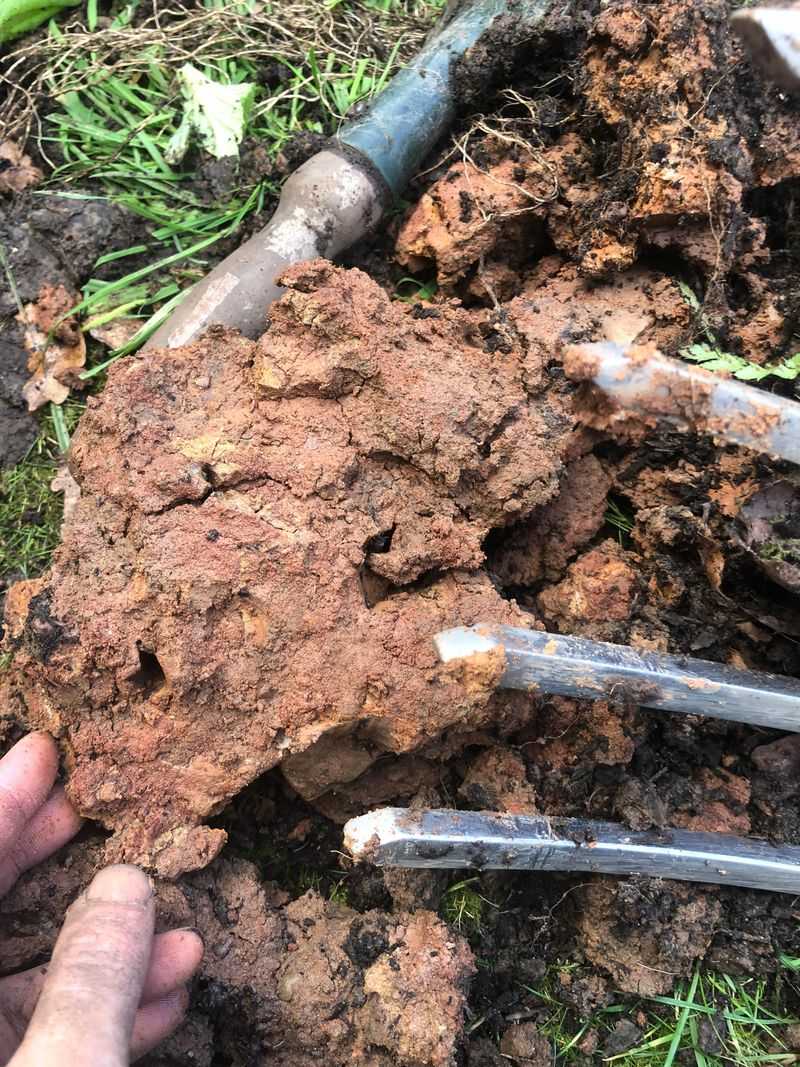
Timing matters as much as the amendment. Texas A&M AgriLife advises working soil when it is moist, not wet, because digging wet clay can damage its structure.
A handful that crumbles when squeezed is ready; one that forms a slick ball is not.
Organic matter such as compost can loosen tight clay and improve structure over time. It does not instantly change the clay content underneath, a point also made in Maryland Extension guidance.
Texas A&M cautions against piling on more than about four inches.
Advice on sand and gypsum varies between sources, so check your soil test and local Extension before using either.
If you add manure, choose composted material. UGA Extension warns that fresh manure can burn plants and carries food-safety risks.
Consider a raised bed if water still lingers
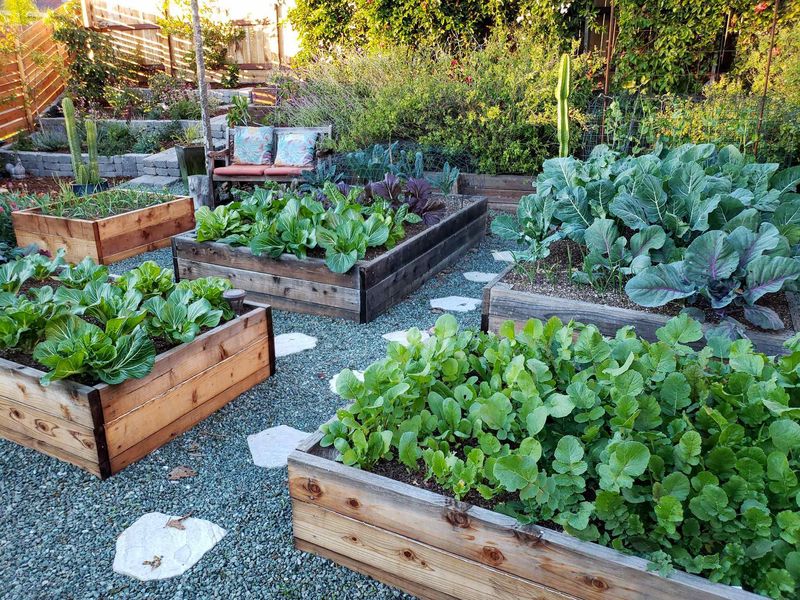
After a heavy rain, check the spot. If water sits for a long time even after you have improved the soil, a raised bed may make sense.
It is an option, not a rule for every clay garden.
Raised beds lift the rooting zone above soggy ground so water can drain away from roots. Texas A&M AgriLife recommends them in many parts of Texas for this reason.
The soil mix still matters. A bed filled with the wrong blend can have its own pH and nutrient problems, so test it as you would any garden soil.
The UGA Lincoln County Extension raised bed page covers the basics of building and filling one.
A raised bed will not stop pests, disease, or watering mistakes. It simply gives roots a better-drained place to start.
Use fall as lead time, not a crop guarantee
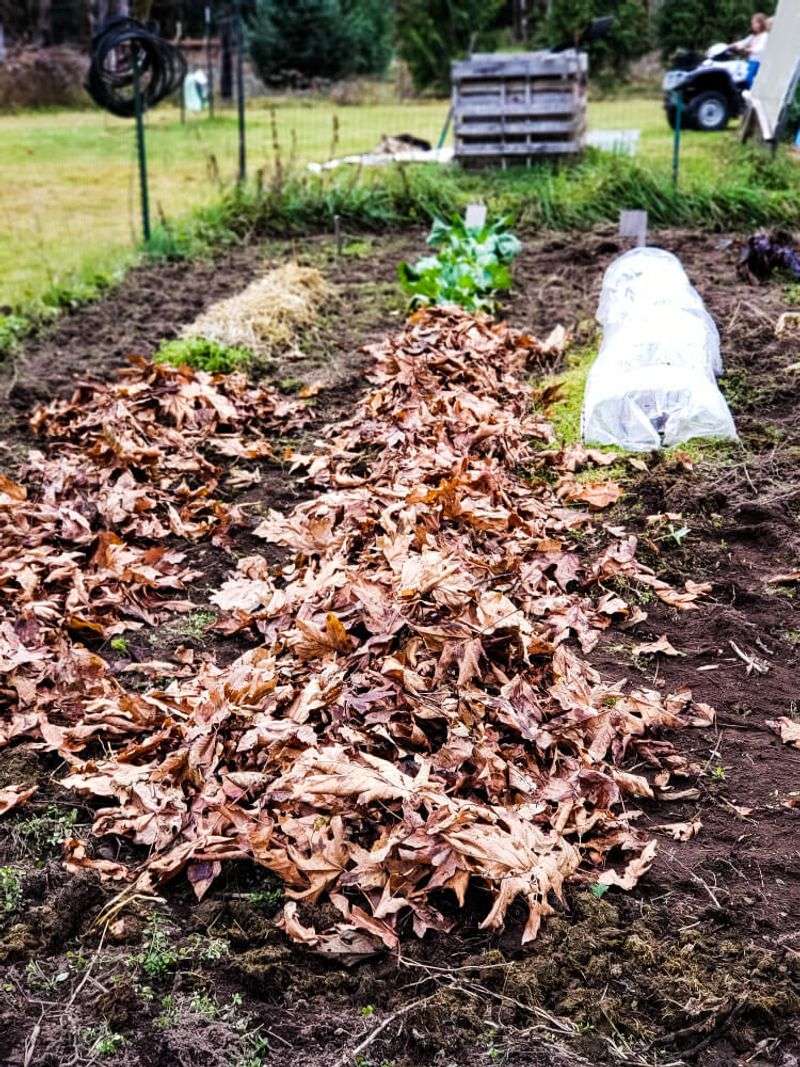
Fall gives amendments time to settle in before a later planting. UGA home gardening guidance encourages fall preparation and early soil testing for spring planting.
Lime reacts slowly, and the UGA soil testing guide suggests mixing it in roughly two to three months before planting when possible.
Calendars differ across the South. Some Florida and Texas gardeners are planting in fall or winter, and Texas A&M describes winter soil preparation.
Match your timing to your local planting dates.
A sensible order is to diagnose first, then test the soil, then improve structure when the clay is workable, and consider a raised bed if drainage stays poor.
None of this guarantees a big harvest, since weather, pests, disease, and watering still play their part. What it does give you is a better starting point.