
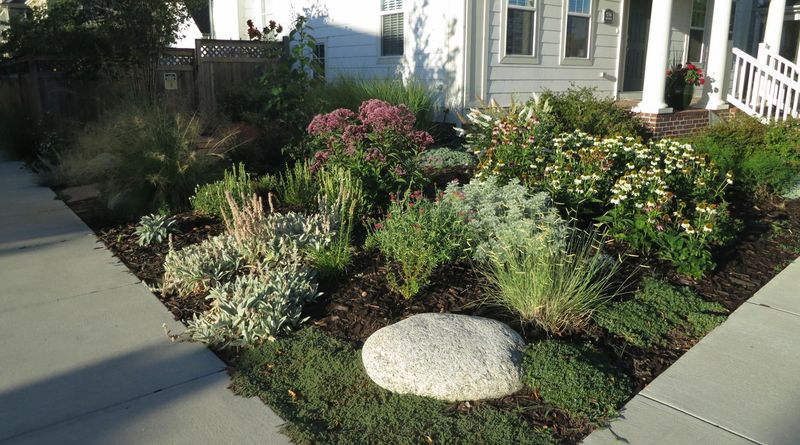
Winter in Texas is quiet in the garden, but it is busy at the swap table. All over the state, gardeners show up with pots of native seedlings, bags of seeds, and cuttings to trade with neighbors for free.
These swaps are one of the easiest ways to find hard-to-buy plants that can handle triple-digit heat and water limits. Here are eight kinds of swaps worth finding before spring planting season arrives.
1. Native Plant Society of Texas Chapter Swaps
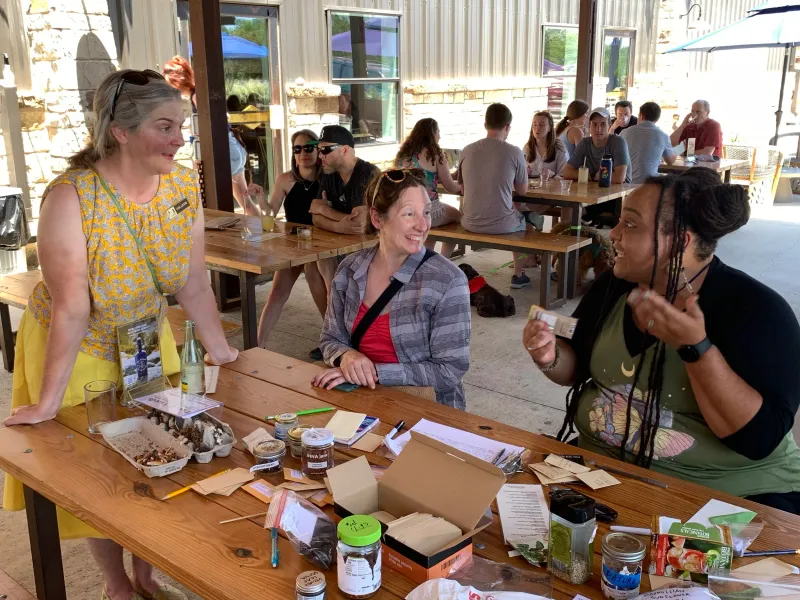
Picture a church fellowship hall in January, folding tables sagging under yogurt cups full of Turk’s cap and frostweed seedlings. That scene plays out at many local chapters of the Native Plant Society of Texas, which has dozens of chapters across the state.
Several of them hold seed and plant exchanges during the cooler months.
What sets these swaps apart is the knowledge in the room. Members often know exactly where a plant came from, how it handled last August, and whether it needs caliche or clay.
You may walk away with a rare local strain of something you could never find at a big box store.
Check your nearest chapter’s calendar in late fall, since dates shift from year to year. Bring labeled plants if you can, though many chapters happily welcome first-timers who arrive empty-handed.
2. Texas Master Gardener Seed Exchanges
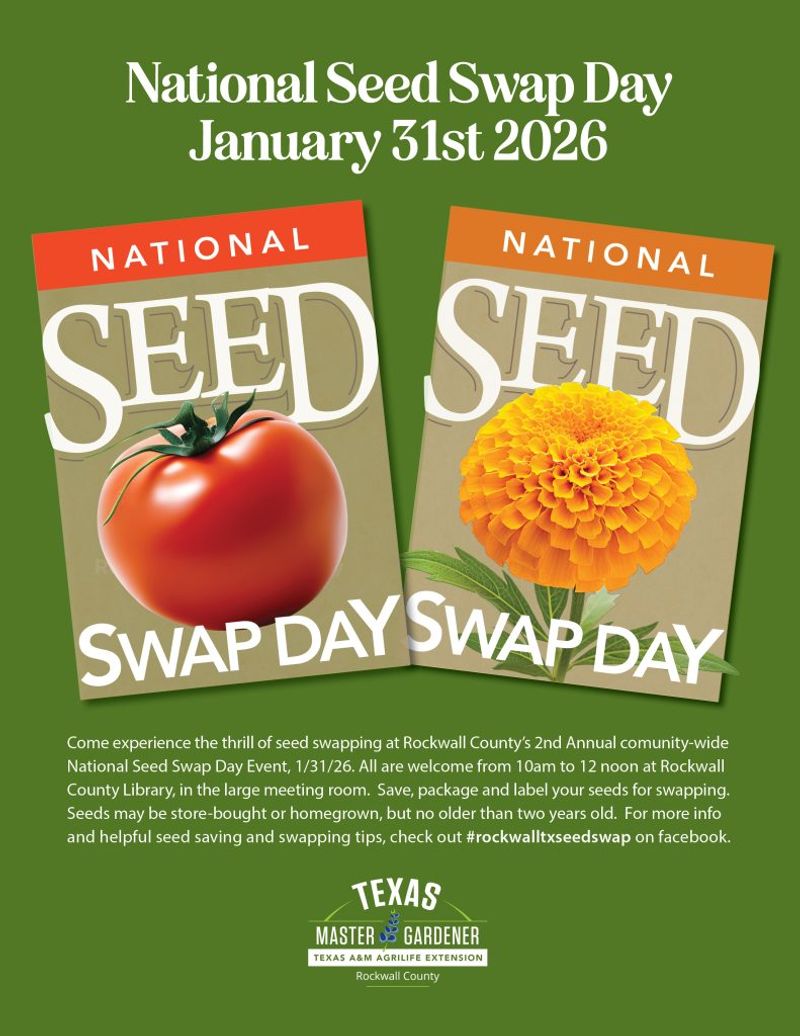
Ever wish you could get advice and free seeds in one trip? County Master Gardener groups, backed by Texas A&M AgriLife Extension, often host winter seed exchanges or include swap tables at their spring planning events.
The seed envelopes tend to be neatly labeled, sometimes with planting dates for your specific county. That matters in a state where Amarillo and Brownsville garden on completely different clocks.
Wildflowers like Indian blanket, coreopsis, and bluebonnets show up often, along with native grasses.
Volunteers can usually answer soil and watering questions on the spot. Call your county extension office to ask whether a swap is planned, because each group runs its own schedule.
3. Public Library Seed Libraries
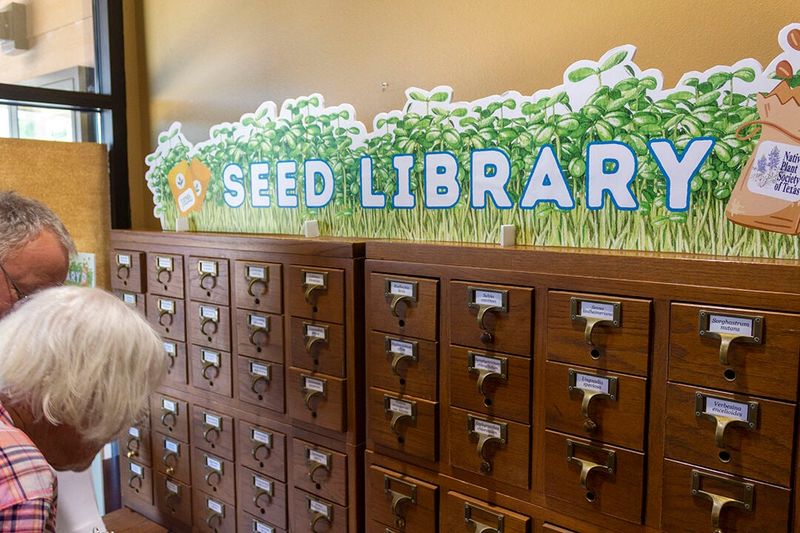
Old card catalogs have found a second life. Quite a few Texas public libraries, from Austin to smaller Hill Country towns, now run seed libraries where you check out seeds instead of books.
The idea is simple. You take a few packets, grow them out, and return some seed at the end of the season so the collection keeps growing.
Native milkweed, purple coneflower, and Mexican hat are common finds, though stock varies widely.
Winter is a smart time to browse, since shelves are often freshly restocked after fall seed saving. No library card fees, no pressure, and no special skills needed.
Call ahead, because some branches pause their seed library during certain months.
4. Pollinator and Monarch Group Milkweed Giveaways
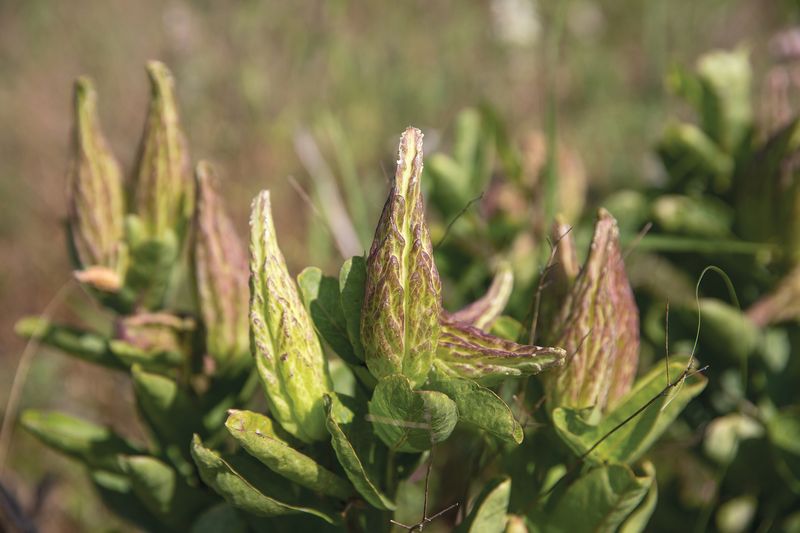
Monarchs pass through Texas twice a year, and the state sits right on their main flyway. That is why pollinator and monarch groups put so much energy into sharing native milkweed seedlings.
Look for antelope horn, green milkweed, and zizotes milkweed at these events. Native species are the goal here, since tropical milkweed can stay green through mild winters and may raise disease risk for monarchs in parts of the Gulf Coast.
Many giveaways also include nectar plants like gregg’s mistflower and frogfruit. Plant them in late winter and you could be ready when the first migrating butterflies return in spring.
Follow local butterfly and pollinator groups online to catch announcements, since these events can be planned on short notice.
5. Botanic Garden and Nature Center Plant Days
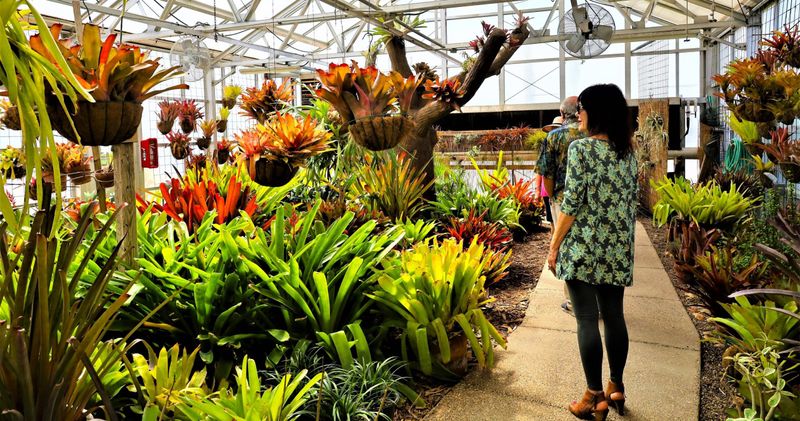
Some of the best swaps happen in the shadow of a greenhouse. Nature centers and botanic gardens around Texas sometimes add trading tables or free cutting stations to their winter and early spring plant events.
These places grow plants for restoration, so extras can include species you rarely see for sale, like American beautyberry, coralberry, or regional salvias. Staff horticulturists may be on hand to explain which ones suit shade, sun, or tight water budgets.
Not every event is free, and many larger sales charge for plants while offering seed swaps on the side. Read event details carefully, and arrive early.
The rare items tend to vanish within the first hour.
6. Neighborhood Facebook and Buy Nothing Swaps
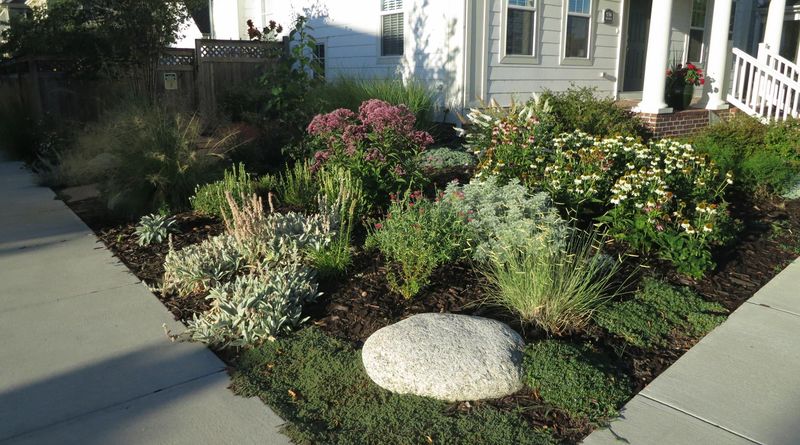
Honestly, the swap closest to you might be three houses down. Neighborhood Buy Nothing groups and local Facebook gardening pages have turned into busy plant-trading hubs across Texas cities and suburbs.
Winter posts often offer divided clumps of lindheimer muhly, extra rock rose seedlings, or volunteer passionvine starts that popped up under a fence. Porch pickup keeps things easy, and you can see how the plant grows in your exact neighborhood soil.
Ask a few questions before you grab anything. Make sure the plant is truly native and not something invasive like nandina or Chinese tallow.
A quick check keeps your yard helpful to local wildlife instead of working against it.
7. Community Garden Winter Seed Swaps
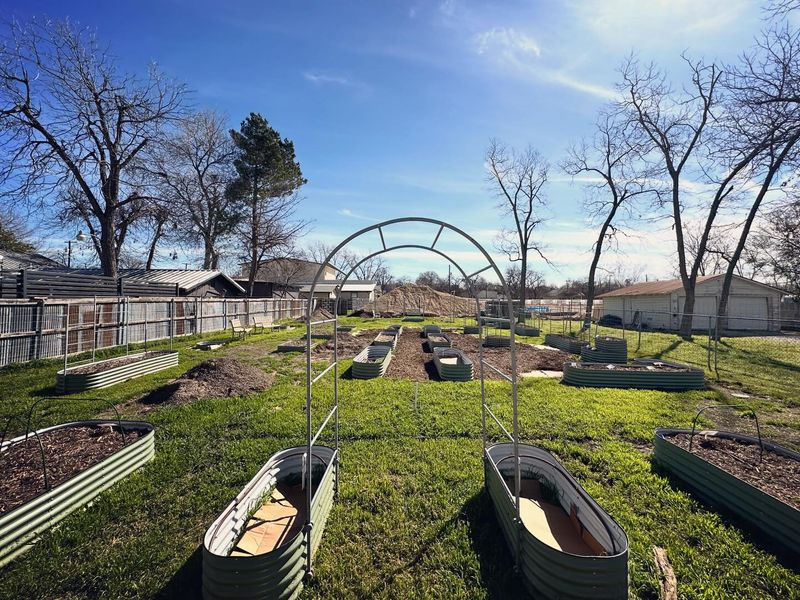
Raised beds may be resting, yet community gardens stay social all winter. Many host potluck-style seed swaps where members trade jars of saved seed and talk through spring plans.
Vegetables usually take center stage, but native flowers sneak onto the table more and more. Gardeners add them to attract bees for squash and tomatoes.
Expect zinnia lookalikes alongside real natives like Maximilian sunflower, gaillardia, and lanceleaf coreopsis.
The vibe is relaxed and beginner-friendly. Bring a pen and blank envelopes so you can label what you take.
Even if you are not a member, many gardens welcome visitors to these events.
8. Rare Plant and Local Ecotype Trading Circles
A small pot labeled with a county name might be the most valuable thing at a swap. Dedicated native plant fans trade local ecotypes, meaning plants grown from seed collected in a specific region.
Why does that matter? A Big Thicket strain of a wildflower may handle Gulf Coast humidity better than one from West Texas.
Over many generations, these local plants have adjusted to their home rainfall, heat, and soil.
These circles tend to form through native plant chapters, online forums, and friendships made at bigger swaps. Respect the rules here.
Never collect seed from protected land or rare wild populations without permission, and share responsibly so these plants keep spreading through Texas yards for years.