
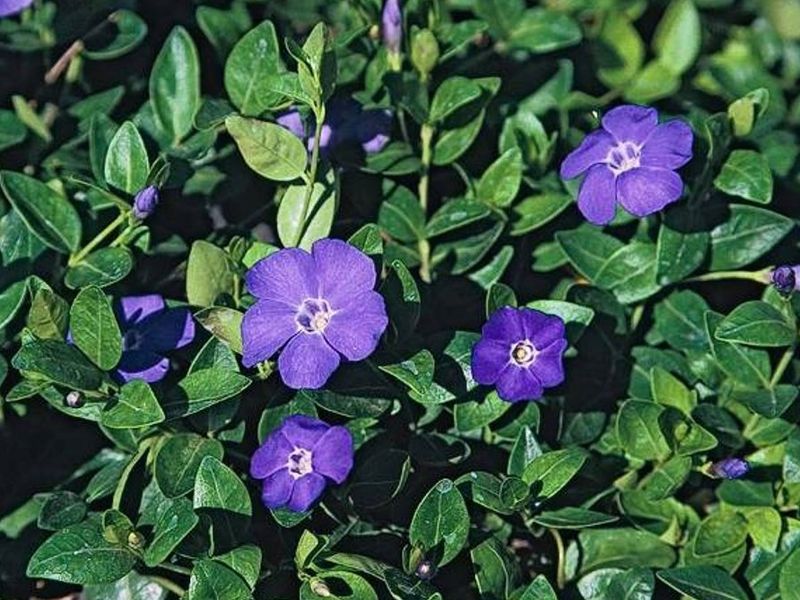
Some of the prettiest plants at the garden center are now on California’s most-wanted list. Counties, cities, and fire districts across the state are adding common yard favorites to invasive and fire-risk lists, and many homeowners have no idea.
These plants can escape into wild hillsides, choke creeks, crowd out food for native bees and birds, and even help wildfires spread. Here are ten familiar plants worth a second look, plus easy swaps that keep your yard beautiful, water-wise, and wildlife-friendly.
1. Pampas Grass
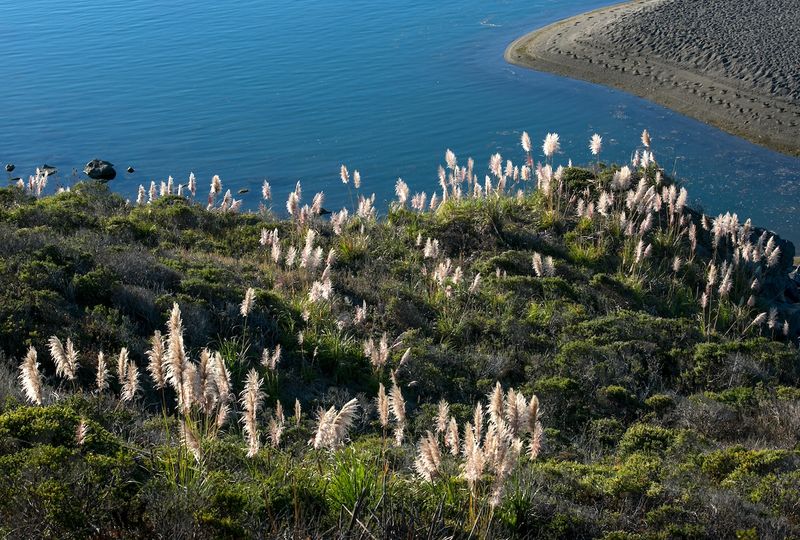
Those fluffy plumes look great in wedding photos, but one plant can release up to a million seeds that drift for miles on the wind. Along the California coast, escaped pampas grass and its cousin jubata grass now cover bluffs and canyon slopes where native shrubs once grew.
Many coastal counties and weed management areas discourage or restrict planting it, and the California Invasive Plant Council lists it as a high-impact invader. Its dry, dense clumps can also add fuel near homes during fire season.
A smarter pick is deer grass or giant wild rye. Both give you that tall, swaying look, handle dry summers, and offer cover for native birds without seeding the neighborhood.
2. Mexican Feather Grass
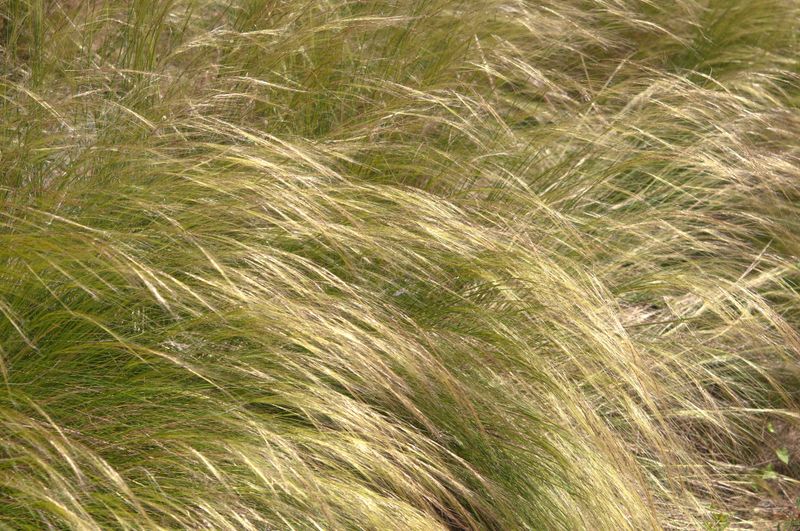
Picture a ponytail of silky grass swaying by your front walk. That gentle movement made Mexican feather grass a darling of drought-tolerant makeovers, especially after lawn-removal rebates took off.
The catch is how freely it reseeds. Gardeners in the Bay Area and Southern California have watched it pop up in sidewalk cracks, open space, and grasslands, and Cal-IPC now rates it as an invasive threat that some agencies ask nurseries and homeowners to avoid.
Try native purple needlegrass, California’s state grass, or a low sedge like Carex praegracilis. You keep the soft texture while feeding native caterpillars instead of crowding them out.
3. Ice Plant
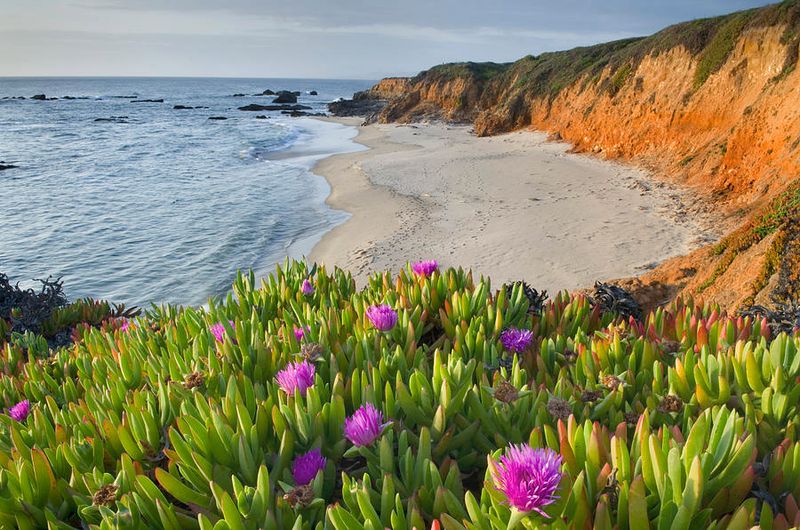
Grandma probably had it on the slope behind the house. Highway ice plant was once planted by the mile to hold soil along California roads and beaches.
Today it is one of the coast’s most notorious invaders. It forms heavy mats that smother native dune plants, change soil chemistry, and can make slopes slump when soaked by winter rain.
Many coastal cities and parks actively remove it, and restoration projects treat it as public enemy number one.
If you need a groundcover, consider native options like beach strawberry, seaside daisy, or prostrate coyote brush. They hold soil, sip little water, and welcome native bees.
4. English Ivy
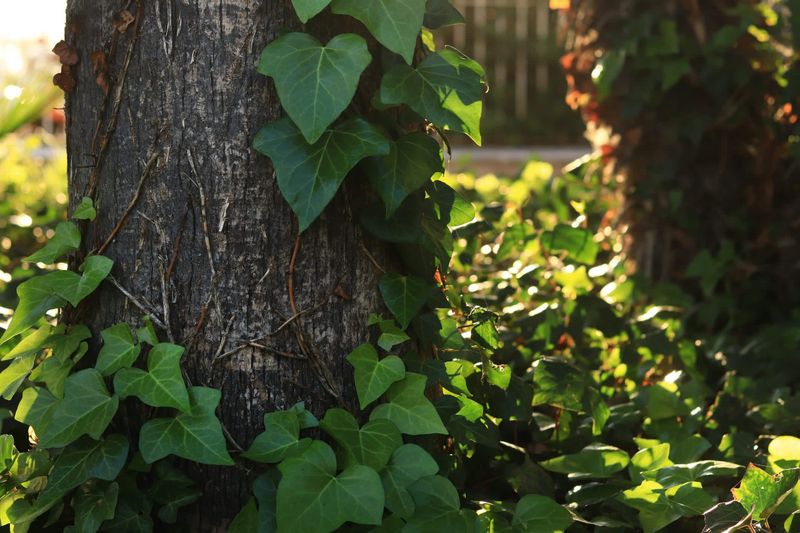
Ivy has a storybook charm, wrapping old brick walls and shady corners in green. In California, though, it often climbs right out of the yard and into oak woodlands and creek corridors.
It can strangle trees, hide rodents, and form dense ground mats where native wildflowers and ferns cannot compete. Some cities in the Bay Area and Los Angeles region now discourage it in landscape guidelines, and fire officials may flag it as ladder fuel when it climbs trees near homes.
For shady spots, swap in creeping snowberry, hummingbird sage, or wild ginger. Your trees will breathe easier, and so will the local wildlife.
5. Periwinkle (Vinca Major)
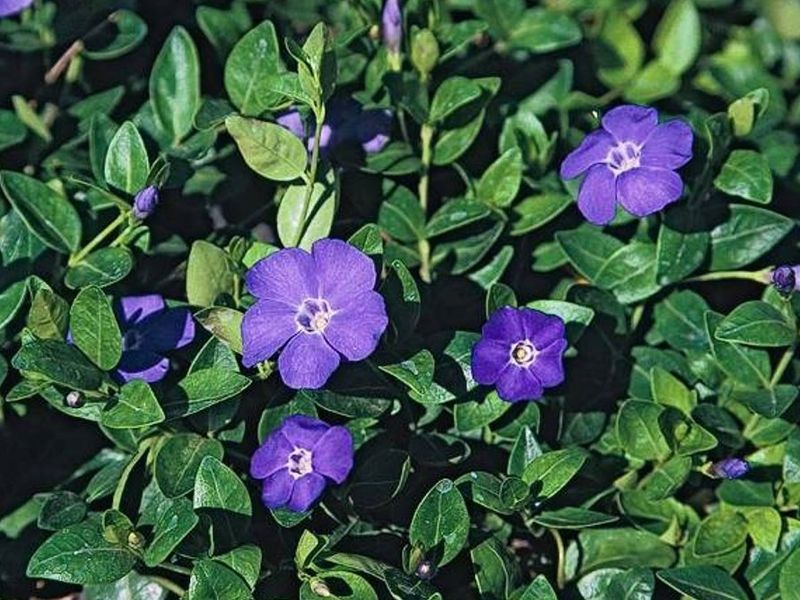
Cheerful lavender blooms and glossy leaves make big periwinkle look harmless. Plant it once, and it may try to cover everything in sight.
It spreads by rooting stems, and it loves the moist, shady streamsides that native plants and amphibians depend on. Cal-IPC lists it as a moderate invader, and many habitat-focused cities leave it off approved planting lists.
A friendlier option is native yerba buena, a sweet-scented creeper, or coral bells for color. Both stay polite and still give pollinators something to visit.
6. Fountain Grass
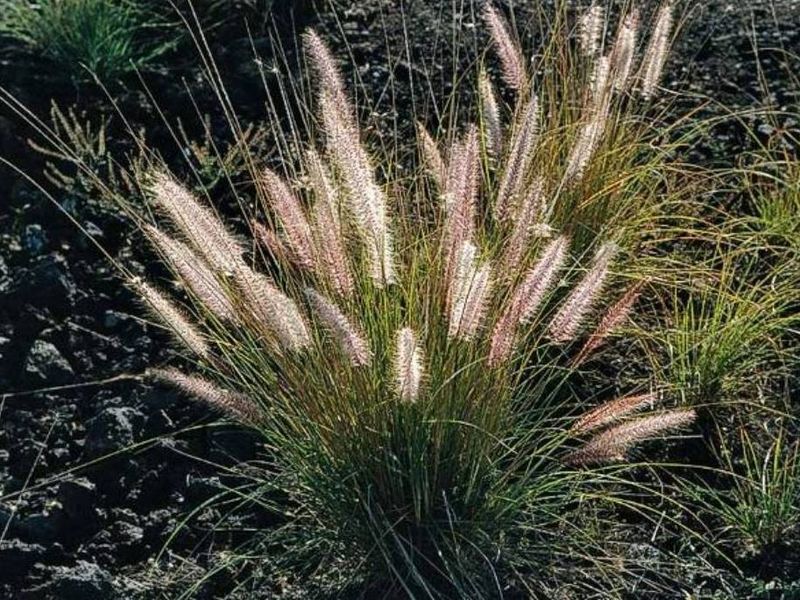
Drive any freeway in Southern California and you have probably seen it. Fountain grass, with its fuzzy bottlebrush tops, has jumped from yards onto road edges and desert washes.
Green fountain grass is a known fire-adapted invader that can burn hot and come back faster than native plants. Some counties and fire-safe councils list it as a plant to avoid near homes, especially in the wildland-urban interface.
Purple fountain grass is usually sterile and less risky, but check your local list first. Native alternatives like deer grass or blue grama offer a similar look with less worry.
7. Scotch and French Broom
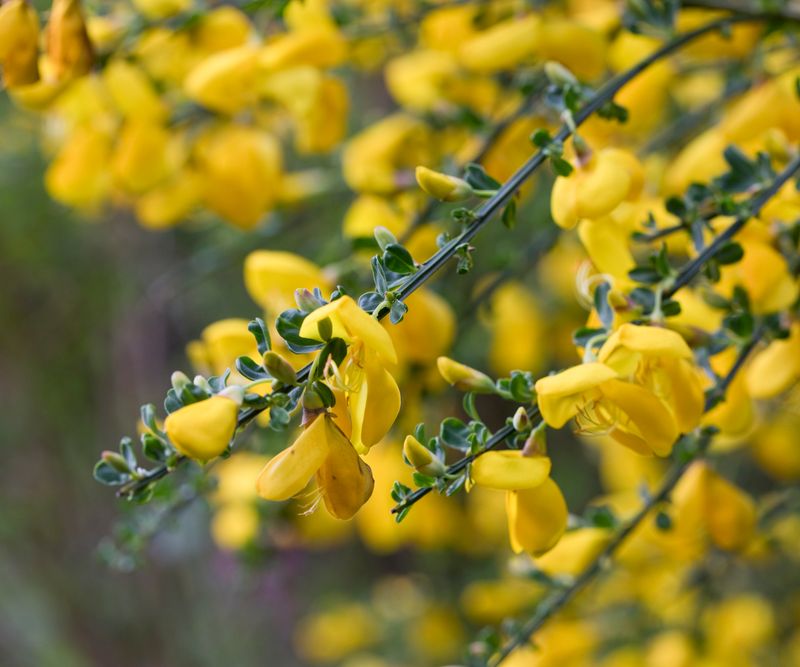
Here is a fun fact with a sting: a single broom shrub can drop thousands of seeds that stay alive in the soil for decades. Those golden spring blooms hide a serious problem.
Broom species are listed as noxious weeds by the California Department of Food and Agriculture. They crowd out native plants in foothills, and their oily stems can help fire move quickly toward homes.
For a yellow spring show, try California flannelbush or bush poppy. Both are drought-tolerant, native, and loved by bees.
8. Giant Reed (Arundo)
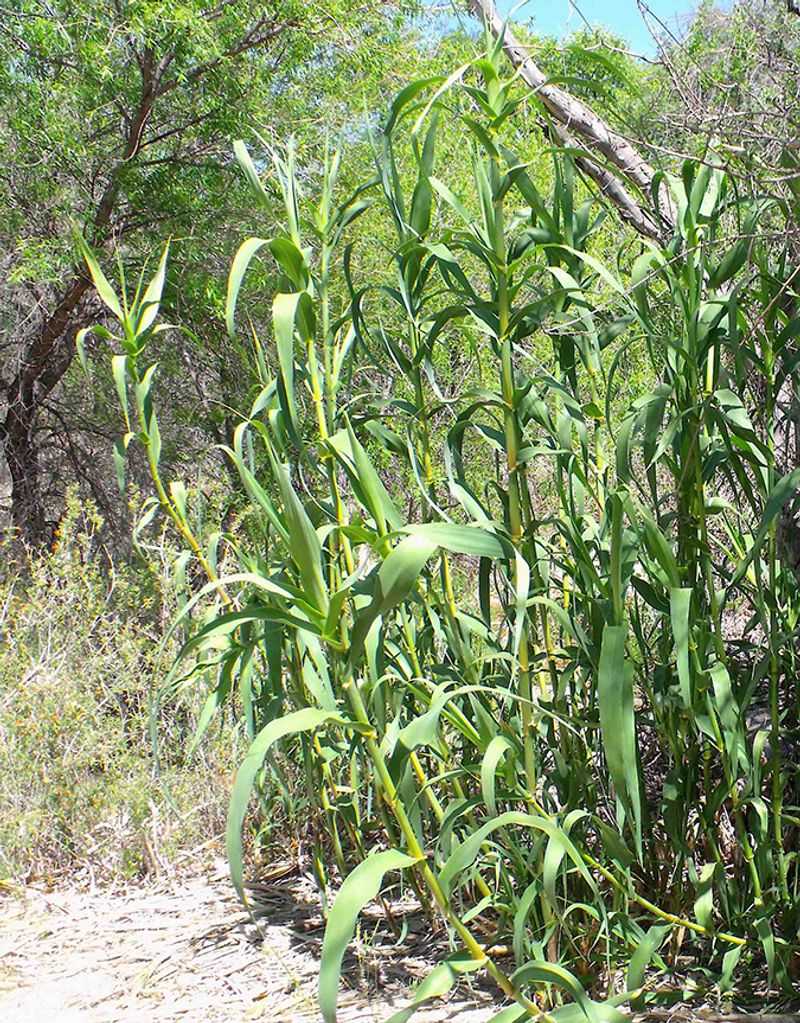
It looks like bamboo, grows like a weed, and drinks like a fish. Giant reed can shoot up more than 20 feet and has been estimated to use far more water than native streamside plants.
Along rivers like the Santa Ana and Santa Clara, agencies have spent millions removing it because it crowds out habitat for songbirds and fuels fast fires. It is widely treated as a pest plant, and planting it is a big no in many areas.
For a tall screen, consider native toyon or coffeeberry. They give privacy, berries for birds, and much less trouble.
9. Fan Palms and Mexican Fan Palm

Nothing says California quite like a row of tall palms. Yet some cities are rethinking them, and a few fire agencies now treat them as a real hazard.
Mexican fan palms reseed into canyons and creeks, and their dry dead fronds can carry burning embers long distances during wind-driven fires. Some fire-prone communities have added palms to discouraged plant lists or require regular frond trimming near structures.
If you already have palms, keep the skirts trimmed. For new shade, native trees like western sycamore or coast live oak support hundreds of insect and bird species.
10. Juniper
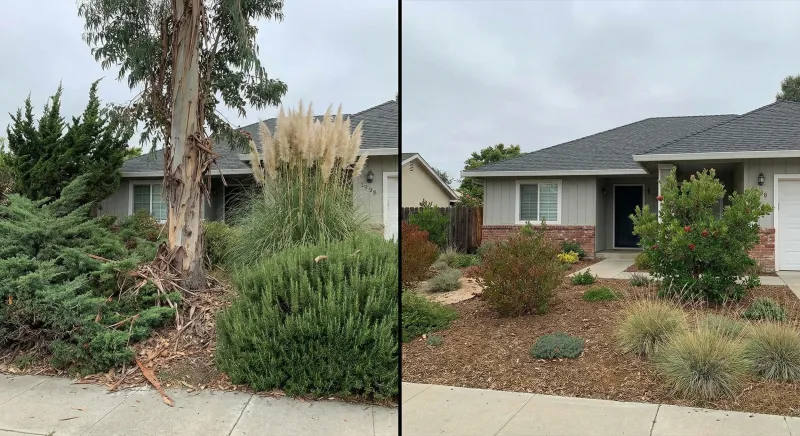
Junipers were the go-to foundation shrub for decades, tough, evergreen, and nearly unkillable. Now they are getting a lot of attention for the wrong reason.
Their resin-rich foliage can ignite quickly, and fire experts often call them highly flammable. With California’s new Zone 0 ember-resistant rules being developed for the first five feet around homes in high-risk areas, many local agencies already urge homeowners to remove junipers near the house.
Swap them for low, well-watered plants spaced apart, or use gravel near walls. Further out, fire-wise natives like lemonade berry can keep your yard green and bird-friendly.