
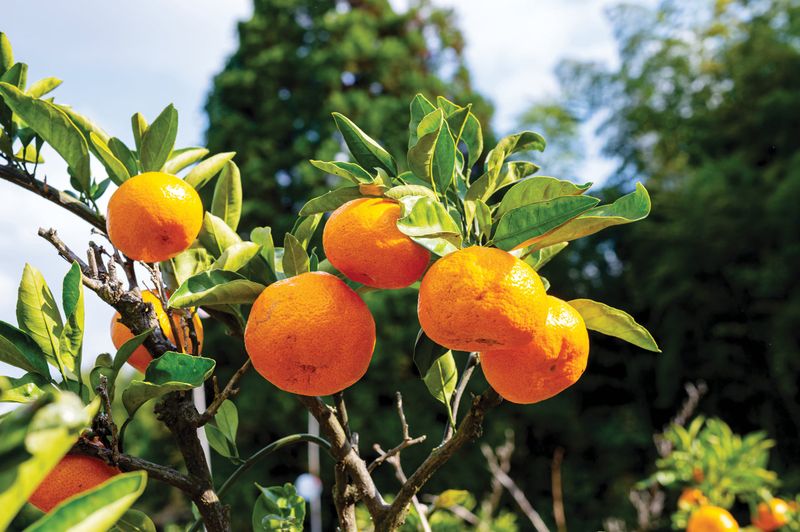
Imagine peeling a juicy mandarin from your own yard while other citrus is still weeks from ripe. In North Florida, satsumas can make that happen, especially early types like Early St. Ann.
The timing is not the same for every tree or every year, so a little know-how helps. Here is how to choose, grow, and pick satsumas with realistic expectations.
North Florida’s satsuma season can begin before the main orange harvest
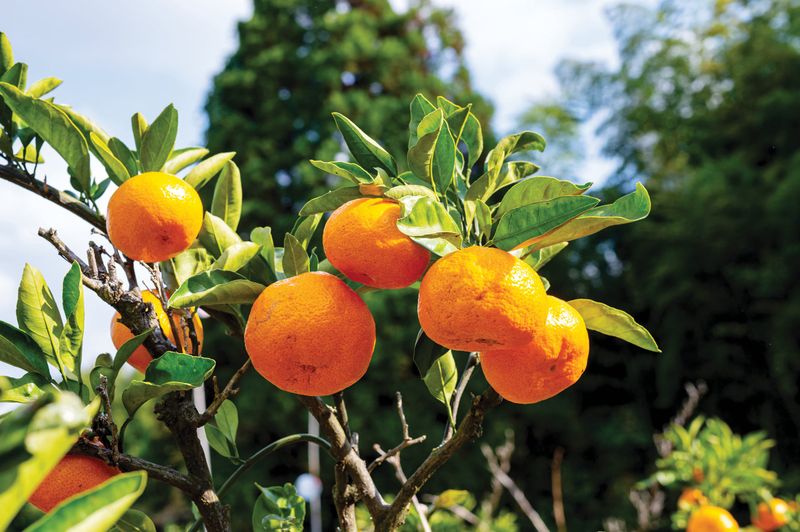
Walk through a North Florida yard in October and you may spot satsumas already coloring up. North Florida Extension describes a typical satsuma harvest window of October through December.
Many sweet oranges, by comparison, are harvested in winter.
That head start is the reason satsumas are popular in the colder parts of the state. They give gardeners a chance at homegrown citrus while the main orange crop is still hanging and sizing up.
The comparison has limits, though. Satsumas do not ripen weeks ahead of every kind of citrus everywhere, and some other mandarins also come in early.
The claim holds best when you compare satsumas with winter-harvested sweet oranges in North Florida.
An early start also does not mean every tree will deliver before Thanksgiving. UF/IFAS guidance on the satsuma mandarin gives a broad Florida maturity window of September through December.
Where your tree falls inside that window depends on the cultivar, your location, and how the season played out.
Think of mid-October as a bonus possibility for early cultivars, not the usual date for the whole region. A tree that ripens in November still lands ahead of a lot of winter citrus, and a tree that ripens in early December still gives you fruit worth waiting for.
Mark your calendar loosely, and let the fruit set the schedule.
If you are shopping for a tree, this timing difference is your first clue that choosing the right cultivar matters. The next section covers which ones lean early.
Choose an early cultivar for the best chance of a fall harvest
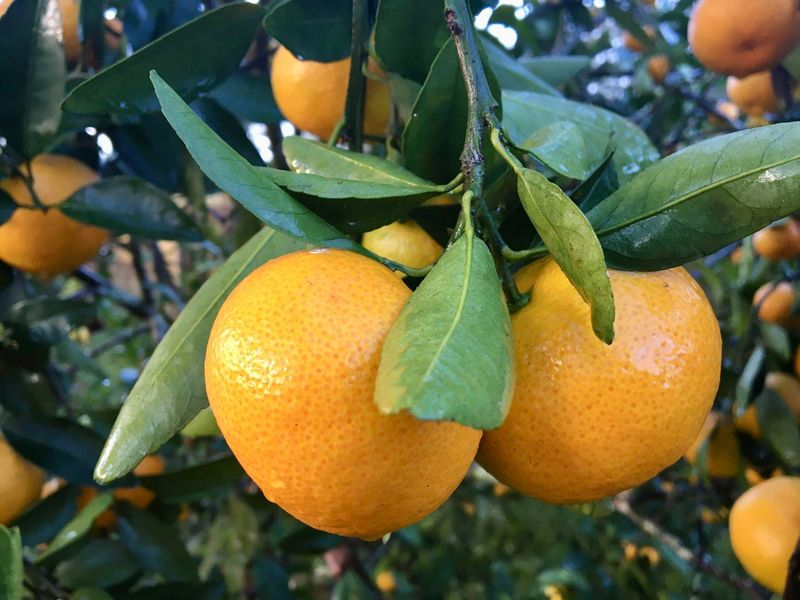
Not all satsumas share one calendar. According to UF/IFAS, ‘Early St. Ann’ can mature from around mid-September to mid-October.
That makes it the best bet for a gardener who hopes to pick well before Thanksgiving.
‘Brown Select’ comes next. It matures roughly two weeks before ‘Owari,’ so it can give you a jump on the main satsuma crop. ‘Owari,’ the most widely planted type, generally matures in October through November.
Those are the published ranges, and real trees can drift outside them. A cool, cloudy fall may slow things down, while a warm one can speed things up.
Location matters too, since a tree in a sheltered spot may ripen differently than one in an open yard farther north.
Here is a practical step. If you already have a satsuma, find the original nursery tag or receipt, or ask the place where you bought it.
If you are planting new, ask for the cultivar by name rather than settling for a generic tree labeled satsuma.
Knowing the name tells you when to start sampling. An ‘Early St. Ann’ owner might begin tasting in September, while an ‘Owari’ owner can wait until October.
Either way, the cultivar gives you a starting point, not a promise.
Taste a sample instead of waiting for orange peel
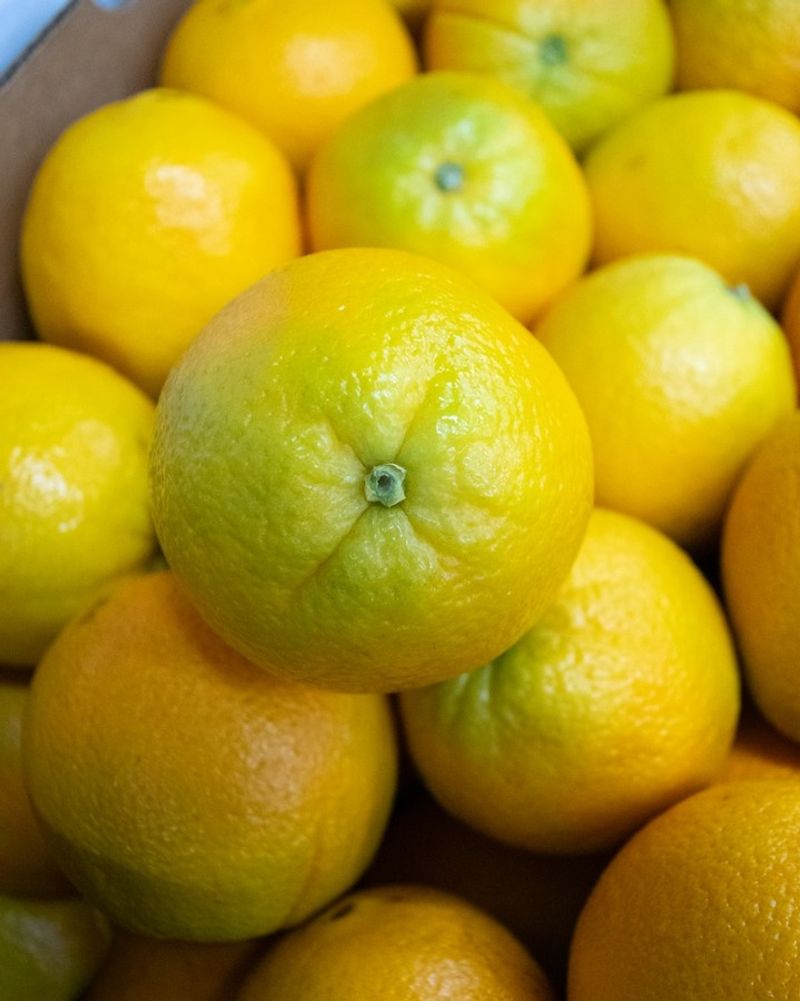
Peel color can fool you. Satsumas can be sweet inside while the skin is still partly green, especially after a warm fall.
UF/IFAS Washington County Extension advises tasting satsumas to judge when they are ready.
So the test is simple. Pick one fruit, peel it, and eat a few segments.
If it tastes sweet and pleasant, you are likely in the harvest window. If it is sharp or bland, leave the rest alone.
Patience pays off here. Okaloosa County Extension points out that citrus does not get sweeter after it is picked.
A fruit that is too tart today will still be too tart on your kitchen counter.
If your first sample falls short, wait a week or so and try a different fruit from the tree. Sample from various spots, since fruit in more sun may taste different from fruit deep in the canopy.
Tasting is a useful check, not a guarantee. UF/IFAS notes that flavor varies with cultivar and growing conditions, so one great fruit does not mean every fruit will match.
Treat each tasting as a snapshot and keep sampling as the season goes on.
One satsuma tree can provide easy-peel fruit
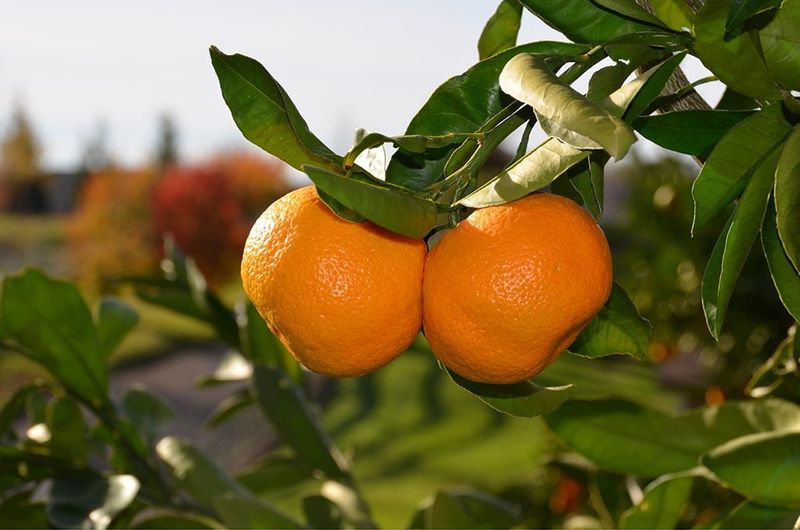
Ask satsuma growers what they love and the answer is usually the peel. The skin typically loosens easily, which makes the fruit a good snack for kids and busy adults.
UF/IFAS describes the fruit as commonly having zero to six seeds, so many are low-seeded.
Sweetness and flavor are less predictable. They can be juicy and sweet, but they change with cultivar and growing conditions, so expect some variation from year to year.
You also do not need a pair of trees. Satsumas are self-fruitful, so a single tree can set fruit by itself.
That makes them a workable pick for a small yard.
Give the tree a sunny spot. UF/IFAS home landscape guidance recommends full sun for citrus, which supports growth and fruiting.
About size: you may hear that satsumas stay little. That depends partly on rootstock.
In a North Florida trial, trees on dwarfing ‘Flying Dragon’ rootstock stayed small and seldom passed seven feet, according to UF/IFAS. A satsuma on a different rootstock can grow considerably larger, so ask the nursery which rootstock your tree uses and leave room accordingly.
Plan for routine care and occasional cold protection
A satsuma is not a plant-it-and-forget-it tree. UF/IFAS home landscape guidance calls for regular watering while a young tree establishes, plus ongoing attention to site selection, irrigation, nutrition, and cold protection.
Florida’s sandy soil drains fast, so watering and feeding matter.
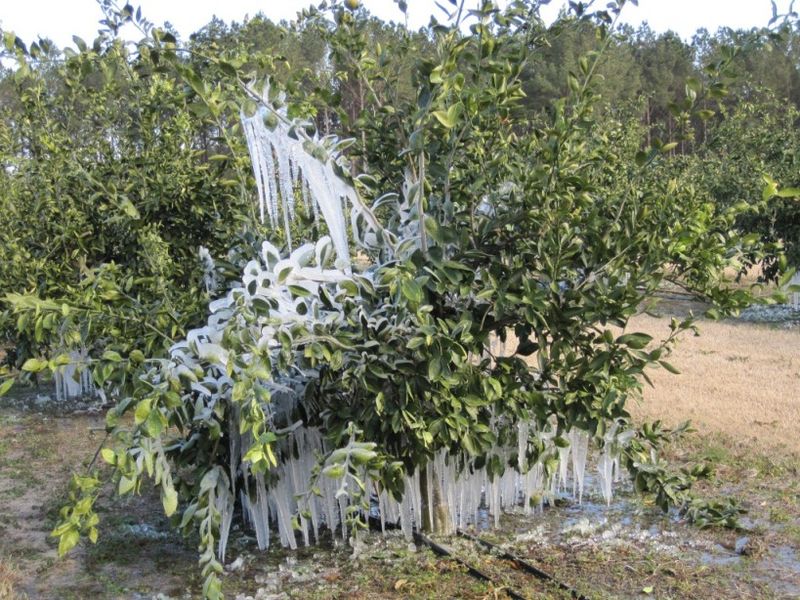
Cold is the big seasonal task. UF/IFAS reports mature, dormant satsuma trees surviving 14 to 18 degrees F in some locations.
That is not a safe threshold for every tree.
Young trees are less hardy, fruit can be damaged, and the length of a freeze and how well the tree has acclimated all change the outcome. Check the forecast on cold nights and review UF/IFAS cold protection advice for landscape plants before the first freeze.
Greening is the other serious concern. UF/IFAS says citrus greening affects citrus broadly and has no cure, though good care may help trees stay productive.
No single practice prevents it. Skip blanket spraying, since many home citrus trees can grow without routine chemical pest control, and act only when a real pest problem shows up.
Watch for odd leaf patterns or lopsided fruit, and ask your county Extension office if something looks wrong.
Harvest promptly when the fruit tastes ready
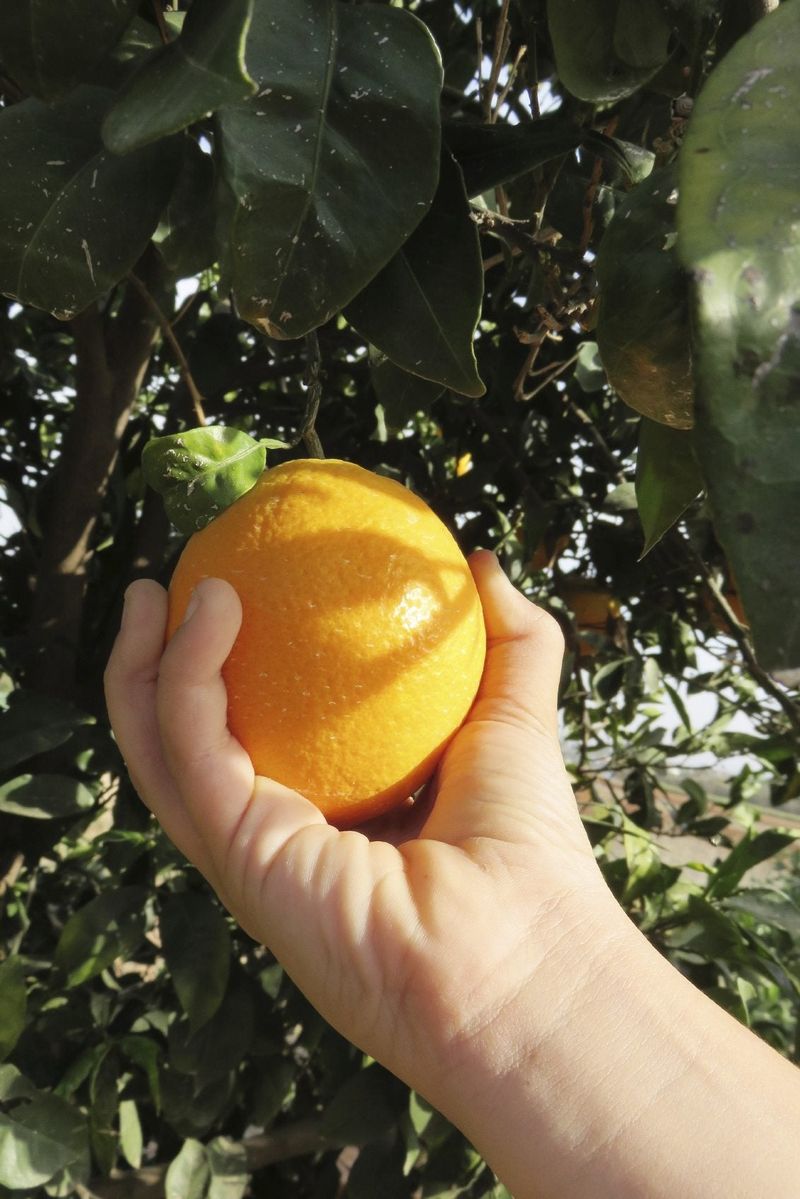
Once a sample tastes good, move. UF/IFAS says satsuma fruit hold poorly on the tree after maturity, so waiting too long can cost you quality.
A simple routine helps. Taste a fruit every few days once your cultivar’s window opens.
When one tastes ready, pick a good share of the crop that week, and keep checking the rest.
Grab clippers or small shears for the job. Clipping the stem, rather than pulling the fruit, avoids tearing the rind, which matters if you want fruit that looks good and keeps well.
Cut close to the fruit so the stem does not poke other satsumas in your basket.
Handle them gently and keep them somewhere cool. Remember that picking does not make them sweeter, so the flavor you tasted on the tree is about what you will get.
Peel color should not set your schedule, as the Washington County Extension advice on tasting makes clear. An early cultivar like ‘Early St. Ann’ improves your odds of fall fruit, but your tongue is the best calendar.