
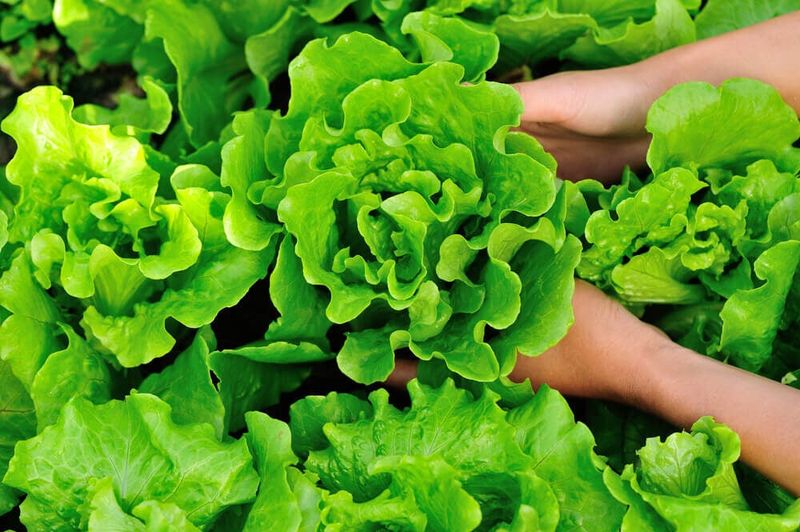
Your fall lettuce looked perfect last week, and now one bite makes you wince. Many gardeners blame cool nights, but the real story involves several things you can actually manage.
Heat, thirst, age, and flowering all play a part in how leaves taste. Here is how to read your plants, water them well, and pick leaves in a way that keeps the crop producing.
Why fall lettuce can still taste bitter
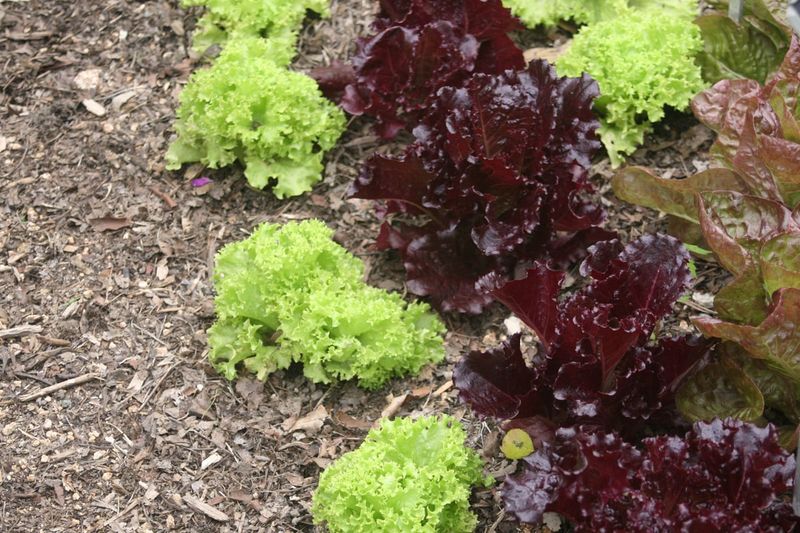
Plenty of gardeners assume a chilly October night is what ruins a salad. Cooler weather does ease the heat stress that pushes lettuce toward a sharp taste, but it does not promise mild leaves.
Several things can shape flavor. University of Minnesota Extension lists heat, water stress, and plant age among the causes of bitter lettuce, and bolting is on that list too.
Cultivar matters as well. A sensory study of five lettuce cultivars found that taste differed with the season and the variety.
Moisture swings count too. Utah State University Extension notes that uneven watering can contribute to off-flavors.
So if a leaf tastes harsh, look beyond the thermometer. Ask how warm the past few days were, how evenly the bed has been watered, how old the plant is, and which variety you planted.
Recognize bolting as a possible flavor warning
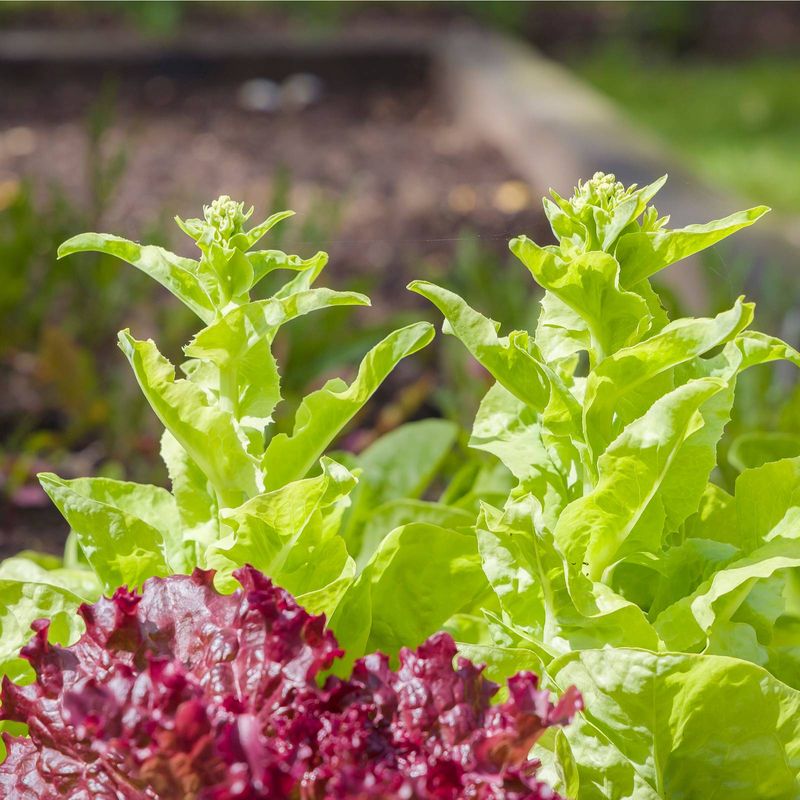
Check the center of the plant. When the middle begins to stretch upward into a tall stalk, the lettuce is bolting, which means it is heading toward flowers and seed.
Taste commonly declines around flowering, and bolted lettuce often turns more bitter. That is why the stalk is worth catching early.
Bitterness and bolting are related but not the same thing. A plant can taste sharp from dry spells or heat before any stalk shows, so a smooth center does not guarantee mild leaves.
Temperature and day length both influence flowering. One controlled study found high temperature and long days promoted bolting more than cool temperature and short days.
Cultivars respond differently, though, so do not assume every fall night is safe.
Taste a leaf from a plant with a stalk and one from a neighbor without. The difference can tell you a lot about what to harvest first.
Keep moisture steady without waterlogging
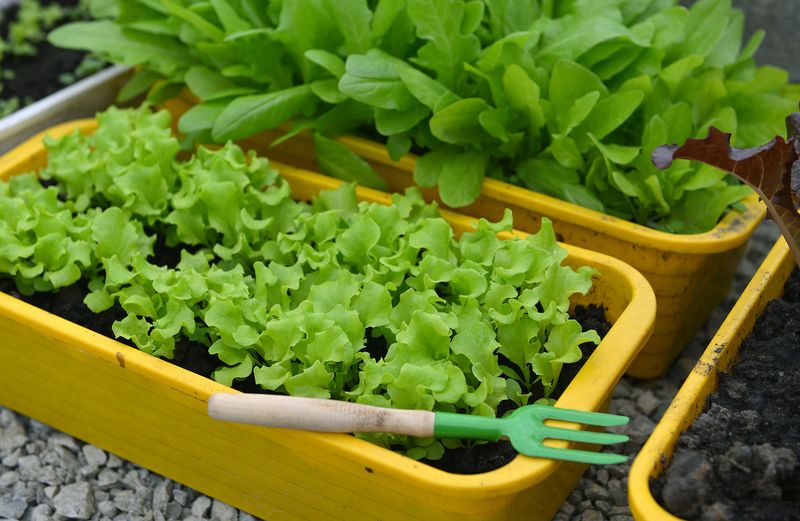
Evenly damp soil is the goal, not soggy soil. While seeds are sprouting and seedlings settle in, keep the seedbed moist.
UGA Extension suggests irrigating about every 4 to 5 days as needed once plants are growing, and it notes that a lack of moisture can sometimes make leaves bitter. Raised beds and containers may need water more often because they dry out faster.
For a weekly amount, Utah State University Extension offers 1 to 2 inches as a general guide, adjusted for soil and temperature.
Treat those numbers as starting points, not a schedule. Sandy Florida soil, a clay bed in Texas, and a pot on a patio will each behave differently.
Push a finger an inch into the soil. If it feels dry, water.
If it feels wet, wait a day.
Harvest outer leaves to support continued growth
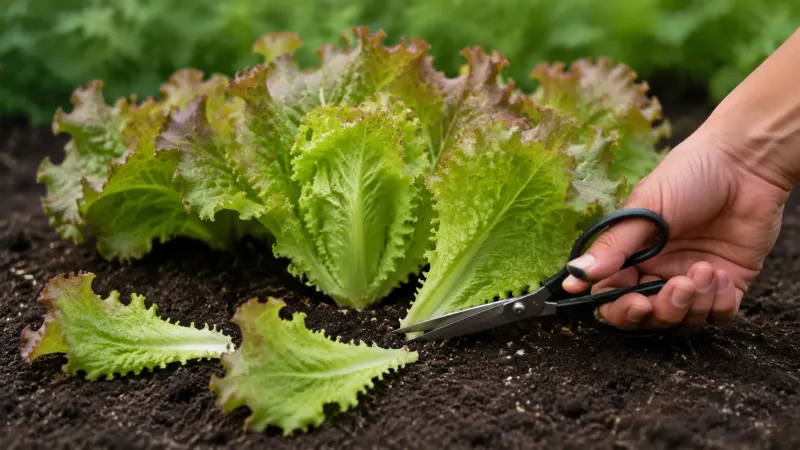
Loose-leaf lettuce grows in an open rosette, so you can pick the older outer leaves and leave the center to keep growing. UGA Extension recommends harvesting older outer leaves, and Nebraska Extension advises selective leaf harvest instead of pulling the whole plant.
Pick leaves once they are big enough to use, a few per plant at a time. That helps the plant keep making new leaves.
Know the limits, though. Picking this way does not keep leaves sweet, stop bolting, or promise a set number of weeks.
New growth depends on the plant’s condition and the weather.
The method also fits open-growing types best. Illinois Extension covers other lettuce forms, and head-forming types may be better harvested differently.
If a stalk appears, taste before you cook up a big salad.
Use planting dates that fit your region
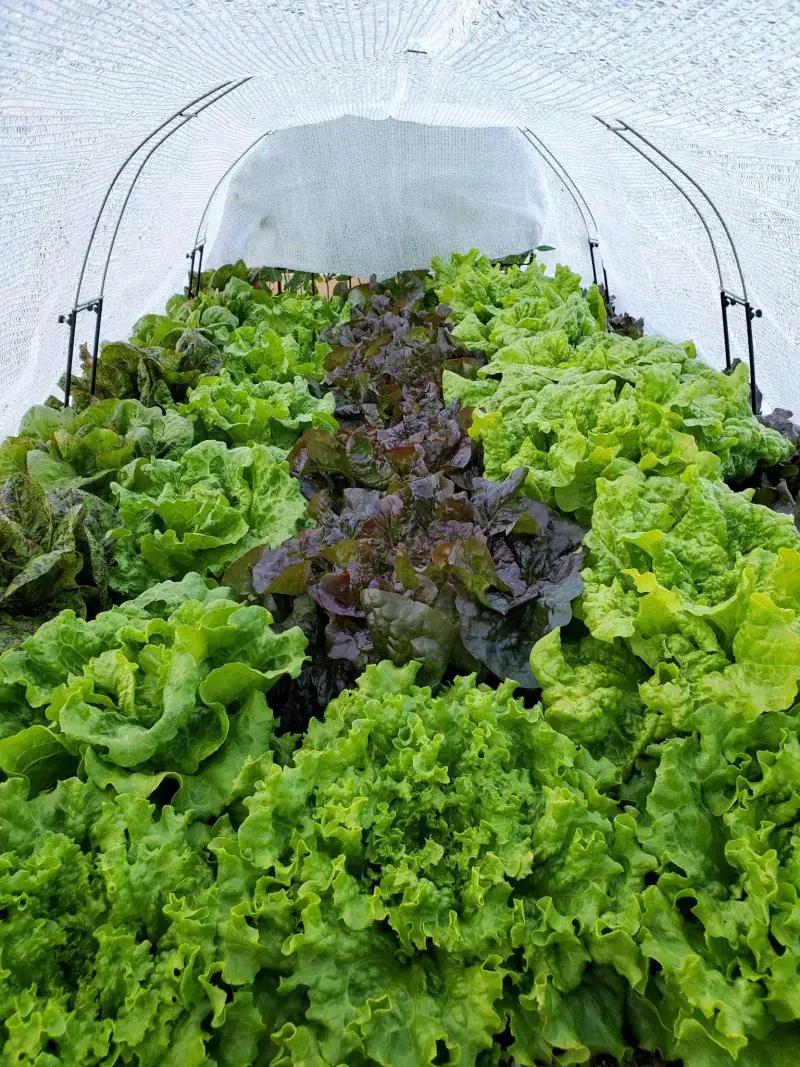
Calendar advice only works inside its own region. UF/IFAS gives October through April as the outdoor lettuce season in Florida.
For Texas, Texas A&M AgriLife Extension lists September planting and November harvest for Central Texas. Those dates do not apply to every part of the state, so check with your local county Extension office if you garden in the Panhandle, the Gulf Coast, or elsewhere.
A date on the calendar will not tell you how your lettuce will taste or how long it will keep producing. Plant condition tells you more.
Watch for a lengthening center stalk, which University of Minnesota Extension describes as the sign of bolting. A warm spell in your area can change things fast.
Choose varieties suited to your area, and let the plants guide your harvest.
Wash harvested leaves under running water
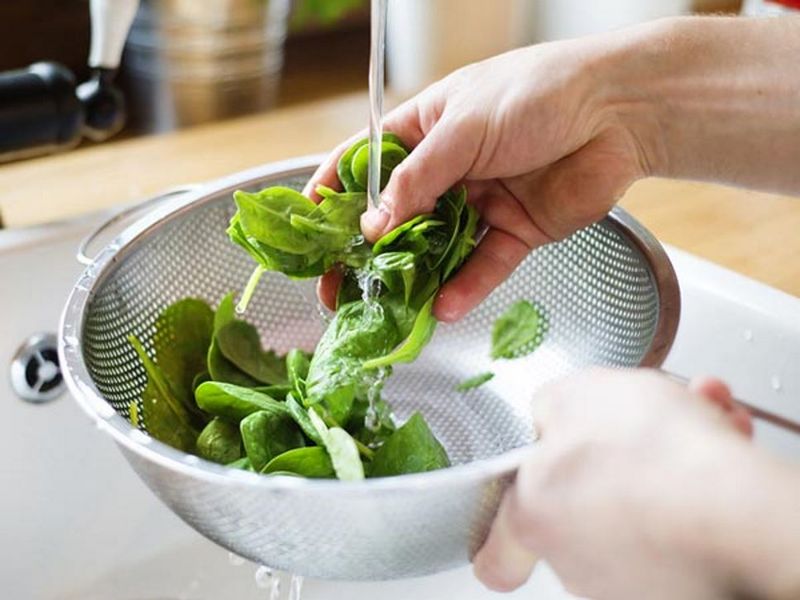
Garden-fresh still needs a rinse. FDA guidance says to wash home-grown produce under running water before eating.
Skip soap, detergent, bleach, and commercial produce wash. Plain running water is the recommendation.
Washing can reduce bacteria, but it does not remove all of it. Rinse every batch, and the salad bowl stays a little safer.