
In California, the smartest time to plant a shrub is right before the first big storms roll in. Winter rain does the watering for you, and roots spread deep while the air stays cool.
By the time the dry summer arrives, the right native shrubs can look like they have been there for years. Here are ten fast growers that can fill your yard, feed local wildlife, and sip very little water once settled.
1. Cleveland Sage
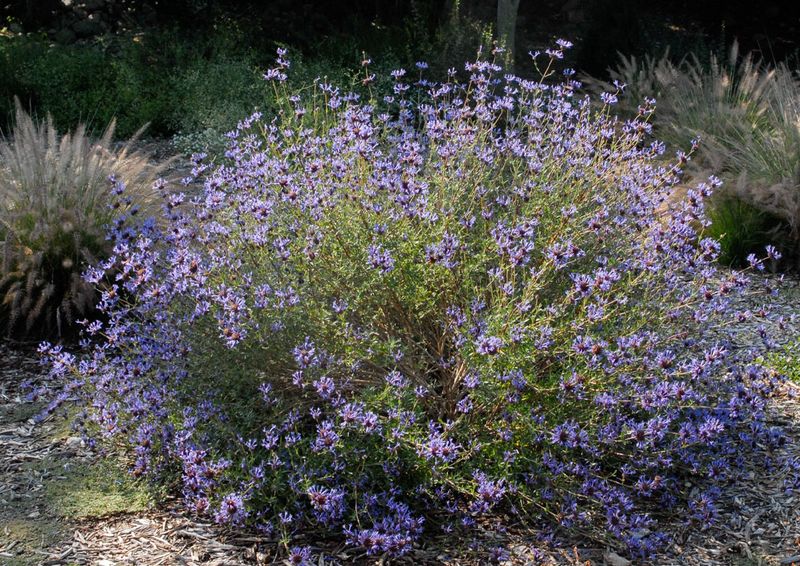
Brush past a Cleveland sage on a warm afternoon and the whole yard smells like a hillside after rain. That fragrance is only part of the appeal.
Planted in fall, Salvia clevelandii often reaches 3 to 4 feet tall and wide by its first summer. Its gray leaves handle full sun and heat, and the purple flower whorls pull in hummingbirds and native bees from late spring into summer.
Give it fast-draining soil and stop watering once it is established, since summer water can shorten its life. A light trim after bloom keeps it full instead of woody.
2. California Buckwheat
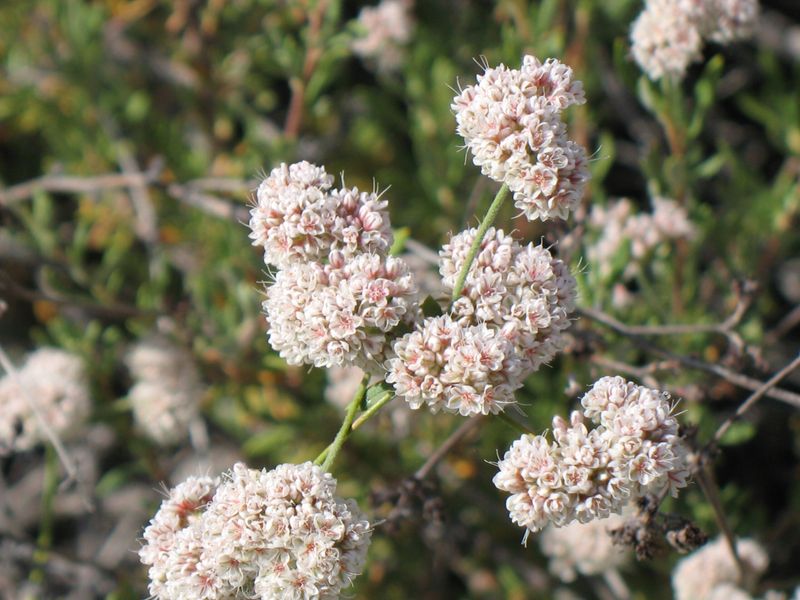
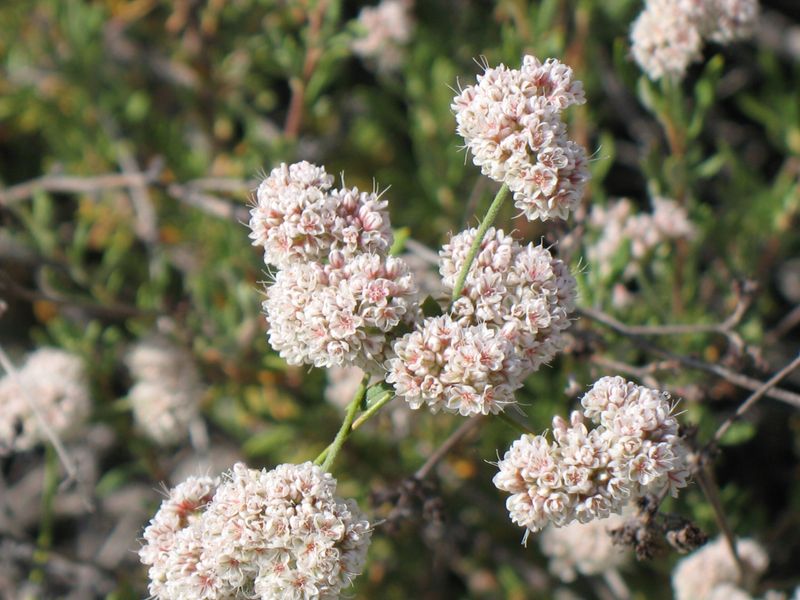
Ask a native bee expert to name one shrub every California yard should have, and buckwheat tends to come up first. Eriogonum fasciculatum supports a huge range of pollinators and butterflies.
It grows quickly into a soft mound about 3 feet across, and fall planting lets it root before summer. Flower clusters open creamy white, then age to a rusty brown that birds pick over for seeds.
Resist the urge to deadhead every spent bloom. Those dried heads add winter texture and food for finches.
3. Coyote Brush ‘Pigeon Point’
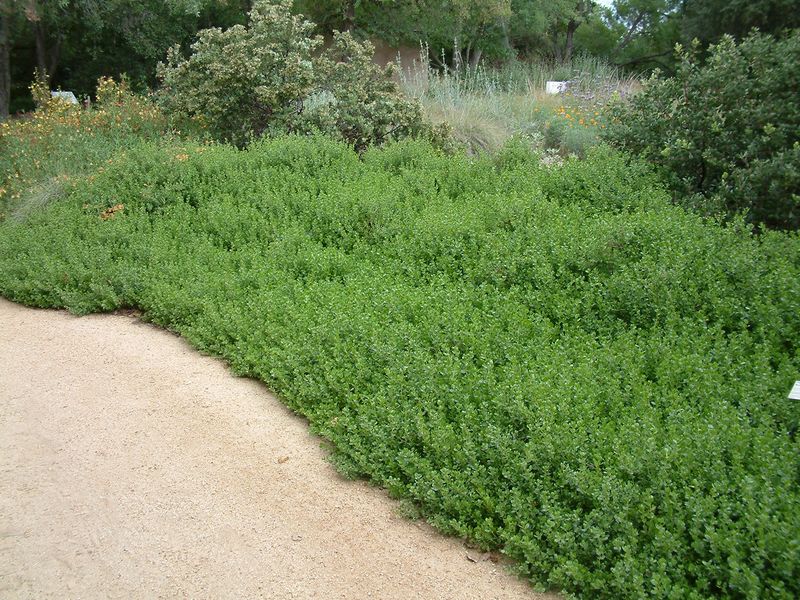
Got a bare slope that bakes all summer? Coyote brush may be the fastest fix in the native plant world.
The ‘Pigeon Point’ form spreads 6 to 8 feet wide while staying around 1 to 2 feet tall, and a fall planting can cover a surprising amount of ground in one season. Its roots can help hold soil on hillsides during heavy winter storms.
Tough and plain-looking, it is a workhorse more than a showpiece. Beneficial insects love its tiny fall flowers, and it shrugs off coastal wind and inland heat alike.
4. Ceanothus ‘Ray Hartman’
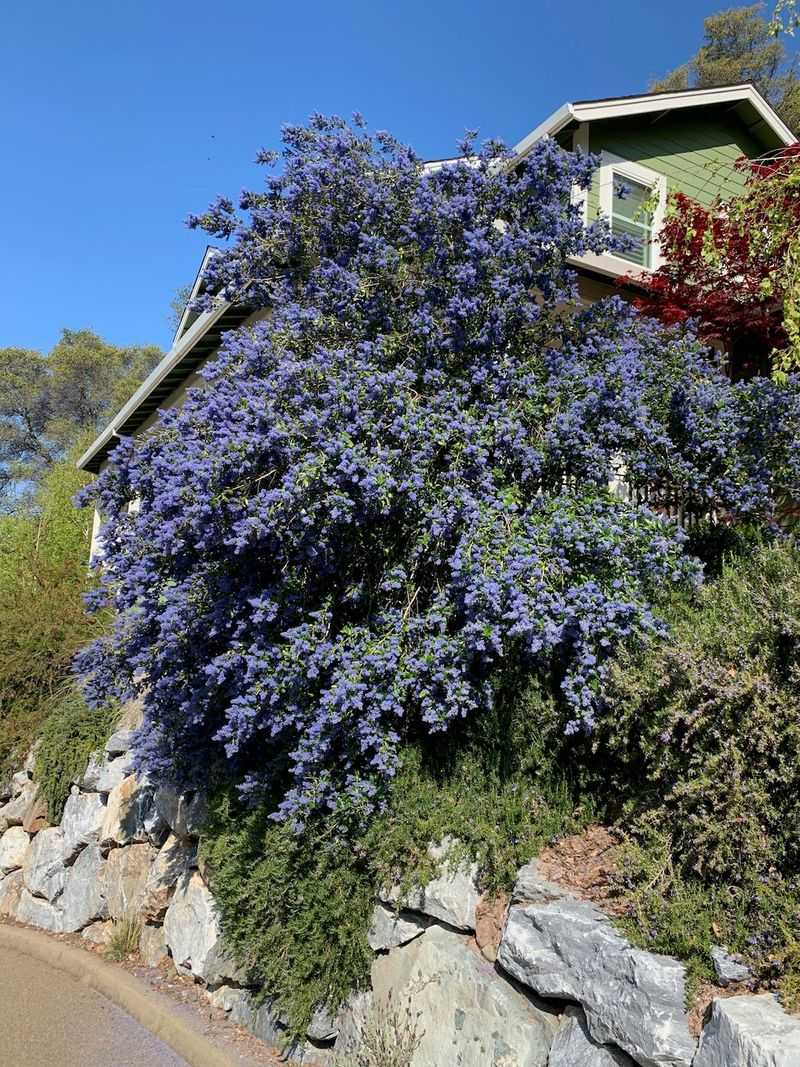
Spring in a yard with California lilac looks like someone spilled blue paint over the fence. Ray Hartman is one of the biggest and fastest Ceanothus selections around.
It can add several feet of growth in its first year, eventually forming a small tree up to 15 feet. That makes it a strong choice for quick screening between neighbors.
Bees swarm the blooms, so plant it away from the front door if anyone is nervous. Skip summer watering after year one; overwatered Ceanothus tends to decline quickly.
5. Bush Monkeyflower
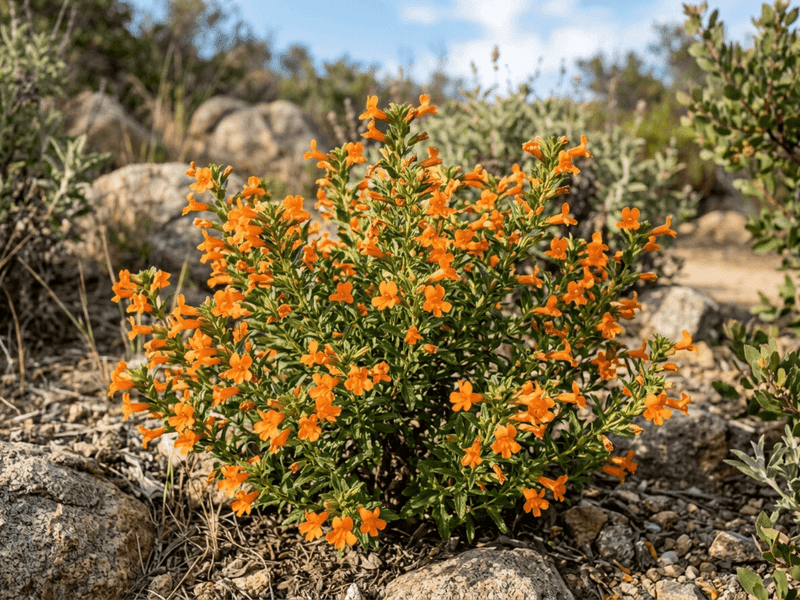
Hummingbirds treat bush monkeyflower like a roadside snack stand. Its orange, apricot, or red trumpets keep coming from spring well into summer.
Diplacus aurantiacus is compact, usually 2 to 4 feet, and fills in fast when tucked in before the rains. It looks great spilling over rocks or along a dry border.
When summer heat hits, it may drop some leaves and go semi-dormant. That is normal survival behavior, not a sign it needs a soaking.
6. Toyon
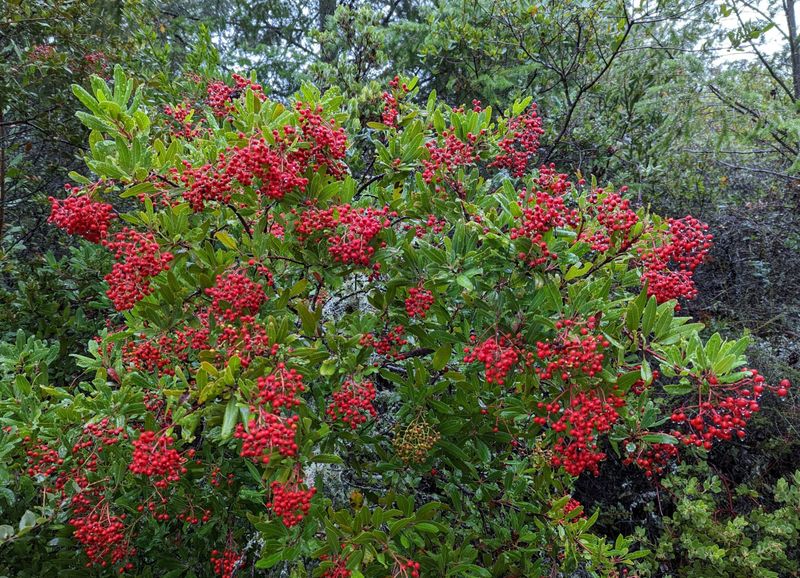
Hollywood is said to be named after this shrub, once called California holly. Toyon earns its fame with glossy leaves and clusters of red winter berries.
It grows more slowly at first than some picks here, but a fall planting with good roots can put on a solid foot or two by summer. Over time it becomes a dense, evergreen hedge or small tree.
Robins, cedar waxwings, and mockingbirds flock to the berries in winter. It also handles both clay and sandy soils well.
7. White Sage
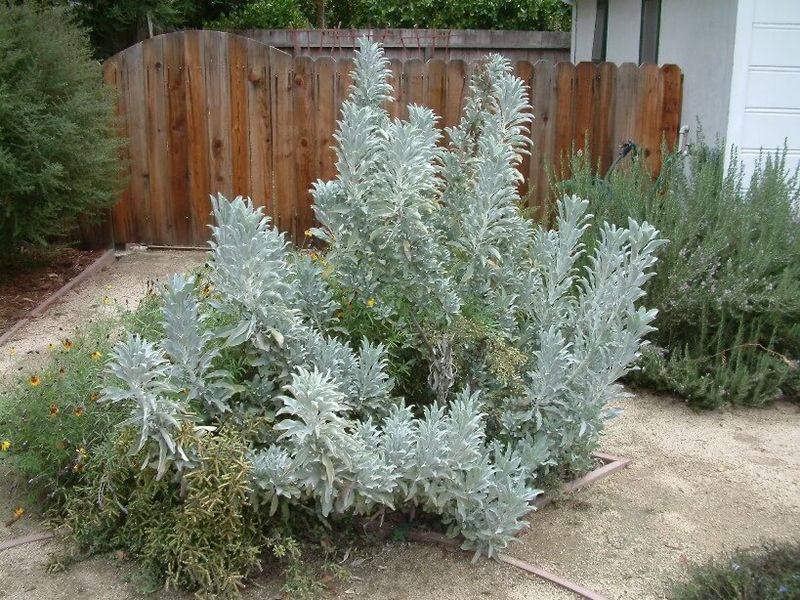
Silver foliage glows at dusk, which makes white sage a favorite for evening gardens. Salvia apiana brings a bright, almost moonlit look to dry beds.
Planted in fall in sunny, sharp-draining soil, it can mound 3 feet across by summer, then send up tall flower spikes loved by carpenter bees and bumblebees.
Wild populations have been overharvested, so buy nursery-grown plants. Growing your own can be a small way to ease pressure on hillside stands.
8. Lemonade Berry
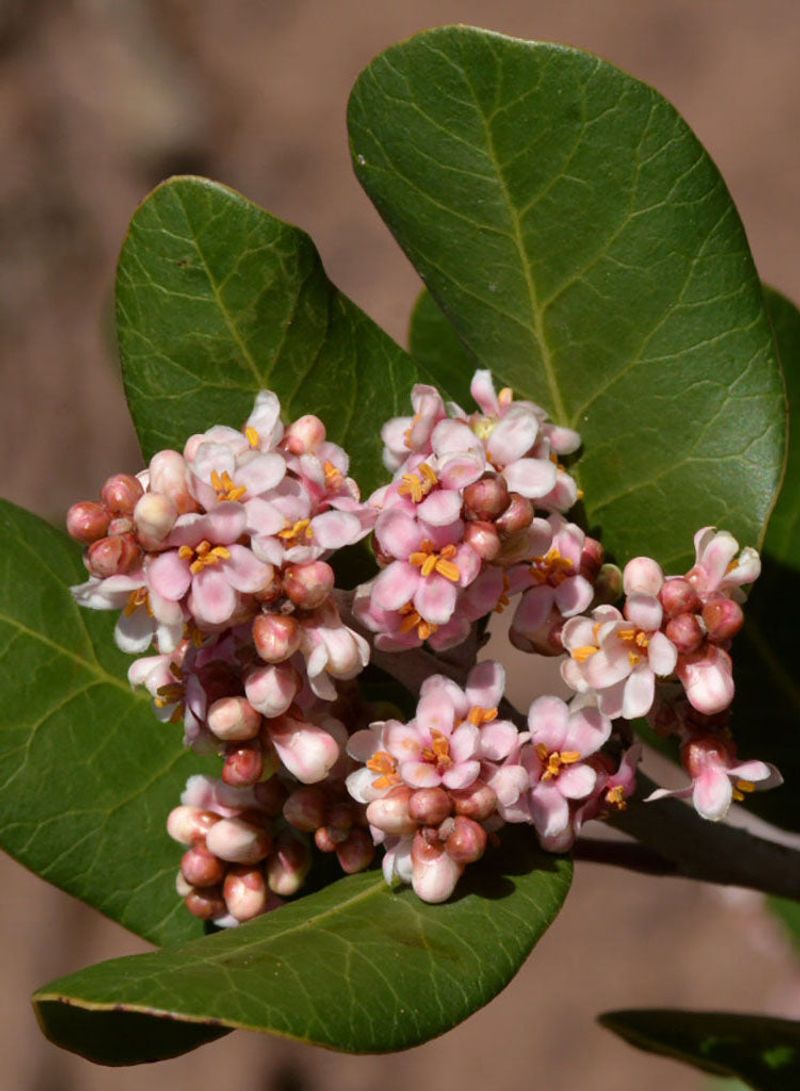
Early Californians soaked the sticky, tart berries of this shrub to make a sour drink. Rhus integrifolia still delivers that quirky backstory plus serious toughness.
It grows into a rounded evergreen screen, adding steady growth after fall planting. Leathery leaves stand up to salty coastal air and drought.
Pink spring blooms feed bees, and birds pick at the fruit. Use it as a privacy hedge that needs almost no summer water once settled.
9. Island Bush Poppy
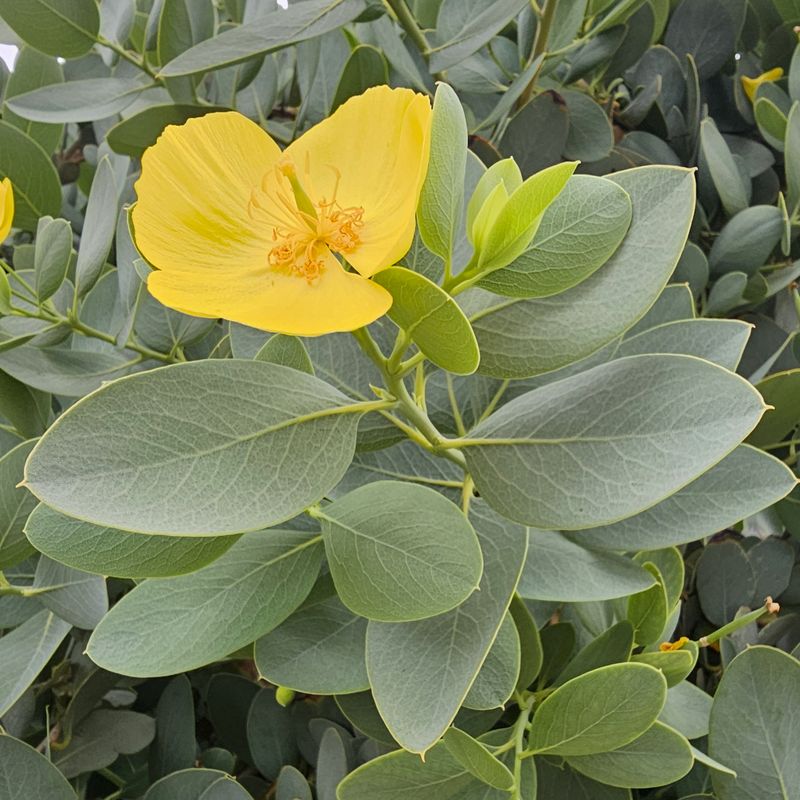
Few shrubs make visitors stop and ask, what is that? Island bush poppy does it with big, buttery yellow flowers above blue-gray leaves.
Native to the Channel Islands, Dendromecon harfordii grows fast and can bloom for months. A pre-rain planting often reaches 4 to 5 feet by summer.
It hates rich soil and frequent water. Plant it on a dry, sunny edge and largely leave it alone.
10. Coffeeberry ‘Eve Case’
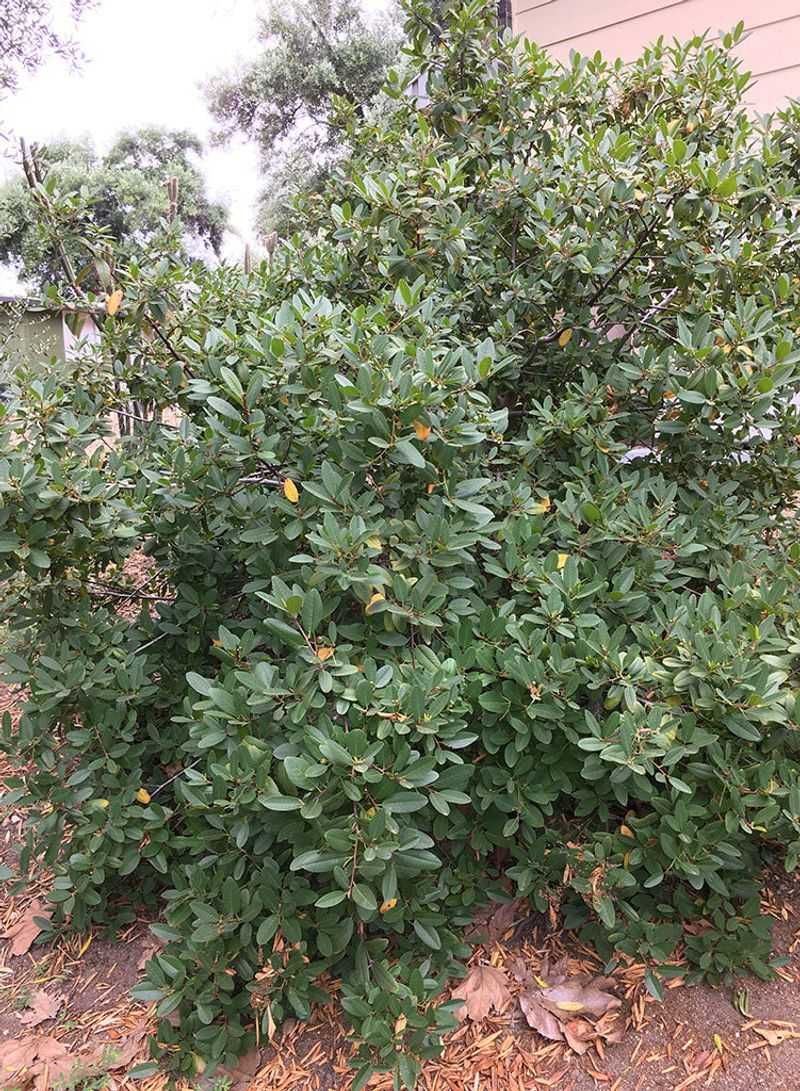
Need something that works in part shade as well as sun? Coffeeberry fills that gap better than most natives.
The ‘Eve Case’ selection stays tidy at about 4 to 8 feet and fills out quickly with fall planting. Berries ripen from green to red to nearly black, drawing birds, while flowers support bees and butterflies.
Its glossy, refined look suits formal front yards too. Many gardeners swap it in for thirsty hedges like privet with good results.