
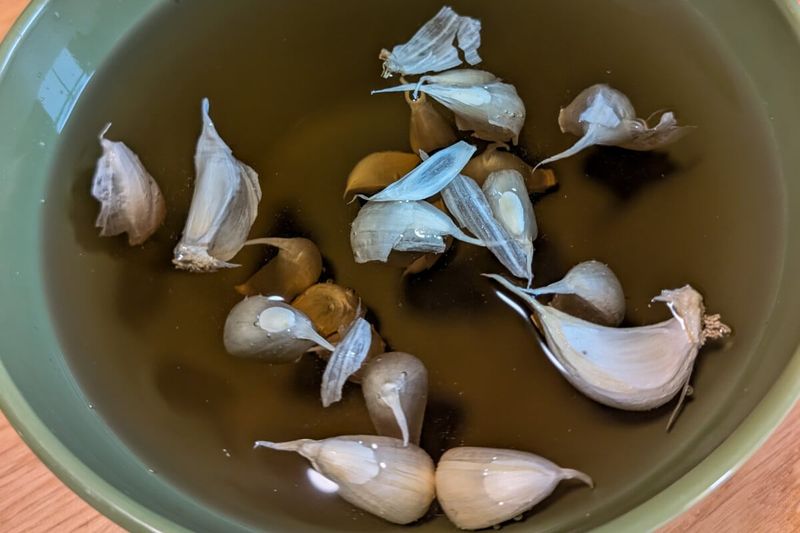
You dig into the bed where you planted garlic last fall, and the cloves feel soft, slimy, or gone. That sight is discouraging, especially after months of waiting.
Mushy garlic can come from more than one cause, and some causes are easier to avoid than others. Here are practical steps for Florida, Georgia, and Texas gardens that can lower your risk before you plant again.
Mushy cloves signal a problem, not a diagnosis
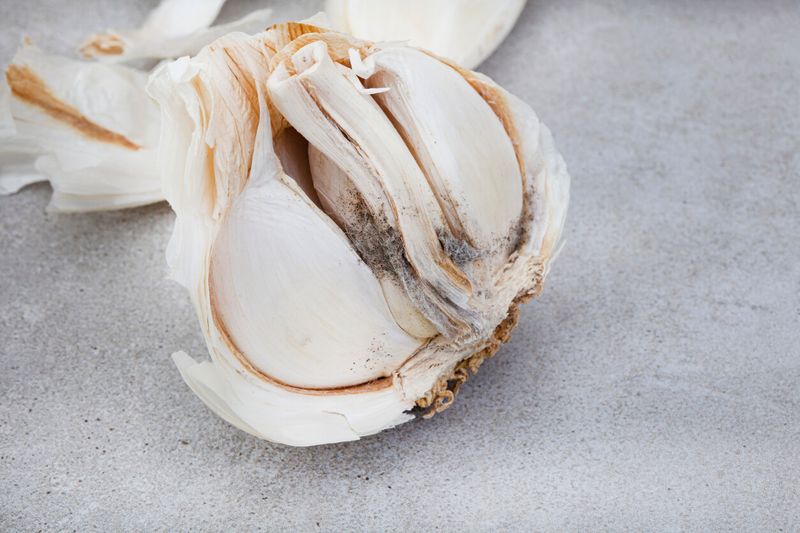
Finding soft, collapsed garlic in the ground is a real letdown. Mushiness, though, is only a symptom.
It tells you something went wrong, but it does not tell you what.
Soggy soil is one possible cause. Cloves sitting in standing water can break down, especially during a wet winter.
Disease is another. UC IPM guidance on Fusarium basal rot explains that this fungus can cause young plants to damp off and bulbs to rot, and that it often starts at the basal plate, the flat base of the bulb.
White rot is a separate soilborne disease, and University of Maryland Extension describes it as a problem in onion and garlic beds. Because several causes can look alike, avoid blaming one thing right away.
Look at how water behaved in your bed, whether other plants nearby struggled, and whether the leaves yellowed or wilted before the cloves softened.
Drainage matters, but depth is not a proven culprit
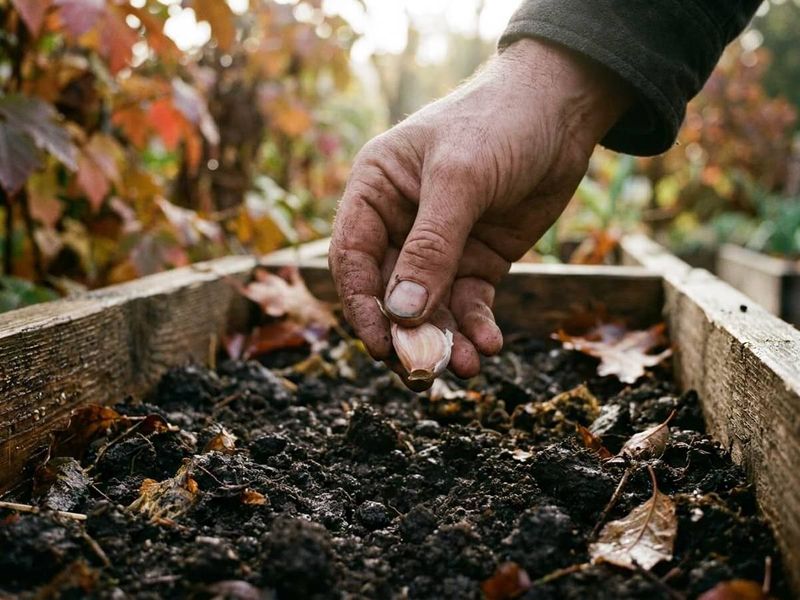
Many gardeners assume cloves rotted because they were tucked in too deep. The guidance gathered here does not back that up.
Extension sources give depth ranges, but they do not name deep planting as the cause of rot.
Drainage is a different story. UGA Extension’s garden garlic guide recommends a well-drained bed, which is sound practice for garlic.
Think of depth and drainage as two separate choices. Depth is about following your region’s advice.
Drainage is about whether water can leave the bed. Good choices on both can reduce avoidable problems, but they are not a cure.
Disease from infected cloves or soil can still cause rot, as the UC IPM Fusarium page makes clear.
Prepare a site that lets excess water drain
Walk your yard after a hard rain and see where water lingers. A spot that stays soggy for days is a poor place for garlic.
Pick higher ground or a patch where water moves away.
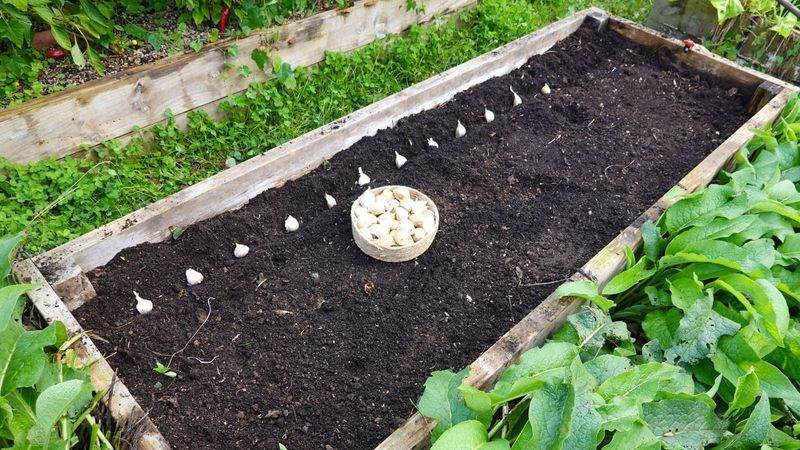
If your yard tends to stay wet, a raised bed is worth considering. A UGA production guide calls a slightly raised bed ideal.
Loosening the soil and mixing in compost can also help.
Garlic does not want bone-dry ground, either. UGA’s garlic guide points to a well-drained bed, meaning soil that holds some moisture but lets extra water escape.
A raised bed improves growing conditions, but it cannot guarantee protection from disease.
Plant sound cloves at locally recommended depth
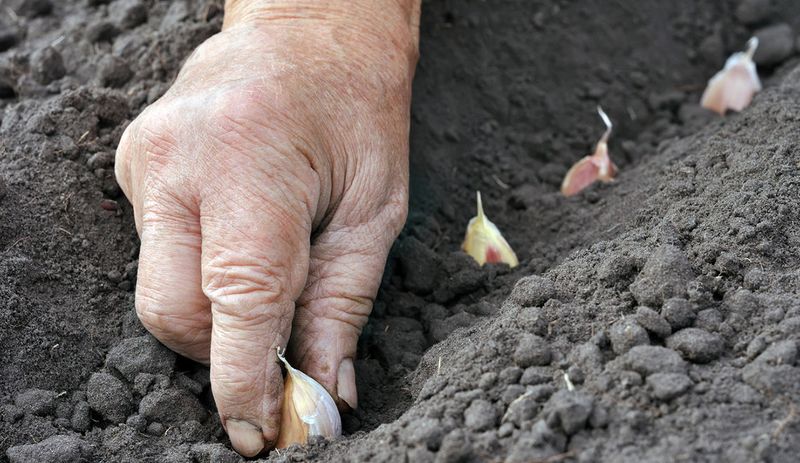
Start with the cloves themselves. Choose firm, plump ones and set aside any that are soft, moldy, or damaged.
UGA advises selecting disease-free bulbs, and buying planting garlic from a reputable source is a smart habit.
Inspection has limits. UC IPM notes that Fusarium can travel in garlic seed cloves, including cloves with no obvious symptoms.
Careful sorting lowers risk but cannot catch everything.
Depth advice varies by region, so skip any single number. UF/IFAS gives 1 to 2 inches for Florida.
Texas A&M’s guide lists 1 inch. UGA’s home garden guide gives 1 to 3 inches and says colder parts of Georgia may need slightly deeper planting.
Plant each clove pointed end up, using the advice for your area.
Match planting time and watering to local conditions
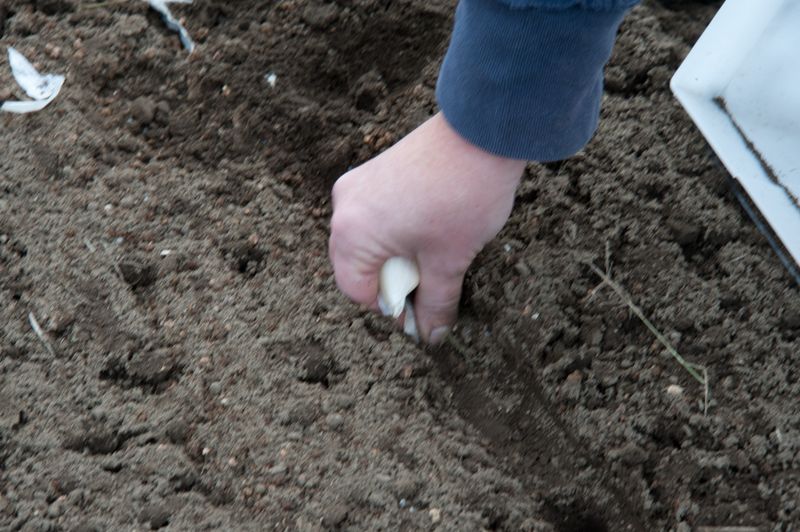
Southern states do not share one planting calendar. UF/IFAS recommends late fall to early winter in Florida and suggests softneck types such as Artichoke and Creole.
Georgia guidance runs from late September through November. Texas A&M’s older guide uses soil temperature instead of a date, planting when soil at 2 inches is below 85 degrees F.
Watering should follow the same local logic. Garlic does best when soil stays evenly moist without turning waterlogged.
UF/IFAS Pasco County suggests at least an inch of water weekly, counting rain, while warning against soggy soil.
Treat that number as local advice, not a schedule. After a wet week, skip irrigation.
Push a finger into the soil first: if it feels damp a couple of inches down, wait.
Recurring rot calls for a closer look at disease
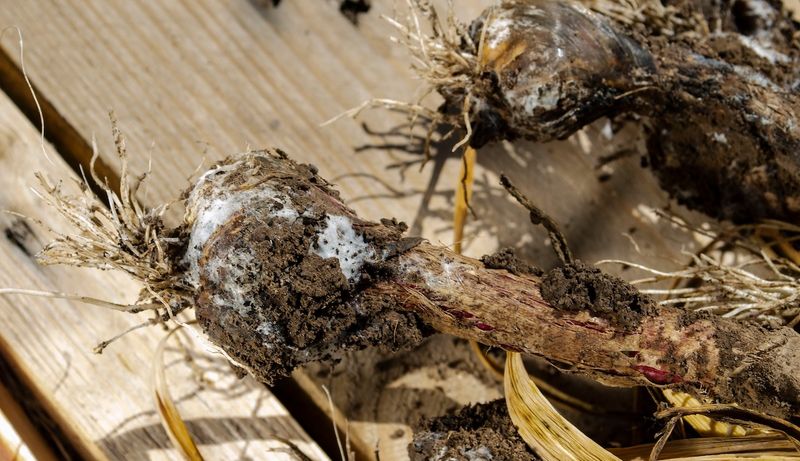
If garlic turns mushy again after you improved drainage, suspect disease. Warning signs include yellowing or wilting leaves along with rotting roots or bulbs.
Look closely at the base of the bulb. University of Maryland Extension describes white growth and small black sclerotia, tiny resting structures, as clues to white rot.
Fusarium rot can look similar, and UC IPM recommends diagnostic testing to tell some rots apart. A home look is a clue, not a final answer.
Contact your county Extension office or a plant clinic if you can. This matters because UC IPM explains that white rot’s resting structures can persist in soil for years, and moving infected soil, cloves, or tools can spread it.
Changing depth or drainage will not remove it, and infected cloves cannot be cured.
Reduce the risks before the next planting
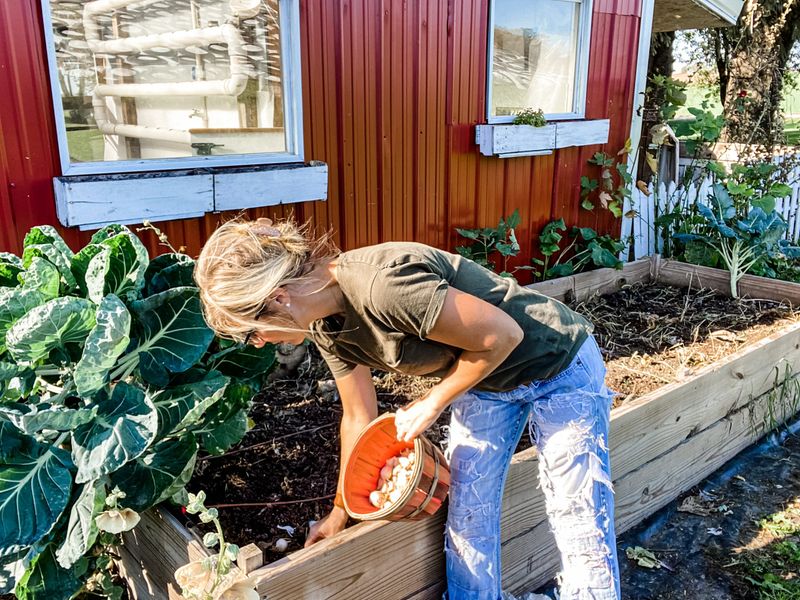
Before next fall, walk through a short sequence. Pick a well-drained spot, raise the bed if water stands, plant firm cloves from a reputable source at the depth your region recommends, and water by rainfall and soil feel.
UGA’s garlic guide supports the well-drained bed and disease-free bulbs.
These steps cut down preventable trouble, but disease like Fusarium, described by UC IPM, can still cause rot. Garlic rewards patience, and a good start is the best hand you can deal it.