
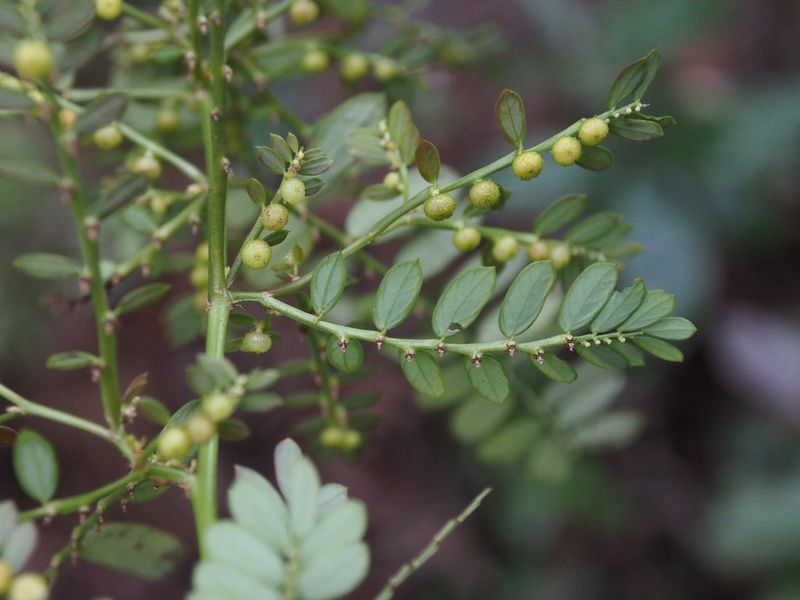
A tiny plant with fern-like leaves is popping up in Florida lawns and beds, and it is easy to mistake for something harmless. It is usually chamberbitter or a close lookalike, and the two do not behave in exactly the same way.
Knowing which one you have helps you pull it the right way and keep next year’s yard cleaner. Here is how to tell them apart and what to do about them.
What Is Hiding Under Those Miniature Leaves?
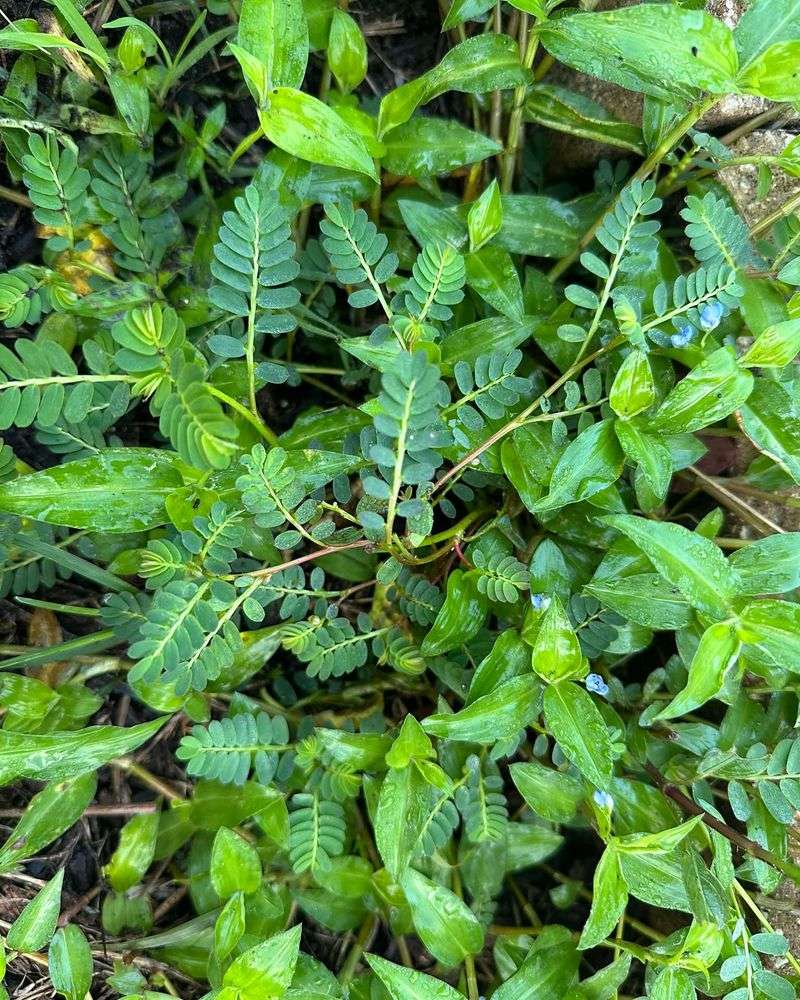
Crouch down and look closely at a small, feathery weed in your yard. Its tiny paired leaflets look like a miniature mimosa, which is why so many people shrug and leave it alone.
Leaf shape alone cannot tell you what it is. Chamberbitter is often confused with mimosa-like plants, including Florida’s native sunshine mimosa, so a quick glance is not enough.
The better clue is on the underside. Gently lift a branch and look beneath it.
UF/IFAS Gardening Solutions describes small, wart-like seed structures tucked under the branches. If you see a row of tiny round bumps hanging below the leaflets, you are likely looking at a Phyllanthus weed rather than a true mimosa relative.
Even then, there are two similar species in Florida, and the way the fruits attach helps separate them. A UF/IFAS Santa Rosa County Extension guide compares the two side by side.
So the goal here is simple. Identify the plant first, then decide how to remove it.
A few seconds of checking the leaves, the underside, and the fruits can save you from pulling the wrong thing or handling the right thing carelessly.
Do These Lookalikes Release Seeds the Same Way?
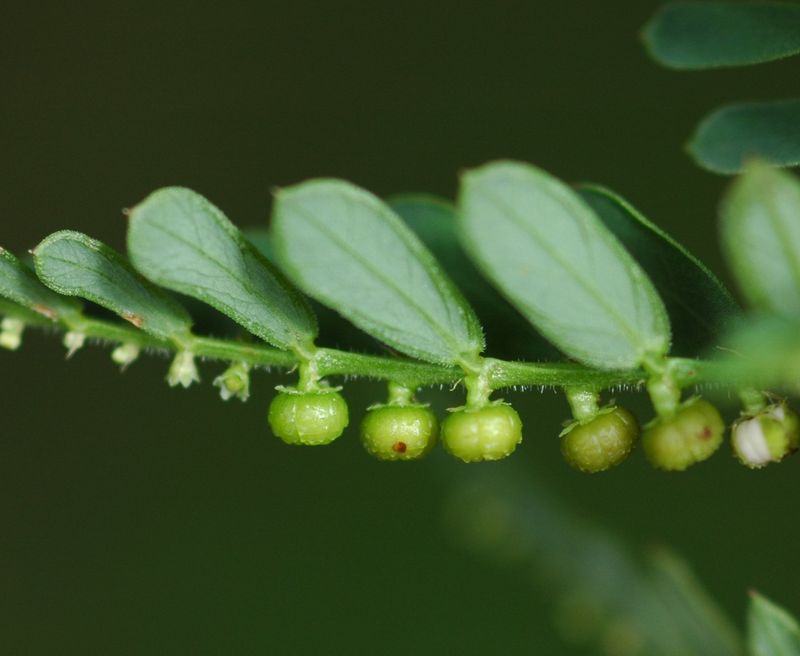
The name chamberbitter gets used loosely for two similar weeds. One is chamberbitter proper, Phyllanthus urinaria.
The other is long-stalked phyllanthus, Phyllanthus tenellus.
Fruit attachment is the easiest clue. P. urinaria has fruits attached directly to the stem, while P. tenellus has fruits on small stalks.
The Santa Rosa County Extension comparison lays this out.
Now the seed question. UF/IFAS specifically documents that ripe fruits of P. tenellus explosively release seeds, potentially more than 3 feet.
That is a real, documented behavior for the long-stalked species.
For chamberbitter, P. urinaria, the sources I reviewed do not say whether it does the same. That is an open question, not a yes or a no, and it would be wrong to assume the mechanism belongs only to one species.
You may also see claims of hundreds of seeds per plant. I could not verify that.
University of Georgia Extension reports several seeds per capsule, usually three, but gives no per-plant total.
Pull Plants Promptly and Contain Visible Seeds
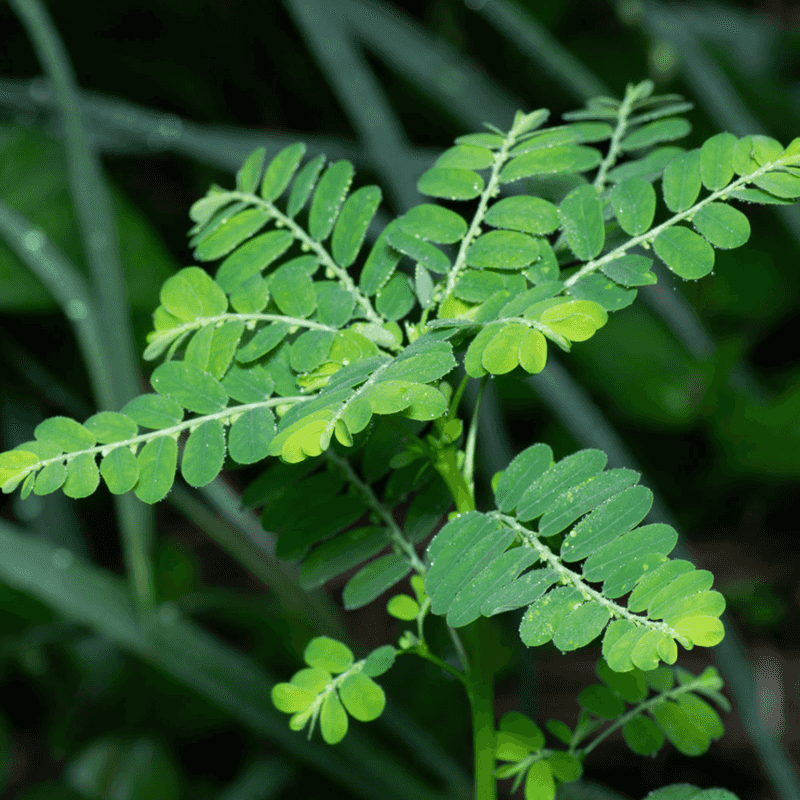
Hand-pulling works well on small patches. UF/IFAS advises scouting often and pulling plants as soon as you notice them, since chamberbitter produces seeds quickly.
Moist soil after a summer rain makes the job easier. Loosen the plant, lift it out, and resist the urge to knock the dirt off the roots.
Shaking can fling soil and any loose seed right back onto your lawn.
If you can see seed structures under the branches, take extra care. UGA Extension recommends containing the plant during removal.
A practical way is to slip a bag or bucket under the plant before you lift it, then seal it up.
Keep seeded plants out of the compost pile. A compost heap is a poor place to park a weed that has already set fruit.
Prompt pulling is sensible no matter which species you have. You do not need to assume every capsule bursts.
Because the species can be hard to tell apart, handling every seeded plant gently and bagging it is the safe habit.
Dense Turf Helps Keep Weeds From Taking Hold
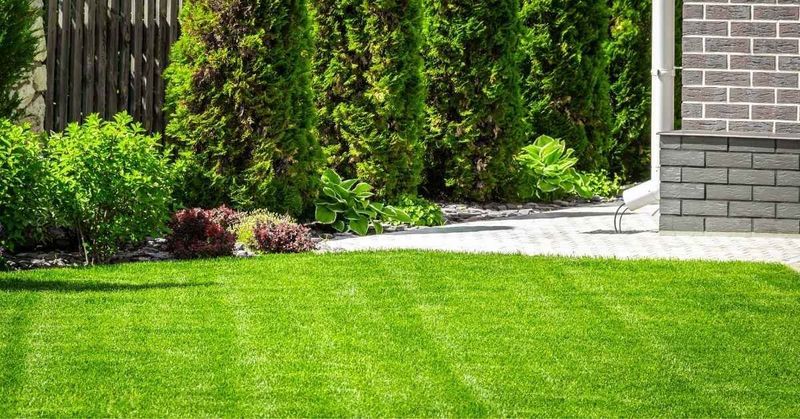
Once the weeds are out, think about why they moved in. Bare or thin spots give seedlings room to start.
In the lawn, the best defense is the grass itself. The UF/IFAS weed management guide for Florida lawns notes that healthy, dense turf competes well against weeds.
That means mowing at the height suited to your grass type, watering and fertilizing as recommended for Florida, and patching thin areas.
Landscape beds call for a different approach. UF/IFAS recommends removing existing weeds first, then spreading 2 to 3 inches of mulch over the bare soil.
Keep those two ideas separate. Mulch belongs in beds around shrubs and flowers, not on turf, where it would smother the grass you are trying to keep.
Neither step is a guarantee. A thick lawn and a mulched bed make it harder for weeds to get started, but a stray seedling can still show up.
Keep scouting, and pull anything new right away.
Herbicide Choices Depend on the Grass and the Timing
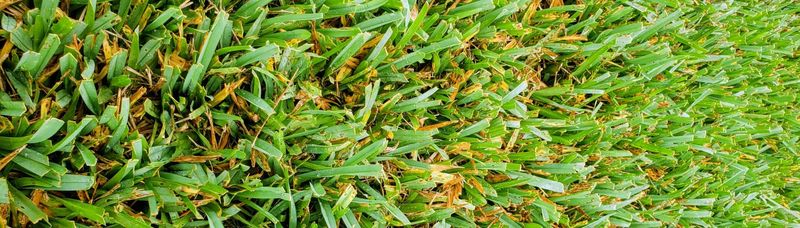
Pulling removes a weed that is already up. Preventing next year’s crop is a different job, and herbicides fit into it only if timing and turf type line up.
Preemergence products must be applied before weed seeds germinate. UF/IFAS says they have little or no effect on weeds that have already emerged.
If the plant is already green and growing in your yard, a preemergence product will not fix it.
Turf species matters too. Florida lawns include St. Augustinegrass, bermudagrass, zoysiagrass, centipedegrass, and bahiagrass, and they do not all tolerate the same products.
The UF/IFAS lawn guide warns that the wrong product or the wrong conditions can injure turf and nearby plants.
So there is no single product or calendar date that works for everyone. Check the current Florida lawn guide or call your county Extension office to see which options suit your grass.
The UF/IFAS chamberbitter page is a good starting point for this weed.
Whatever you choose, read the product label and follow it exactly.
Start With a Careful Inspection
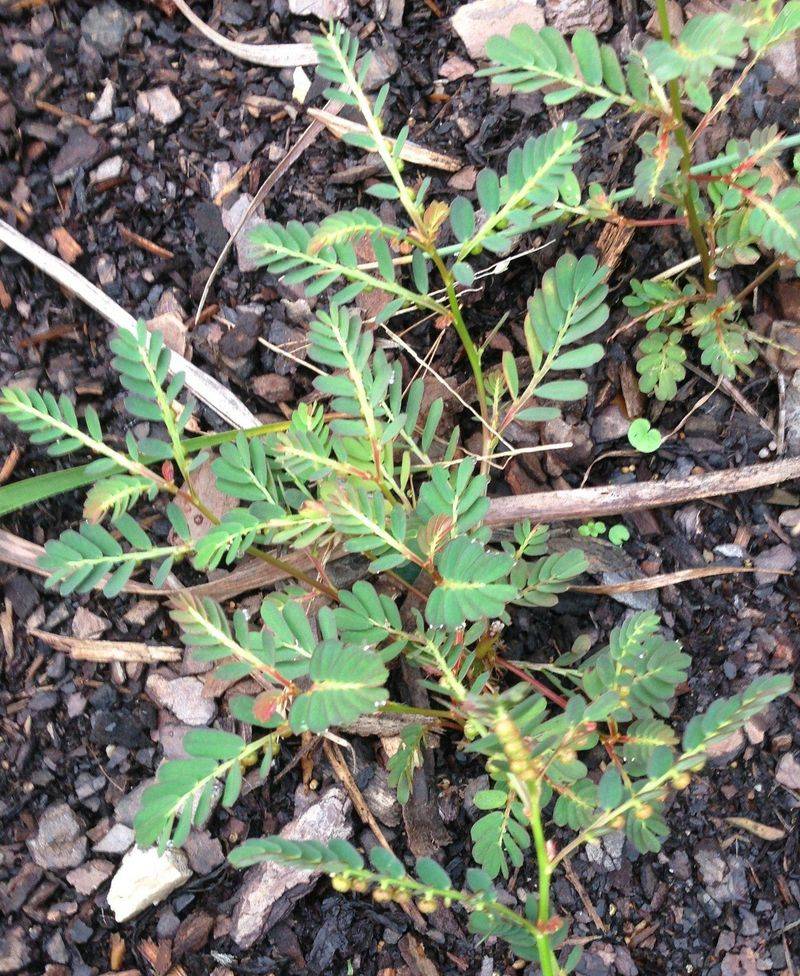
Before you act, run through a quick checklist. Look under the branches for wart-like fruits.
Check whether the fruits sit right on the stem or hang on tiny stalks. Pull promptly and bag any plant that shows seed structures.
UF/IFAS documents explosive seed release for P. tenellus, while the sources I reviewed do not say whether P. urinaria does the same.
A close look today is the cheapest weed control there is, and the UF/IFAS chamberbitter guide can help with the details.