
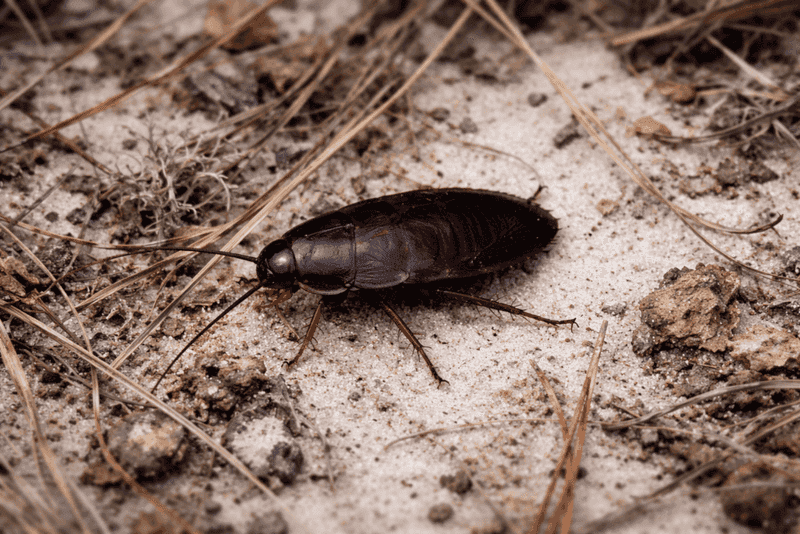
You spot a big cockroach near the porch light and wonder where it came from. Florida yards offer plenty of dark, damp hiding places, and some are right beside the house.
Knowing which spots deserve a look can help you cut down on unwelcome visitors. Here is a practical guide to checking your yard and keeping large roaches outside.
“Palmetto Bug” Can Mean Different Cockroaches
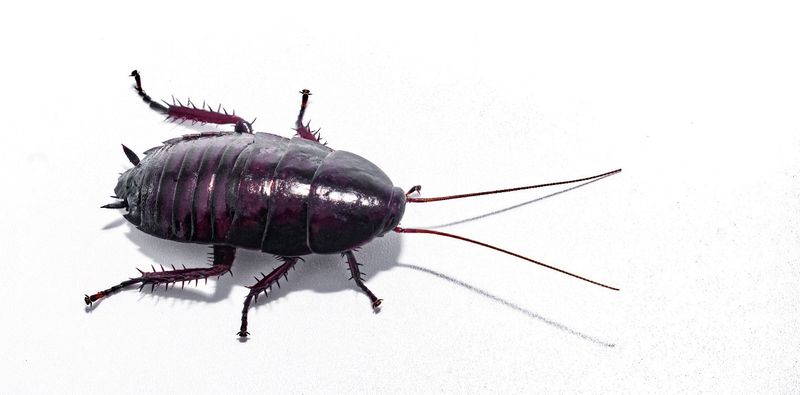
Ask five Floridians what a palmetto bug is and you may get five different answers. The name is informal, and people use it for several large cockroaches, including the American cockroach and the Florida woods cockroach.
Each one has its own habits, so what you saw matters.
The Florida woods cockroach lives mostly outdoors and feeds on decaying plant matter. According to UF/IFAS guidance on the Florida woods cockroach, it is an occasional home invader and has not been shown to commonly colonize buildings.
A stray one indoors is usually just a wanderer, and it may even hitch a ride inside on firewood.
American cockroaches have a different profile. As described in UF/IFAS information on the American cockroach, they live in outdoor sites, sewers, and drainage systems, and they can also enter homes.
They are linked to both outdoor and building settings, which makes them a bit trickier to read.
Because the habits differ, a single sighting tells you less than you might expect. A large roach in the flower bed does not point to an indoor problem.
A large roach on the kitchen floor does not point to one specific corner of your yard. Identifying the species and noticing how often you see them gives you far better clues than any one encounter.
Inspect Sheltered, Debris-Rich Places First
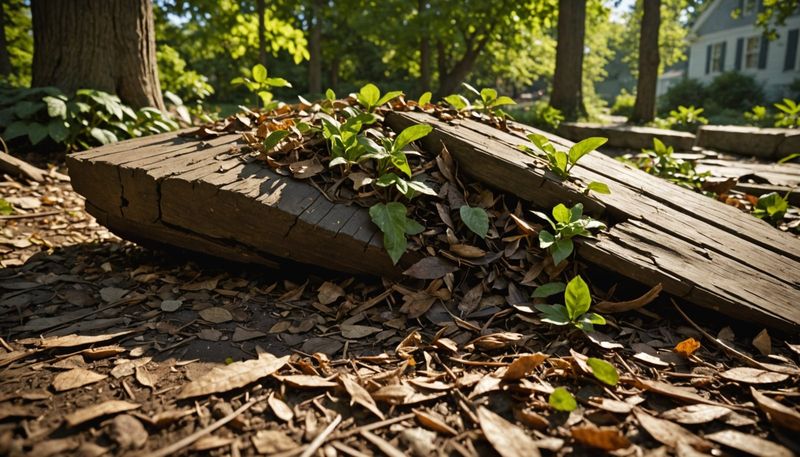
Start your yard walk where it is dark, damp, and cluttered. Good spots to check include pine-straw or other mulch, leaf litter, dense groundcover, tree cavities, palms, woodpiles, compost bins, and piles of rotting yard debris.
Pay extra attention to anything close to doors, windows, and the foundation.
Keep in mind that these are places roaches may shelter, not proof that every species breeds in each one. The one specific finding comes from UF/IFAS cockroach management guidance, which reports that large outdoor cockroaches breed readily in pine-straw mulch.
They breed more readily there than in gravel or bare soil.
Florida woods cockroaches add a few more leads. UF/IFAS notes they may shelter around palms, woodpiles, dense leaf litter, and compost.
The Florida woods cockroach publication also lists water-pump shelter boxes as a possible hiding place for this species.
That last detail has limits. It describes a possible shelter for one kind of roach, not a confirmed breeding site, and it does not mean every irrigation box in your yard is a roach hangout.
If you open a pump box, treat it as one more place to look and keep it clean and dry where you can.
Bring a flashlight and check in the evening or on an overcast day. Lift loose debris gently with a rake rather than your hands, and note which areas hold the most roaches.
A Yard Sighting Does Not Reveal the Route Indoors
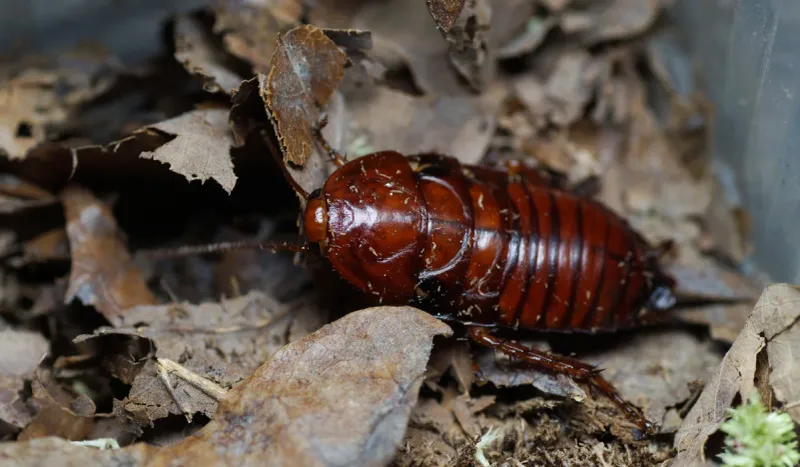
Finding roaches outside tells you they live nearby. It does not tell you how one reached your living room.
Per UF/IFAS, American cockroaches may come inside looking for food or water, or to escape extreme weather. The same source describes movement from sewers and from nearby trees or shrubs.
Many people assume cooling fall nights push roaches indoors across Florida. That idea has not been shown as a statewide cause.
Heavy rain and other weather extremes may play a role for American cockroaches, but cool nights alone are not an established trigger.
One useful look at the question is a study of seasonal cockroach activity in north-central Florida. It examined smokybrown and Florida woods cockroaches.
Fall infestations there were associated with population size and with how close the main roach habitats were to homes.
Those findings apply to the species and region studied, so avoid stretching them to every roach in every Florida yard. Still, the practical takeaway is clear.
Where large numbers of roaches shelter close to a house, more of them may end up near the doors.
That is why checking nearby habitat makes sense in any season. It is a reasonable precaution, not a way to trace one particular roach back to one particular spot.
Reduce Harborage Beside the Foundation
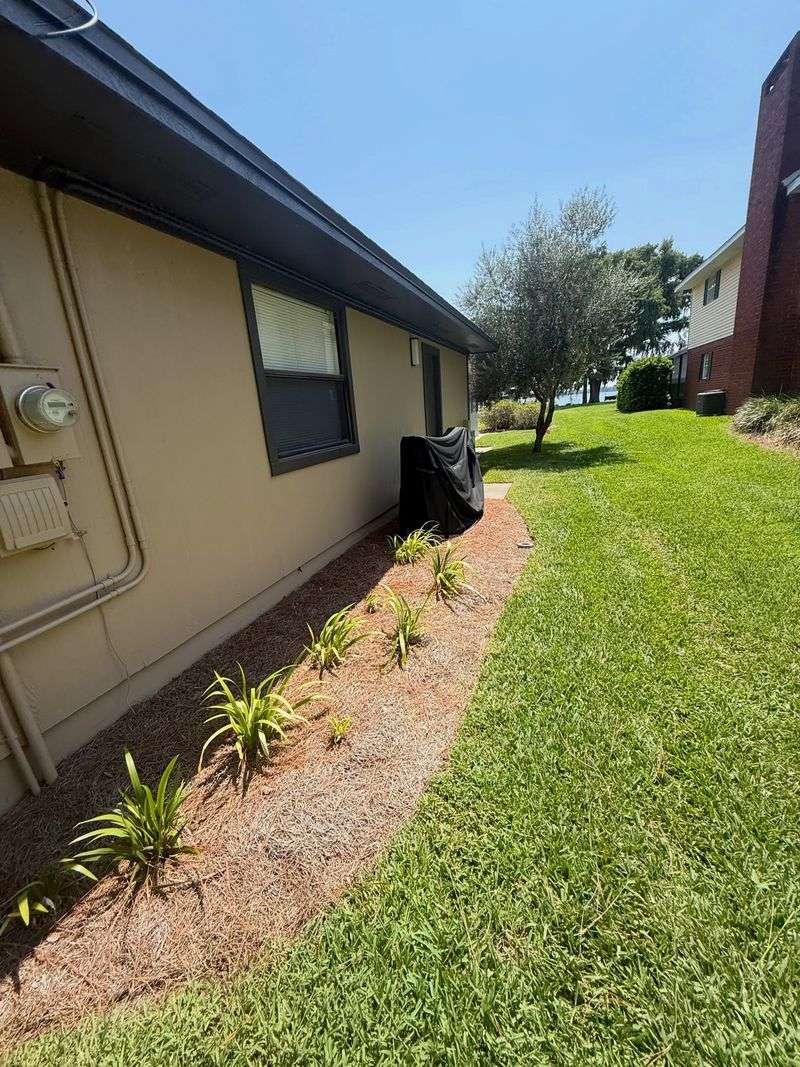
Once you know where roaches like to hide, a few small changes can make the area beside your house less inviting. Start with mulch.
UF/IFAS landscaping guidance says mulch should generally be 2 to 3 inches deep in plantings and no more than 2 inches deep within 12 inches of the foundation.
You do not need to strip your beds bare. The goal is to avoid thick, soggy layers right against the wall, where moisture and shelter pile up.
Keep the rest of your garden mulch in place, since it still protects Florida’s sandy soil and conserves water.
Next, clear away leaves and rotting debris near doors and windows. A quick rake every week or two keeps these spots from building up.
Move compost bins and brush piles farther from the house when you can.
Firewood deserves attention too. UF/IFAS advice on cockroach management recommends keeping it off the ground and away from the house.
A raised rack works well, and shaking out logs before carrying them in is a smart habit.
Finally, trim shrubs and ornamentals so they do not touch the walls. Open space between plants and siding improves airflow and removes a bridge roaches could use.
These steps lower the number of cozy hiding places beside the home, which is all they are meant to do.
Close Entry Points Around the Home
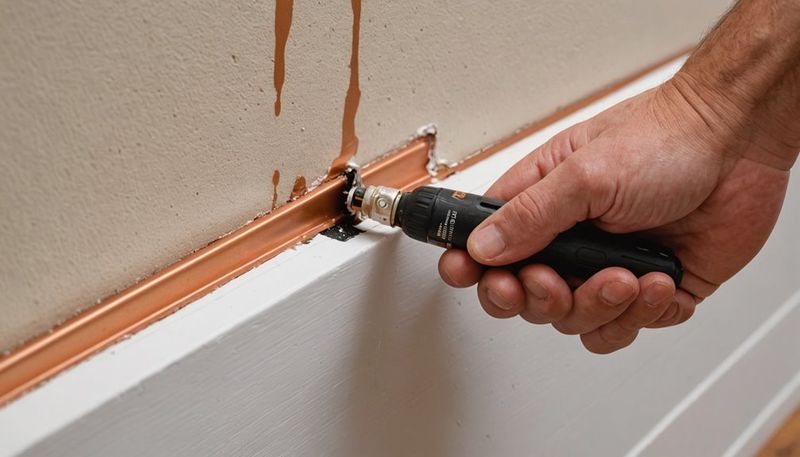
Yard cleanup handles the habitat side. Sealing the house handles the doorway side.
They solve different problems, and doing both gives you the best shot at keeping large roaches outdoors.
Begin with a slow walk around the outside and the inside of your home. UF/IFAS recommends exclusion measures such as repairing screens, sealing gaps, and adding weatherstripping.
Those are simple jobs that most homeowners can finish in a weekend.
Check screens on windows, doors, and lanais for tears or loose edges. Patch small holes or replace the screen if it is worn.
Look at the bottom of each exterior door, and if you can see daylight, add a sweep or weatherstripping.
Then look for gaps around plumbing and utility openings. Pipes, air conditioning lines, cable entries, and dryer vents often have loose spaces around them.
Seal them with caulk or another suitable material, and make sure vent covers fit snugly.
Remember that neither cleanup nor sealing proves where any one roach started. They simply reduce the chances of a roach finding both shelter near the house and a way inside.
Know When to Identify or Treat the Pest
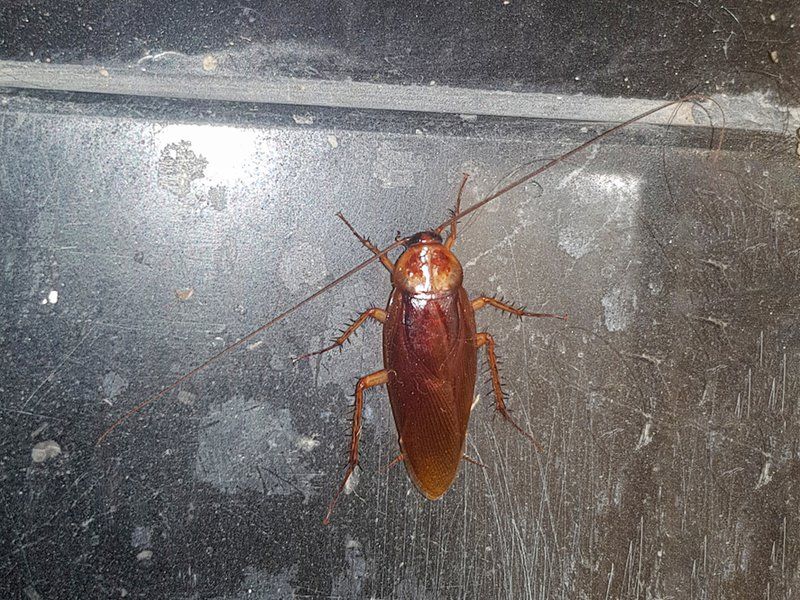
Seeing a single large roach indoors does not mean you have an infestation. UF/IFAS notes that outdoor cockroaches often do not survive well inside, and removing the one you found may be all you need.
Repeated sightings, or signs that roaches are breeding indoors, call for a closer look and a proper identification.
Identification guides the next step. The Florida woods cockroach is described as an occasional home invader, while American cockroaches have stronger ties to drains and buildings.
If you cannot tell which you have, a local extension office or pest professional can help.
If control is needed, choose an integrated approach rather than chemicals alone. UF/IFAS favors targeted baits, and liquid insecticide near bait can repel roaches from it, so keep the two apart.
Foggers and broad spraying are not a good answer.
Read the label before you use any product, and follow it exactly. EPA pest control do’s and don’ts cover using products only as labeled, and EPA label guidance explains why labels matter.
Keep pesticides away from children and pets as directed.
Your action sequence is simple: inspect likely shelter, reduce harborage nearby, and check entry points. Do it without assuming any single spot caused an indoor sighting.
A roach tells you the neighborhood is lively, and a tidy, sealed house tells it to keep walking.