
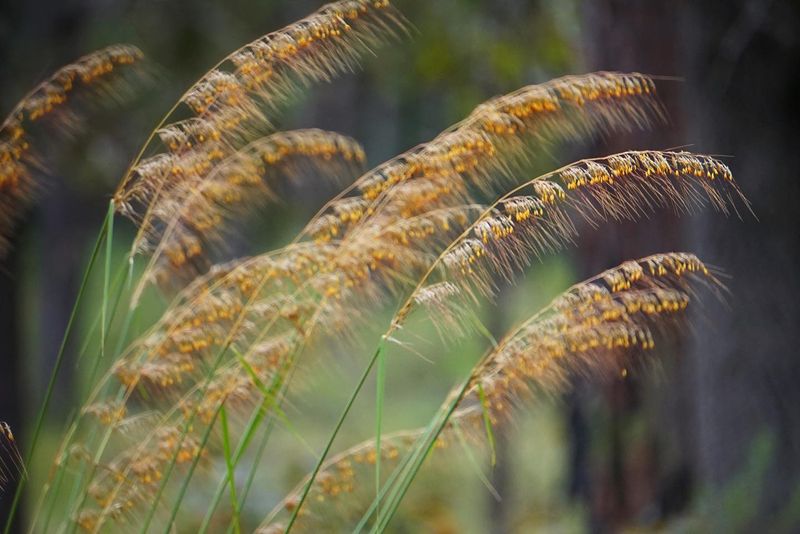
A few seed-filled stems can turn a quiet Florida yard into a winter feeding stop. Native flowers and grasses offer food while giving your garden color, texture, and cover.
American Goldfinches visit Florida in winter, while Indigo Buntings are more likely during migration and remain through winter mainly in South Florida. These seven plants can help feed visiting seed eaters, though sightings depend on your location and which birds reach your neighborhood.
1. Black-Eyed Susan
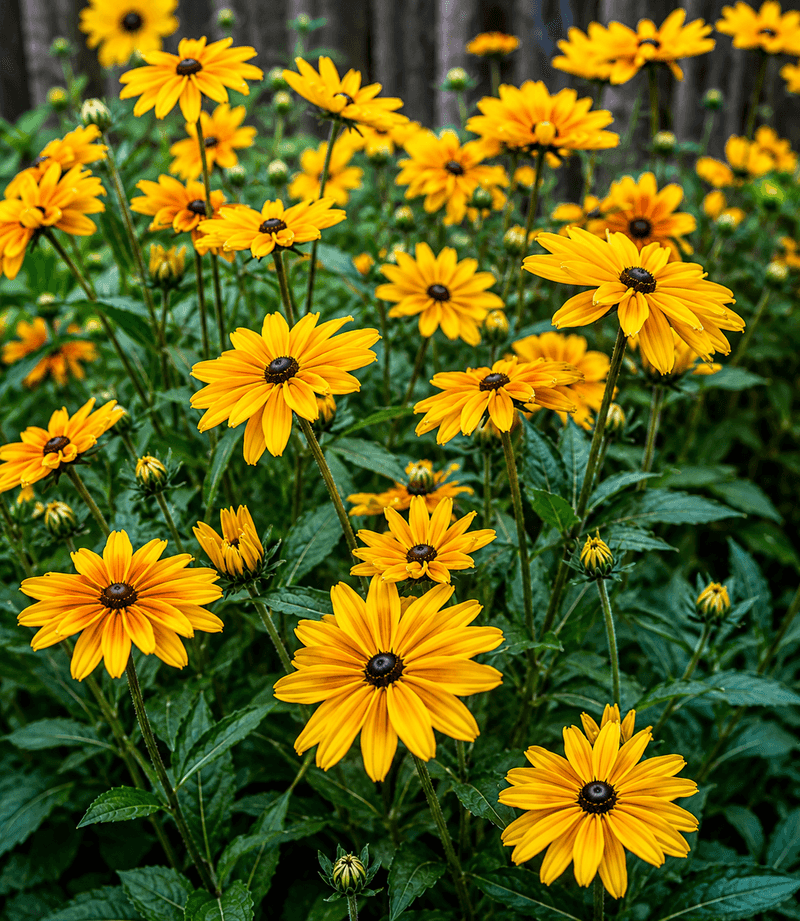
Those dark flower centers are worth saving after the yellow petals fall. Black-eyed Susan, Rudbeckia hirta, produces seed heads that can offer feeding opportunities for goldfinches and other small birds long after its brightest display ends.
Give this Florida native a sunny spot with well-drained soil. It often behaves as an annual or short-lived perennial, so allow some seeds to fall if you want replacement plants without buying a new batch each year.
For a tidy-looking yard, group plants in a defined bed rather than scattering them across the lawn. A border of three to seven plants makes the fading stems look intentional and puts several seed heads within easy reach of visiting birds.
Skip deadheading on at least part of the planting, and leave those stems standing into winter. Goldfinches may work the seed heads directly, while buntings can search beneath them for fallen seeds.
Established plants need less attention than thirsty bedding flowers, but new transplants still need regular watering while their roots spread. Avoid soggy sites, and remember that plants started this winter may provide their best seed crop later, rather than feeding birds immediately.
2. Dune Sunflower
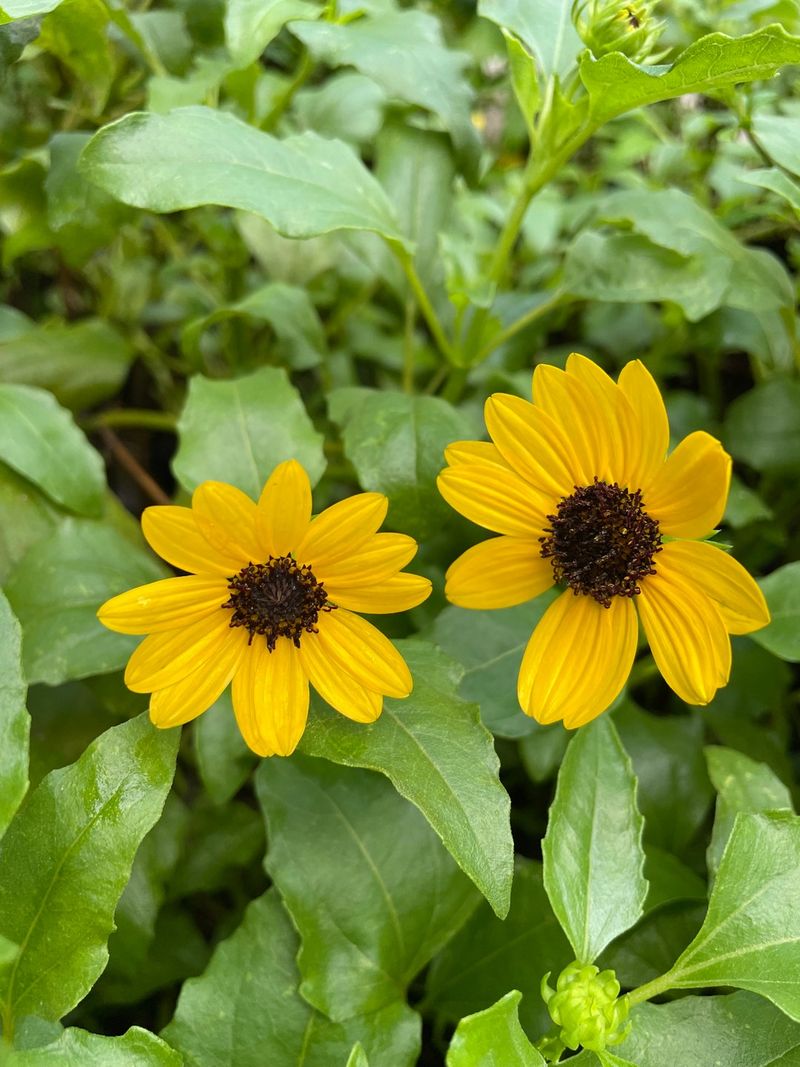
A sunny strip of sand does not have to stay bare. Dune sunflower, Helianthus debilis, spreads into a low, flowering groundcover that suits many coastal Florida yards and produces seeds for wildlife.
Its special advantage is the mix of flowers, ripening heads, and leafy cover in one planting. In warm parts of Florida, flowering can continue through much of the year, although cold weather can interrupt growth farther north.
Choose full sun and fast-draining soil, with room for stems to spread several feet. Keep it away from regularly flooded ground and heavily irrigated beds, where excess moisture can cause trouble.
Leave some spent blooms attached instead of trimming the entire patch for a fresh flush. Fallen seeds can become available to ground-feeding birds, including Indigo Buntings where they occur, while goldfinches may investigate the seed heads.
Use a locally appropriate form from a Florida native nursery, since this species has regional differences. Along a walkway, trim only the outer edge and preserve the seed-bearing interior; that keeps the planting useful to birds without letting it swallow the path.
3. Leavenworth’s Tickseed
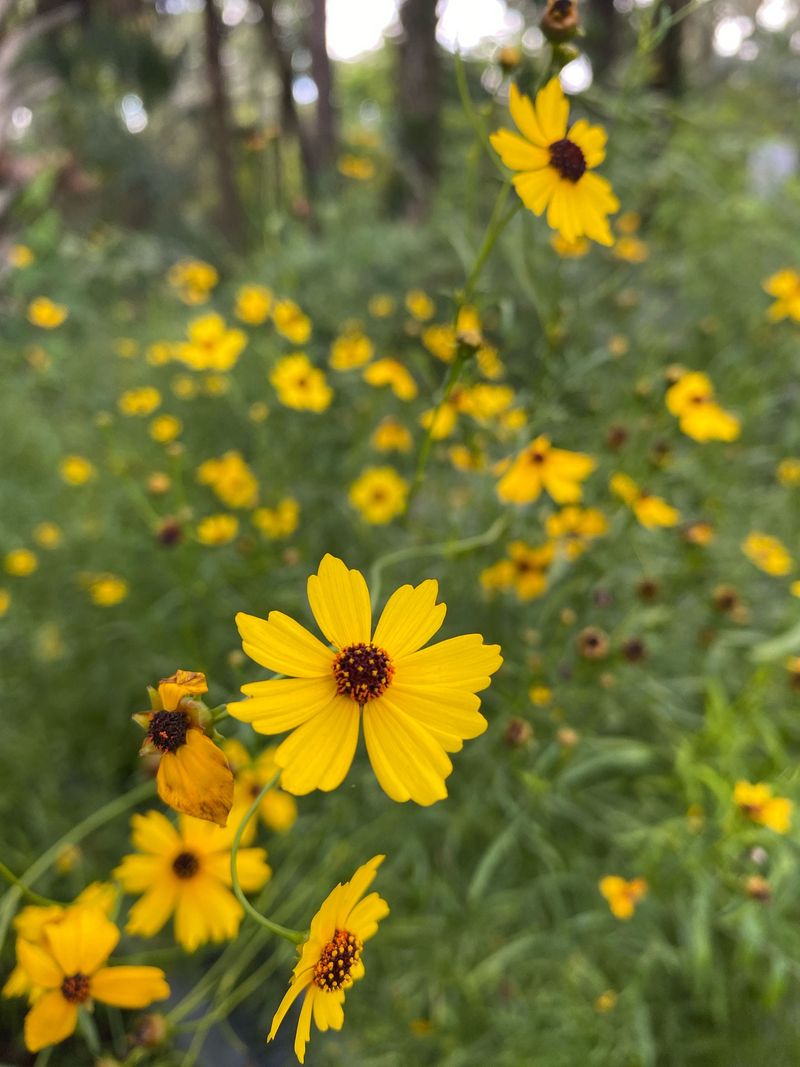
For the edge of a rain garden, think small seeds rather than giant sunflower heads. Leavenworth’s tickseed, Coreopsis leavenworthii, brings airy yellow flowers and a seed crop that can support small seed-eating birds.
This Florida native is especially useful where soil stays moist or receives occasional runoff. It prefers sun and generally fits a moist wildflower bed better than a bone-dry strip beside a hot driveway.
The fine foliage keeps the planting visually light, making it a good partner for sturdier grasses. Plant several together so their thin stems form a noticeable patch rather than disappearing between larger plants.
After flowering, let seed heads mature and dry before doing any cleanup. Seeds that drop onto accessible soil give ground-feeding birds a place to forage, though neither buntings nor goldfinches are guaranteed visitors.
Because this tickseed commonly grows as an annual, reseeding is part of its staying power. Avoid thick mulch over every open space, and check the ground for seedlings before weeding in spring.
Fall planting can help establish a future food patch, but flowering and seed timing vary with location and weather. Keep existing mature plants standing if your goal is food this winter.
4. Seaside Goldenrod
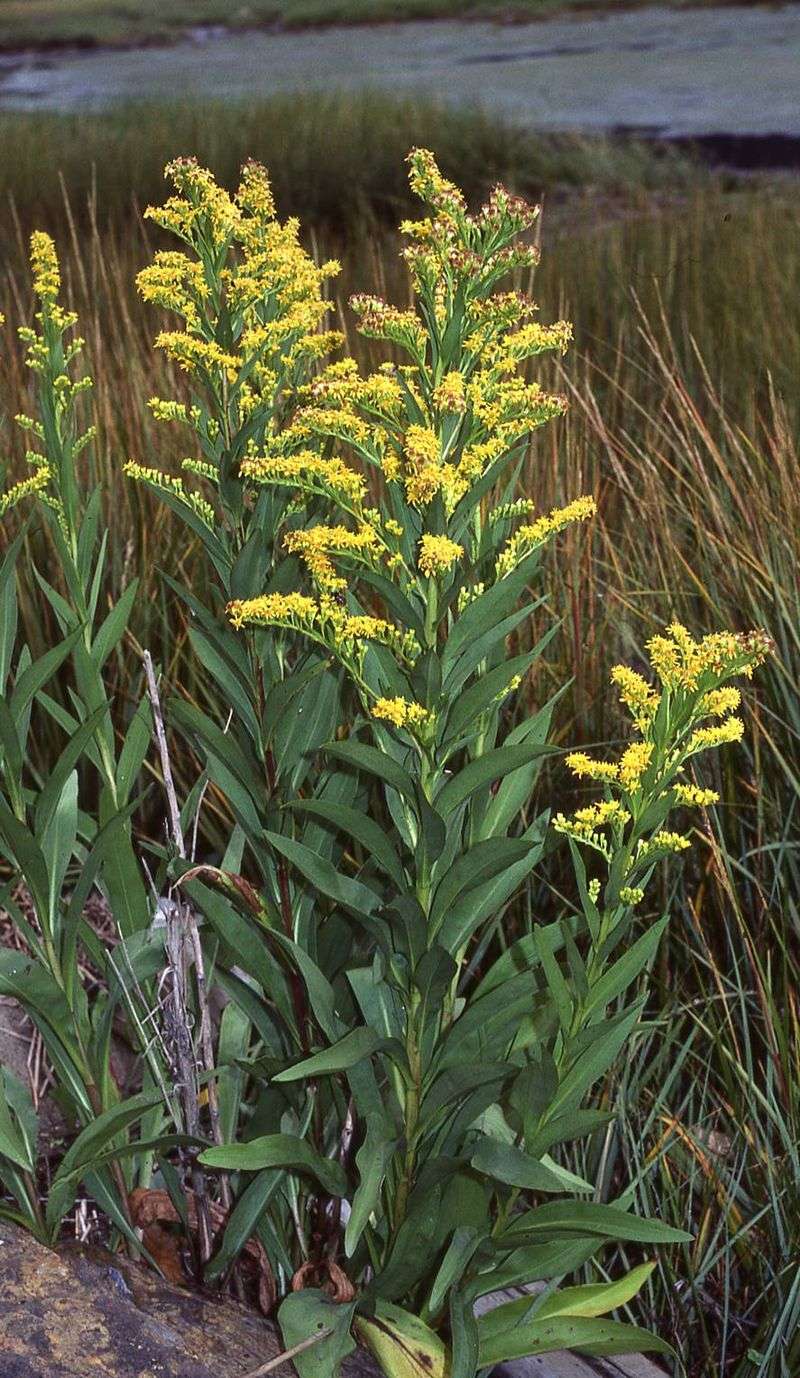
Leave the golden plumes standing, and the show changes rather than ends. Seaside goldenrod, Solidago sempervirens, trades its late-season flowers for pale, fluffy seed clusters that add winter texture and potential bird food.
Goldfinches eat seeds from goldenrods, making this plant a useful choice for a sunny Florida wildlife border. Buntings are more likely to benefit from seeds reaching the ground and from the sheltered feeding space around a mixed planting.
Its coastal background makes seaside goldenrod especially helpful in yards exposed to salt spray. Give it sun and enough room for a substantial clump, and match its moisture needs to your particular site rather than assuming every coastal plant wants extremely dry sand.
Place taller stems toward the back of a bed, where their winter outlines will not block a walkway. Pair them with a lower native flower to keep the planting attractive at ground level.
Wait until the seed supply is mostly spent before cutting back old growth. Goldenrod pollen is carried mainly by insects, so it is not the usual cause of the windborne pollen allergies often blamed on its bright flowers.
5. Dense Blazing Star
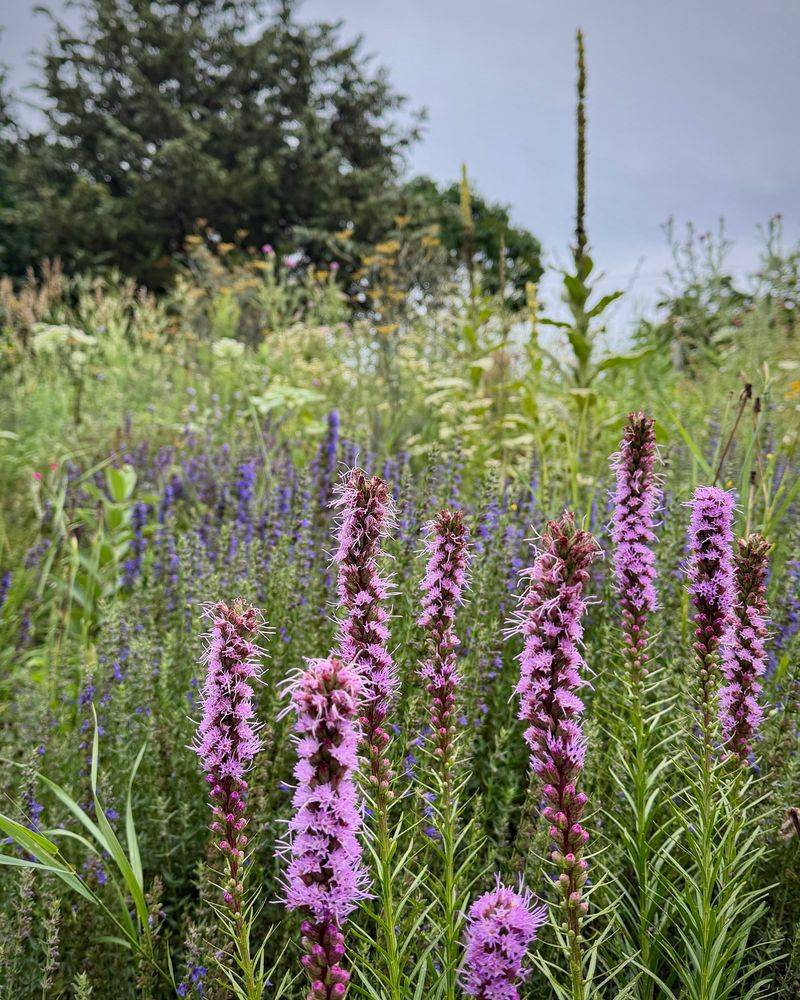
Even a small bed can make room for a few upright purple spikes. Dense blazing star, Liatris spicata, grows vertically rather than forming a broad shrub, bringing a different shape to a bird-friendly flower garden.
Its blooms attract pollinators first, then mature into seed-bearing stalks that goldfinches may visit. Keeping those stalks is the key step; cutting them immediately after flowering removes the food you are trying to grow.
Choose a sunny site with moist but well-drained soil. Unlike some blazing stars adapted to very dry sand, this species is a better fit for a bed that holds some moisture without staying waterlogged.
Ask a Florida native nursery whether it suits your county and growing conditions, particularly in the southern peninsula. A locally appropriate Liatris species may be a better choice outside its best range.
Plant a small group among lower flowers so the stalks remain visible and accessible. Once the seeds are ready, leave nearby ground open enough for fallen seed to be found.
The foliage may die back during cooler weather, so mark the planting location before cleanup. Dormancy does not mean the plant has failed, and its dry stalks can still have value above ground.
6. Little Bluestem
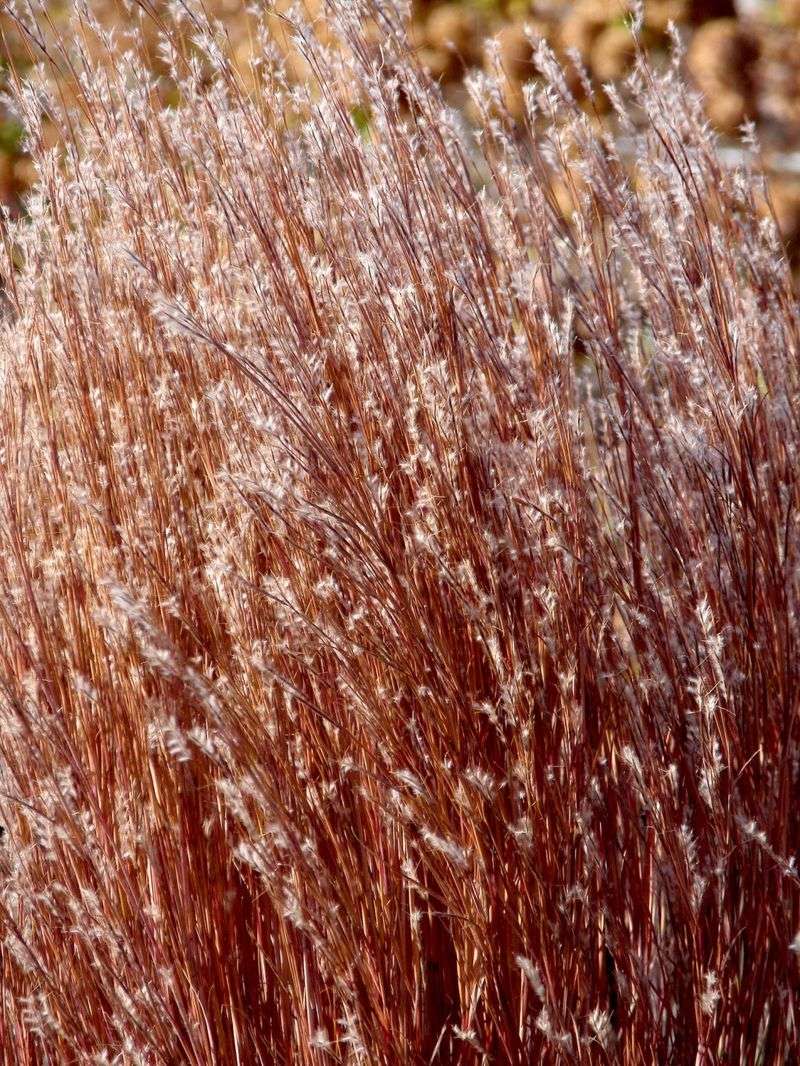
Copper-colored grass can be a food source, not just a winter decoration. Little bluestem, Schizachyrium scoparium, offers small seeds and a clumping shape that adds shelter around a feeding area.
That combination makes it especially useful for ground-foraging birds. Indigo Buntings eat grass seeds, so a patch of native bunchgrasses fits their feeding habits where the birds occur, particularly during migration and in their limited Florida winter range.
Give little bluestem full sun and a well-drained site. Lean, sandy soil is often a better match than a rich bed receiving frequent fertilizer and irrigation, which can encourage weak, floppy growth.
Buy Florida-grown material suited to your area when possible. Plants selected for other regions may not perform the same way under Florida’s long growing season and humid conditions.
Arrange several clumps with small gaps between them rather than creating a solid wall. Those openings help birds reach fallen seeds and give the bed a neat, planned look.
Leave the grass standing through winter, then cut back before vigorous new growth begins. Time that work to local conditions, not a northern gardening calendar, and remove only what is needed to make room for fresh shoots.
7. Lopsided Indiangrass
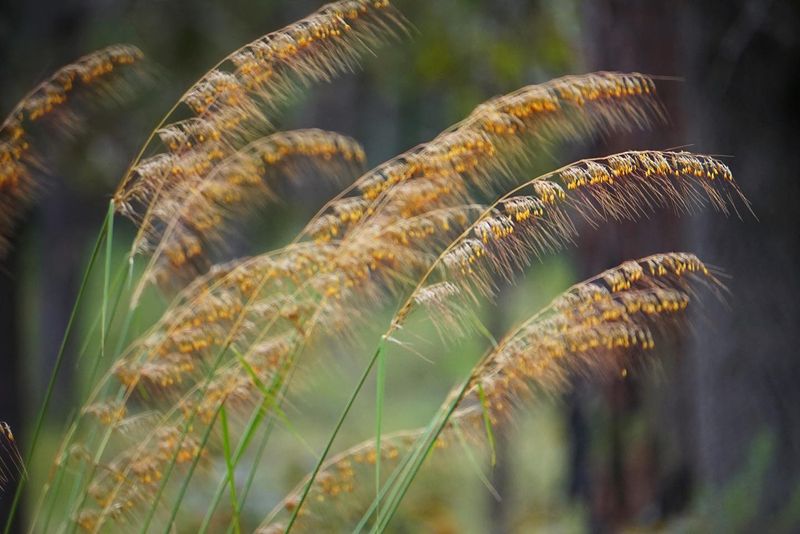
A back corner can do more than hide the compost bin. Lopsided Indiangrass, Sorghastrum secundum, turns a sunny space into a tall, seed-producing backdrop with a distinctly Florida feel.
Its unusual flower and seed clusters sit mostly along one side of the stem, which explains the name. The plant offers grass seed for wildlife and adds height without requiring a woody hedge.
Use it where its mature size will not crowd windows, narrow paths, or low-growing flowers. A sunny, well-drained site with sandy soil suits it better than a frequently flooded pocket or a heavily watered lawn edge.
For this list, its main role is supporting the ground-feeding side of the garden, especially buntings and other birds that search for grass seeds. Pair it with black-eyed Susan or goldenrod to offer the kinds of flower seeds goldfinches commonly use.
Keep mature stalks through winter and avoid mowing the whole patch after fall flowering. If the planting needs renewal, cut it back before new growth takes off, with timing adjusted to your part of Florida.
Finish the area with a clean, shallow birdbath and nearby escape cover, but avoid dense hiding places where cats can ambush feeding birds. Food, water, and a safe layout work better together than any single plant.